A bar can look acceptable when it leaves production and show a new color at the edge after storage. A recent soapmaking discussion described that kind of change without establishing its cause. For a private-label buyer, the immediate question is operational: which lots and markets may be affected, what evidence still exists, and who can decide whether stock is released? A photograph alone cannot answer those questions.
This checklist covers a visible color deviation in a solid cleansing product supplied to a brand or distributor. Soap bars, synthetic cleansing bars and decorative soap products can have different formulations and manufacturing methods. The supplier’s technical team must investigate the actual product. The buyer can still set a consistent evidence and decision process without pretending to diagnose chemistry from an online post.
Place the affected stock on a defined hold
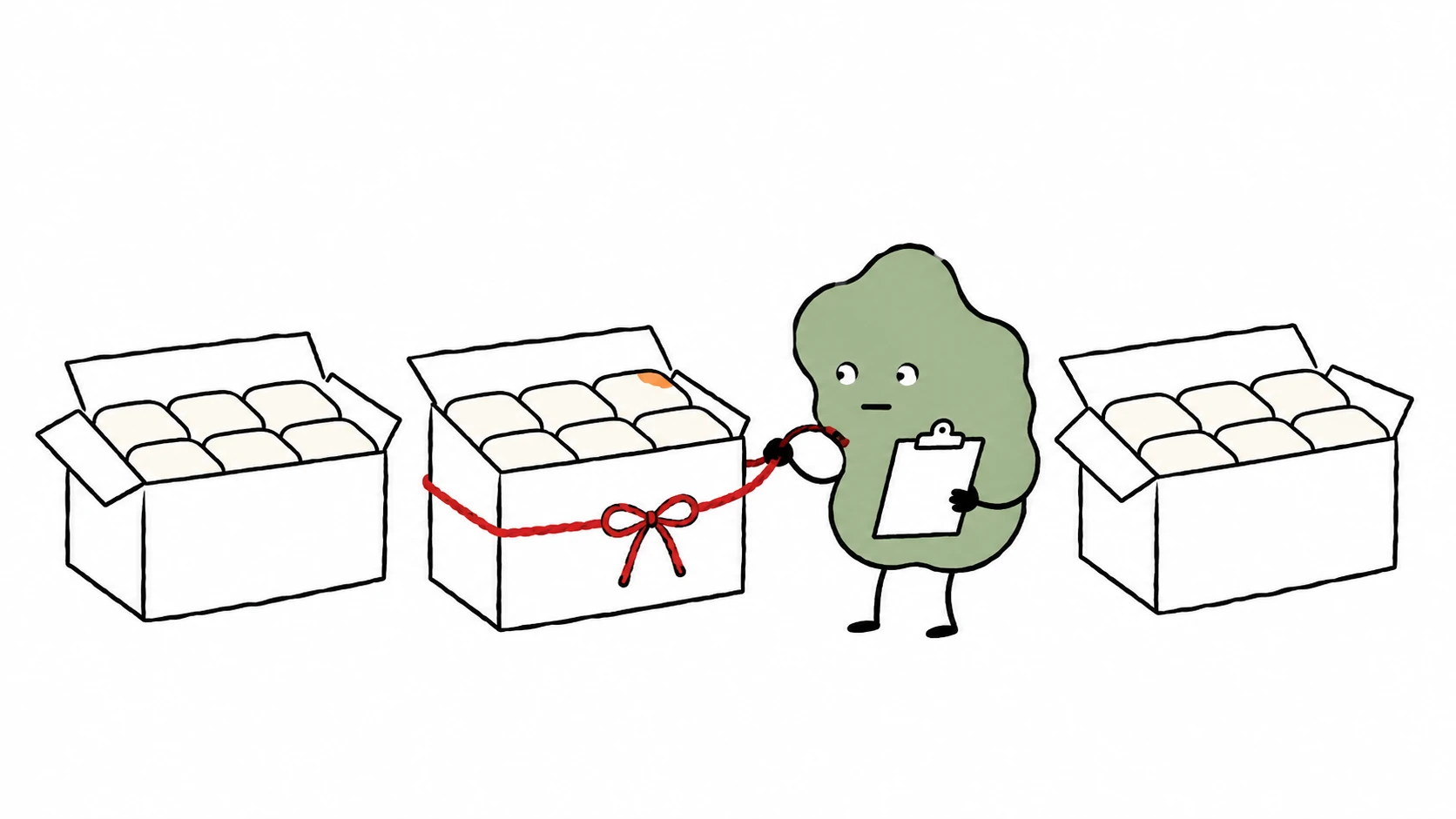
Record the product name, approved formula and artwork revisions, production lot, quantity received, storage location and first date the change was noticed. Identify whether the observation concerns an entire carton, a few bars, a particular pack format or only one location. Ask receiving teams to separate the observed stock and keep the original cartons and labels. An informal request to “set those aside” can be lost when a warehouse changes shifts.
Set the hold boundary from evidence rather than assuming every shipment is affected. The same lot may have gone to several distributors, while two cartons in one location may contain different lots. Build a location-to-lot list before deciding what to inspect next. If units have already entered a sales channel, have the responsible quality and regulatory personnel assess the appropriate customer and market actions. This article does not make a safety determination.
Assign one owner to preserve the record. Ask for clear photographs under consistent light with the outer carton, individual pack, product face and changed area visible. Write down the observation in ordinary terms, such as “orange area at one edge,” without labeling it as oxidation, mold or another cause. Such labels require an investigation and can misdirect the supplier before the evidence is reviewed.
Compare affected units with retained references
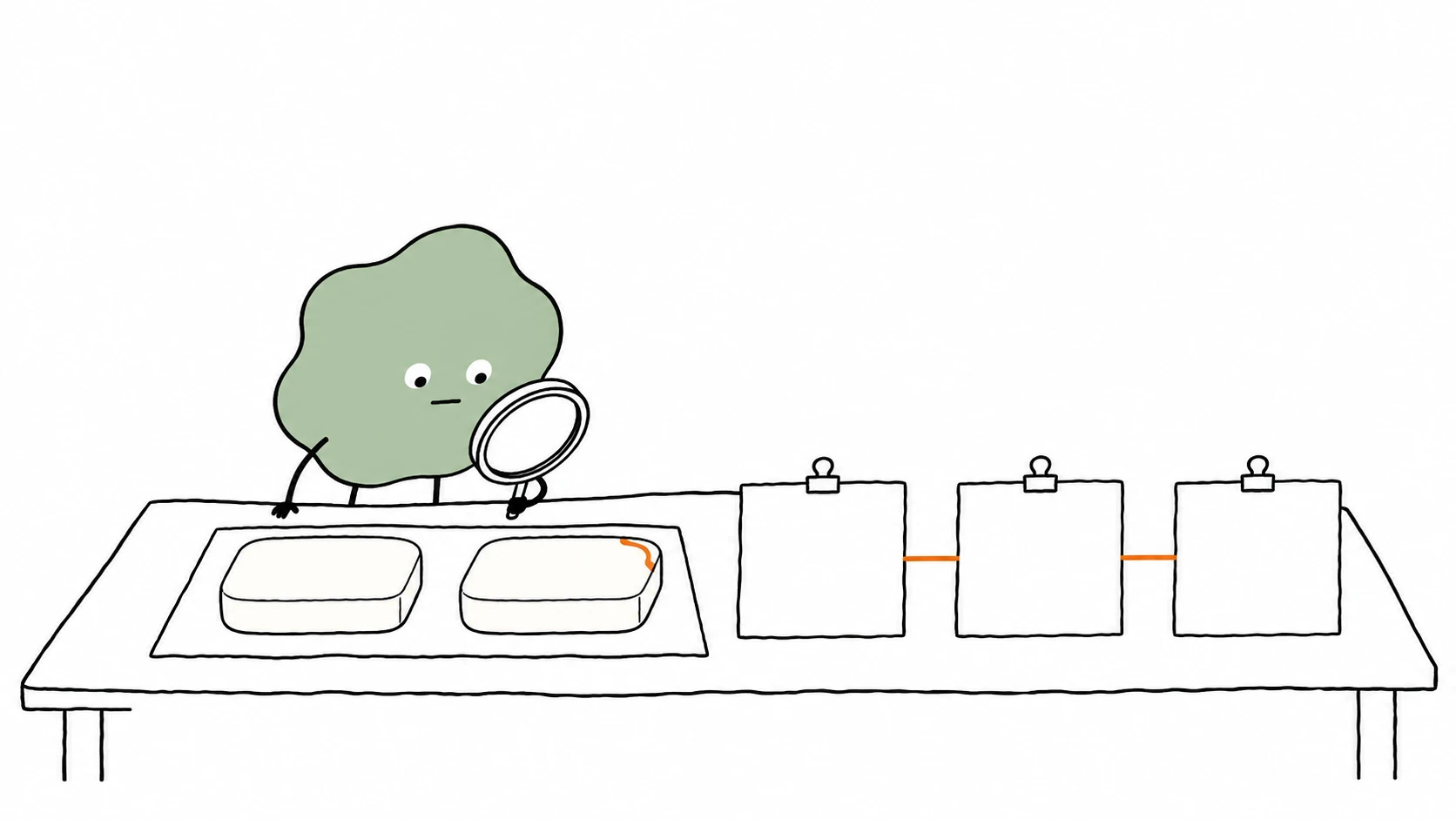
Pull the signed approval sample, a retained sample from the affected production lot if available, and an unaffected unit from the same shipment. Record when and where each sample was stored. Compare them at the same inspection point and lighting condition. Differences in age, packaging or exposure matter to interpretation, so note them rather than forcing the samples to appear equivalent.
Use a simple comparison sheet: lot and sample identity, date, pack condition, color position and extent, odor observation if relevant, surface condition, and photographs. Measure only characteristics that were part of the agreed specification or that the technical investigation now needs. The buyer may not have the tools to determine composition, but can preserve a traceable sequence of observations.
Our body cleansing bar sample-to-bulk QC guide explains how to set a finished-bar reference before shipment. This investigation starts later, when that reference and a delivered lot no longer appear to match. If the original approval file lacks a physical reference or a clear finish standard, document that gap as part of the corrective action.
Build a change map before proposing causes
Ask the supplier for the records that identify what was made and packed: formula revision, raw-material and fragrance identifiers, colorant identifier where used, production date, process or finishing record, individual pack material, carton configuration and storage instructions. Compare the affected lot with the last accepted lot. Look for recorded changes in inputs, packaging, manufacturing conditions and handling. A difference is a lead for investigation, not proof that it caused the color change.
Check the timeline. Did the changed appearance first occur before packing, during warehouse storage, after transport or after a customer opened the pack? Were the two samples stored under comparable conditions? Did the deviation appear on every unit or only at exposed edges? These questions help the technical team decide what to examine. Buyers should avoid prescribing a fix such as adding an antioxidant or changing a fragrance before the supplier has established a relevant cause and assessed the effect on the finished product.
Request the investigation method and result in writing. The report should distinguish verified facts, working hypotheses, tests performed, conclusions and remaining uncertainty. If an ingredient or packaging change is proposed, ask for a new product revision and a sample approval route. The supplier due-diligence checklist offers a broader framework for evaluating how a supplier handles evidence and corrective actions.
Decide against the agreed acceptance standard
A buyer needs a disposition decision for the actual stock, even when the technical investigation takes time. Compare the appearance with the approved specification and destination-market requirements. Record who can release, rework, replace or reject units. If the specification never defined acceptable color variation, do not invent a threshold after viewing the disputed lot. Escalate that gap and agree on a new standard before future orders.
Keep commercial and product decisions separate. Credit terms, replacement timing and freight responsibility belong in the supplier discussion, but a commercial settlement does not establish that a changed product meets the brand’s standard. Conversely, a technical finding may explain a visible change without answering whether the brand will accept it. Capture both decisions with dates and named owners.
For products sold across markets, ask the responsible regulatory team whether the proposed disposition affects labels, claims, product records or customer notices. The compliance document overview can help organize the request for product-specific records. It does not replace review of the exact formula and claims in each destination market.
Use the finding to protect the next production order
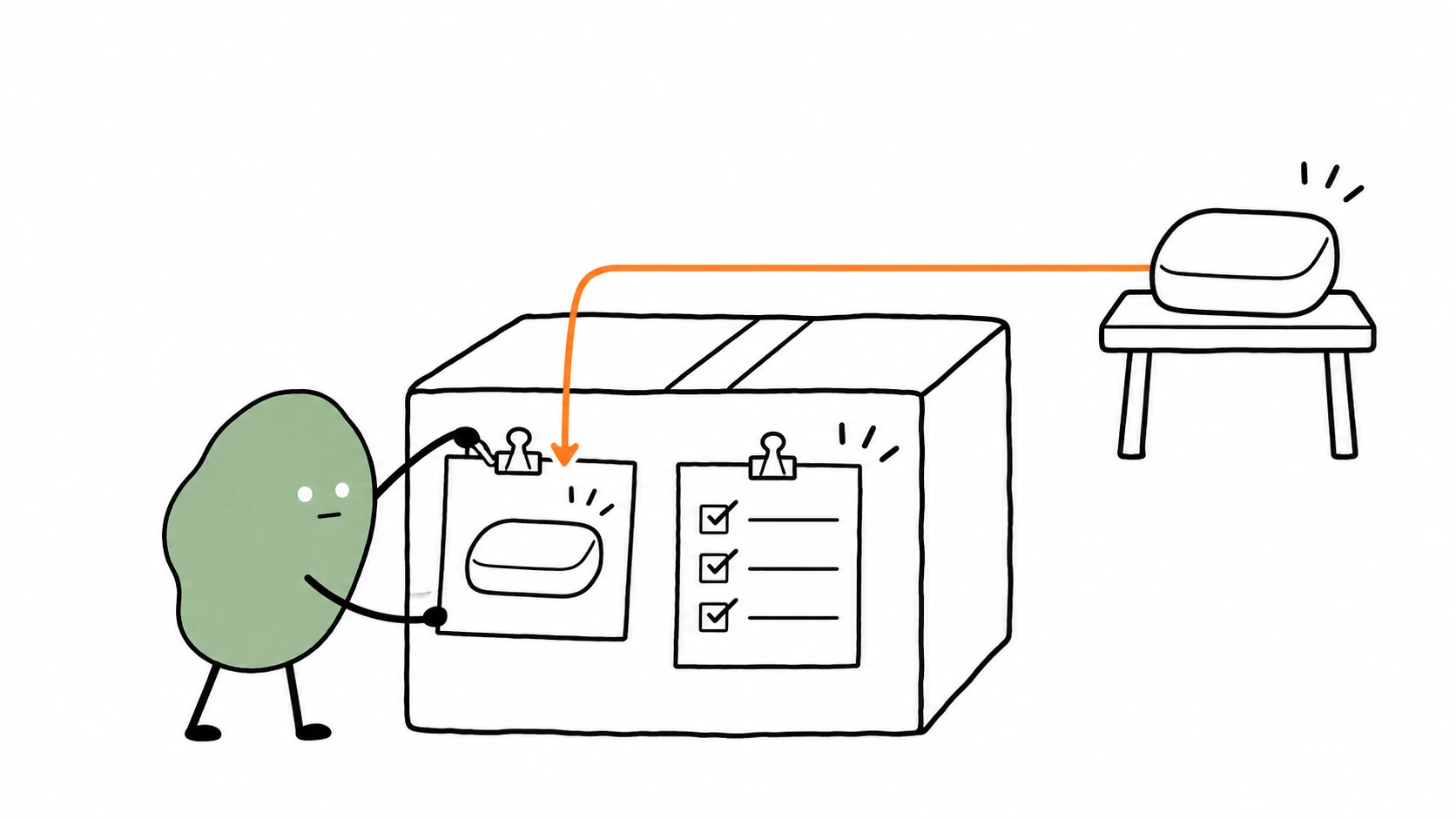
Close the case with a short release or rejection record that names the affected lots, evidence reviewed, supplier response, final decision and owner. If a corrective action changes material, process, package or storage instructions, connect it to a new revision. Keep the old and new versions distinguishable at receiving. A buyer should not find out about a changed pack or ingredient only after the replacement shipment arrives.
Set an appropriate observation point for the next pilot or production sample. The observation period and conditions should come from the product’s technical plan, intended shelf life and distribution route. Do not borrow a universal “one-week test” from another formula. The goal is to observe the characteristic that failed under conditions relevant to the actual product and to compare it with a retained reference.
Update the purchasing brief with the missing controls: visual reference, lot identification, retention plan, storage instructions, change-notification rule and complaint contact. Request MOQ, lead time and packaging terms for the exact approved version. A generic catalog number or prior quotation may not apply after a formula or pack revision.
What to send in a supplier investigation request
Send the product and lot identifiers, order number, quantity and locations held, dates, representative photographs, approved sample reference, storage observations and the specific questions the supplier should answer. Ask what additional samples the technical team needs and where they should be sent. Avoid sending only a cropped image with no lot or timeline.
For a proposed private-label solid cleansing program, Request a Quote with the intended format, fragrance and color brief, pack, destination markets and expected volume. Our OEM capabilities overview provides the starting scope; confirm whether the requested solid product, testing, documentation and change-control process are available for your specific project before placing a bulk order.

Leave A Comment