
“Which gel polish should I buy?” is a reasonable salon question, but brand recommendations alone give a distributor little basis for a bulk order. A recent nail discussion raised the familiar tension between an inexpensive set and the consistency a user expects. A wholesale gel polish supplier evaluation should turn that concern into a repeatable sample comparison, with the exact product system, packaging and service support recorded alongside appearance.
This scorecard is for salon groups, distributors and private-label teams. It does not rank brands or claim that a particular formula is safer or longer lasting. It also does not assume every gel format is available from NailLegend today. The goal is to define the evidence a buyer should request, test and attach to a quote before selecting a supply partner.
Build one comparison brief for every supplier
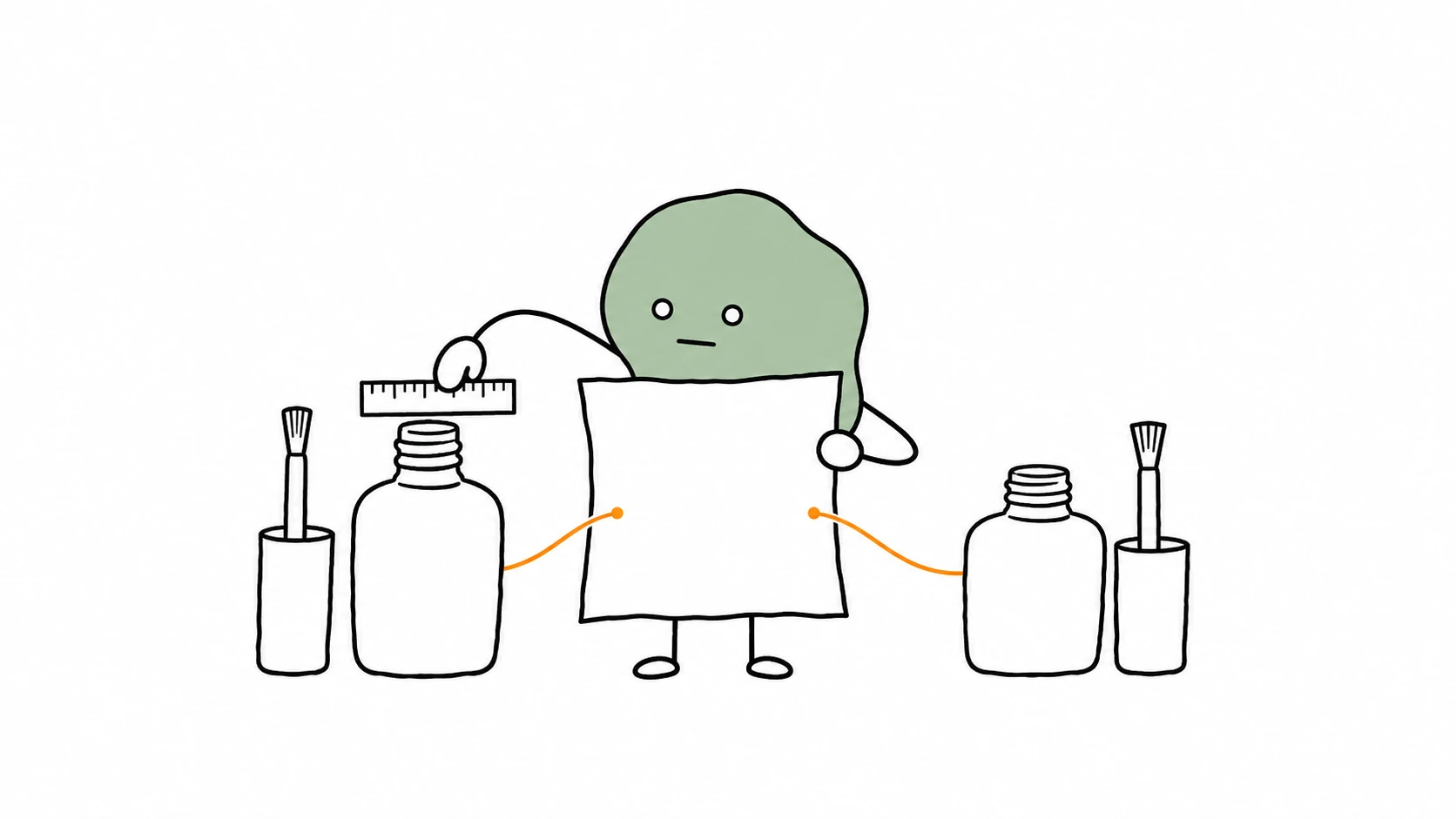
Start with the intended customer and service format. State whether the program is a small core shade range, a seasonal color collection, a private-label salon line or a distributor assortment. List the desired bottle size, brush style, shade families, base and top products, pack configuration and destination markets. Send the same brief to each supplier, then record any proposed deviations. Otherwise, a cheap quote for a smaller bottle can appear to beat a more complete offer.
Ask for the exact sample SKU, formula or product code, shade code, lot, production date where available, pack revision and written use instructions. If a supplier offers several gel systems, do not mix components from different systems without written compatibility guidance. Compare like with like: a single color bottle, a coordinated base-color-top system and a full salon assortment answer different purchasing questions.
Define the scoring scale before testing. A practical sheet can list each criterion, its acceptance requirement, evidence, reviewer and result. Make document completeness and sample identity mandatory gates rather than giving a beautiful swatch enough points to compensate for missing instructions. The scorecard should help decide what to investigate next, not create a false precision from subjective numbers.
Test shade and brush under a controlled setup
Use the supplier’s instructions and a documented lamp and application setup. Record the base, color, top, lamp model, layer method and operator for each trial. Test a small representative shade set that includes the finishes most important to the intended assortment. A transparent pale shade and a dense dark shade may raise different evaluation questions; approving one does not approve every color.
Compare the received shade against a signed reference in consistent light. Observe brush shape and fit, pickup, spread, streaking, bottle wiper behavior and whether the bottle can be used cleanly through ordinary salon service. Record observations in plain language and keep photographs linked to the exact shade and lot. Do not convert a single technician’s preference into a universal performance claim.
Our gel color and lamp compatibility guide goes deeper on the controlled test setup. The supplier scorecard uses that result as one input, then compares the broader commercial system: the shade range, packaging, instructions, traceability and reorder support. If the supplier cannot identify which lamp and product combination it supports, leave the compatibility gate open.
Check repeatability across lots and packs
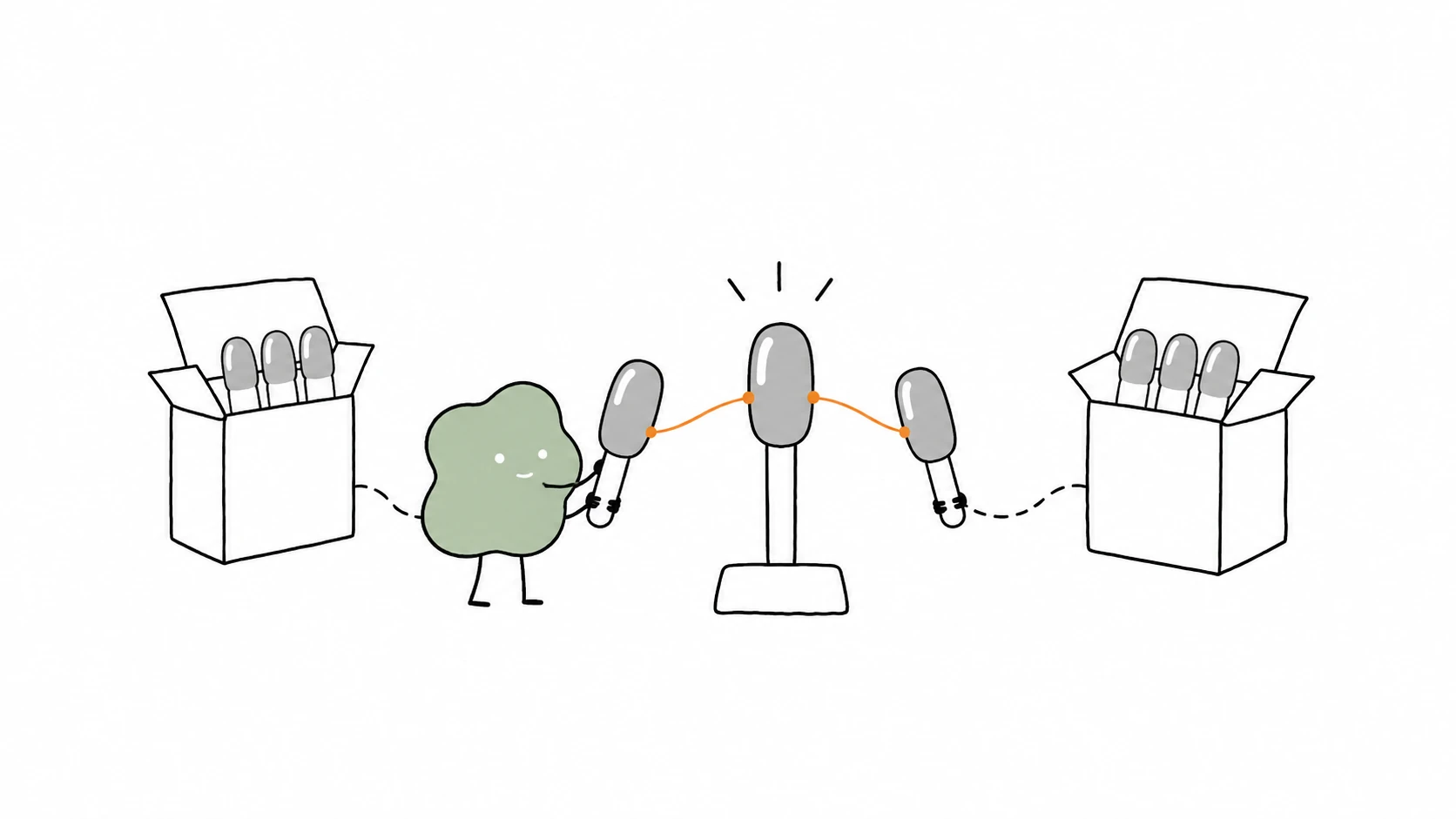
One polished sample can show what a supplier intends to sell. A buyer also needs to know how the approved version is identified when bulk stock arrives. Ask for a pre-production sample or another production lot where feasible. Compare shade reference, viscosity observations, brush, bottle fill presentation, label and pack condition under the same method. A difference does not prove a manufacturing defect; it tells the buyer which specification or change record needs clarification.
Request the supplier’s lot marking scheme and the information available when a salon reports a problem. Can the distributor identify the color, base and top lots used in the same service? Will a bottle, brush or shade revision receive a new code? Agree on the reference retained by each party and the process for a disputed shipment. This matters more to long-term wholesale supply than a one-off swatch photograph.
If the range includes an effect finish, evaluate that category on its own brief. The magnetic cat-eye gel polish guide covers effect references, sample approval and packaging questions for that specific format. Do not treat a successful magnetic sample as evidence that the supplier’s plain-color line has the same characteristics.
Review instructions, ingredients and complaint handling
Ask for current product instructions, ingredient information and documents relevant to the destination market and intended professional use. Have the responsible regulatory or technical reviewer assess the exact product and claims. Marketing terms such as “professional,” “clean” or “HEMA-free” are not substitutes for product-specific documentation. Avoid drawing a safety conclusion from appearance, an online recommendation or a single service experience.
Confirm whether the supplier provides written guidance on the supported system, including base, color, top, lamp and removal method where applicable. A retailer may be satisfied with a bottle label; a salon chain needs instructions that technicians can actually follow. Our gel polish removal supplies checklist covers the separate buying decision for removal products, tools and training. Record both application and removal documents before launching a coordinated line.
Ask how a complaint is received and investigated. A useful case record connects product code, shade, lot, lamp, application notes, observation, photographs and the affected location. The supplier should identify who responds, what samples may be needed and how a confirmed specification change reaches distributors. A vague promise to “replace bad bottles” is less useful than a clear evidence route and decision owner.
Make the quotation comparable to the tested sample
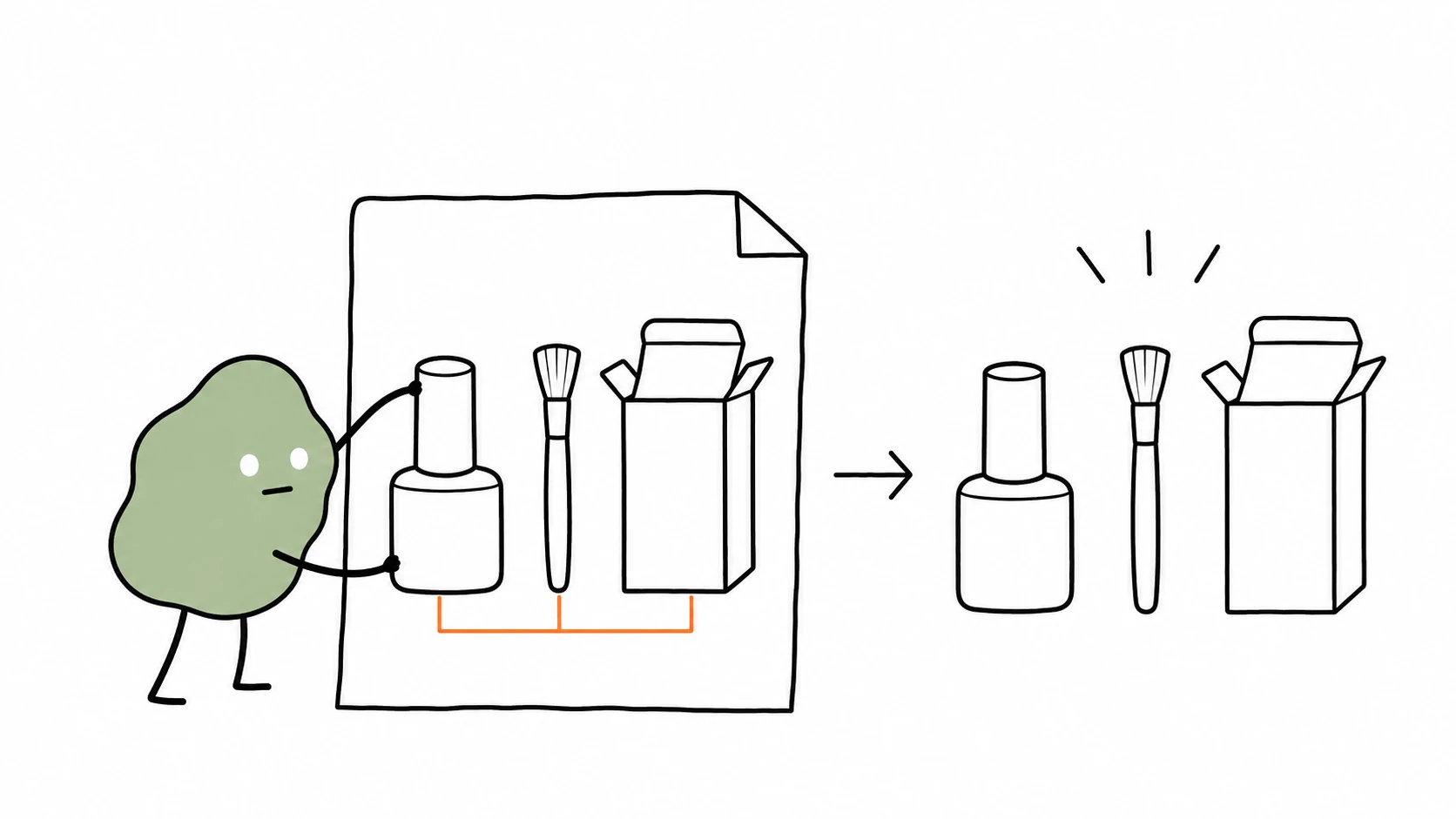
Quote each shade or shade family against the tested bottle size, brush, formula revision and artwork version. Request MOQ by shade and by packaging option, lead time, sample charges, carton count, customization scope and shipping basis. Ask whether a mixed-color opening order is possible and what conditions apply. Do not copy a general website MOQ into a purchase order for a custom collection.
Separate the base supply price from artwork, shade development, printed cartons, display materials and any testing or document charges. A supplier with a lower bottle price may require a larger per-shade minimum or a different packaging commitment. For a distributor, the reorder terms matter as much as the first order: which shades can be replenished individually, and how will discontinued shades be communicated?
Close the scorecard with a decision for every supplier: approved for a defined pilot, more evidence required, or declined against a stated requirement. Attach the accepted physical samples and document versions to the purchasing file. Do not let a salesperson’s sample set replace the actual version written on the purchase order.
Send an RFQ that produces an answer
Provide the planned shade count and families, bottle and brush requirements, base and top system, target markets, packaging, expected opening quantity, reorder pattern and your test setup. State which documents and samples are needed before approval. If a supplier proposes a different product system or pack, ask it to identify the change explicitly rather than folding it into a headline price.
Request a Quote with that brief and ask which gel-polish formats, samples and customization options are currently available. NailLegend’s OEM capabilities overview provides a broader starting point. Confirm the exact SKU, MOQ, lead time, documentation and production scope before making a sourcing commitment.

Leave A Comment