A new fragrance can change more than the name on a soap label. In a recent soapmaking discussion, a maker reported that a changed scent combination coincided with faster thickening and made a planned two-color design difficult to execute. The post does not establish why it happened. For an OEM buyer, it points to a practical approval gap: a fragrance change can affect whether a factory can reproduce the accepted finished appearance at the intended production scale.
This guide is for brands and distributors changing the fragrance in an already defined solid cleansing product. It focuses on the pilot decision between a proposed material and a bulk purchase order. The actual formulation, process and safety requirements must be assessed by the responsible technical and regulatory teams. A purchasing checklist cannot diagnose a batch or guarantee that a laboratory sample will behave identically in production.
Define the exact change before requesting a pilot
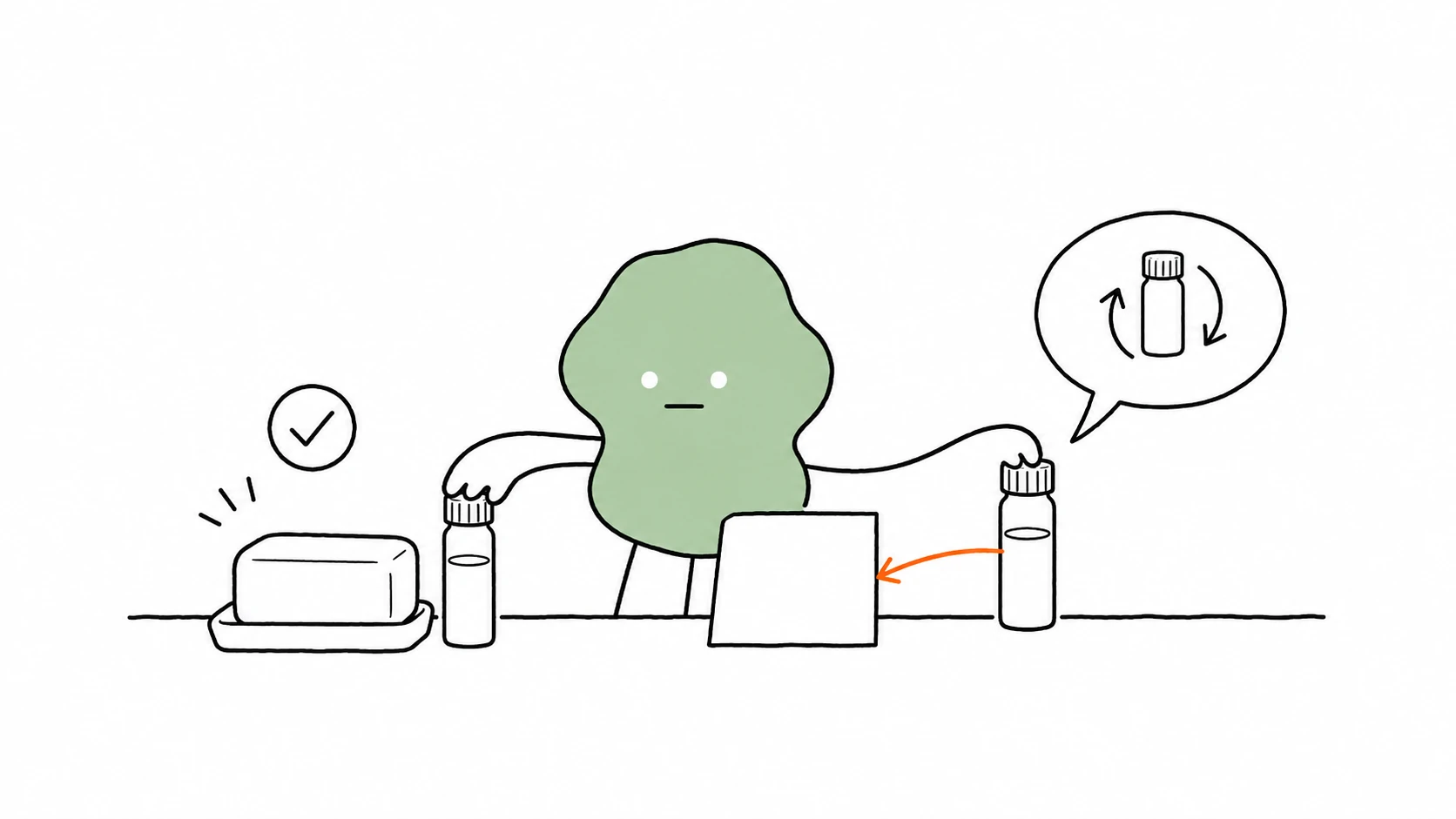
Give the proposal a change number. Identify the current finished-product code, formula revision, fragrance supplier and code, proposed fragrance supplier and code, and the reason for the change. Say whether color, artwork, pack or intended market will also change. A scent family such as citrus or floral is not a material identifier. Purchasing, quality and the manufacturer need to know exactly which versions are being compared.
List the purchase orders and planned launch dates that might be affected. Keep the approved version separate from the proposed one until a named decision maker releases the change. If the existing material is unavailable, ask for the last date the current specification can be supplied and the earliest realistic pilot date. A supplier’s offer of an alternative does not itself authorize substitution into an open order.
Attach the approved finished sample and define the visible characteristics that matter to the brand. For a two-color bar, those may include the position and separation of the colors, the intended surface texture, shape, dimensions and pack presentation. Use photographs and a retained physical reference where practical. A pilot cannot be judged fairly if the target is described only as “similar to the last batch.”
Agree on a representative trial with the manufacturer
Ask the technical team what must be held constant to compare the current and proposed fragrance. Record the formula revision, color system, mold or forming method, batch size, mixing and filling equipment, and finishing or storage plan used for each trial. The manufacturer should select the process parameters and safe working method. The buyer’s role is to request a comparison that can be traced back to the intended bulk process.
Run a small development trial to screen the proposal, then decide whether a representative pilot is needed before bulk approval. If the trial uses different equipment or handling from production, list those differences. Request a sample from the proposed production route if the brand’s visual design depends on a narrow working window. A decorative swirl that survives one hand-made sample may still need a production-scale appearance check.
Capture observable events in a simple trial log: material codes, addition stage, process version, time stamps selected by the manufacturer, visible change, ability to place or pour the planned design, and the resulting finished-bar appearance. Avoid translating a technician’s observation into a universal chemical explanation. A deviation report should state what occurred and what further investigation is needed.
Set separate gates for process, appearance and pack

Separate three questions. Could the manufacturer execute the intended process with the proposed material? Does the finished bar meet the agreed appearance and physical specification? Does the approved package protect and identify that version? A passing scent preference cannot answer all three. Record each gate with its reviewer, sample reference, result and open actions.
For the appearance gate, compare the finished pilot with the signed reference under consistent lighting. Note color boundaries, surface, edges, dimensions and any agreed handling attributes. Define an acceptable range before seeing the disputed pilot when possible. The cleansing-bar sample-to-bulk QC guide offers a broader finished-product reference framework; this article adds the decision required when a fragrance revision threatens that reference.
Evaluate the actual individual wrap and carton planned for sale or professional supply. Ask whether the new fragrance changes the intended label or requires a packaging review. Inspect the pilot after the product-specific observation period chosen by the technical team. Do not infer shelf life from an immediate bench sample. Record whether any accepted difference requires updated artwork, photographs or customer-facing descriptions.
Review documents for the proposed material and market
Request the fragrance documentation for the exact supplier code and intended use, together with the material revision and the finished-product information the regulatory team needs. The responsible reviewer should decide whether ingredient, allergen, warning or claim information must change in each target market. A document from the previous fragrance or a similarly named mixture should not be attached to the new version without confirmation.
Keep the fragrance approval distinct from finished-product approval. A document supporting use of a fragrance material does not prove that the revised soap meets the brand’s visual specification or that the final label is correct. Our compliance document overview lists the types of records buyers may discuss with a supplier; the required package depends on the actual product and market.
The related bath bomb fragrance substitution checklist addresses a different product and decision. It is useful for the change-control structure, but its sample conditions should not be copied to a soap project. Keep the product-specific technical plan attached to the soap pilot.
Release a single approved version to purchasing
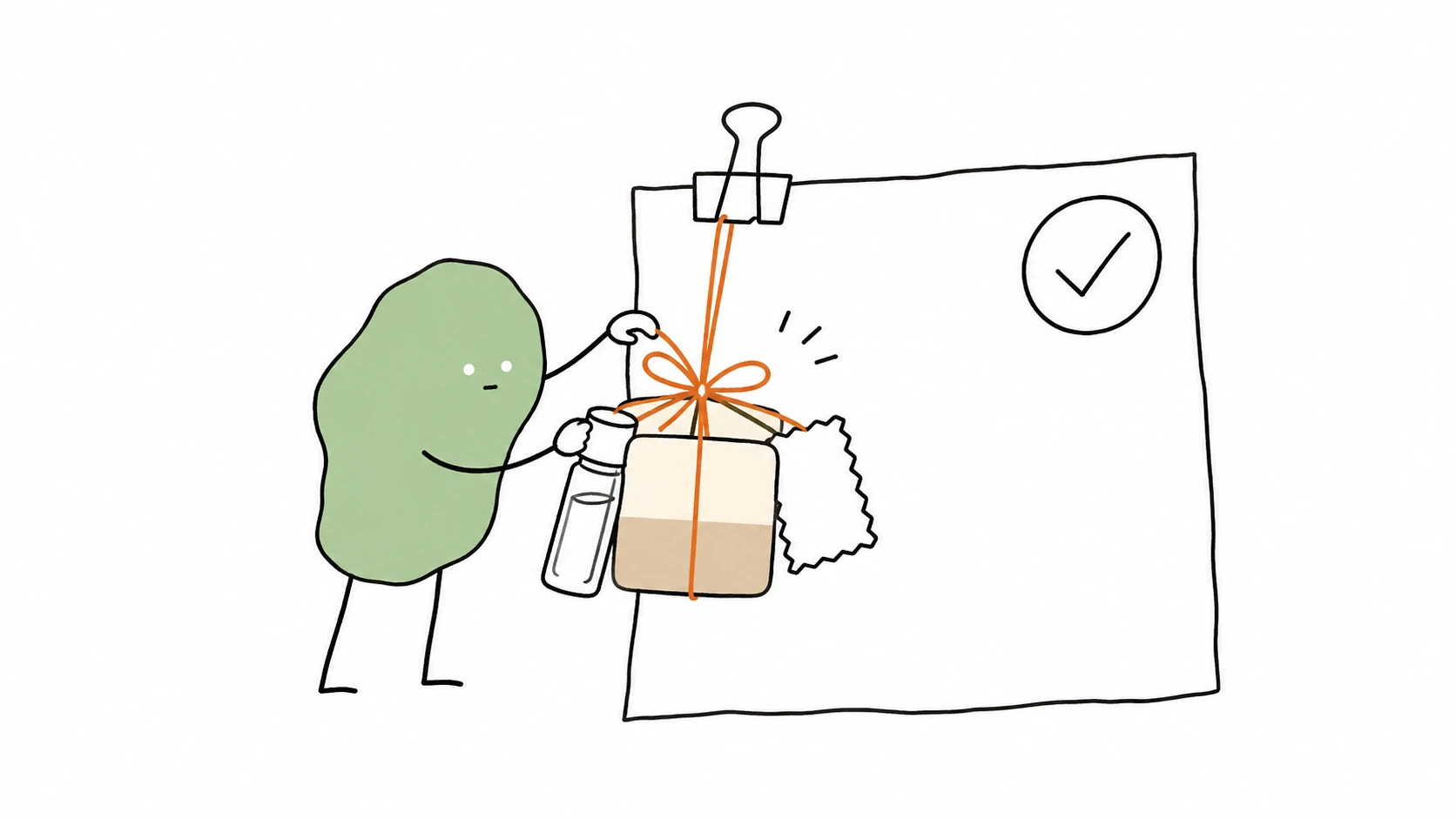
Close the pilot with a decision record naming the finished-product revision, fragrance code, process and package versions, accepted physical sample, document review and decision owners. State which purchase orders may use the new version. If the pilot fails, ask for a revised proposal with a new identifier and a fresh comparison. Do not blend observations from multiple trials into one untraceable approval.
Before release, request a revised quote for the exact approved combination. Confirm the MOQ, lead time, sample or tooling charges, packaging availability and what happens to any materials already purchased for the old version. Ask how old and new finished lots will be labeled and separated if both remain in the supply chain. A quote that omits the fragrance revision can create a dispute even after everyone agrees on the sample.
At incoming inspection, compare lot, item code, fragrance and artwork revision with the approval record. Retain a reference from the released lot as agreed. If the delivered appearance differs, hold that lot and use the documented deviation process. The change record should travel with the purchase order so a warehouse or distributor can tell which version it received.
What to include in an OEM change brief
Send the current product code, approved sample, current and proposed fragrance identifiers, design features that must remain, destination markets, pack format, projected volume and decision deadline. Identify who will approve process feasibility, finished appearance, documents and commercial terms. Ask the manufacturer which pilot route it recommends and what evidence it can provide from that route.
For a solid cleansing project, Request a Quote with this change brief. NailLegend’s OEM capabilities overview is a starting point for a feasibility discussion. Confirm the specific solid format, material options, documentation, pilot scope, MOQ and timing before treating any proposal as an approved bulk supply program.

Leave A Comment