A fragrance substitution can arrive as a short supplier message: the original material is unavailable, and an alternative has a similar scent. For a private label bath bomb buyer, that message should open a change review. It should not automatically release the next production order. The purchasing decision concerns a particular finished product, its packaging, and the evidence supporting that exact version.
This checklist is for brand owners and distributors who already have an approved bath bomb and need to evaluate a replacement fragrance. It focuses on substitution approval rather than choosing a manufacturer or designing a formula from scratch. Start with the options on our bath bomb manufacturing page, then make the proposed change explicit in your own purchasing documents.
Freeze the change request before comparing samples
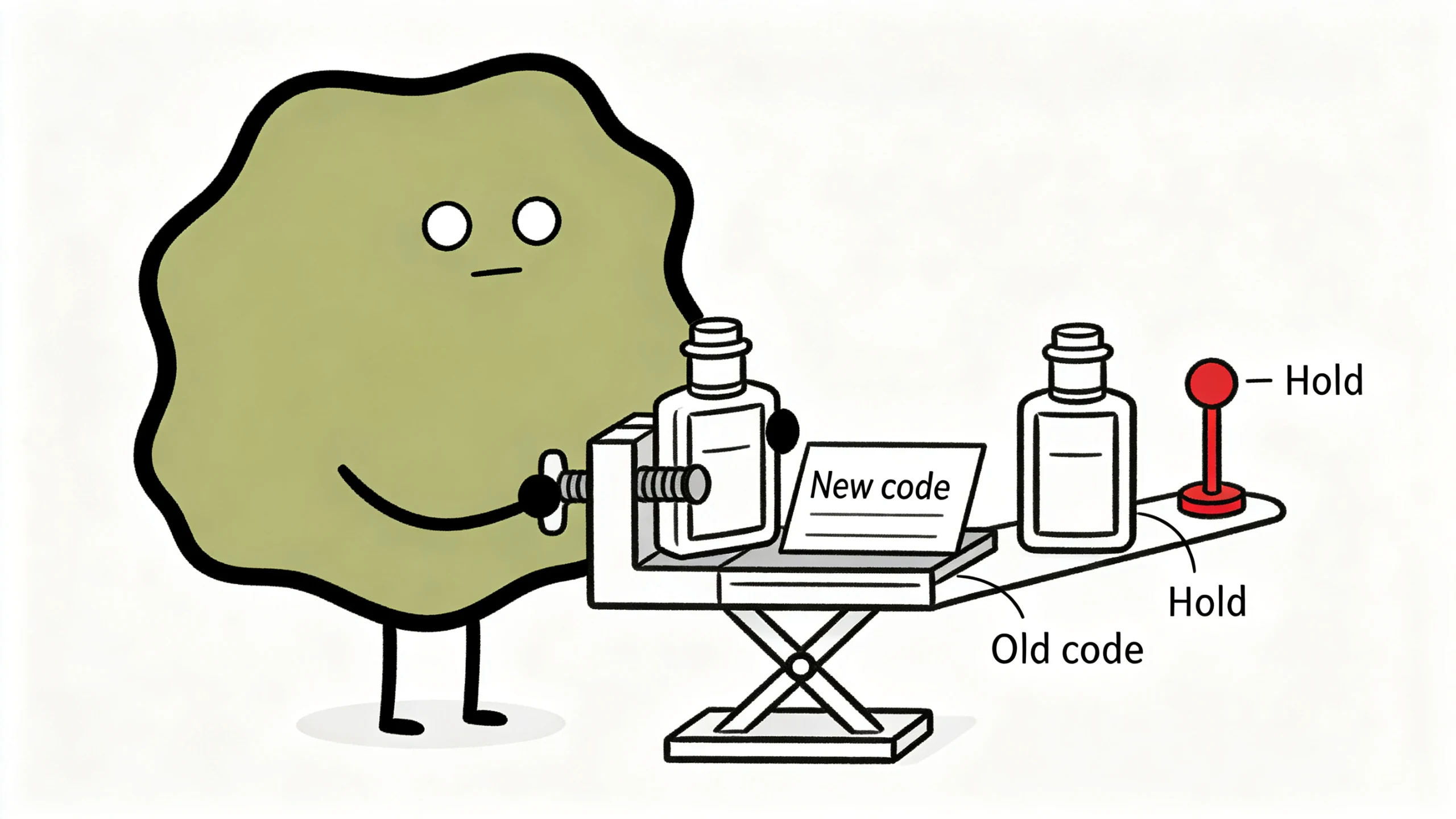
Give the replacement a change reference. Record the existing finished-product code, current formula revision, original fragrance supplier and code, proposed supplier and code, and the reason for substitution. A descriptive name such as lavender is useful for communication, but it does not identify a specific mixture. Ask whether the proposed change affects only fragrance or also color, processing, packaging, or artwork.
Define the order boundary immediately. Which open purchase orders could be affected? Has any material already been purchased? Is the proposal for a future replenishment, a sample trial, or an order already in progress? Ask the supplier to keep the proposed version separate from the approved version until a named person authorizes the change. This is a recommended purchasing control, not a claim about a particular factory’s existing system.
Attach the current approved reference and identify what the brand expects to preserve. Those expectations might include the scent direction, visible finish, shape, individual wrapping, and presentation inside a gift set. If a characteristic may change, write that down before sampling. Otherwise, different teams can approve different interpretations of the same request.
Request documents for the exact replacement mixture
Ask the fragrance supplier for the documents relevant to the intended product and destination market, with identifiers that match the proposed material. Keep the supplier code and revision on the request. A generic document for a fragrance family does not show that the paperwork belongs to the mixture being sampled.
IFRA explains that a fragrance mixture supplier establishes its Certificate of Conformity for an intended use. IFRA itself does not issue these certificates, and conformity does not replace a finished-product safety assessment or applicable local requirements. Use the IFRA explanation of conformity documents to frame the request; do not describe the bath bomb as IFRA-certified.
Route the updated documentation to the person responsible for market compliance. Ask that reviewer to identify whether the ingredient declaration, warnings, safety information, or other product records need revision. Our compliance document overview can help organize a supplier discussion, but the actual document package and its suitability must be confirmed for your project.
Approve performance in the finished product and pack
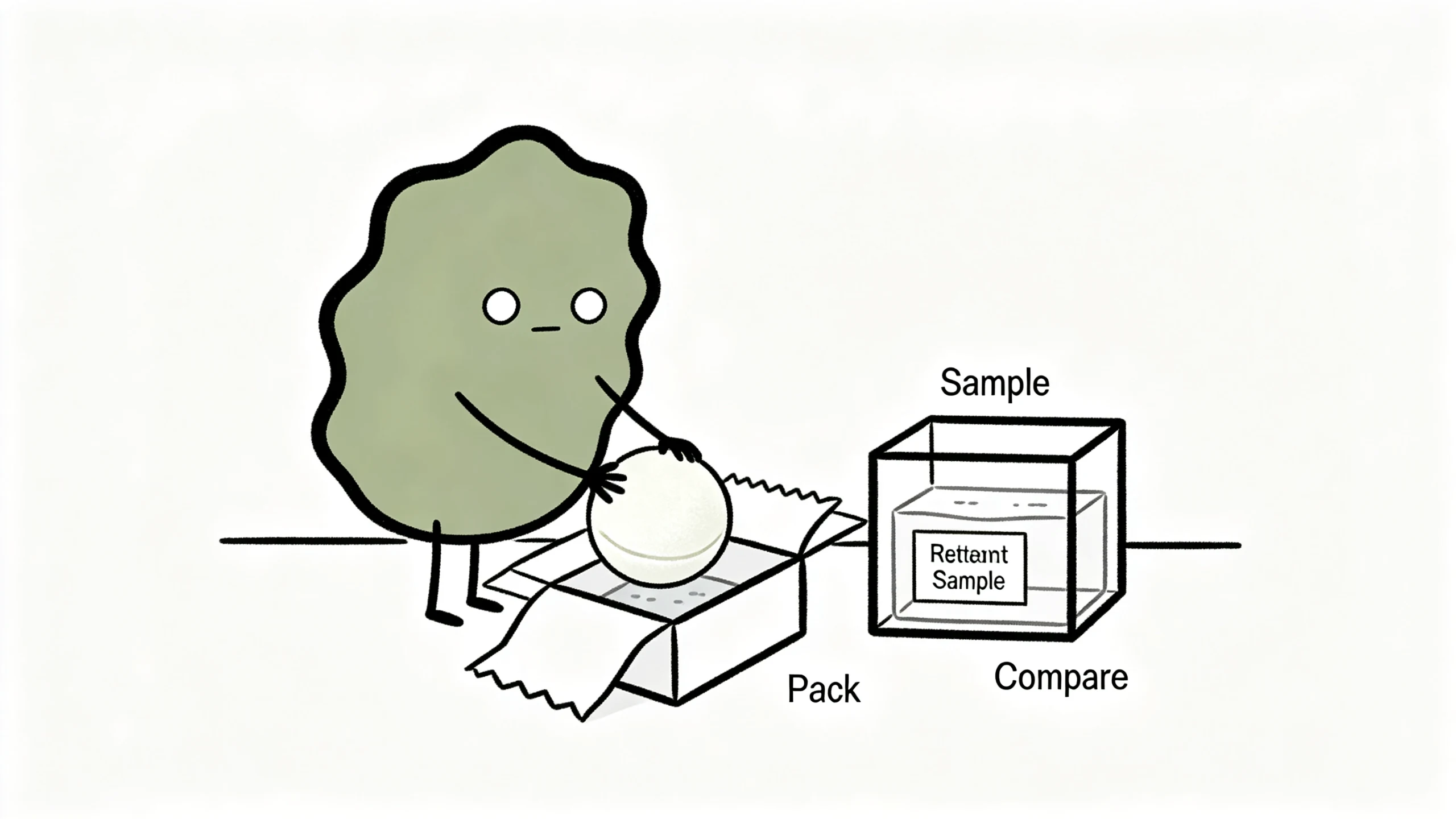
Evaluate a finished bath bomb made with the proposed fragrance, not only a bottle of fragrance or a scent strip. Agree on the sample revision, packaging revision, evaluation method, and decision owner. Keep the approved reference available alongside the new sample, and record the date and conditions of comparison so that another reviewer can understand the result.
Build the inspection around the characteristics your brand has actually specified. These may include appearance before use, fragrance character, visible residue, the intended in-use presentation, wrapping condition, and the condition of the product after an agreed storage observation. Define the method with the supplier and relevant technical reviewer. This article does not prescribe a universal test temperature, storage period, or pass threshold.
For EU projects, Annex I of the Cosmetics Regulation addresses product composition, stability under reasonably foreseeable storage conditions, and relevant packaging characteristics. Those requirements support reviewing the changed finished product rather than relying on its scent alone. See the consolidated Cosmetics Regulation and have the responsible reviewer determine the evidence needed for the proposed change.
Use the actual intended pack when assessing presentation and handling. A loose sample and a wrapped unit answer different procurement questions. Confirm whether a gift carton, insert, printed sleeve, or neighboring product is part of the approval scope. Our bath bomb product page provides a starting point for discussing the product and its packaging together.
Record differences without turning preference into a safety conclusion
A buyer can report that a sample smells stronger, looks different, or leaves the wrapping in a different condition. That observation is useful, but it is not a safety assessment. Separate sensory feedback from document review and technical acceptance. Record who made each decision and what evidence they used.
Use an exception table with the characteristic, approved reference, proposed result, requested action, and owner. Avoid a single overall comment such as looks fine when several issues remain open. If the brand accepts a visible difference, update the reference rather than leaving purchasing to remember an informal conversation.
If the sample fails an agreed criterion, ask for a revised proposal with a new identifier. Do not silently blend feedback from several sample rounds into one approval. A clear revision history helps the buyer identify which combination of fragrance, formula, and packaging was accepted.
Release one documented version to purchasing
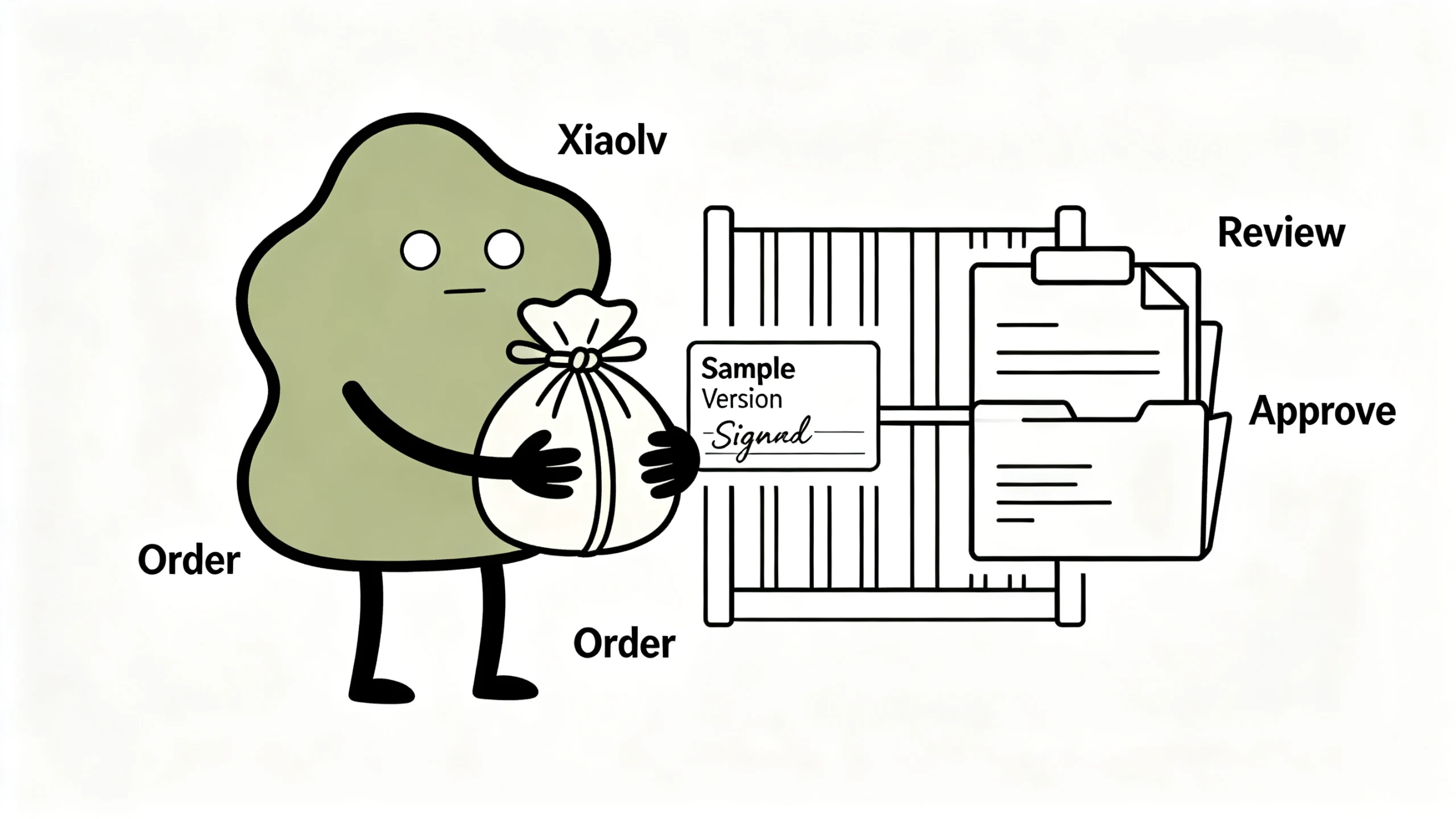
Close the review with an approval record that connects the finished-product revision, fragrance identifier, packaging revision, accepted sample, and applicable document versions. State which purchase orders may use it. If old and new versions will coexist, agree on how they will be identified and how the distributor will distinguish them at receiving.
Ask the supplier to confirm the commercial effect in writing. A replacement may require a revised quotation or a new schedule, but neither effect should be assumed. Request the applicable minimum order, sampling arrangements, packaging availability, and production timing for the approved specification. Use project-specific confirmation rather than copying general website figures into a purchase order.
Keep a retained reference and the approval record accessible to purchasing and quality staff. If an incoming shipment differs from the accepted version, these records give both parties a concrete basis for review. Agree on the escalation contact and handling of disputed stock before the order is released.
What to send with your change-review request
Prepare the existing product code, destination market, current approved sample reference, proposed fragrance change, packaging details, and affected order quantities. List the characteristics that must remain consistent and the differences you are willing to evaluate. Include the person who will approve documents separately from the person who will approve appearance.
Then Request a Quote for the sampling and supply scope you need. NailLegend’s OEM capabilities overview can guide the initial discussion. Final feasibility, documentation, minimum order, and timing should be confirmed against the specific change request before you commit to bulk production.

Leave A Comment