
In a recent Reddit nail discussion, a user described a color that appeared smooth before curing but showed bubbles afterward. Commenters considered layer thickness and lamp compatibility. The thread is a useful signal about the questions buyers should ask; it is not laboratory proof of the cause. A B2B launch should not turn any single comment into a claim about a formula or lamp.
Gel performance belongs to a system: formulation, color, applied layer, substrate, lamp output, placement and exposure schedule. A brand may approve a clear sample and still have a difficult dark or opaque shade. A distributor may test one lamp and ship to salons using several models. The practical response is a controlled sample protocol that can be repeated before a private-label purchase order is finalized.
Write down the combination you are actually selling
Start with the intended base, color and top products, the application method and the lamp models used by your target customers. Record product names and lot numbers, lamp model and age, position inside the lamp, layer count and the operator’s method of applying each layer. A note saying “cured for the normal time” is too vague to compare batches or investigate a complaint. The supplier’s instructions should be the starting point for the test, with deviations documented rather than silently accepted.
Identify colors or effects that deserve separate evaluation. A high-pigment shade, shimmer or magnetic effect can have different visual and application behavior from a sheer color. Do not treat one passing shade as blanket approval for an entire range. Test the actual proposed palette, especially the shades planned for launch and replenishment. Confirm with the supplier whether any shade requires a distinct instruction, layer guidance or lamp recommendation.
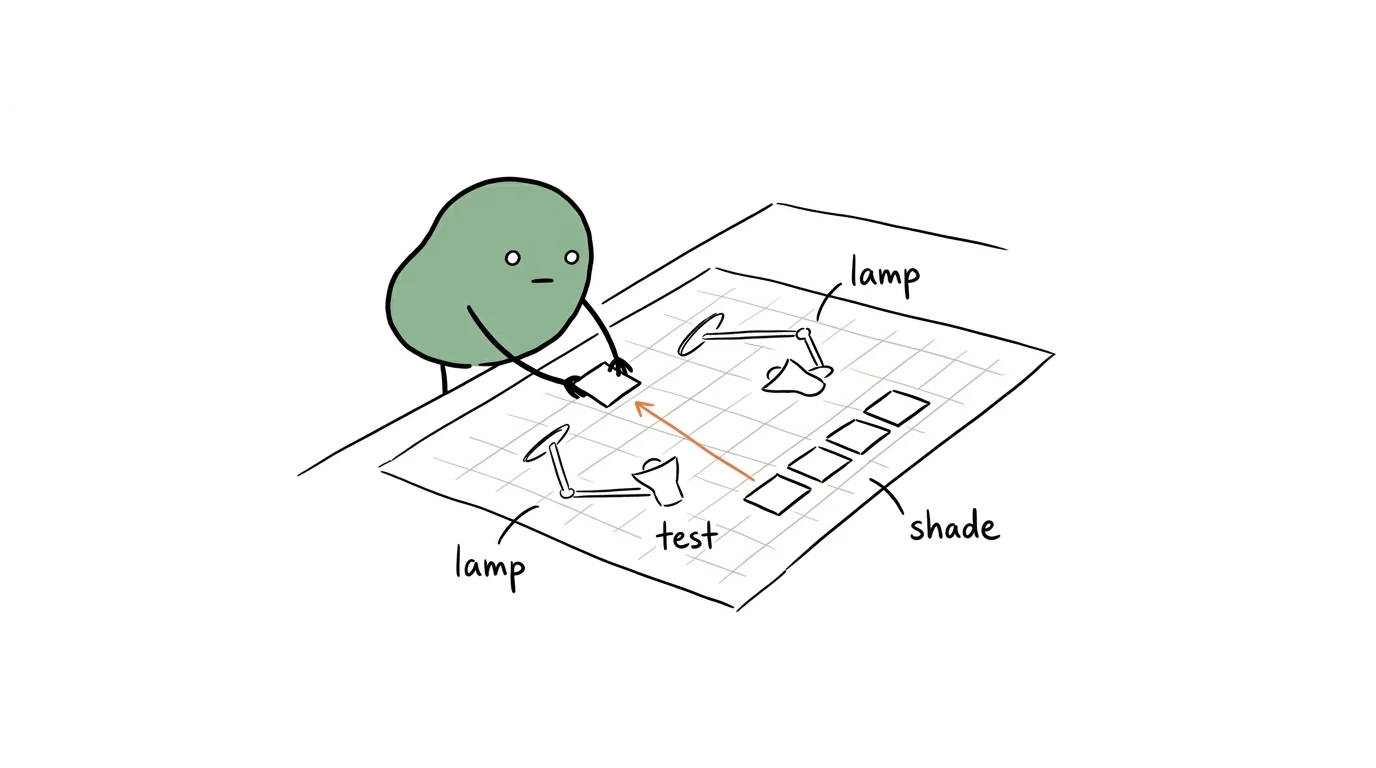
Design a side-by-side sample matrix
Use a simple matrix: shade by lamp by application thickness. Include the supplier’s recommended setup as a reference and then the common setups used by your salons. Use a consistent substrate and trained operator, and prepare repeat samples rather than one dramatic demonstration. Note how the product spreads before exposure, whether it levels evenly and what changes after the manufacturer’s full process is completed. Photograph in consistent light; record defects using predefined words such as bubbles, wrinkling, surface tack or visible separation.
The matrix is not a license to invent a universal cure time. Lamp output and gel chemistry differ, and a surface appearance alone cannot prove through-cure. Ask the formulator or finished-goods supplier what technical validation supports its instructions. If a proposed lamp or layer is outside the supplier’s instructions, do not present that combination as approved simply because it looked acceptable in a quick trial. Escalate it for a documented compatibility decision.
Keep a retained sample for each result and label it with the exact test conditions. When a later production lot behaves differently, this reference is more useful than a photo without a product lot or lamp record. A repeatable matrix also helps the buyer compare suppliers fairly: each candidate faces the same application and observation standard.
Distinguish formula, handling and equipment questions
A bubble after exposure can have several plausible explanations. The product may have been applied too thickly, handled in a way that trapped air, combined with a different base, or exposed using an unsuitable setup. It may also reflect a product issue. The purchasing team should avoid assigning blame before checking the recorded conditions and repeatability. Ask whether the defect follows a specific shade, a specific lot, one lamp, one operator or every tested combination.
Use a decision tree for complaints: isolate the product lot, confirm application records, reproduce under the approved setup, compare against the retained sample and send evidence to the supplier. If an operator changed the lamp or layer method, document that fact without dismissing the complaint. If a defect repeats under the agreed method, stop approving that combination until the supplier has investigated it. This approach protects both buyer and supplier from vague “works for me” arguments.
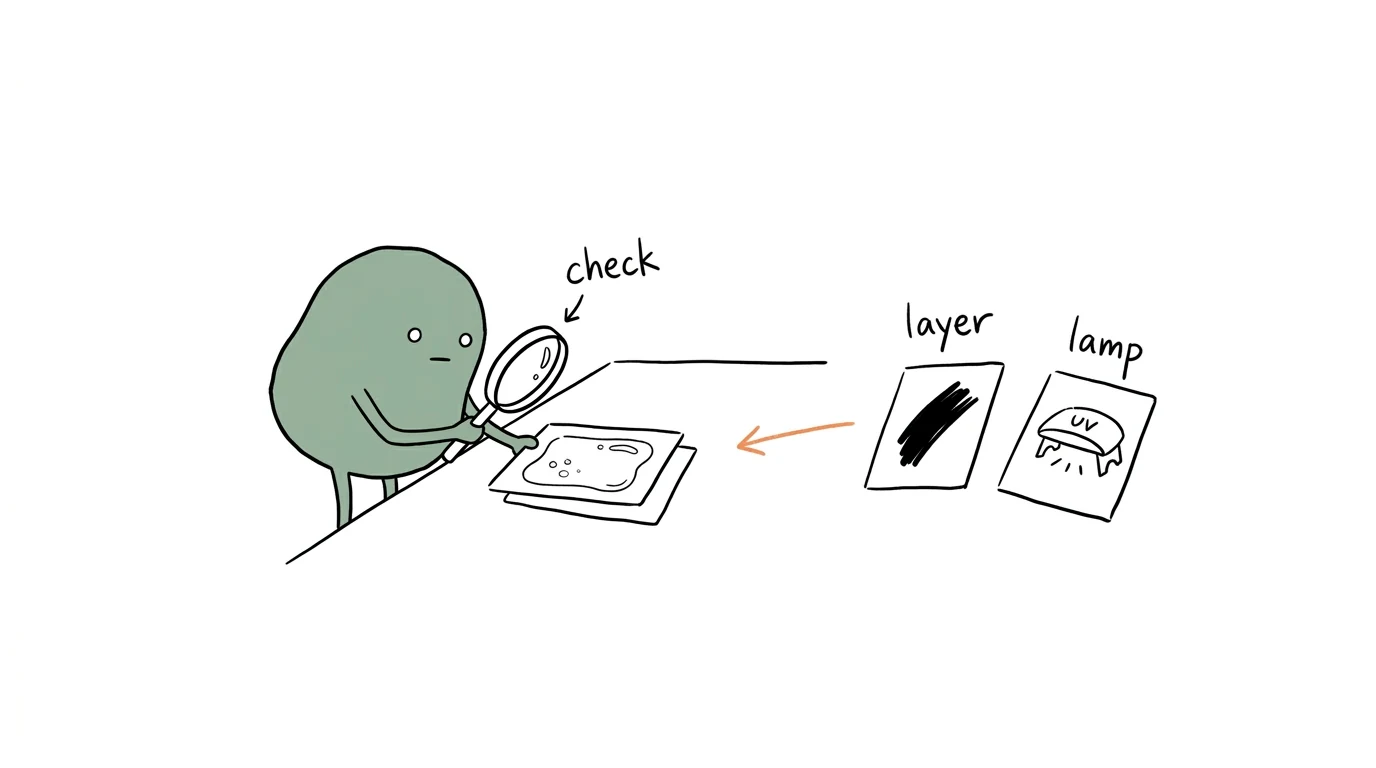
Specify what a shipment must include
For each color, request an agreed shade reference, pack format, lot identification, written application instructions and a defect-handling process. Define acceptable variation with physical samples when possible. Include package integrity and label accuracy in incoming inspection; an excellent gel in the wrong shade or with incomplete instructions is still a failed B2B delivery. If the brand sells a kit, inspect the kit as a unit and confirm that each component’s instructions are compatible.
MOQ, lead time and customization should be quoted by color and pack format. A custom shade may require different development and approval steps than an existing formula with a private label. Do not infer that a sample formula can be scaled without a production validation step. Ask how approval of color, viscosity, bottle, brush and carton will be recorded and who signs off on changes. A change-control record helps prevent the production shipment from drifting away from the approved sample.
Related reading on our site covers effect-pigment quality control, magnetic gel private-label planning, soft gel tip system sourcing and supplier due diligence. Those pages can support the broader brief, while the test matrix here focuses on the specific gel-and-lamp decision.
Make salon feedback useful to the next purchase
During a pilot, give technicians a short feedback form that captures shade, lot, base and top, lamp, layer count, application observations and any rework. Make the form easy to complete during normal service. Collect both passing and failing results so the team does not build a distorted view from complaints alone. Review patterns at the combination level rather than reporting that “the gel bubbles” without context.
Share confirmed findings with the supplier before expanding distribution. Update instructions only after the revised combination has been tested. Avoid promises that any gel is universally compatible with every lamp, and avoid unsupported safety conclusions based on appearance. The useful commercial promise is a documented specification and a process for handling exceptions.
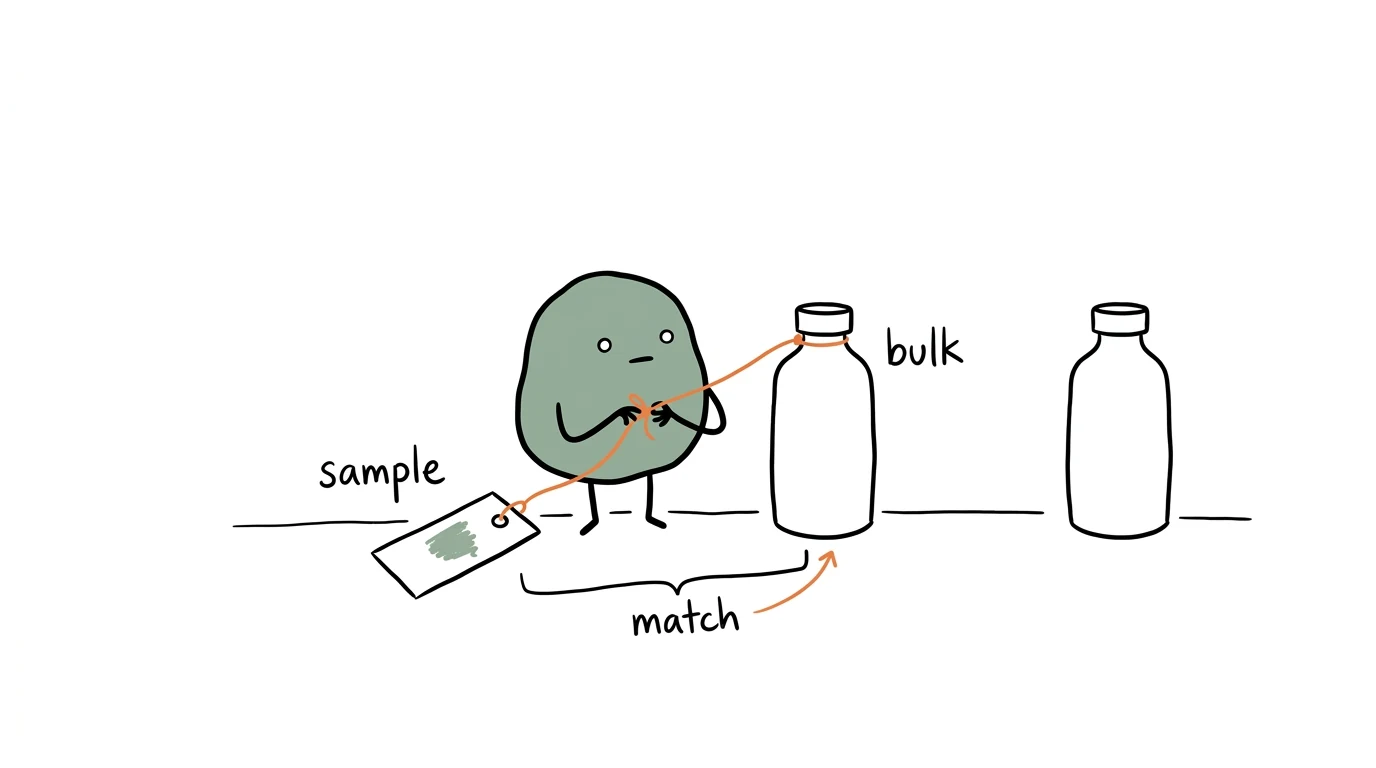
What to send when requesting a quote
State the desired shade family, expected order range, bottle and brush preference, private-label packaging, target markets and the lamps common in your customer network. Ask for samples, written use instructions, batch traceability and the supplier’s proposed test protocol. Separate confirmed specifications from requirements that are still under feasibility review. If a buyer needs a coordinated gel and tip system, request both components in the same discussion.
To review a private-label gel brief, Contact Us or Request a Quote. Share your intended colors, packaging, MOQ target and lamp-testing plan. A documented sample trial gives your team a firmer purchasing basis than a single attractive swatch or an online anecdote.


Leave A Comment