
A recent Reddit discussion about excess gel beneath a first set of soft gel extensions illustrates a common handoff problem: the customer sees the finished manicure, while the brand, distributor and salon each control only part of the result. One account cannot establish how often this happens, and a photograph cannot diagnose whether a material is cured. It can, however, help a B2B buyer ask better questions before ordering tips, bonding gel and training materials together.
For a buyer, underside quality is a system question. Tip geometry, product viscosity, the amount dispensed, positioning pressure, lamp compatibility and operator training interact. A promising sample should be evaluated as a repeatable workflow rather than judged only by a glossy top view. The following checklist is designed for private-label teams, distributors and salon groups comparing proposed soft gel tip systems.
Define the underside acceptance standard before comparing suppliers
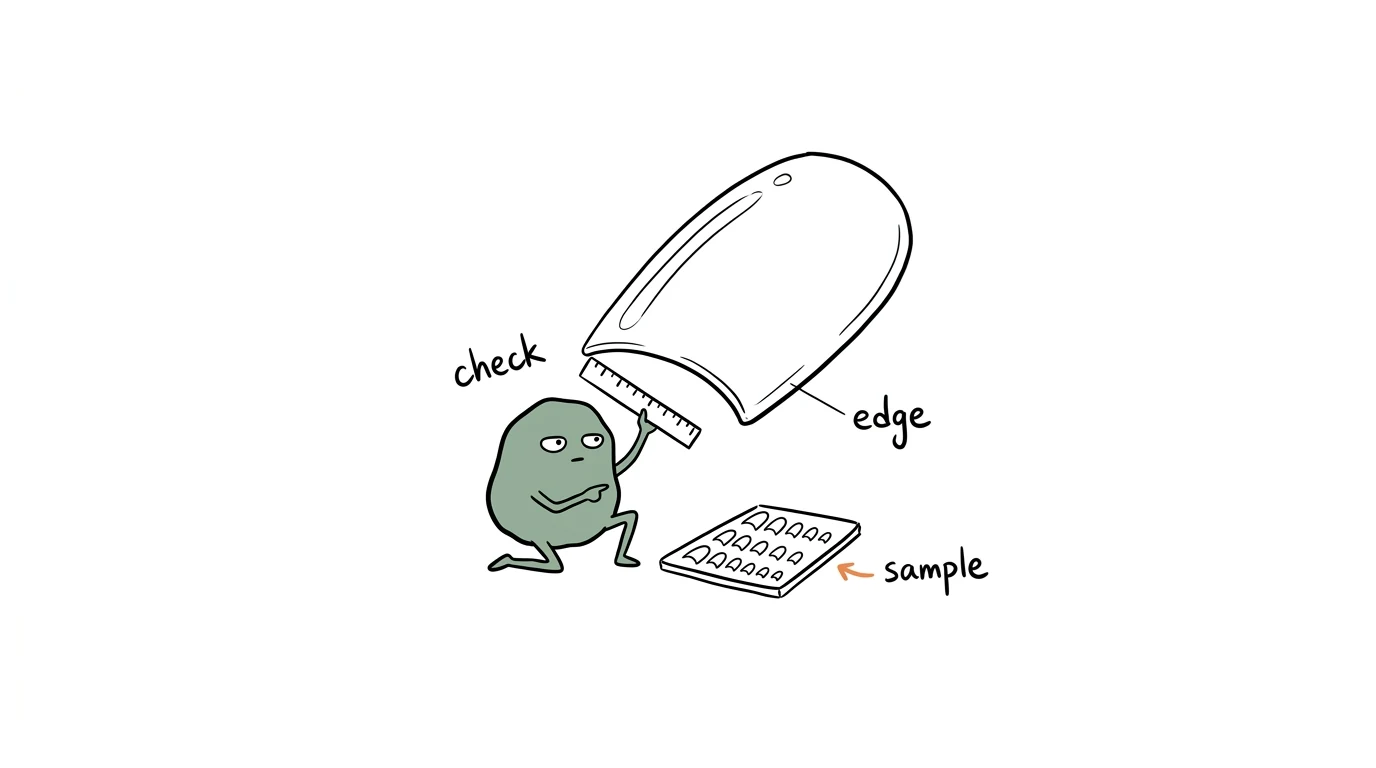
Ask the supplier for a sample set across the intended size range and document what a passable underside looks like for your own application method. Record the permitted location of bonding material, edge finish, fit at the free edge and any visible overflow. Use clear photographs from the top, side and underside, with the same lighting and distance. Avoid turning a single attractive marketing image into an acceptance criterion. A specification should explain what an inspector and a trainer can actually observe.
Include at least a few nail shapes and lengths that are difficult for your target salon network. A tip that looks tidy on one flat practice nail may behave differently on a curved or wider nail. If the system needs a specific application quantity or pressure, request a written procedure and a practical demonstration. Keep the approved tip sample, adhesive sample and application notes as a matched reference set.
Separate component quality from application quality
When excess material appears under an extension, it is tempting to blame the adhesive alone. That conclusion is premature. Check tip sizing first, then dispense volume, angle of placement and the point at which pressure is released. A technician may have a good product but a poor process; a careful technician may also struggle with inconsistent tip geometry or an adhesive that is difficult to control. The supplier evaluation should make both possibilities visible.
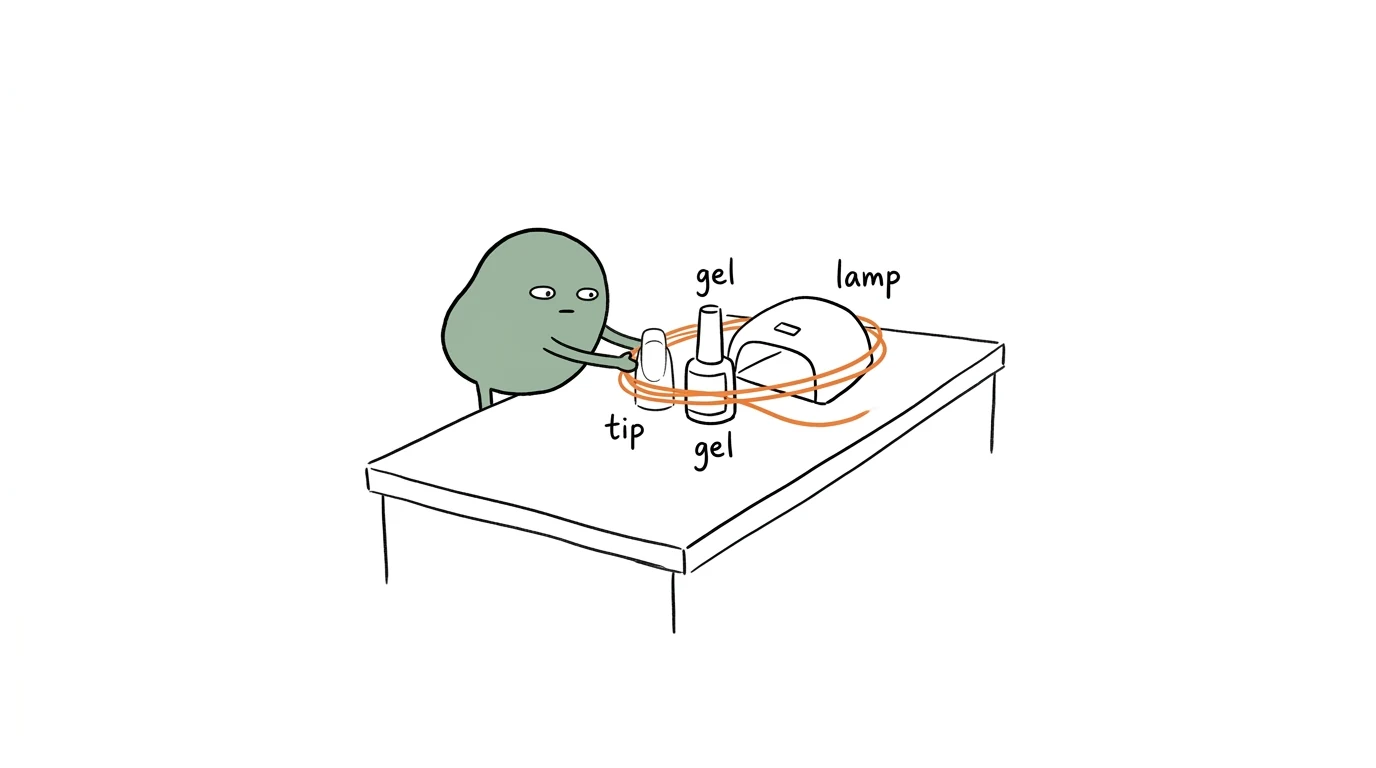
For a controlled trial, use the same trained operator, the same lamp, identical preparation steps and several tip sizes from each candidate system. Photograph every result before additional filing. Log the amount of gel used with a repeatable method, such as a marked dispensing tool or a weighed sample, rather than relying on memory. Document any clean-up needed beneath the free edge. This does not replace professional safety assessment, but it prevents the purchasing team from approving a system because one demonstration happened to go well.
Ask whether the supplier can provide a compatible system recommendation and written use instructions. If a seller proposes combining components from different brands, require an explicit compatibility rationale and a test plan. The cost of a tip is only one part of the purchase; training time, rejected applications and customer remediation also affect the decision.
Test curing as a system, not a timer setting
A visible bead of gel does not by itself reveal its degree of cure. Conversely, a dry-looking surface is not proof that the full application has cured under every condition. Brands should specify the exact gel, tip, lamp model, light condition, placement and exposure schedule used in their evaluation. Test the combinations that operators will actually use. When changing pigment, thickness, lamp or tip design, revisit the validation rather than assuming the earlier setting transfers automatically.
Request the supplier’s technical instructions and any available evidence for the recommended lamp and exposure combination. Record how the team handles a suspect application: stop the service, follow the product maker’s removal or remediation instructions and refer medical questions to a qualified professional. Do not promise that a visual inspection can rule out sensitization or that an unverified combination is safe. A conservative documented procedure is more useful to a salon chain than an unsupported reassurance.
Build an incoming inspection that matches salon reality
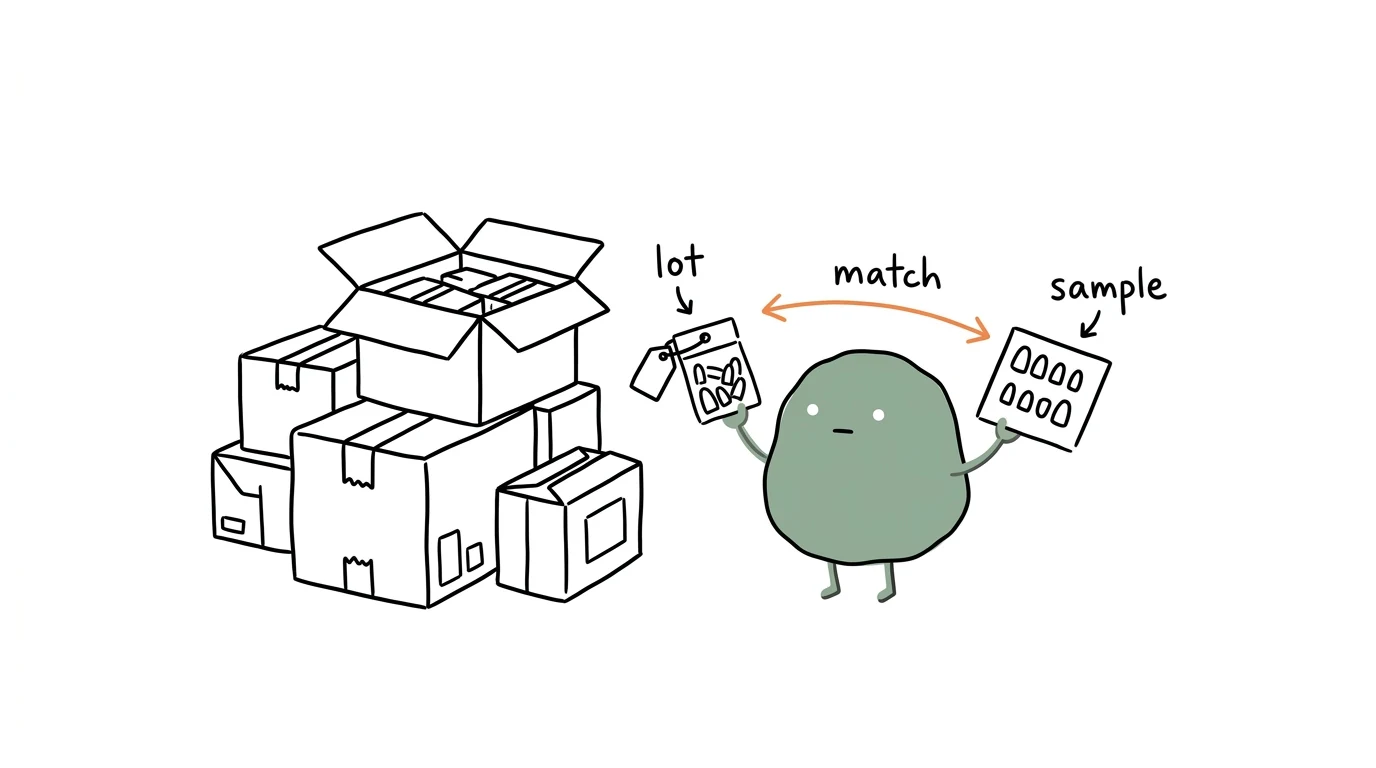
Incoming inspection should compare delivered goods with the approved reference: tip size distribution, shape, thickness consistency, clarity where required, edge finish, packaging integrity, lot identification and written instructions. Select samples from more than one carton position. A lot that passes a quick look at the top layer can still contain inconsistent sizes or damaged packs deeper in the shipment. Agree in advance on a sampling method and a disposition rule for nonconforming goods.
Ask the supplier to identify which characteristics are controlled in production and which must be checked by the buyer. Keep supplier documents linked to a lot number. If a salon reports repeat underside problems, this trail lets the team distinguish a localized training issue from a shipment pattern. It also creates a more useful conversation with the manufacturer than an unsorted folder of customer photographs.
For wider sourcing context, compare this checklist with our full-cover soft gel tip wholesale guide. Related decisions include the salon brush assortment, a documented gel color quality-control process and a broader supplier due-diligence review. Each document answers a different part of the purchasing decision.
Use a short pilot before a network-wide launch
Choose a small set of trained locations and capture the same data for each application: product lot, tip size, gel lot, lamp, operator, visible underside result, rework and customer follow-up. Define a pilot duration and an escalation owner before launch. The goal is to learn whether the proposed system can be repeated under normal operating conditions, not to generate a perfect promotional gallery. When a problem occurs, retain the physical samples and process record.
A good purchase order can then refer to the approved sample, written specification, packaging format, lot identification, training material and agreed inspection procedure. Discuss MOQ, lead time, packaging and customization separately for each component. Those terms can differ between tips, gel and retail or professional kits, so request a written quote rather than assuming one MOQ applies to the whole system.
Questions to put in the supplier brief
Describe your target customer and service workflow, intended tip shapes and lengths, the gel and lamp you plan to use, whether the pack is professional-only or private label, and the markets where it will be sold. Ask for samples by size, operating instructions, recommended compatibility conditions, lot traceability, packaging options and a procedure for handling complaints. Include photographs of both acceptable and unacceptable underside results, but label them as your proposed standard until the supplier confirms feasibility.
The strongest B2B decision is not the claim that one product can never create a messy underside. It is a documented system that allows the brand to set expectations, train technicians, inspect shipments and investigate exceptions. To discuss a soft gel tip brief, Contact Us or Request a Quote with your intended sizes, annual volume, packaging format and sample requirements. NailLegend can confirm which specifications and customization options are feasible before any production commitment.



Leave A Comment