
Consumers often ask for a body lotion that smells like a luxury spa or hotel, or for a feminine scent that is pleasant without smelling traditional or irritating sensitive skin. For a brand owner, hotel amenity buyer or spa distributor, those comments are a demand signal, not a formula and not a wear-time claim. A leave-on lotion carries fragrance differently from a body mist, so do not write “all-day” performance into the brief without a defined test.
This guide covers how to describe scent character and strength, how to run a comparable wear test, and which fragrance safety and labelling checks to complete before you approve a formula. It is not a climate or texture brief for a lightweight humid-market lotion, and it is not a body-mist longevity project.
Start with scent character, not a wear-hour claim
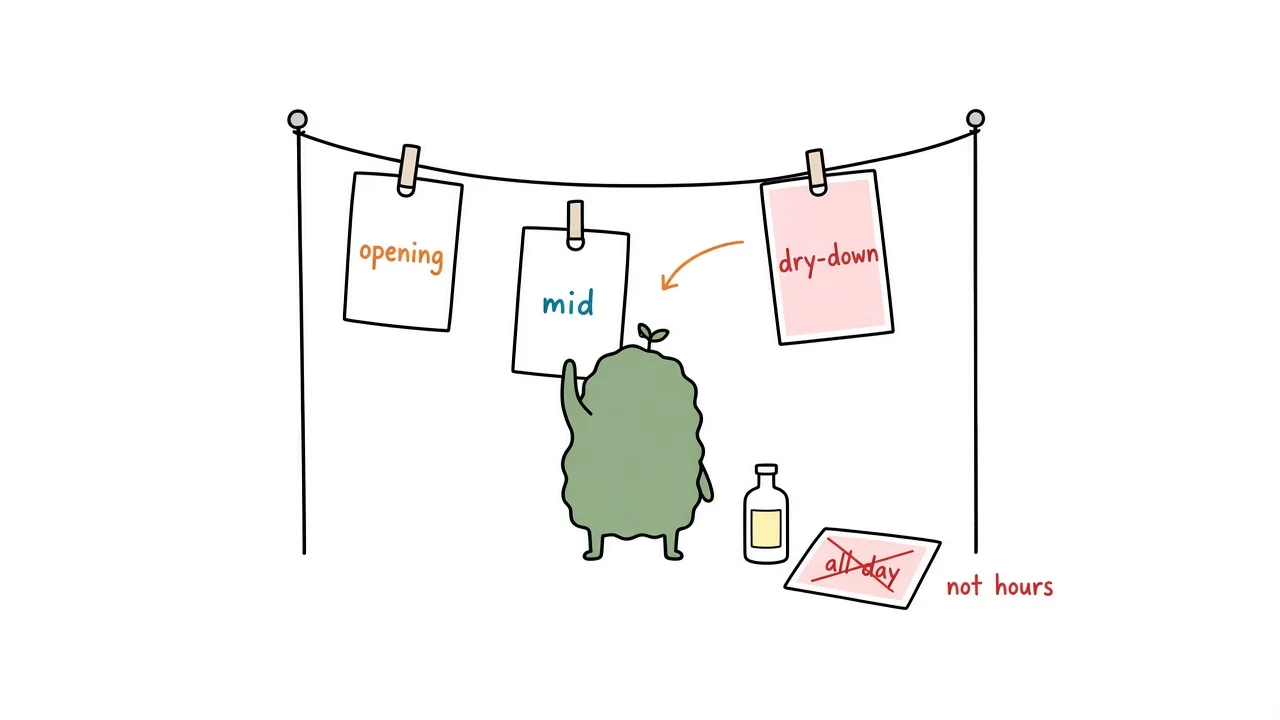
Fragrance wear depends on the formula, the dose, the pack, the skin, the climate and how the product is used. A brief that only says “spa scent that lasts all day” leaves the manufacturer guessing. Begin with scent character and the use situation:
- Olfactive direction. Describe families you want (for example clean, fresh, light herbal, soft floral or woody) and notes you want to avoid (for example heavy gourmand or a named retail benchmark you do not want to copy).
- Use occasion. A hotel amenity, spa treatment finish, daily retail lotion or backbar massage lotion will tolerate different intensity and dry-down.
- User, market and pack. “Feminine” or “unisex” should be translated into scent character. Sensitive-skin lines may need a milder load or a fragrance-free SKU. Pumps, tubes, gallons and kit minis also differ in fragrance release and in label area for allergen names.
If the lotion will also be used in professional massage, say so. Our comparison of massage lotion vs oil vs cream helps with format choice, but a daily or amenity fragrance brief should still be written separately.
Turn “spa” or “hotel” into a reference you can sample against
Words such as “luxurious spa” are not specifications. Give the manufacturer a direction they can match without copying a third-party brand:
- a short scent story (top, mid and dry-down in plain language);
- two or three acceptable reference directions, and at least one direction to avoid;
- whether the scent should read as a light clean or herbal spa note, or as a richer treatment-room scent;
- whether unscented or low-scent versions are required for the same base, and whether the same family must appear later in other products.
Ask for an original fragrance or an existing compound that you have the right to use, not a copy of a named retail scent. If you already have a fragrance oil, send its documentation with the brief rather than a retail bottle.
How to run a fragrance wear test you can compare
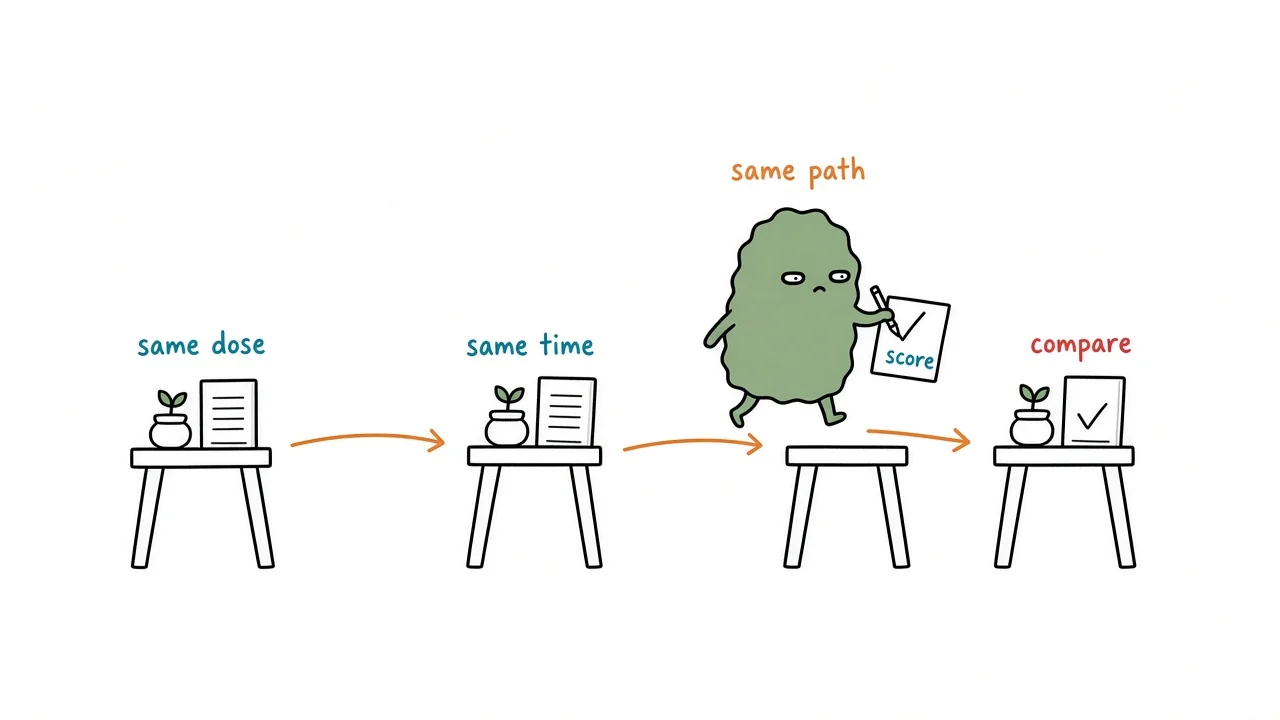
Wear should be observed, timed and recorded. Agree the protocol before samples are shipped, and use the same method on every variant:
- Controlled application. Apply a measured amount to a defined skin area (for example inner forearm) and, if useful, to a blotter. Record the dose and the room conditions.
- Character checks at set times. Score opening, mid and dry-down (for example at application, 30 minutes, 2 hours and 4 hours) with the same assessors and vocabulary. Do not convert those checkpoints into an “all-day” claim.
- Strength, not only liking. Rate intensity, and note whether the scent becomes sharper, flatter, sweeter or soapy as it dries. A scent can remain detectable and still be the wrong character.
- Interaction with the base. Check whether the lotion’s own odour, preservative or botanical oils change the fragrance after a few days in the pack.
- Keep forum comments out of the claim file. They can explain demand; they are not evidence of wear time or of hypoallergenic performance.
If you also sell a body mist, keep that test separate. Sprays do not wear like a leave-on emulsion. See our note on private-label body mist longevity testing; do not reuse mist results to support a lotion claim.
Set strength, load and skin feel as sample targets
Fragrance load, the emulsion and residual film all affect how strong a lotion smells in the bottle, on first rub-in and later on skin. Ask the supplier for a proposed use level for the intended product type, and for confirmation that it is compatible with the emulsion, the preservative system and the pack. Then judge samples against observable targets:
- in-pack odour when the closure is first opened, then scent during application and after absorption;
- whether a noticeable hotel-bathroom sillage is wanted, or a quieter skin scent for daily wear;
- texture, residue, colour and appearance after the fragrance is added, because some compounds can shift shade or leave a film you did not intend.
Texture still belongs in the brief. For hot or humid markets, keep climate and lightness in a separate specification; our body lotion OEM brief for humid markets covers that work. For emulsion and pack options, see our massage lotion private label manufacturing page and the massage lotion range.
Check IFRA, allergen labelling and claims before you lock artwork
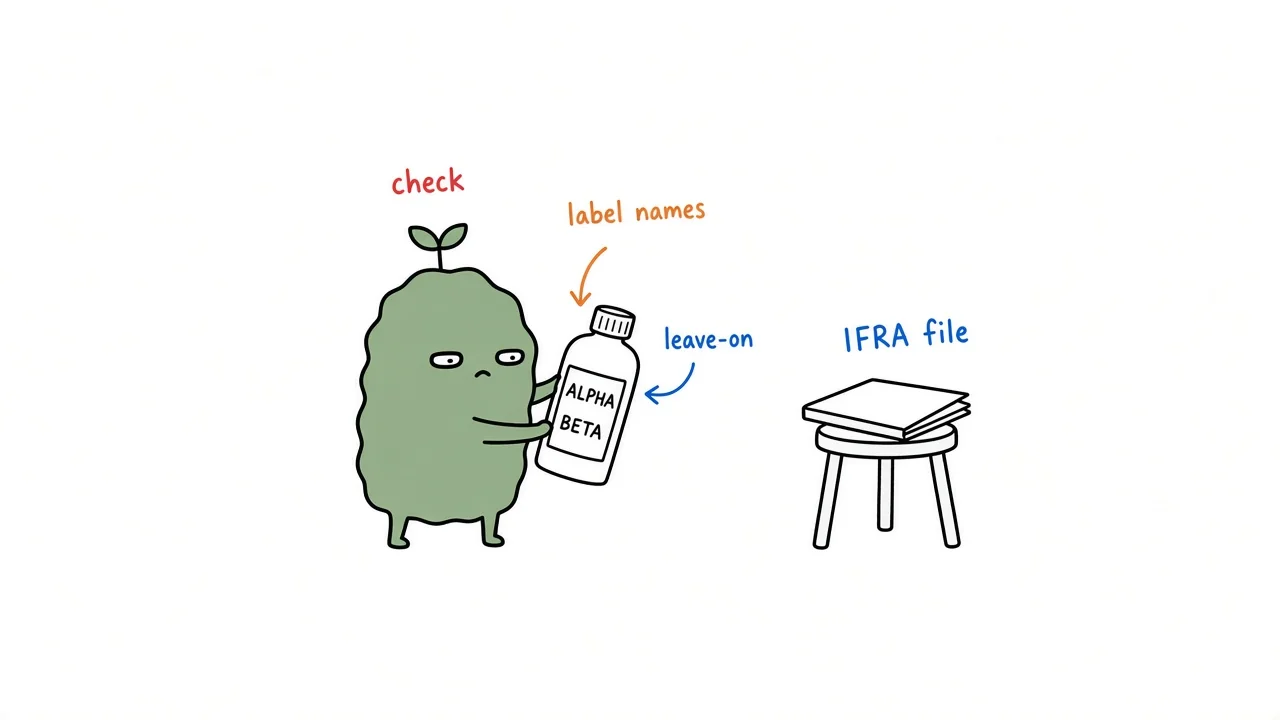
Fragrance safety and labelling are not the same task. The International Fragrance Association (IFRA) publishes IFRA Standards that restrict or ban certain ingredients and set maximum use levels by product category. IFRA describes the Standards as a globally recognised risk-management system. They are mandatory for IFRA members under the IFRA Code of Practice, but they do not replace the laws of the country where the lotion will be sold. Ask for a certificate of conformity to the current IFRA Standards for the intended product category and the actual use level in your lotion, and keep that file with the formula.
In the European Union, individual labelling of fragrance allergens is a legal requirement, not an IFRA certificate. Commission Regulation (EU) 2023/1545 amended Annex III to Regulation (EC) No 1223/2009. The European Commission states that an Annex III fragrance allergen must be named in the ingredient list when it exceeds 0.001% in leave-on products or 0.01% in rinse-off products, that from 31 July 2026 non-compliant products may no longer be placed on the EU market, and that products placed on the market before that date may continue to be made available until 31 July 2028 (European Commission: fragrance allergens labelling). A spa or hotel body lotion is leave-on, so the lower threshold applies. Plan enough label space, and keep the product information file consistent with the approved formula.
In the United States, the FDA explains that fragrance ingredients in a retail cosmetic may be listed collectively as “Fragrance” (FDA: Fragrances in Cosmetics). The Modernization of Cosmetics Regulation Act of 2022 (MoCRA) also directed FDA to establish fragrance allergen labelling requirements, so confirm the rule that applies on your launch date. Intended use still matters: a lotion marketed to moisturise and impart scent is generally a cosmetic, but therapeutic fragrance claims (for example that a scent helps a person sleep or eases aches) can cause the product to be treated as a drug, or as both (FDA: Is It a Cosmetic, a Drug, or Both?).
Agree in writing which tests and documents are included in the quote. IFRA files, allergen breakdowns and stability of the scented formula are easy to leave out of a low quote. Our guide to body care testing quote scope helps you compare those deliverables.
What your spa-scent body lotion OEM brief should contain
Before you ask for samples, send a one-page brief covering:
- product concept, use occasion, channel and target markets;
- scent character, references to follow or avoid, and whether a fragrance-free variant is required;
- wear-test method and scoring, without a predetermined hour claim;
- texture, absorption, appearance, pack format, fill size, closure and label area for allergen names;
- documents you need (INCI, allergen listing, IFRA certificate, SDS and market-specific files);
- forecast quantities per SKU and launch timing. MOQ depends on product, formula, packaging, fragrance and quantity per SKU; see our article on MOQ for private label beauty products.
Working with NailLegend on scented body lotions
NailLegend is a B2B wholesale, white label, private label and OEM supplier for spa and personal care, with more than 10 years of manufacturing experience and customers in over 40 countries. Our body care range includes massage lotions, body butters, oils and related spa products. For a spa-scent body lotion, we review the fragrance direction, emulsion, pack and required documents before quoting, and we do not promise wear hours or certificates we cannot support. Regular production usually takes 25–35 days after samples, design, order and payment terms are confirmed; custom development and shipping are additional.
Browse our spa product line and OEM capabilities, then send your brief.
Next step: Request a Quote with your spa-scent lotion brief, Contact Us to discuss wear tests and packaging, or ask to Download Catalog information for our lotion and spa range.


Leave A Comment