
A recent Reddit discussion about a body mist that seemed to fade quickly contains a familiar product-development problem: “long lasting” means different things to different people. The comments include layering suggestions, but the thread is an individual experience, not a performance study. A private-label buyer should convert that signal into measurable expectations and a disciplined sample process before using any longevity language on a carton or product page.
Body mist buyers work across formulation, scent design, packaging and claims. A fragrance that smells appealing in a sample vial may perform differently from a finished spray pack. A heavier body lotion or oil can change the user’s experience, but that should be tested rather than assumed. The brief below helps brand owners, spa distributors and sourcing teams separate sensory preference from evidence they can defend.
Define the product’s intended use before writing a claim
Is the product a light refresh spray, part of a layered body-care set or a stronger fragrance format? Decide which use case is intended and describe it in plain language. A light mist may be designed for reapplication; a premium layered collection may emphasize coordinated scent across lotion and spray. These are different product concepts and should not share the same claim by default. Write a draft claim only after identifying the actual formula, package and intended market.
Ask for a fragrance brief that specifies the scent family, undesirable notes, acceptable variation and the intended use conditions. Keep subjective words such as “fresh” or “warm” distinct from claims about hours of wear. If the brand wants a numeric longevity statement, ask what test design and documentation would support that statement in the target market. A supplier’s verbal assurance or a few positive comments cannot replace a substantiation plan.
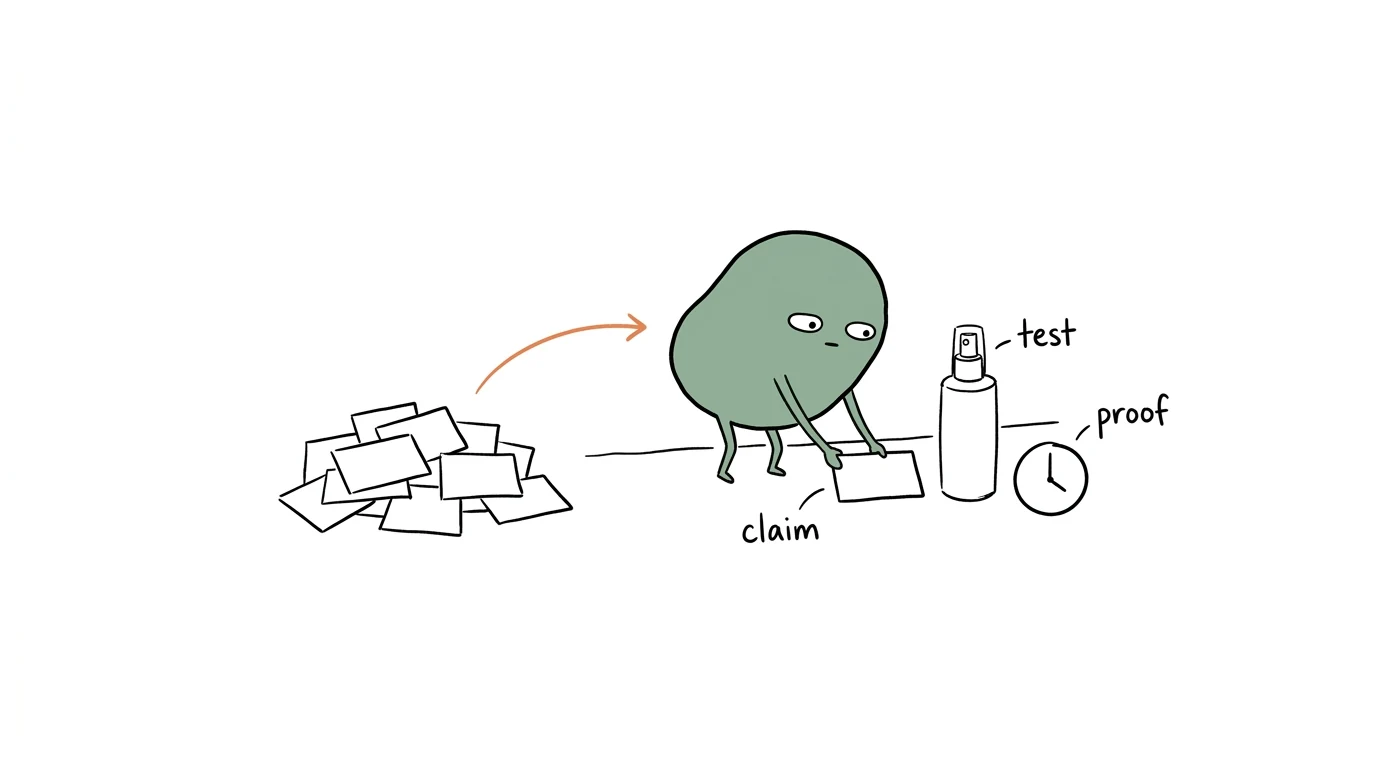
Run a blinded sample comparison
For early screening, prepare coded samples in identical packaging and test them under consistent conditions with a defined panel. Record initial impression, scent character after set intervals and any off-note or irritation report. Note the environment, application amount and whether the test is on a blotter, fabric or skin. These methods answer different questions, so do not mix the results into one score. A panel should include the intended user group where feasible, not only the development team.
Use a simple rating form that asks what the tester actually perceives rather than leading them toward the preferred answer. Record both the proportion who can detect the scent and qualitative changes in the note profile. Repeat the comparison if a candidate advances, ideally with a new sample batch. When discussing skin testing or claims, use appropriate professional and regulatory review for each market. The aim is not to turn an internal sniff test into a clinical claim.
Compare the finished pump spray, not only a laboratory sample in a jar. Spray delivery affects the amount and distribution of product. If a pack changes during development, repeat relevant evaluations. Keep retained samples of the approved formula and finished pack, with lot and version numbers attached.
Test layering as a separate product concept
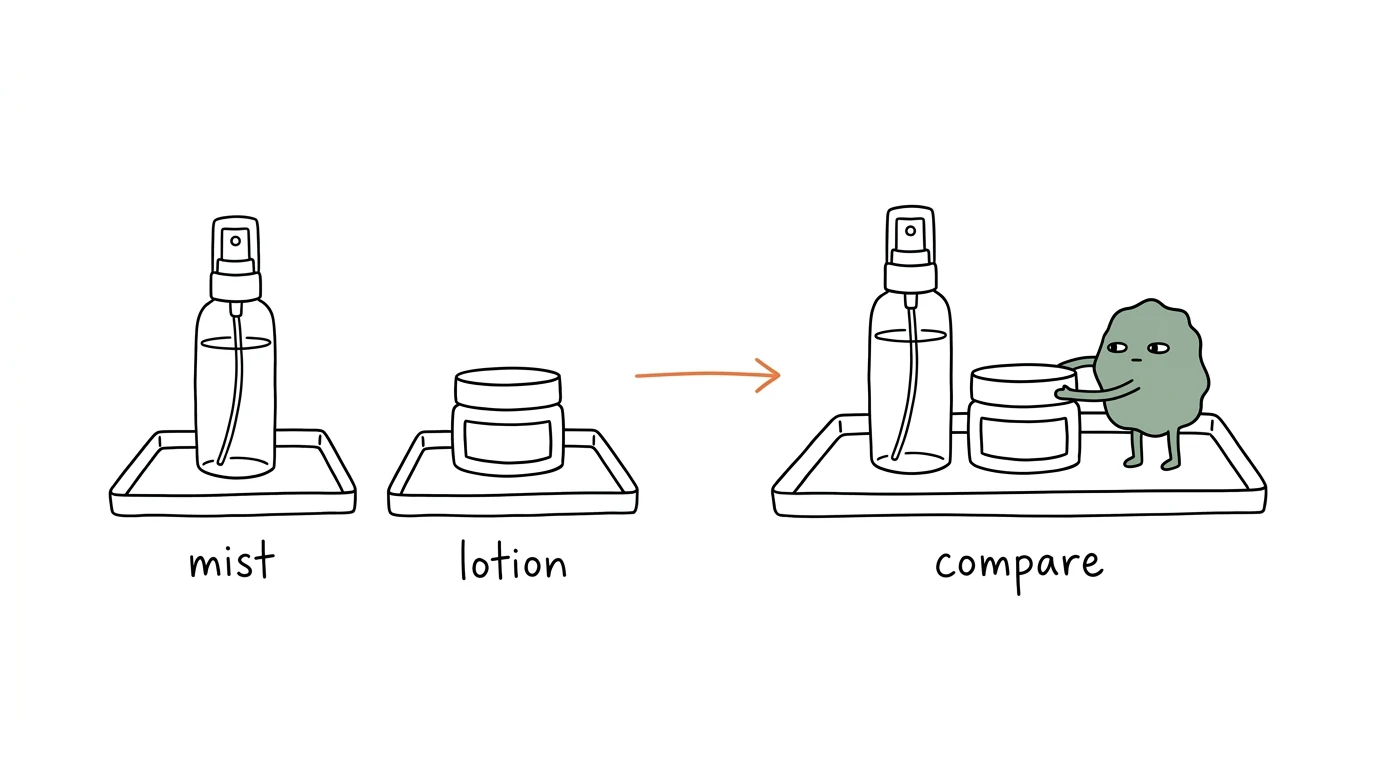
The Reddit discussion included suggestions to layer a mist with lotion or oil. That could inspire a coordinated B2B assortment, but it does not prove that a particular pairing extends wear. If a brand plans to sell a matching lotion, compare mist alone, lotion alone and the intended combination under the same documented protocol. Consider whether the base product changes scent character, appearance or user comfort. Keep the result tied to the exact formulas tested.
For spa and wholesale buyers, coordinated scent can also affect inventory planning. A matching set means separate MOQs, lead times, labels and replenishment rates. Do not order equal quantities automatically. Use the expected use rate and pilot sell-through to set a first order, and ask the supplier about packaging options and changeover constraints. A layered collection should be commercially coherent as well as pleasant to use.
Check packaging, stability and label fit
Fragrance materials and solvents can interact with a pump, gasket, printed surface or container. Ask the manufacturer for a compatibility and stability plan using the final formula and final pack. Inspect leakage, spray pattern, evaporation, discoloration, label adhesion and scent change over the proposed shelf-life study. Agree on the tests, storage conditions and acceptance criteria before approving bulk production. A sample that smells right on day one may still be unsuitable in the chosen bottle.
Review transport packaging and carton protection as part of the same decision. Sample shipping can hide problems that appear only in a larger case pack, so test the intended shipper. Make sure the label reflects the final ingredient list and claims approved for each sales market. Where regulatory language is involved, request qualified review rather than copying wording from a competing brand.
Our related guides cover starting a private-label spa brand, body-butter sourcing, body and massage oil sourcing and lotion, oil and cream assortment choices. These are useful when the mist is part of a broader body-care line.
Make the development brief decision-ready
For each candidate, capture formula version, fragrance version, finished pack, target scent description, panel method, observations at chosen intervals, stability status, label status and unresolved issues. Mark whether the candidate is rejected, needs revision or is approved for a pilot. Keep a record of who approved the change. Without version control, teams can accidentally approve one scent and order a slightly different formulation or pump.
When asking for commercial terms, specify projected volume by SKU, bottle size, dispensing format, carton, customization level and required documentation. MOQ and lead time can change with formula and packaging choices; request the supplier’s actual written terms. If NailLegend is asked to quote a format outside its current scope, feasibility should be confirmed before any capability is promised.
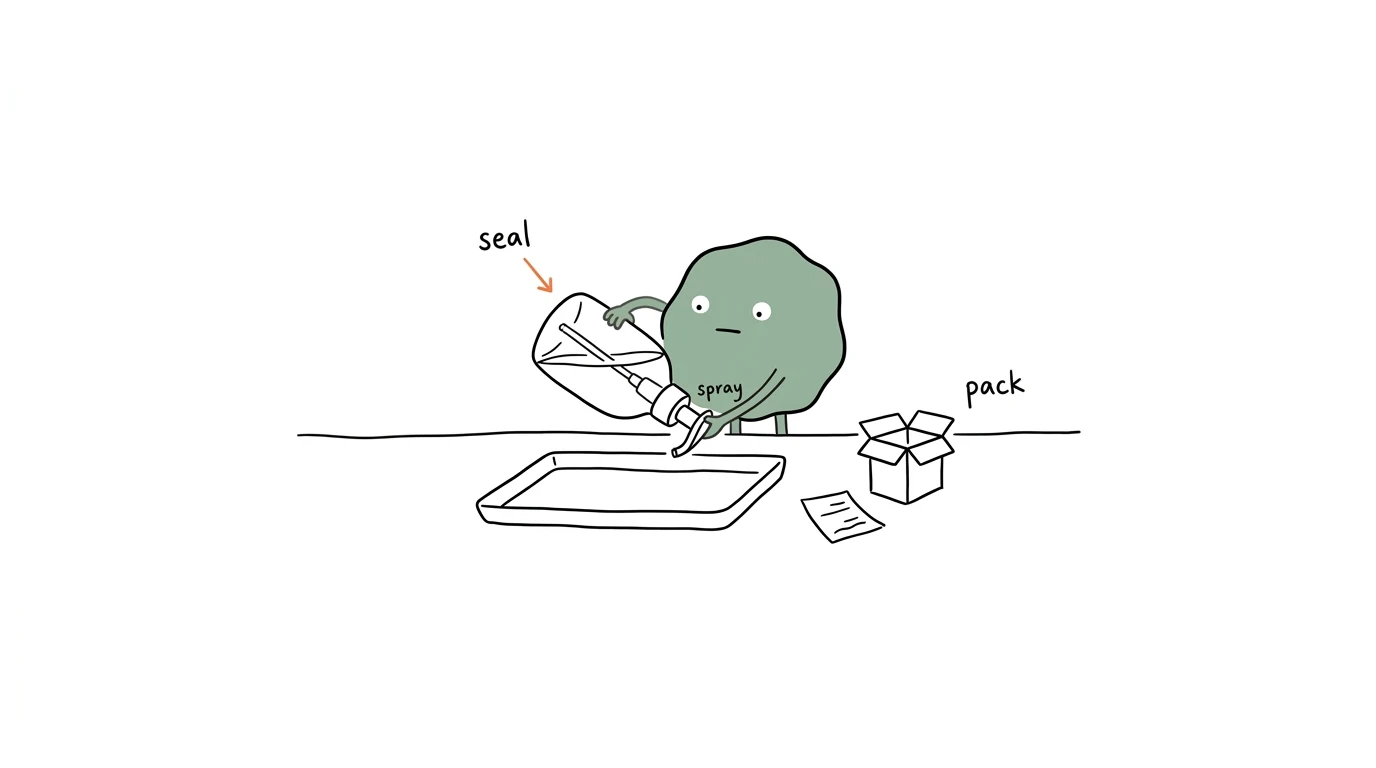
Ask for proof that matches the promise
A useful private-label brief does not ask a manufacturer to “make it last all day” without defining what that means. It specifies the desired scent experience, format, target use case, testing method and claim standard. It treats individual online complaints as hypotheses and checks the proposed solution in the actual finished product. That discipline reduces the chance that marketing and product development commit to different outcomes.
To explore a body-care assortment or a potential body mist project, Contact Us or Request a Quote with your target markets, intended volume, pack format and sample brief. We can discuss feasibility and the information needed for an evidence-based product decision.



Leave A Comment