
Consumers in warm, humid climates often describe the same frustration: body lotions that feel heavy, sticky or greasy by midday, and “treatment” lotions that promise more than they can deliver. On skincare forums, people ask for lightweight body care routines that work in the heat, and for affordable lotions with active ingredients such as retinol. For a brand owner or distributor, those posts are a demand signal, not a formula. The work of turning that signal into a product starts with a clear OEM brief.
A good body lotion brief saves sampling rounds, keeps quotes comparable and stops a project drifting into claims the product cannot support. This guide walks through what to specify for a lightweight body lotion aimed at hot, humid markets, and which regulatory points to check before you approve a sample.
Start with the user, climate and channel, not the ingredient list
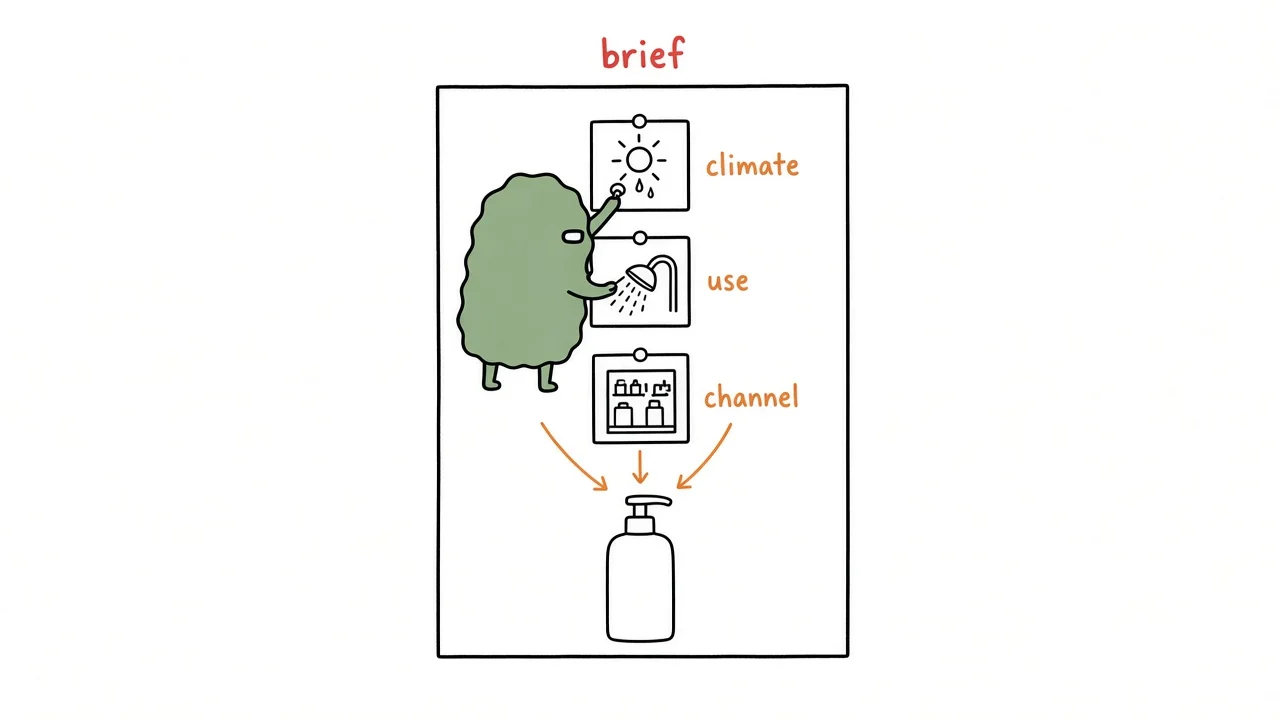
Many briefs begin with a list of hero ingredients. It works better to begin with who will use the lotion, where, and how it will be sold. These answers shape texture, preservation and packaging more than any single active:
- Climate and season. High heat and humidity push towards lighter oil phases, faster absorption and less occlusive film. Storage temperatures in warehouses and shops also affect stability targets.
- Use occasion. After-shower daily lotion, post-sun lotion, hand-and-body lotion for salon retail, or a spa backbar lotion all need different skin feel and pack sizes.
- Channel. Retail shelves, e-commerce, hotel amenities and spa backbar have different expectations for pack size, closure, label space and shipping robustness.
- Target markets. The US, EU, UK and other markets apply different ingredient restrictions and labelling rules, which can change the formula itself.
If you are still deciding between lotion, oil and cream formats for a professional setting, our comparison of massage lotion vs oil vs cream explains how texture and glide differ across formats.
Translate “lightweight” into measurable sample targets
“Lightweight” and “non-greasy” mean different things to different people. Agree on observable targets with the manufacturer so sample feedback is consistent:
- Texture and viscosity range: pourable lotion, pump-able lotion or soft cream. Ask the supplier to state a viscosity range or a reference sample.
- Absorption and after-feel: describe the acceptable residue at fixed times after application, and test on the same skin area each time.
- Fragrance strength: humid heat can amplify fragrance; agree whether a lighter fragrance load or fragrance-free version is needed.
- Appearance: colour, opacity and acceptable variation between batches.
- Reference products: you can share a benchmark for feel, but ask for an original formula rather than a copy.
Lotions are oil-in-water emulsions, the same formula family as the massage lotions many spa suppliers already produce. That makes emulsion experience relevant, but a daily body lotion still needs its own development and testing. See how we approach emulsions on our massage lotion private label manufacturing page.
Preservation and stability are where humid-market lotions fail
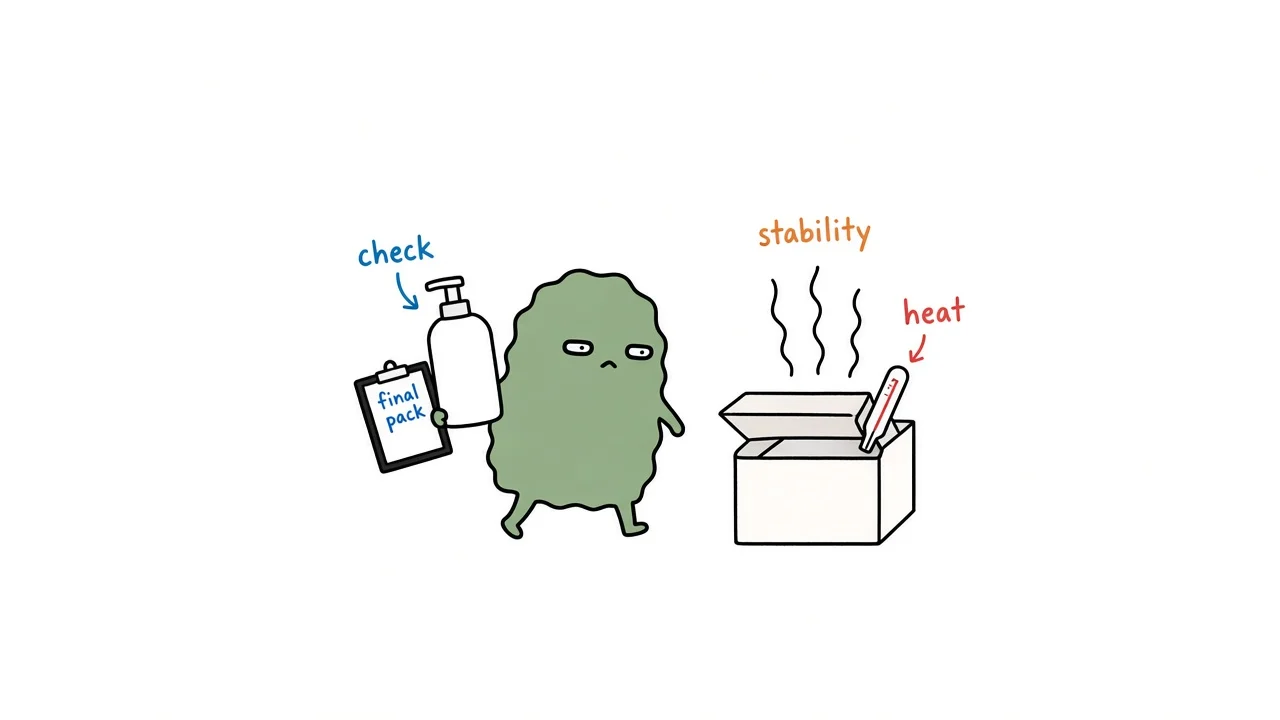
Water-containing products need a preservative system that works in the final packaging and in real storage conditions. Heat and humidity make this more demanding, not less. Your brief should ask the supplier to explain:
- which preservative system is proposed and whether it fits the restrictions of each target market;
- what preservative efficacy (challenge) testing will be done on the final formula;
- what stability testing is planned, at which temperatures and for how long, and in which packaging;
- how packaging compatibility is checked, for example pump, tube or bottle with the actual lotion;
- what the proposed shelf life or period-after-opening statement is based on.
Testing scope is a common source of quote differences. Agree in writing which tests are included and which are optional; our guide to body care testing quote scope gives a template for that conversation.
Check active ingredients against market rules before sampling
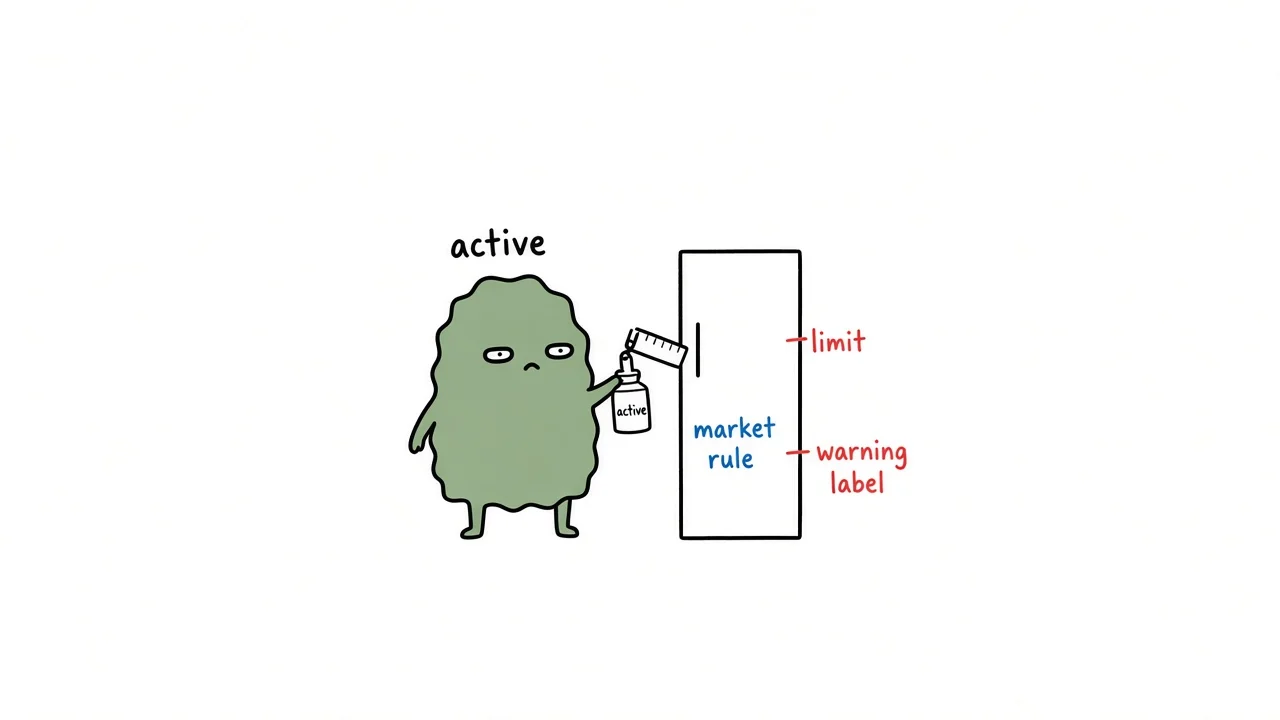
Requests for “potent” body lotions with retinol are a good example of why the brief must include target markets from day one. In the EU, Commission Regulation (EU) 2024/996 added retinol, retinyl acetate and retinyl palmitate to Annex III of the Cosmetics Regulation. The maximum concentration is 0.05% retinol equivalent in body lotion and 0.3% retinol equivalent in other leave-on and rinse-off products, and products containing these substances must carry the warning “Contains Vitamin A. Consider your daily intake before use.” Non-compliant products may not be placed on the EU market from 1 November 2025, and may not be made available from 1 May 2027.
For a private label buyer this means a “high-strength retinol body lotion” concept may not be viable for EU distribution, and the label artwork must include the warning where the ingredient is used. Similar checks apply to other actives, sunscreen claims and skin-lightening ingredients, which are restricted or regulated differently across markets. The EU’s CosIng database and the Annexes of Regulation (EC) No 1223/2009 are the starting points for EU checks.
Claims need the same discipline. In the US, the FDA explains that whether a product is a cosmetic, a drug or both depends on its intended use, including claims made on labels and in marketing (FDA: Is It a Cosmetic, a Drug, or Both?). A lotion described as moisturising is treated differently from one claiming to treat a skin condition. Keep consumer experiences from forums out of your claims: they show demand, not efficacy.
Packaging choices for heat, humidity and shipping
Packaging is part of the formula’s performance. For humid markets, specify:
- Closure type: pumps and flip-top tubes limit contamination compared with open jars, which matters for water-based lotions.
- Material compatibility: ask whether stability testing used the exact bottle, tube and pump you will buy.
- Label durability: shower humidity and condensation can lift paper labels; consider film labels or direct printing.
- Transit protection: heat in containers and last-mile delivery can stress emulsions and pumps, so agree carton packing and leak checks.
- Sizes: full size for retail, larger formats for spa backbar, and minis for kits or hotel amenities.
What your body lotion OEM brief should contain
Before you ask for samples, send a one-page brief covering:
- product concept, user, climate and channel;
- target markets and any ingredients to avoid or include;
- texture, absorption, fragrance and appearance targets, with a reference sample if available;
- intended claims, kept to cosmetic claims you can substantiate;
- packaging format, size, closure and decoration;
- testing scope you expect, and documents needed for each market;
- forecast quantities per SKU and launch timing.
Quantities matter because MOQ depends on product, formula, packaging, fragrance and quantity per SKU. Our article on MOQ for private label beauty products explains how those variables interact.
Working with NailLegend on body care emulsions
NailLegend is a B2B wholesale, white label, private label and OEM supplier for spa and personal care, with more than 10 years of manufacturing experience and customers in over 40 countries. Our existing body care range includes massage lotions, body butters, cream masks and scrubs. For a new daily body lotion concept, we review feasibility, formula direction, testing scope and packaging against your brief before quoting, and we do not promise actives, claims or documents we cannot support for your market. Regular production usually takes 25–35 days after samples, design, order and payment terms are confirmed; custom development and shipping are additional.
Browse our spa product line and OEM capabilities, then send us your brief.
Next step: Request a Quote with your body lotion brief, Contact Us to discuss formula and packaging options, or ask to Download Catalog information for our body care range.


Leave A Comment