
A recent Reddit conversation among esthetics professionals describes some businesses seeing slower bookings and longer intervals between repeat visits. Other operators may see a different pattern. The post is an anecdote, not a market forecast, but it exposes a procurement issue that every spa or salon group can measure locally: how much backbar product to hold when treatment volume changes.
Backbar purchasing is easy to oversimplify. A large pack may have a lower unit cost but move slowly at a small location. Small packs may be easier to rotate but generate more packaging and replenishment work. A useful reorder plan starts with actual treatment consumption, lead time and shelf-life constraints rather than the assumption that a seasonal promotion will fill the calendar.
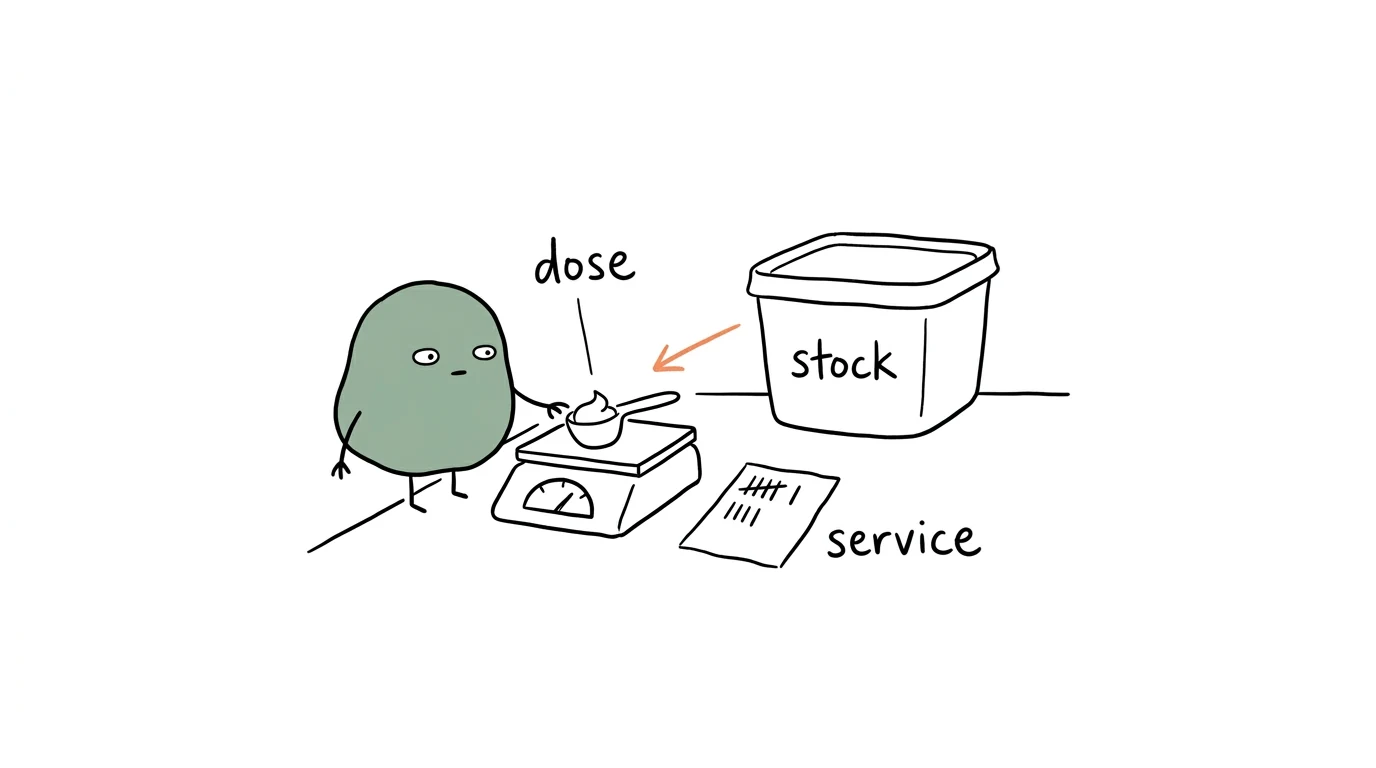
Measure use per service instead of guessing from revenue
List the treatments that consume each product and estimate the quantity used in one completed service. Verify the estimate by weighing or counting a sample of real treatments across different staff members. Record waste from dispensing, decanting and partially used single-service packs. Revenue does not tell you how much scrub, lotion or massage product the team actually uses. A service can be popular but consume very little of one SKU, while a rarely booked treatment can require a costly dedicated product.
Calculate average weekly usage from recent completed appointments, then examine variation. Use several weeks rather than one unusual day. Separate regular services from special packages and seasonal treatments. If a location changed its menu, staffing or booking hours, annotate the data so the buyer does not mistake a process change for a demand trend. For a new treatment with no history, start with a small, time-limited pilot and revise after observing actual use.
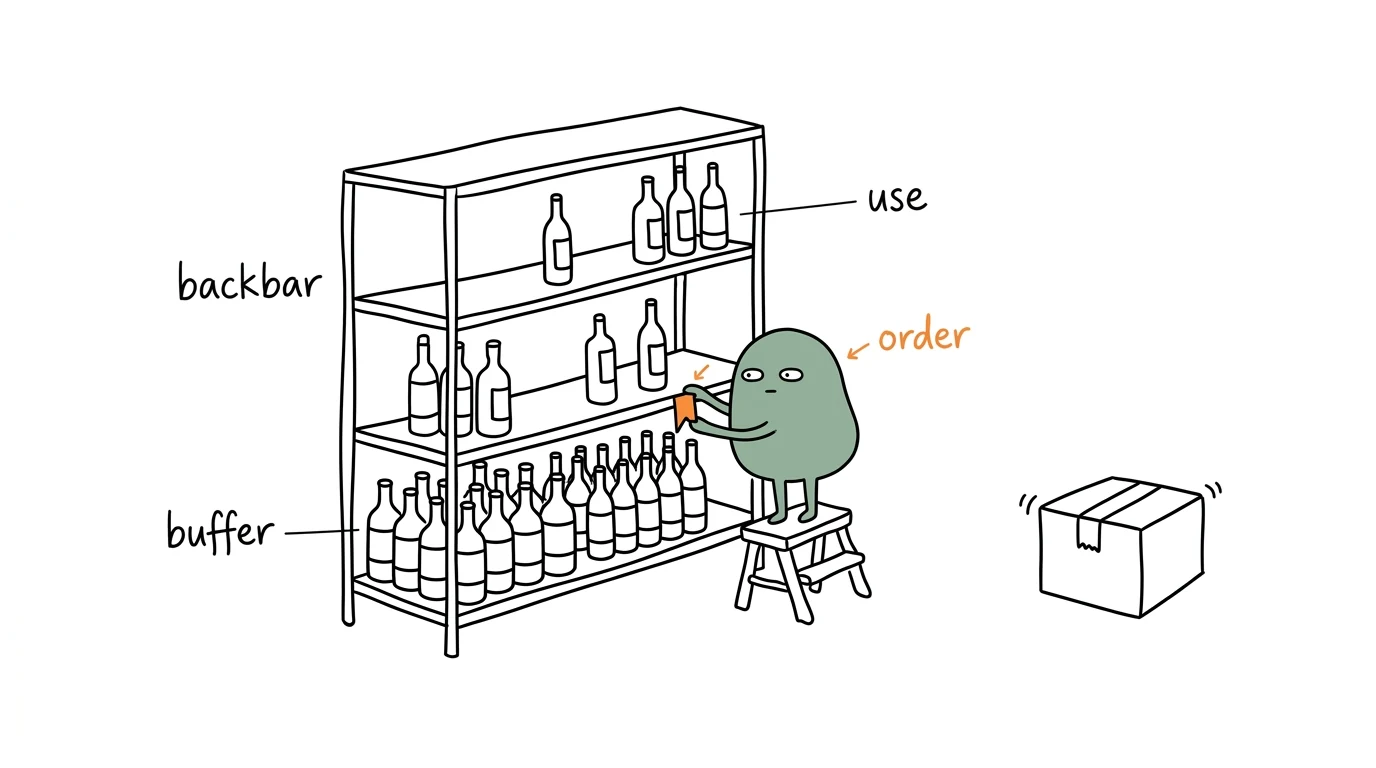
Set a reorder trigger using lead time and a modest buffer
A basic reorder point covers expected consumption during the supplier’s lead time plus a deliberate buffer for uncertainty. Use the supplier’s quoted lead time, including production, packing, transport and receiving, rather than a generic number copied from another SKU. Track variability in both demand and delivery. The buffer should reflect how disruptive a stockout is and how much inventory could expire or become obsolete if demand falls.
Write the trigger in units staff can see: unopened bottles, jars or cases on the shelf. Record the conversion to treatment uses so purchasing can compare packs of different sizes. Review the trigger after each delivery cycle. If the spa adds a new service, changes its treatment protocol or begins selling a retail version, update the assumptions. A reorder point is a working control, not a permanent rule.
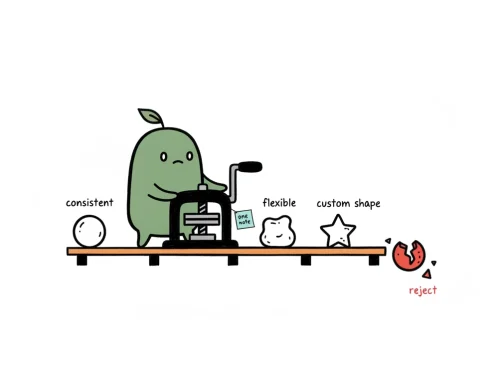
Ask the supplier whether MOQ is by SKU, fragrance, package type or total mixed order. A mixed-case assortment or smaller professional pack might be possible, but never assume it is available. Put the requested flexibility into the quote brief and compare the total landed and handling cost, not only price per kilogram.
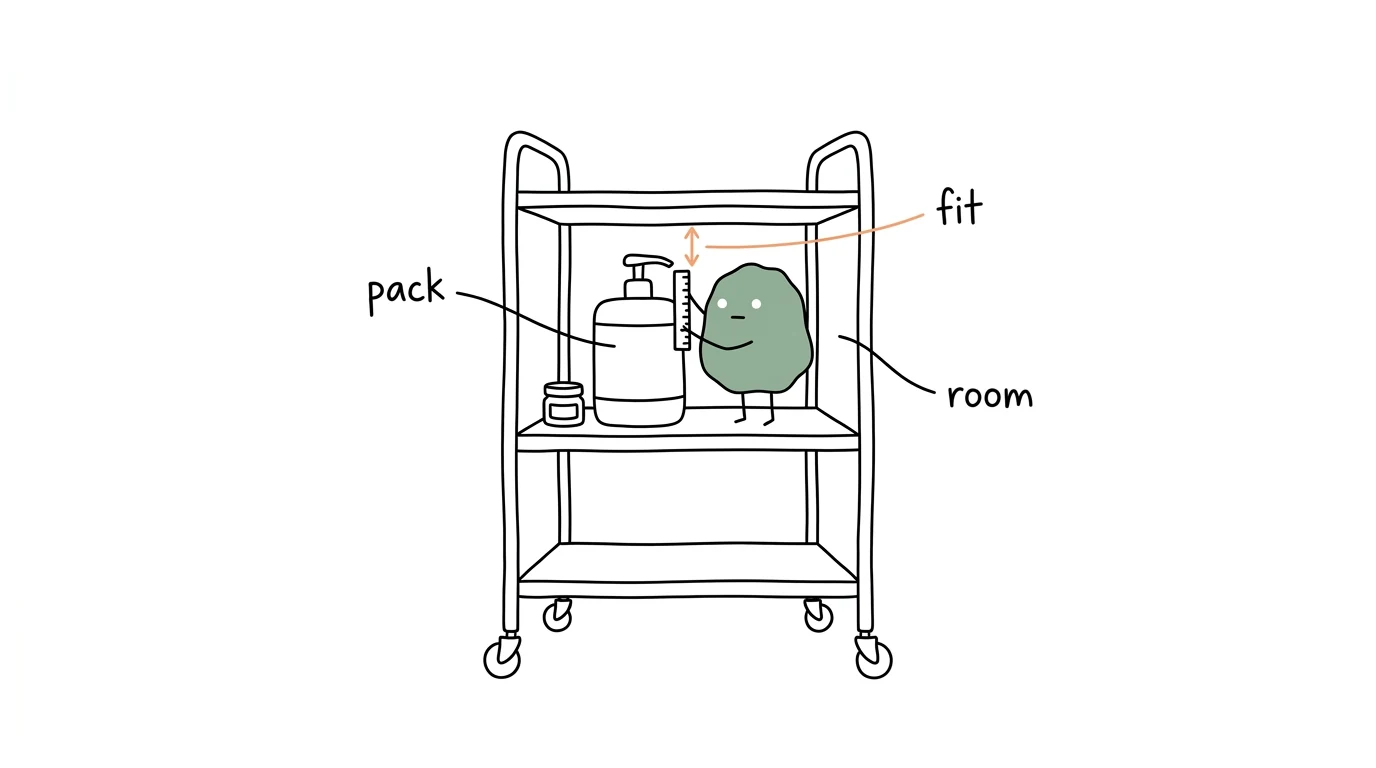
Choose pack size for rotation and service workflow
Compare professional bulk packs, pump bottles and single-service formats against the way the product is dispensed. Evaluate product protection, ease of measuring a treatment dose, storage space, label clarity and waste. For a slow-moving specialty treatment, the largest container may create a poor rotation pattern even if its unit price is attractive. For a high-volume core service, a small consumer-style jar may add unnecessary handling.
Discuss whether the pack can be customized with a professional label, dosing aid or transit protection. Confirm the actual container and closure on the sample, then test it during normal service. Staff feedback matters: a theoretically efficient pack may spill, require decanting or slow a treatment room turnaround. Record those observations alongside the purchase price.
Protect the assortment from overreaction
One slow month is not a reason to abandon a proven treatment category or buy a new line without evidence. Segment the assortment: core products used across many services, seasonal products and experimental products. Protect availability for the core group, then use smaller pilots for uncertain SKUs. If appointments slow, review booking, service mix and consumption before changing every order quantity. If appointments rise, check whether the current supplier can replenish within the needed time.
Use weekly reviews with a short dashboard: units on hand, units used, upcoming appointments, open purchase orders, expiry or best-use dates, and any substitutions. Make one person accountable for approving an exception. This small operational discipline is more useful than a spreadsheet that is updated only when stock runs out.
For related sourcing decisions, see our private-label spa brand roadmap, massage-lotion supplier comparison, body-butter supplier guide and supplier due-diligence checklist. The reorder method here should be applied to the specific products and service patterns that your team actually has.
Put operational terms into the supplier agreement
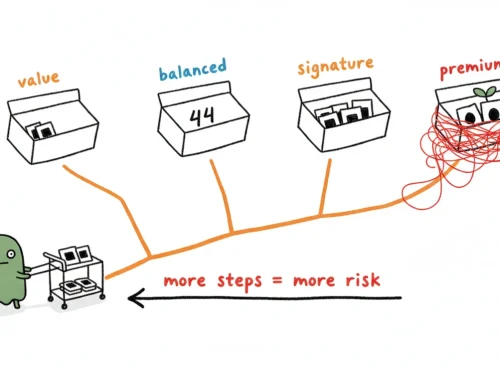
Ask for MOQ, lead time, pack options, customization choices, lot identification, shelf-life information, change notification and a process for handling damaged stock. State whether your group needs deliveries to one warehouse or multiple locations. A low quote can lose value if it requires an oversized order, unclear delivery timing or a package that does not work in treatment rooms. For imported goods, ask for the documentation needed by your own logistics and market teams.
Run a small pilot with one or two locations before rolling out a new backbar SKU. Check whether staff use the intended amount, whether storage and dispensing work, and whether replenishment arrives when promised. Keep the packaging and formula version tied to that pilot. When the next order is larger, request confirmation that the approved sample and production version match.
Turn local evidence into a purchasing brief
Share the number of locations, expected weekly services, estimated dose per treatment, current pack preferences and how long the stock must cover. Include the target MOQ and acceptable delivery cadence as questions for the supplier, not as assumed promises. This helps the manufacturer propose a practical pack and quote rather than a generic catalog item. It also gives the buyer a clear basis for comparing offers.
If you are planning a spa backbar range, Contact Us or Request a Quote with your treatment menu, product categories, packaging needs and order range. We can discuss available options and confirm the specific MOQ, lead time and customization terms in writing.



Leave A Comment