
A client should not have to reach the parking lot before noticing uneven length, rough edges or a shape mismatch. Yet final appearance is only one part of salon quality. Consistency also depends on consultation, tool preparation, product identification, workstation discipline, aftercare and a traceable response when something goes wrong.
This nail salon quality control checklist is written for salon owners, multi-site operators, trainers, distributors and suppliers building professional kits. It is an operational framework, not a substitute for the licensing, infection-control and workplace requirements in your jurisdiction. Pair it with your local rules and the manufacturer’s instructions for every product and device.
Quality control begins before the service
A final inspection cannot correct a misunderstood service brief or an unsuitable product selection. Use a short pre-service confirmation that records:
- requested service, length, shape, color and design reference;
- known sensitivities, previous reactions or relevant conditions reported by the client;
- condition observed at the start and whether service should proceed;
- removal or previous-product information when relevant;
- expected maintenance, wear and aftercare;
- technician, workstation and appointment identifier.
A reference image is useful, but it does not define the result by itself. Confirm how the design will be adapted to nail length, shape, skin tone, service time and budget. Record approved changes before work begins.
Standardize the workstation, not the technician’s personality
Technicians can preserve their style while using the same safety and quality controls. A standard workstation reduces missing steps, mixed tools and uncertain product identity.
Before the client is seated, verify:
- work surface and reusable tools were processed according to the salon SOP and local requirements;
- single-use items are new, intact and ready for disposal after service;
- containers are closed, clean, legible and within the salon’s use policy;
- lamp, drill or other equipment passes the defined pre-use check;
- the selected system components are intended to work together;
- waste, clean tools and used tools have separate locations.
For detailed hygiene controls, use our step-by-step salon tool cleaning and disinfection SOP and nail salon tool sterilization compliance guide.
Use control points during the service
Waiting until the end makes correction expensive. Build brief checkpoints into the process.
| Control point | What to compare | Correct before |
|---|---|---|
| After shaping | Length, sidewalls, symmetry and client preference | Applying the next system layer |
| After structure | Profile, thickness, balance and surface | Color or art |
| After first color layer | Coverage, shade confirmation and contamination | Completing all color layers |
| After art placement | Orientation, scale and consistency with approved reference | Sealing |
| Before client leaves | Ten-nail set as a whole plus comfort and finish | Checkout |
The client should be invited to confirm shape and design at logical points. This is not transferring quality responsibility to the customer; it prevents a correct technical execution of the wrong preference.
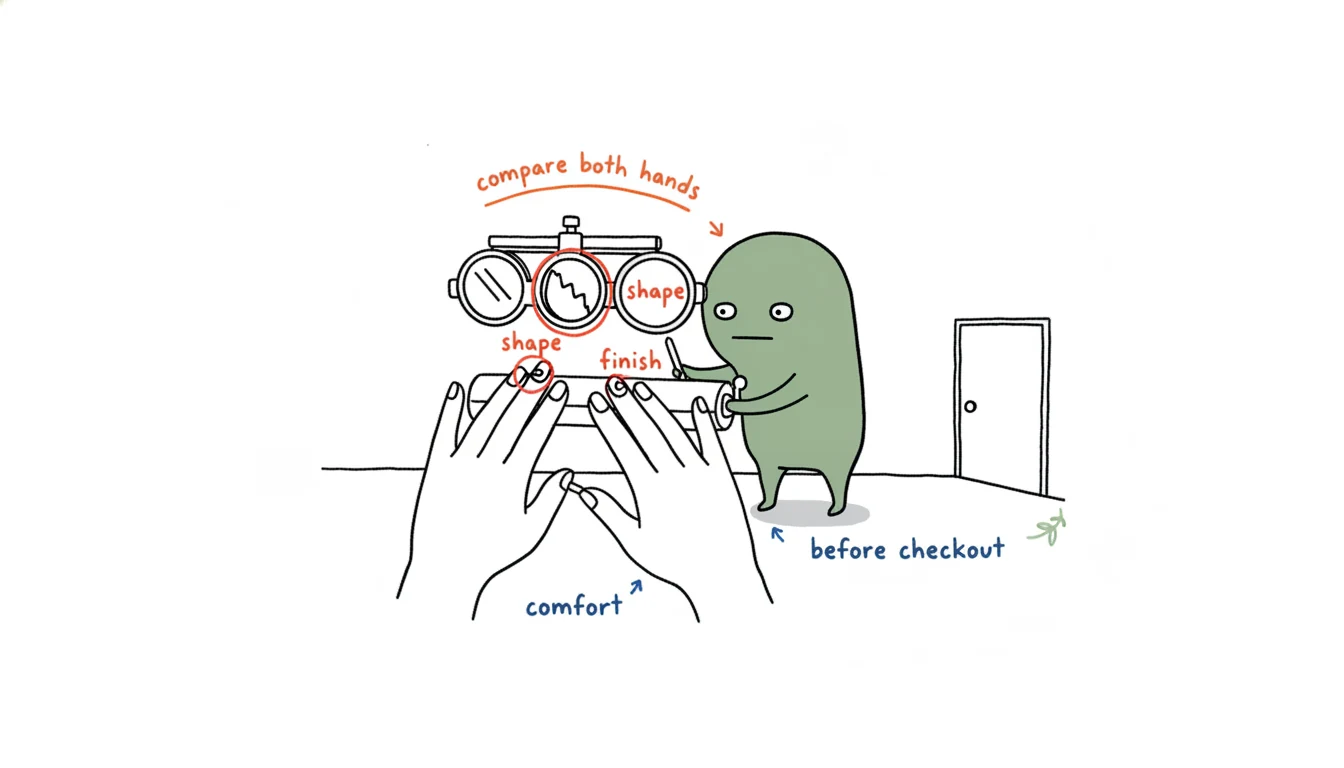
The ten-nail final inspection
Inspect the set at normal viewing distance and close range. Use consistent light. Compare matching fingers across both hands before focusing on individual details.
- Length: follows the agreed plan and is balanced across comparable nails.
- Shape: square, almond, oval or other profile is consistent from multiple angles.
- Sidewalls and free edge: visually even and not left with unintended roughness.
- Surface: free of obvious dents, lumps, trapped debris or unintended texture.
- Product placement: clean around surrounding skin and aligned with the selected system’s instructions.
- Color: even and consistent with the approved shade and finish.
- Art: orientation, spacing and scale make sense as a complete set.
- Underside and edges: checked where applicable for residue or discomfort.
- Client comfort: no unresolved pinching, sharpness, heat concern or other discomfort reported.
- Record: service and products are documented before checkout.
Use the checklist as a coaching tool, not a public score against technicians. Track which defects recur by service type, product, workstation or training need.
Record enough to investigate, not everything imaginable
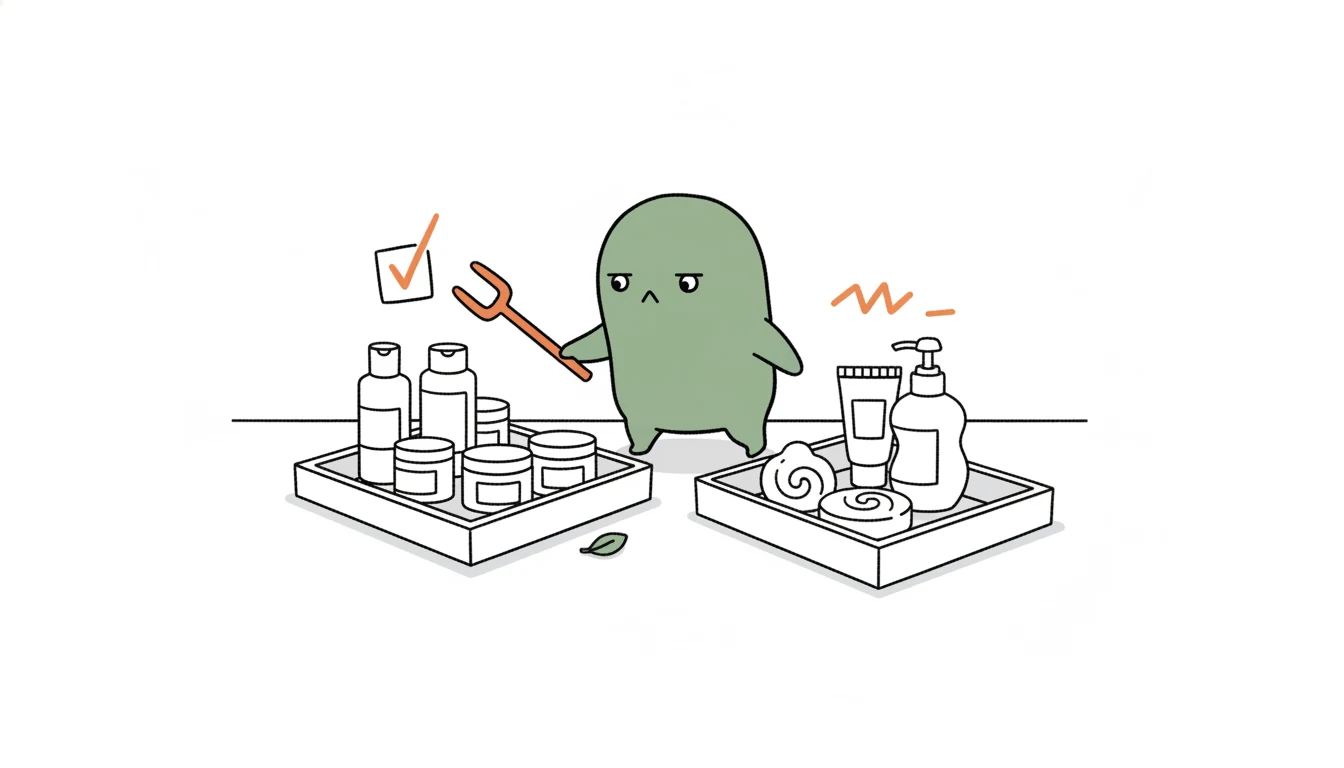
A practical service record can capture date, technician, service code, key products and lot codes where relevant, equipment station, design notes, unusual observations and final-check status. Photographs should follow the salon’s consent and privacy policy.
Traceability matters to suppliers and distributors too. If several salons report the same behavior from one product lot, the distributor needs product code, lot, purchase date, storage context and usage description to investigate. A complaint that only says “bad product” is difficult to act on.
Standardize consumables through service kits
Preconfigured service packs can reduce missing items, accidental reuse and inconsistent quantities. They are especially useful for chains, training centers and mobile teams.
A kit specification should identify each component, material, size, quantity, packaging, lot or production identification where applicable, storage conditions and disposal route. Do not add components simply to advertise a larger piece count. Every item should support the service SOP.
For sourcing options, see our wholesale disposable pedicure kit guide and professional spa kit guide.
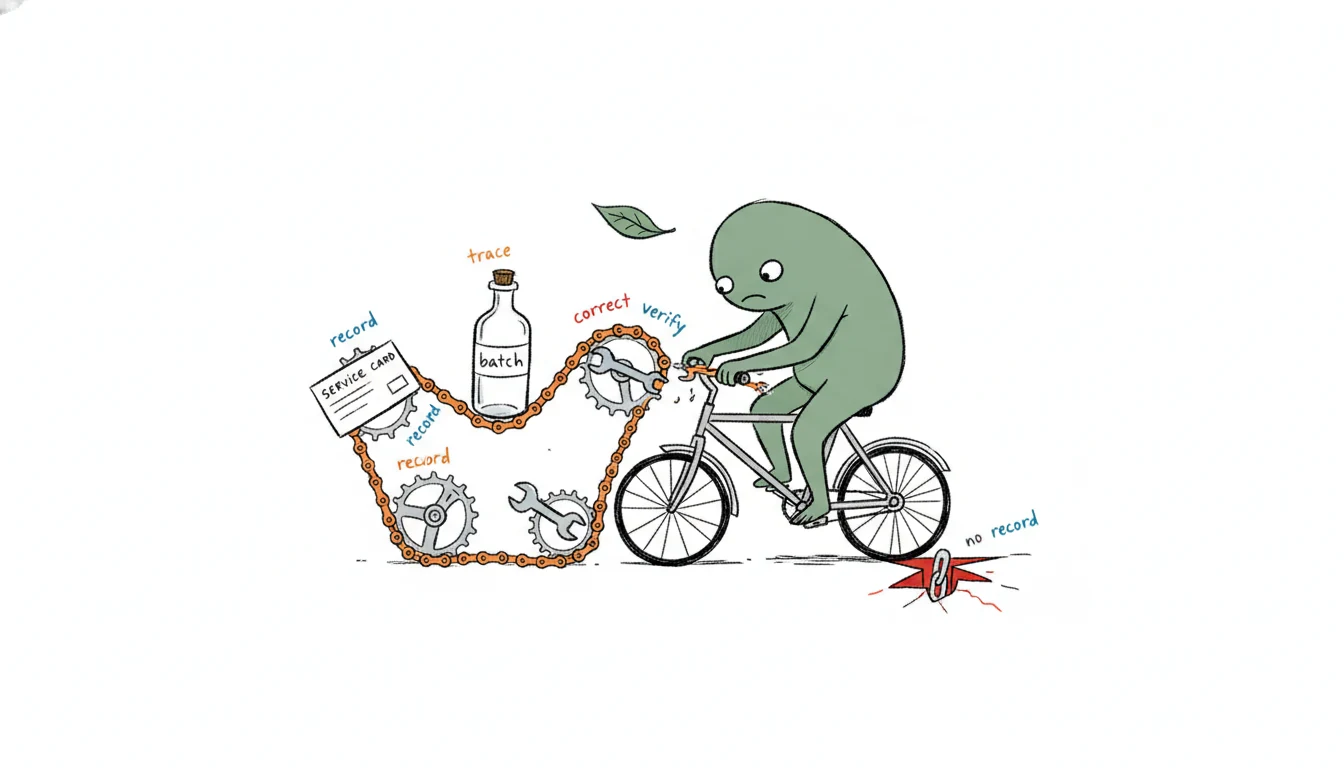
Build a closed complaint loop
A complaint process should protect the client relationship and produce operational learning. Avoid debating the client before collecting facts.
- Acknowledge: confirm the issue and arrange an appropriate review.
- Document: service date, technician, images with consent, timing and client description.
- Contain: pause a product, tool or procedure when the evidence suggests a wider risk.
- Assess: distinguish preference mismatch, workmanship, product behavior, wear event and possible adverse reaction; escalate health concerns appropriately.
- Resolve: follow the salon’s transparent repair, refund or referral policy.
- Correct: update training, specification, supplier communication or inspection.
- Verify: confirm that the corrective action reduced recurrence.
Do not diagnose a medical condition in a customer-service conversation. When a reaction or injury is suspected, stop the relevant service and direct the client to appropriate professional care according to local procedure.
Metrics for owners and distributors
Track rework within a defined period, complaint rate by service, repeat defect category, average resolution time, product-lot clusters, checklist completion and training follow-up. Raw complaint counts can mislead when service volume changes, so use rates alongside counts.
Distributors can add value by supplying clear product identification, care instructions, training assets, stable kit configurations and a documented complaint channel. Brands should specify which evidence is required before a returned product is destroyed.
Turn the checklist into a purchasing standard
The same checklist that improves service can improve sourcing. If technicians struggle to identify brush sizes, require permanent size marks. If kits arrive with variable piece counts, set an assembly inspection standard. If a cap damages brush hair, make cap fit part of sample approval.
Nail Legend works with B2B buyers on salon, spa and nail-care sourcing. Share the service workflow, required components, pack format, target quantity and destination so we can confirm MOQ, customization, packaging and lead time. Explore our product range or request an OEM discussion.
Frequently Asked Questions
What should a nail salon final check include?
It should compare length, shape, sidewalls, surface, color, art placement, edges, client comfort and the completed service record across the full set.
Who should complete the checklist?
The technician should complete the defined checks, with spot review by a trainer, lead or manager. New services and recurring defects may justify a second-person review.
How can a salon reduce rework?
Confirm the brief before service, add checkpoints before irreversible steps, use a consistent final inspection, standardize workstation supplies and analyze complaint patterns.
What information should be included in a product complaint?
Include product and lot identification, purchase and service date, storage context, how it was used, observed behavior, affected quantity and photographs when appropriate.
Can disposable kits improve quality control?
They can improve component consistency and single-use control when the kit matches the service SOP. They do not replace technician training, surface cleaning or correct processing of reusable tools.



Leave A Comment