Shoppers regularly ask for “easy” travel bottles for their skincare: containers that are simple to fill, do not leak in a bag and are small enough to pass airport security. For spa brands, distributors and gift-set buyers, that frustration points to an opportunity. A ready-filled travel or trial kit removes the decanting step entirely, and it gives clients a low-risk way to try a full spa routine at home.
But small formats are not just large products in smaller bottles. Mini components change fill accuracy, closure performance, label space and unit economics. This brief explains how to plan the packaging of a private label travel-size spa kit, component by component, before you ask an OEM for samples.
Decide what the travel kit is for before choosing sizes
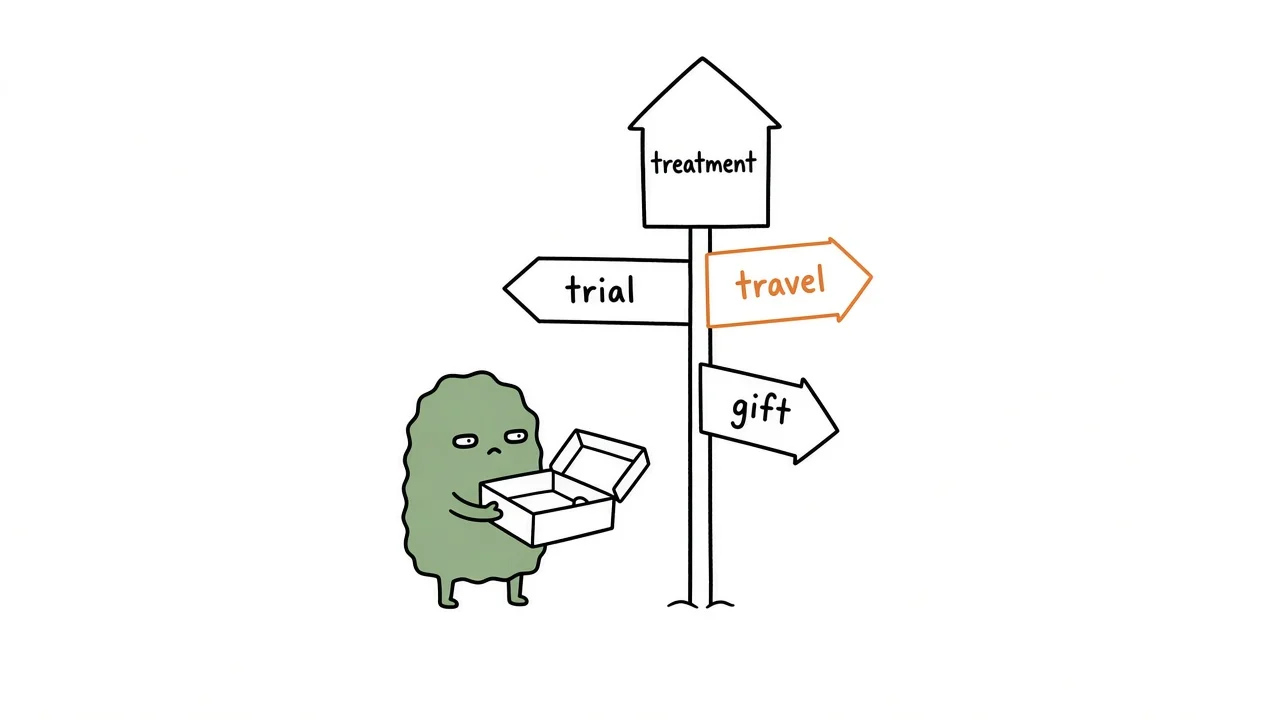
The same five-step routine can be packed very differently depending on its job. Agree on the primary use first:
- Trial or discovery kit sold by salons and spas to convert clients to full-size retail products.
- Travel kit designed for carry-on luggage, hotel stays or gym bags.
- Single-use pedicure or treatment kit used once in a salon, such as the multi-step kits in our Deluxe Spa Kit category.
- Gift or amenity set for hospitality, corporate gifting or subscription boxes; see our private label spa gift set guide for that route.
For carry-on travel in the US, the TSA’s liquids, aerosols and gels rule limits liquids, gels, creams and pastes to containers of 3.4 ounces (100 millilitres) or less per item, carried in one quart-sized bag. Other countries apply their own screening rules. If “travel” is the selling point, treat container capacity as a design constraint and confirm the rules for the markets you sell into before printing any “carry-on friendly” message.
Match each mini format to the formula family
A spa kit usually combines several formula families. Each behaves differently in small packs:
- Soak salts: dry and free-flowing, but sensitive to moisture and caking. Sachets or small jars need a good moisture barrier. Our bath salt private label guide covers salt bases and humidity control.
- Sugar or salt scrubs: thick, oily and abrasive. Wide-mouth jars or squeeze tubes with a large orifice fill and dispense more reliably than narrow bottles.
- Lotions and creams: water-based emulsions need closures that limit contamination, such as flip-top tubes or small pumps, and stability evidence in the actual mini pack.
- Massage or body oils: low viscosity, so leakage through threads and flip caps is the main risk; consider inner plugs or induction seals.
- Masks: clay or cream masks can dry at the neck of small tubes; single-use sachets are often more practical.
The rule of thumb is to choose the pack around the formula, not the other way round. When a buyer insists on identical bottles for every step for visual reasons, ask the manufacturer to confirm that each formula has been tested in that bottle.
Fill, closures and leak control in small packs
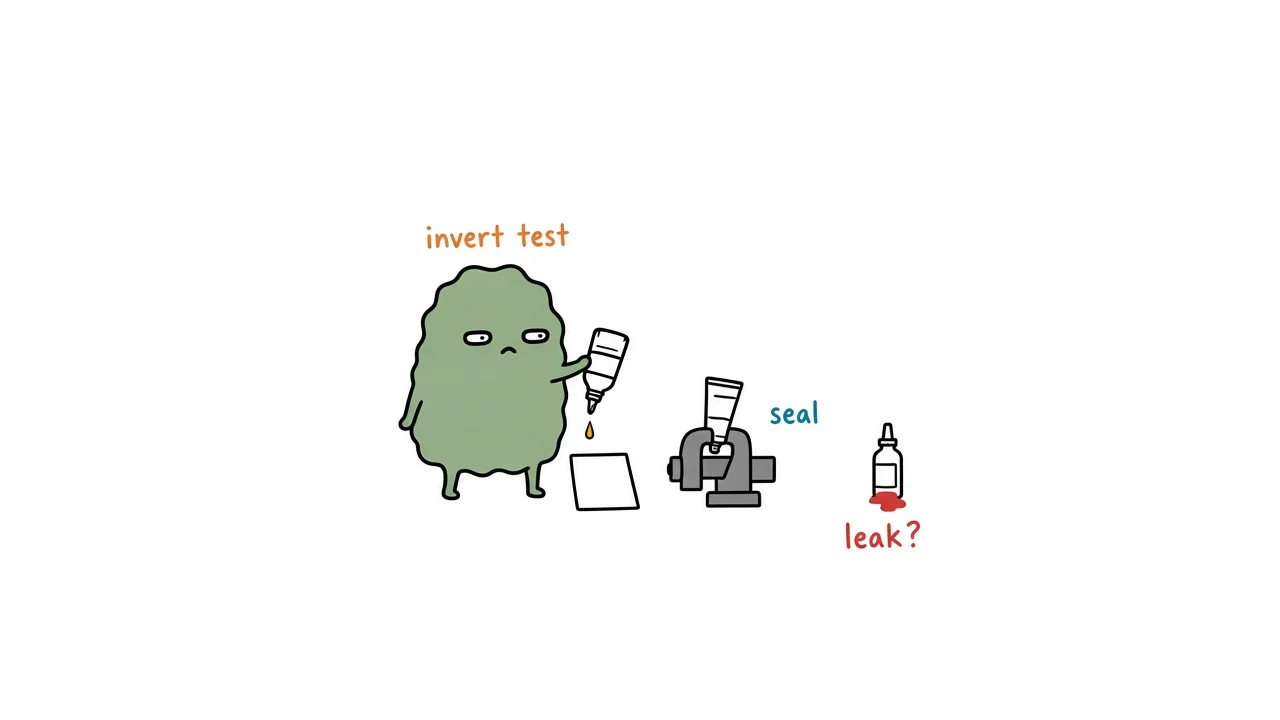
Leakage is the complaint that travel-size products are bought to avoid, so it deserves specific testing in the brief. Ask your supplier to explain:
- Fill method and tolerance: how net content is controlled at small volumes, where a small absolute error is a large percentage of the declared content.
- Headspace: enough to avoid pressure leaks at altitude or temperature change, without looking underfilled.
- Closure torque and seal type: screw caps, flip tops, inner plugs, induction seals or shrink bands.
- Leak and transit checks: inversion, pressure or vibration checks agreed in advance, with pass and fail criteria written down.
- Kit packing: inserts or trays that stop components rubbing or pressing on closures in transit. Our bulk packaging transit QC checklist shows how to set up carton checks.
Do not accept a general “leak-proof” claim from a packaging catalogue. Agree what test will be run on your filled product and what result counts as a pass.
Label space and mandatory information on minis
Small containers leave little room for branding, and they still need legally required information. In the US, cosmetic labelling requirements in 21 CFR Part 701 cover items such as the ingredient declaration, net quantity of contents and the name and place of business; the regulations include provisions for small packages and for information carried on outer packaging. Similar principles apply in the EU and UK, where Article 19 of Regulation (EC) No 1223/2009 sets out label content and allows some information to be placed on enclosed leaflets or tags when the container is too small.
Practical steps for a mini kit label plan:
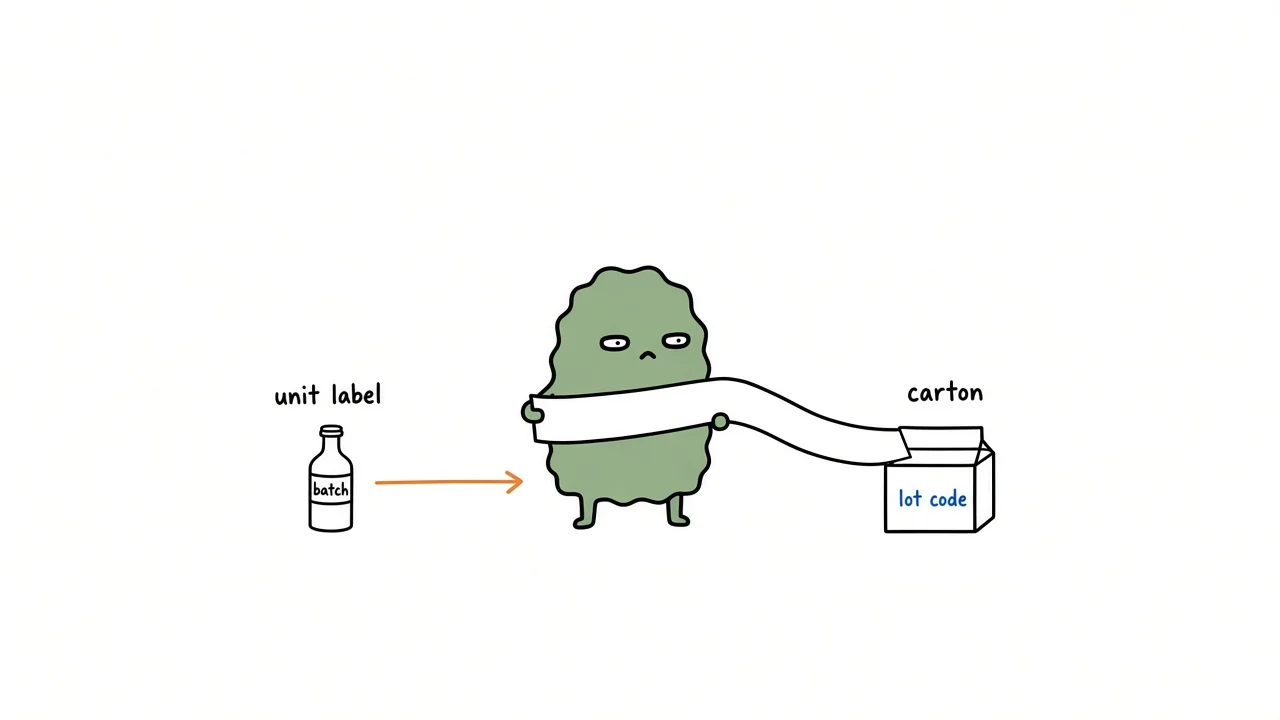
- Map which information goes on the immediate container and which on the kit carton.
- Check legibility at the planned font size before artwork approval.
- Print a batch or lot code on each component, not only on the outer box, so a complaint can be traced.
- Keep use instructions short on the unit and fuller on the carton or insert card.
Cost and MOQ: why minis are not proportionally cheaper
Buyers sometimes expect a 30 ml product to cost a fraction of a 250 ml product. In practice, components, filling time, labelling and kit assembly do not shrink in proportion to the volume. A kit with five different mini components also multiplies packaging items, artwork files and assembly steps. When comparing quotes, ask each supplier to break out formula, primary packaging, decoration, kit assembly and outer carton so you can see where the cost sits.
MOQ depends on product, formula, packaging, fragrance and quantity per SKU, and the MOQ for one pack size does not automatically apply to another. Mini components often depend on the minimum order of the packaging supplier as much as the formula batch. Read more in our guide to MOQ for private label beauty products.
A sample-to-production checklist for travel kits
- Confirm kit purpose, channel and target markets.
- Choose a pack format per formula family and request compatibility confirmation.
- Agree fill tolerance, closure type and leak test method in writing.
- Approve label layout across unit and carton, including lot codes.
- Approve a fully assembled kit sample, not loose components.
- Retain an approved kit as the reference for bulk inspection.
- Inspect the first production run against the retained sample before shipment.
Building a travel or trial spa kit with NailLegend
NailLegend supplies spa and personal care products for B2B wholesale, white label, private label and OEM programmes, with more than 10 years of manufacturing experience and customers in over 40 countries. Our spa product line includes soak salts, scrubs, masks, massage lotions and oils, and multi-step Deluxe Spa Kits that can be developed into travel, trial or treatment formats. We confirm component formats, packaging, testing scope and MOQ during quotation. Regular production usually takes 25–35 days after samples, design, order and payment terms are confirmed; custom packaging development and shipping are additional.
Planning a kit? Request a Quote with your component list and target sizes, Contact Us to review packaging options, or ask to Download Catalog details for our Deluxe Spa Kit range.

Leave A Comment