
A salon may buy a remover, wipes, files and drill bits from four suppliers, then ask technicians to make them work as one service. When a removal takes longer than expected or a customer reports a problem, purchasing often has no single specification to check. A gel polish removal supplies wholesale program needs a documented system: the product being removed, the supplier’s instructions, the consumables selected for each step, and a clear way to record exceptions.
This checklist is for salon groups, distributors and private-label teams comparing professional removal supplies. It does not recommend a removal technique for an individual customer or diagnose nail damage. The exact procedure must follow the applicable product and tool instructions and the salon’s training requirements. A buyer’s job is to make those instructions, products and replenishment codes fit together before scaling an order.
Define the service system before requesting samples
Start with the products the salon actually services. Record the gel system or finish, the supplier’s removal document and the tools or consumables named in that document. If several brands are used at one site, do not assume that a single generic procedure covers them all. Give each approved system its own version number so the purchasing team can connect a complaint or training question to the product in use at the time.
List the proposed items by job: surface preparation where instructed, remover or soak product, application material, wrap or holder, nonwoven wipe, hand tool, e-file accessory where applicable, and disposal supplies. Keep the list descriptive rather than prescribing a sequence. A purchase request should identify which item is required, which is optional and which may be substituted after written review. This prevents a catalogue phrase such as “gel removal kit” from hiding several different component decisions.
For each item, request the exact product name, intended use, pack count, material or size specification, lot identification, storage instructions and current supplier document. A distributor should also ask whether a replacement product will retain the same stock code. If the supplier changes a pad material or solvent format, the salon needs to know before a new case reaches the treatment bench.
Check compatibility across the product, tool and consumable
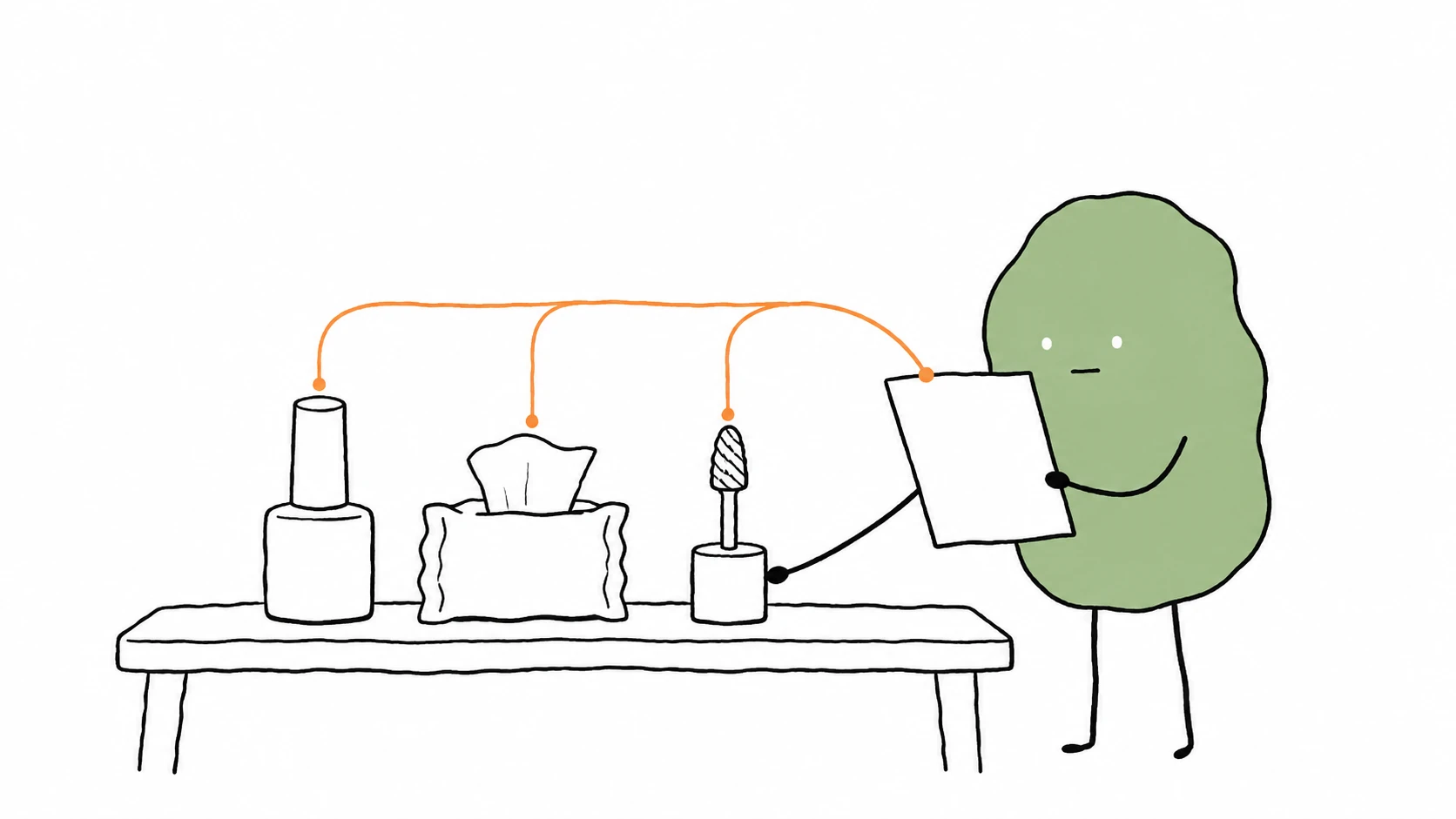
Compatibility is a written question, not a visual guess. A wipe may appear similar to another wipe, and two bits may fit the same handpiece, yet the system instructions can still differ. Ask the gel-product supplier which removal products and conditions it specifies. Ask the tool supplier which accessories fit the exact model. Record who has confirmed the proposed combination and the document version used for that confirmation.
When sourcing nonwoven nail polish remover wipes, compare the offered format against the intended salon step. Confirm saturation or dry format, dimensions, pack count, lint expectation, closure and storage information for the specific SKU. The product page is a starting point for an RFQ; it does not establish compatibility with every gel system. Ask for a sample under the same specification that would be ordered in bulk.
For equipment and bits, use the nail drill category to identify possible hardware formats, then request model-specific fit information. A bit’s shank fit is only one purchasing criterion. The service instructions, operator training and wear or replacement process also matter. Avoid converting a marketing claim about speed into a promised service outcome without a controlled test in the buyer’s own workflow.
Run a controlled sample trial at the treatment bench
A sample trial should answer questions the purchase order can use. Choose a small set of technicians who already follow the current service protocol. Give them the same written instructions and record the product system, lot, tool model, accessory and consumable pack used in each test. Ask them to record whether the packaging opened cleanly, whether one unit was enough for the intended step, and whether the instructions were clear. Observations about a particular sample should stay attached to that sample.
Compare the trial with the approved reference, not a loosely remembered previous service. Photograph packaging, label and visible material differences. If staff report a problem, record what happened without assigning a medical or chemical cause. Escalate a customer’s injury or suspected adverse reaction through the salon’s appropriate professional process; a supplier sample worksheet cannot replace that assessment.
Request a second sample if the supplier changes the wipe substrate, liquid, bit finish or pack design. Do not approve a revised bulk SKU because the first version tested well. The sample sign-off should include the exact item code, version, artwork if private labeled, and the person who can authorize changes. This is particularly important when a distributor supplies many salons that may receive different lots in the same month.
Build training and replenishment into the buying decision
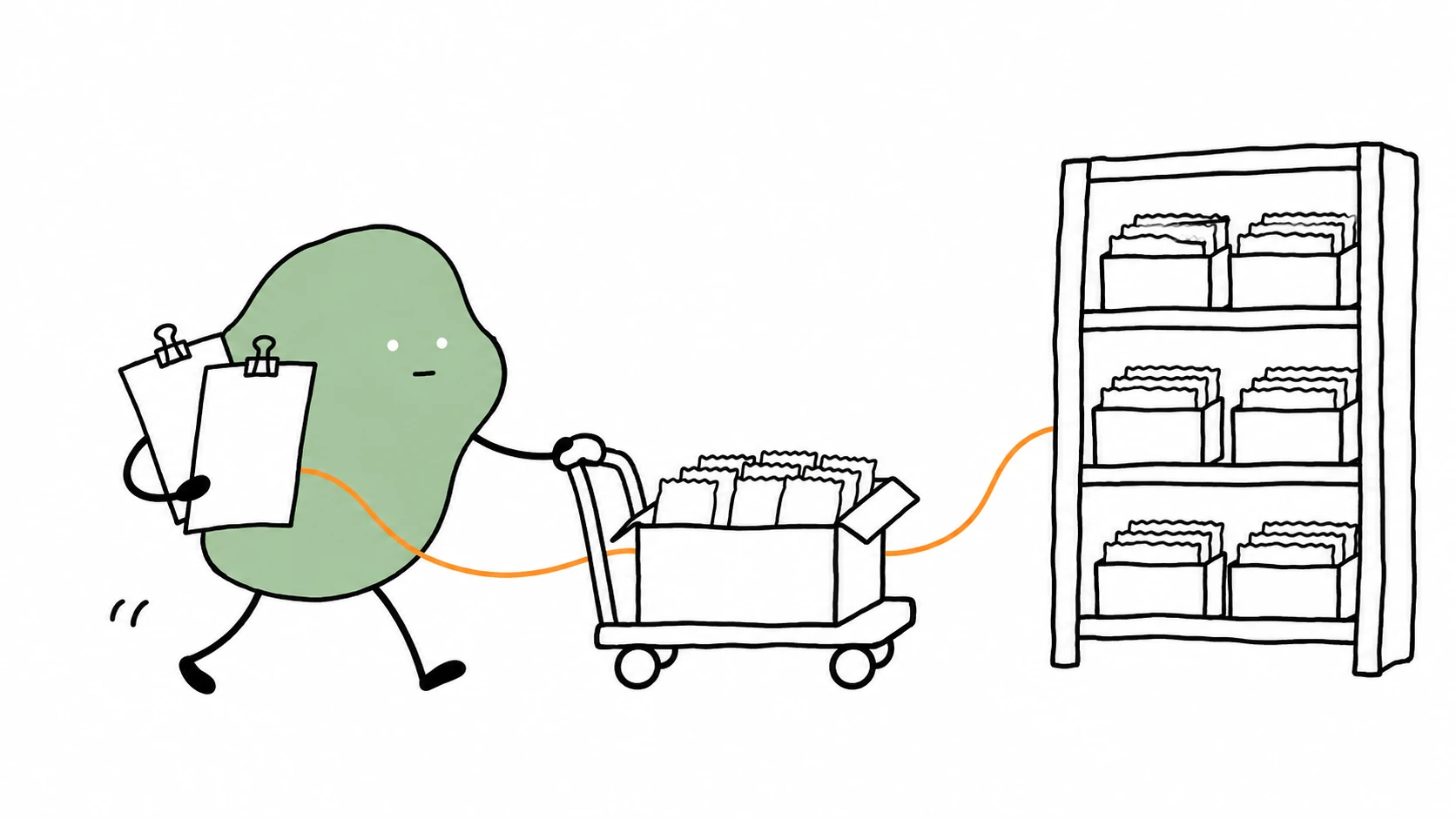
A strong wholesale offer includes the information a salon needs after the first carton arrives. Ask for current use instructions, any restrictions, training material, storage guidance and a contact for technical questions. Confirm whether the supplier will notify buyers when a document or component changes. Training material should describe the approved system and its limits; it should not rely on an unverified social-media demonstration as the standard procedure.
Next, calculate how many consumable units a typical service uses under the approved protocol. Use the buyer’s observed trial data rather than a universal assumption. Map this to booked services, case-pack quantity, supplier lead time, receiving time and stock transfer between sites. Set a reorder trigger that gives purchasing enough time to inspect the delivered lot before the treatment rooms need it. If one component is unavailable, staff should have an approved alternative or a defined pause-and-escalate route.
Separate reorderable items from equipment. Wipes, wraps and single-use accessories may be replenished by case; drill handpieces and bits can have different inspection and replacement cycles. Ask the supplier for the exact stock code and packaging options for each. For a broader equipment program, the rechargeable nail drill OEM checklist covers battery, charging and warranty questions that sit outside the consumables order.
Specify packaging, private label and receiving checks
Packaging is part of the salon workflow. An inner pack that cannot be closed after opening may create waste or storage questions even when the unit cost appears attractive. State the requested inner count, carton count, label language, lot marking, storage information and whether individual treatment stations need smaller packs. A private-label buyer should approve the artwork version separately from the product sample and confirm that both versions appear on the purchase order.
At receiving, compare the delivered item code, lot, carton count and visible pack condition with the order. Keep a retained reference of the approved material where practical. If a delivery differs, isolate the affected cartons and ask the supplier for a documented resolution before distributing stock to sites. The goal is not to reject every harmless visual variation. It is to ensure someone with authority evaluates a change before it becomes an undocumented salon substitution.
Request MOQ, lead time and customization terms for the exact combination of wipe, tool accessory and pack format. A figure from one product page should not be copied to a mixed assortment. If several items will ship together, ask whether their production and shipping dates can be aligned and what happens if one component is delayed. The quote should identify each SKU and the decision date for artwork or sample approval.
Use complaint records to improve the next order
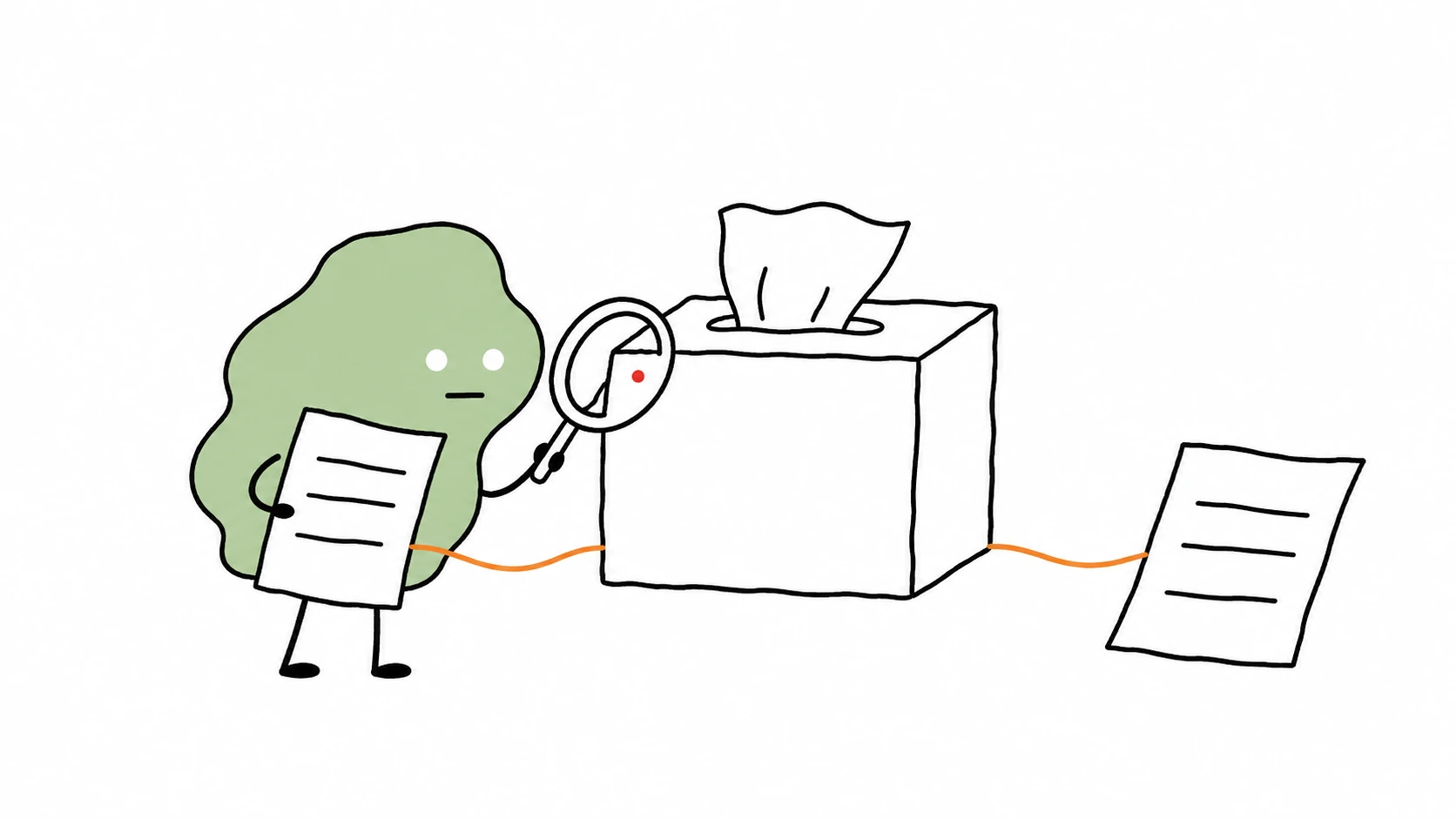
After launch, connect each service exception to a short record: salon location, date, product system, item and lot code, tool model if relevant, instruction version, visible observation and the action taken. Avoid asking staff to guess a cause. A small number of clear records is more useful than a large collection of unstructured messages. Purchasing can then tell whether the same component, lot or training question appears repeatedly.
Agree with the supplier on the evidence needed to review a disputed lot and the person who will respond. If a component is changed, close the loop by revising the approved-item list and informing the salons. Keep the original version available in the record so a distributor can identify which sites received which stock. This is a practical traceability step, not a promise that every service outcome can be controlled by purchasing alone.
To scope a professional supply program, Request a Quote with the gel systems in use, proposed consumable and tool list, sample requirements, monthly volume, pack format, destination market and training documents needed. NailLegend can confirm which products and customization options are available for the specific request. See the OEM capabilities overview for the broader private-label discussion; final compatibility, MOQ and timing require SKU-level confirmation.


Leave A Comment