
Magnetic and cat-eye nail looks generate attention because the result changes with viewing angle, magnet position and application technique. That same variability makes the category difficult to source. Two samples with the same color name can produce different lines, velvet effects, depth and movement.
This magnetic cat eye gel polish private label guide is for brand owners, distributors and salon suppliers evaluating a future range. It explains how to brief an effect, approve samples, control batch consistency, package the system and handle safety questions responsibly. Decide whether the program is private label, OEM or ODM before assigning formula, testing and artwork responsibilities. Nail Legend’s current public catalog should be checked for availability before quoting; this article is a buyer framework, not a claim that every described formula or effect is currently offered.
Define the visual effect before discussing color names
“Silver cat eye,” “velvet,” “galaxy” and “aurora” are useful merchandising language, but they are not complete production specifications. The brief should define both the base appearance and magnetic response.
Create a small effect library with:
- base color and opacity at a stated number of coats;
- particle color, apparent size and density;
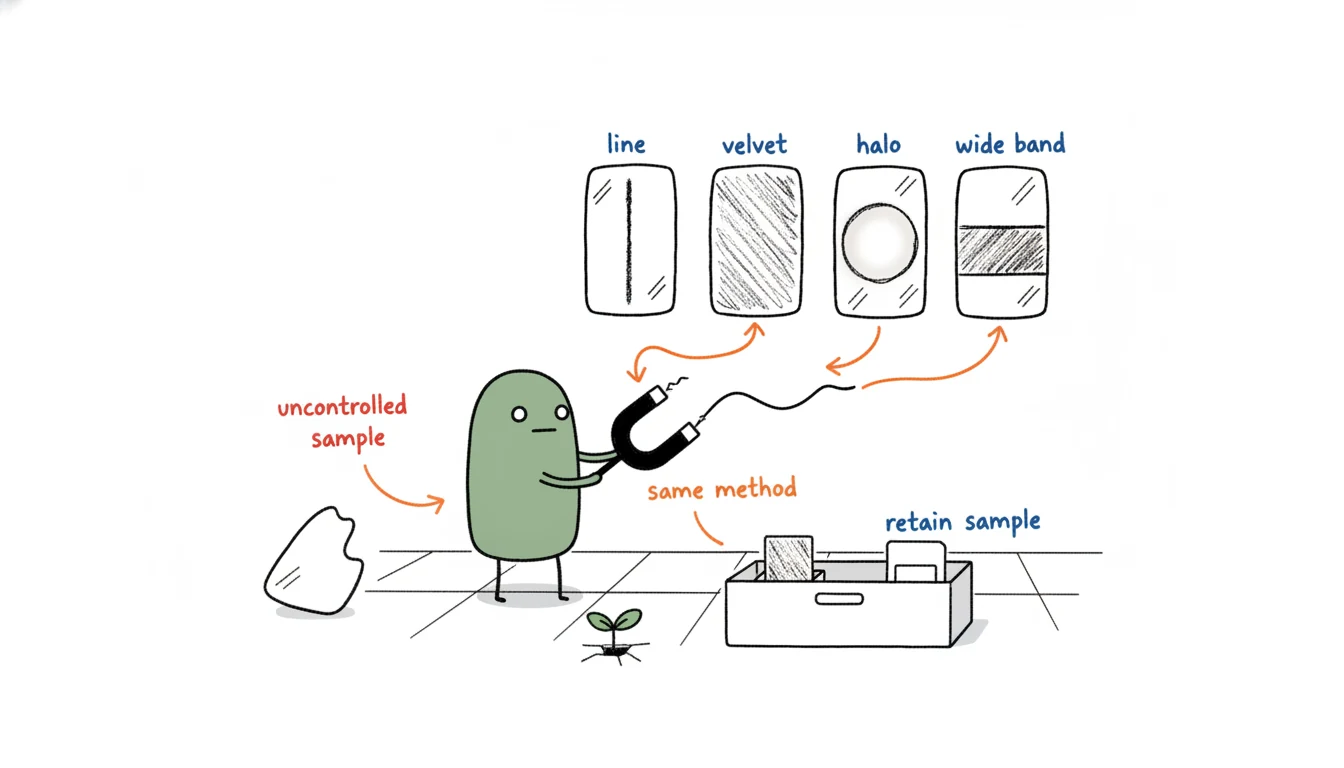
- desired response: narrow line, wide band, velvet field, halo or multi-angle effect;
- recommended background color, if any;
- magnet shape, strength and working distance used for approval;
- application and curing system used for the reference;
- appearance under diffuse, direct and moving light;
- approved photos and a retained physical sample.
A digital image alone is a weak standard because lighting, camera exposure, screen color and movement affect the result. Use video for motion, photographs for key views and an approved physical standard for production comparison.
Choose an assortment architecture
A focused launch is easier for salons to understand and easier for distributors to replenish. Build the range around clearly different jobs rather than many near-identical shades.
| Range role | Buyer purpose | Merchandising note |
|---|---|---|
| Universal topper | Add magnetic effect over several base colors | Good for demonstrations and lower SKU count |
| Opaque all-in-one shade | Deliver color and effect in fewer application steps | Easier consumer story; verify coverage consistency |
| High-contrast hero shade | Create the strongest visual demonstration | Useful for launch content and salon display |
| Wearable neutral | Extend the trend beyond novelty users | Supports repeat salon use |
| Seasonal color | Create a limited-edition event | Control packaging exposure and reorder timing |
For limited releases, use the inventory controls in our limited-edition private label beauty products guide after that article becomes public. Standard containers and labels usually preserve more reorder flexibility than unique molded components.
Sample the system, not just the bottle
Magnetic performance depends on product, magnet, application amount, timing and the rest of the nail system. Approve a written method alongside the shade.
- Condition samples at the agreed room conditions.
- Mix or roll only as the supplier instructs; record the method.
- Apply to a stated tip color and material.
- Use a controlled coat thickness or repeatable application method.
- Position the specified magnet at a repeatable distance and time.
- Cure with the specified compatible lamp and cycle.
- Apply the agreed top system.
- Compare immediate effect, settled appearance and wear observations.
Include novice and experienced users in usability testing. A spectacular effect that requires an undocumented expert technique can create poor reviews and salon complaints.
Control pigment distribution and batch consistency
Visual-effect products can change in storage. Buyers should agree how samples are prepared before inspection and what degree of settling, remixing and variation is acceptable.
Discuss these controls with the manufacturer:
- appearance and viscosity specification;
- particle-distribution assessment method;
- retained standard and production retain sample;
- fill-weight or volume control;
- container and wiper compatibility;
- storage and transport conditions;
- accelerated and real-time stability plan appropriate to the formula;
- batch coding and complaint traceability.
Do not write “no settling” unless the evidence supports that absolute claim. Some products may require a stated preparation method. Clear directions are more useful than pretending a visually complex suspension has no handling needs.
Package the magnet as part of the user experience
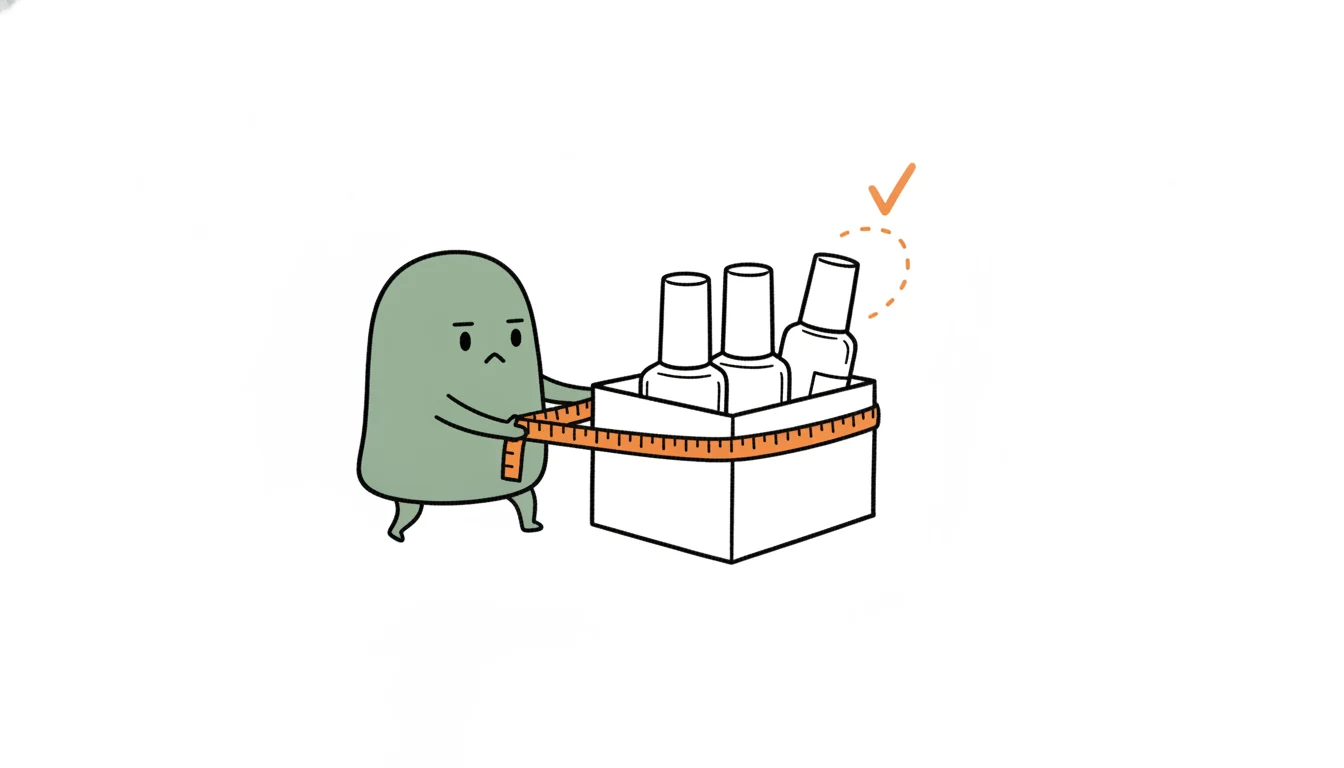
The magnet is not an afterthought. Its shape and field affect the look customers can reproduce. Decide whether it is included with every bottle, every set, or sold as a reusable tool.
Evaluate magnet housing, edge finish, grip, cleaning, storage, warning language and carton retention. A loose tool that scratches packaging or disappears in transit reduces perceived quality. For salon ranges, provide a technique card using the exact magnet supplied.
Labeling and claim review
For products marketed as cosmetics in the United States, the FDA Cosmetics Labeling Guide provides step-by-step labeling information, including identity, business information, net quantity, warnings and ingredient declaration. Requirements vary by market, so the responsible brand or distributor should obtain market-specific review.
Keep cosmetic claims truthful and within the intended product category. Avoid therapeutic language. Approve the product name, directions, cure instructions, ingredient declaration, warnings, responsible-party information, net contents, lot code and country-specific elements as a controlled artwork file.
The magnetic visual effect does not make the bottle, cap or accessory “MR Safe.” MR Safe, MR Conditional and MR Unsafe are formal safety terms used for items in the MR environment. Do not put an MR safety designation on a cosmetic product without qualified testing and a valid basis.
How to answer MRI questions responsibly
Consumer discussion about magnetic polish and MRI is a signal that brands need a clear escalation path, not an invitation to make a universal medical claim. MRI systems use strong magnetic fields and radiofrequency energy. The FDA MRI risk overview explains that metallic objects and materials can create safety concerns, including movement, heating and image-quality effects in relevant contexts.
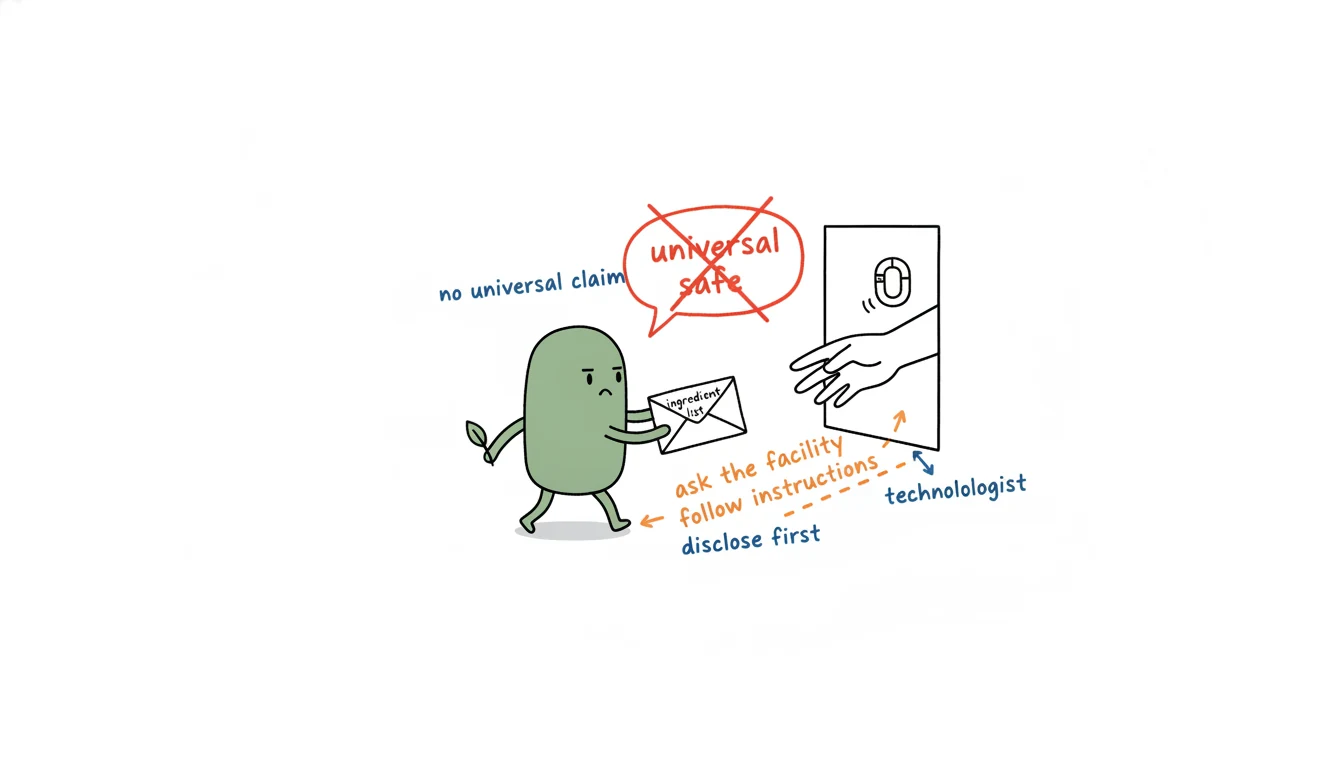
Facilities may give different preparation instructions based on the scan, equipment and local protocol. Some hospital guidance asks patients to avoid or remove metallic nail varnish. The safe brand response is:
- do not tell a customer that a product is universally safe for MRI;
- do not diagnose risk from a color name or visual effect;
- provide the ingredient list and available product information;
- tell the customer to disclose the product to the MRI facility in advance;
- follow the radiology team’s instructions on removal;
- maintain a process for escalating technical questions to the responsible manufacturer.
The FDA patient MRI guidance emphasizes accurate screening and communication with the technologist or radiologist. Product copy should support that handoff rather than replace it.
Bulk-order quality checklist
Before release, verify shade and effect against the approved standard, fill, cap and wiper function, leakage, label position, code legibility, magnet count, carton integrity, set configuration and shipper markings. Sample across the lot under a documented plan.
Complaint intake should request batch code, purchase source, storage, application method, lamp and magnet used, photos or video, timing and number of affected units. This helps separate training, component, formula and shipping issues.
MOQ and customization questions
Ask for separate minimums for base formula or shade, bottle decoration, labels, cartons, magnet tooling or housing, set assembly and mixed-color orders. Confirm sample fees, color-match rounds, stability work, artwork lead time, production lead time and documentation available for the destination market.
For a first range, reduce variables: use one bottle family, one brush and wiper system, one magnet format and a tightly differentiated shade selection. Scale customization after reproducibility and demand are proven.
If your business is planning a professional nail range, review Nail Legend’s OEM capabilities and current catalog. Send the target market, effect references, shade count, packaging, quantity and launch window. We will confirm what is currently available and provide project-specific MOQ, customization and lead-time information.
Frequently Asked Questions
What should a magnetic cat-eye gel polish brief include?
Include base color, opacity, particle appearance, desired magnetic response, reference magnet, application and cure method, target market, packaging, shade count, quantity and launch date.
Can one magnetic gel be used over different base colors?
Some topper-style products are designed for that purpose, but the result must be sampled over each proposed base. Opacity and particle density determine how much the background changes the effect.
Why can the same shade look different in photos?
Viewing angle, direct versus diffuse light, camera exposure, magnet technique, coat thickness and background color can all change the appearance. Use controlled reference images plus a physical standard.
Is magnetic nail polish safe during an MRI?
A brand should not give a universal answer. Customers should disclose the product to the MRI facility before the appointment and follow the radiology team’s instructions, including removal when requested.
What customization is available for a private-label range?
Depending on supplier capability, options may include shades, effect density, bottle, cap, brush, logo decoration, label, carton, magnet and set configuration. Each can have a different MOQ and approval lead time.


Leave A Comment