Two testing quotations can describe the same private label body care launch and still cover different work. One may include laboratory measurements, another a review of existing information, and another additional support preparing product records. Comparing the totals before comparing the deliverables leaves the buyer unable to explain what the business is purchasing.
For brand owners importing body butter, scrubs, or other spa products, the useful first step is a written scope. This guide explains how to prepare that scope, compare proposals, and assign decisions. It does not declare any particular product exempt from testing. Use our OEM capabilities overview to define the manufacturing project, then have the appropriate technical and regulatory reviewers define its evidence requirements.
Define the finished product before requesting a test plan
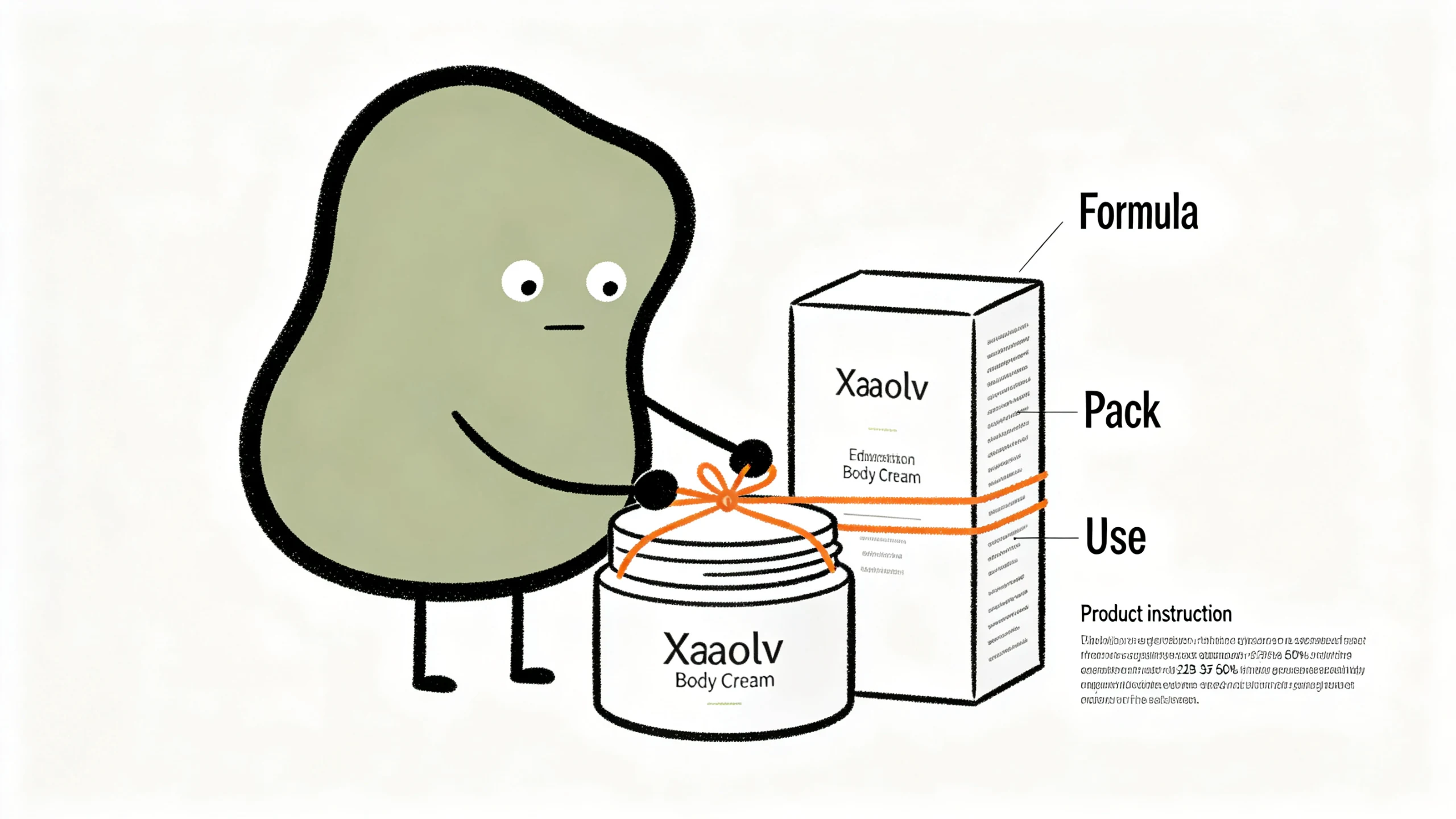
Start with the destination market, intended use, intended user group, claims, formulation revision, and final packaging. Identify whether the product is a rinse-off scrub, a leave-on butter, or another format. Record whether the brief covers one formula and pack or a family of scents, colors, sizes, and containers. These are questions for scope definition, not reasons to assume different variants can share the same evidence.
Ask the manufacturer which supporting records already exist for the exact proposed product. List their identifiers, dates, ownership, and conditions of use. An old report with a similar product name should be reviewed for relevance rather than counted as automatically transferable. If the commercial sample is still changing, tell prospective service providers that the final specification has not been frozen.
Keep the product brief in a controlled folder and send the same revision to every provider. Include a change log when you revise the brief. Without that step, a later quote can appear cheaper simply because the provider received a narrower description of the project.
Separate the assessor decision from laboratory deliverables
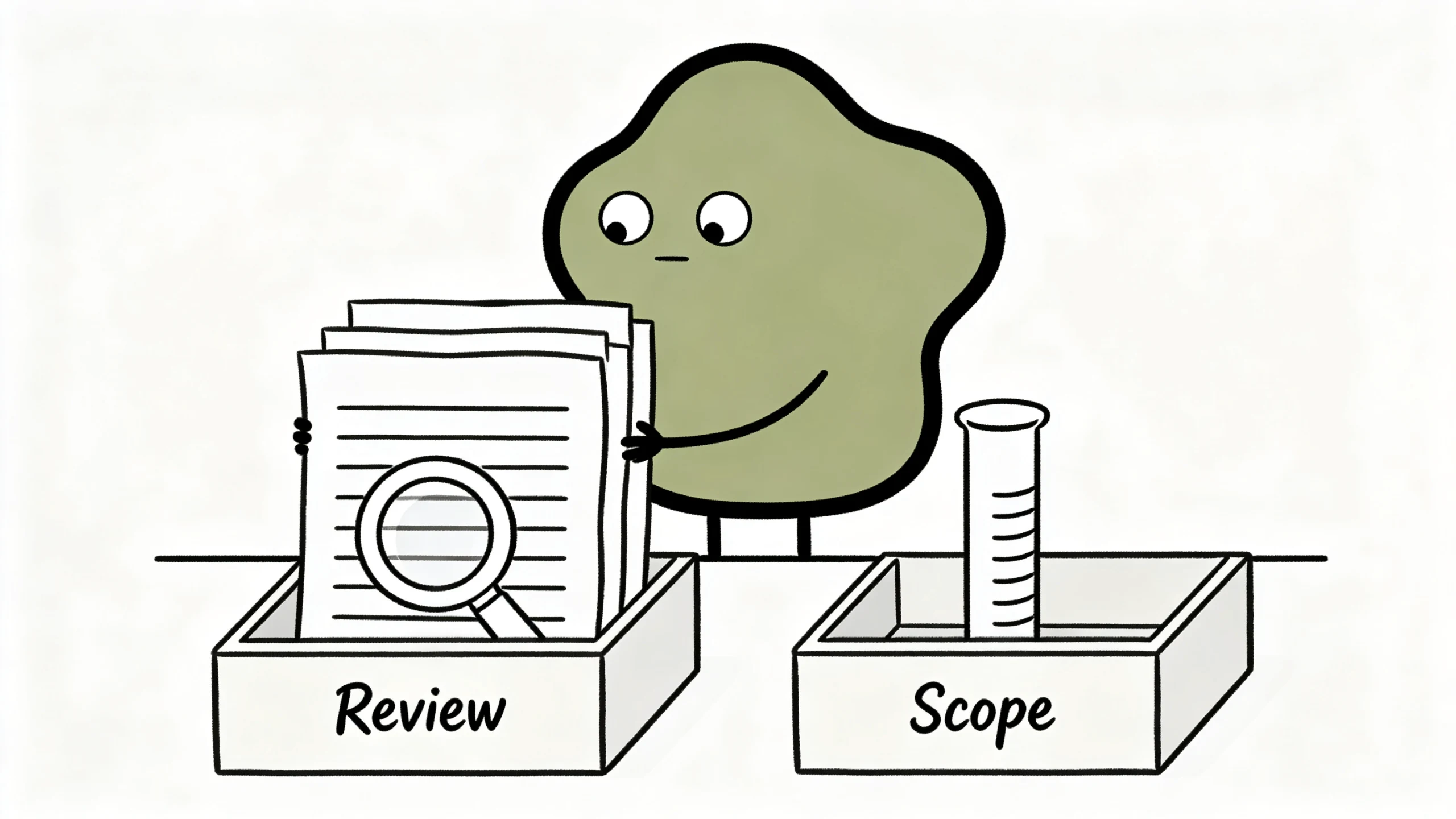
The European Commission states that cosmetics undergo expert scientific safety assessment before being placed on the EU market. A laboratory report and a safety assessment serve different purposes. Identify who will determine whether the available evidence is sufficient, and who will perform any additional work. See the Commission’s scientific and technical assessment overview.
For an EU project, the Cosmetics Regulation’s safety-report framework addresses the finished product, including composition, stability, microbiological information, and packaging characteristics. Ask the responsible reviewer to map your evidence package against the applicable requirements in the consolidated regulation. Do not treat a supplier’s ingredient documentation as an automatic finished-product approval.
In your quotation request, create separate lines for reviewing existing data, developing a proposed testing plan, performing named laboratory work, interpreting results, and delivering the agreed final records. Ask each provider to say which lines it supplies directly and which depend on another party. This makes responsibilities easier to compare without assuming that every service provider offers the same package.
Ask for the reason behind each proposed test
A useful proposal should connect its recommended work to the product and intended use. Ask which evidence gap each proposed activity addresses, what method will be used, what sample quantity is needed, and what deliverable the buyer receives. Have the qualified reviewer evaluate the answer. Purchasing should compare the proposals without independently deciding which safety evidence can be omitted.
The EU’s guidelines on Annex I distinguish microbiological situations and require scientific justification for relevant low-risk cases. They also discuss product stability and the suitability of the intended packaging. A product description such as solid, oil-based, or pre-tested does not by itself establish that your finished product needs no further work.
Request a written explanation if a provider proposes using existing data or excluding an activity. Ask who accepts that rationale, which product versions it covers, and which later changes would require another review. Equally, if a provider recommends a large package, ask it to identify the purpose and output of each component. A higher price alone does not show unnecessary work, and a lower price does not show an equivalent scope.
Compare exclusions and change triggers before signing
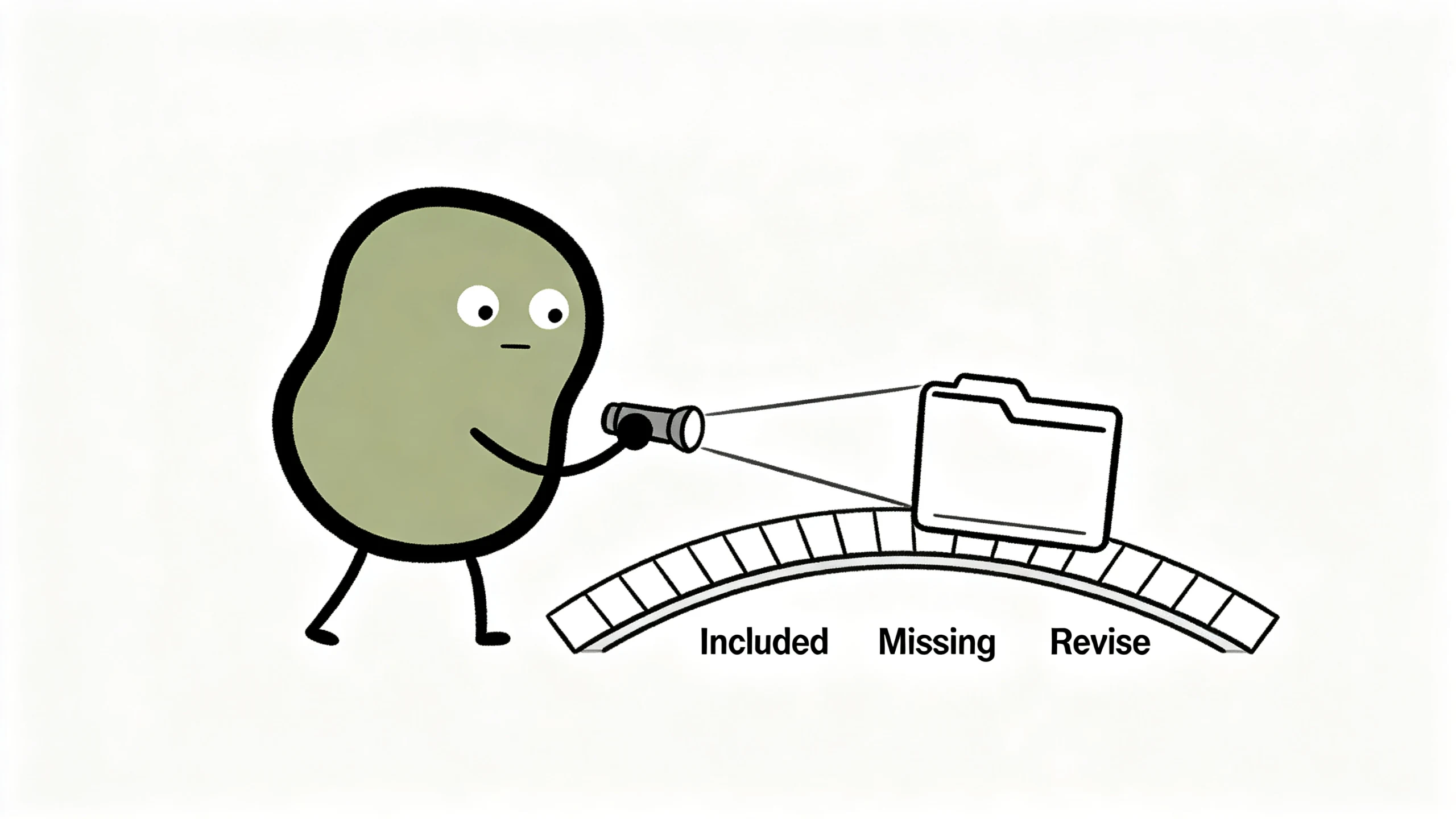
Build a comparison sheet with one row per deliverable and one column per proposal. Include the product revision covered, method or review activity, sample requirements, report language, named decision owner, stated turnaround assumptions, and exclusions. Mark unanswered items as unresolved. Do not convert an empty cell into an assumption that the service is included.
Ask what happens if the formula, fragrance, color, container, claim, or intended use changes after work starts. Does the provider review the change, amend the existing deliverable, or issue a new quote? Have it state the basis for that decision. A written change process is especially useful when the manufacturing and packaging teams are still developing samples in parallel.
Clarify how failed, inconclusive, or unexpected findings will be handled. Ask whether interpretation is included, what follow-up work could be required, and whether the quote covers a revised sample. Avoid asking for a guaranteed pass. The purpose of the work is to produce usable evidence and an informed decision about the actual product.
Make the manufacturer handover specific
Ask your manufacturing contact to identify which formulation and packaging details can be provided, who owns the records, and how confidential information will reach the authorized reviewer. Do not assume a general sales brochure contains enough technical detail for assessment. Establish a contact path so that requests do not repeatedly move between purchasing and unrelated support teams.
NailLegend’s compliance document page is a useful starting point for discussing available support. For a particular launch, confirm the records available for that product, their intended purpose, and any additional evidence requested by your reviewer. The presence of a document on a checklist does not certify the finished product for every market.
For example, a brand exploring private label body butter should identify its selected formula and jar before requesting a final evidence plan. A brand comparing sugar scrub manufacturing options should likewise distinguish the actual proposed format and pack. These are separate project briefs even when the same purchasing team manages both.
Approve the service scope alongside the launch plan
Before commissioning work, make sure the accepted proposal matches the final brief, lists the agreed deliverables, and names the people responsible for reviewing results. Link the testing plan to the sampling and packaging milestones. Ask providers to confirm timing for their actual scope; do not assign a universal testing duration or promise a launch date from an initial sales estimate.
Keep the accepted quote, product brief, correspondence resolving exclusions, and final deliverables together. That record helps future colleagues understand why work was commissioned and what it covers. If the product changes, the reviewer can start from a documented scope instead of reconstructing the launch from invoices.
To prepare the manufacturing side of your project, Contact Us with the destination market, product format, packaging, intended claims, and development stage. Request confirmation of available supplier documents and sampling arrangements. Final testing requirements belong in a project-specific plan agreed with the appropriate qualified reviewer.

Leave A Comment