
A limited edition can create urgency, give distributors a reason to call accounts, and let an emerging beauty brand test a new scent, color or ritual without committing to a permanent range. It can also trap cash in decorated packaging that cannot be reused. The difference is rarely the creative concept. It is the operating plan behind it.
This guide explains how B2B buyers should plan limited edition private label beauty products: what to lock first, where minimum order quantities come from, how to preserve a reorder option, and when to let a successful drop end. It applies to nail care, spa kits, bath and body products, gift sets and salon consumables. If you are still choosing between stock, private label and full custom development, start with our Private Label vs OEM vs ODM guide.
Why limited editions behave differently from permanent SKUs
A permanent SKU is built for repeatability. Its formula, components and artwork should remain available through several production cycles. A limited edition is built around a moment: a holiday, a retailer event, a seasonal scent, a salon promotion or a collaboration. That deadline changes the sourcing equation.
The buyer is managing three clocks at once:
- Demand clock: how long the market will care about the theme.
- Supply clock: how long formulation, components, printing, assembly and freight take.
- Cash clock: how quickly deposits and inventory return as collected sales.
A beautiful product that lands after the selling window is not a successful product. A drop that sells out immediately may still disappoint if the custom bottle needs eight weeks to reorder. The launch brief must therefore define the intended life of the collection before the factory prices it.
Start with one of three commercial jobs
Limited editions work best when they have a single job. Trying to achieve every objective usually creates too many custom parts and too much inventory.
| Commercial job | Best product approach | Main success metric |
|---|---|---|
| Test demand | Proven base formula, light scent/color change, standard packaging | Sell-through and repeat requests |
| Create an event | Seasonal presentation, giftable bundle, fixed launch date | Launch-period revenue and account participation |
| Win a buyer | Retailer- or distributor-specific pack, case configuration or label | Account order value and reorder potential |
For a first test, keep the formula and primary container stable while changing the label, carton, fragrance or bundle. Full custom formulation is appropriate when the product concept itself is the differentiator and the selling window is long enough to absorb development.
Build the MOQ from components, not from one headline number
There is no single MOQ for a finished beauty product. The effective minimum is usually the highest minimum among formula production, bottle or jar supply, decoration, label printing, carton printing and assembly. A factory may be able to fill 500 units while a custom molded cap requires several thousand pieces.
Ask for a component-level MOQ table:
- bulk formula batch size;
- standard container MOQ and available stock colors;
- screen printing, hot stamping or coating MOQ;
- pressure-sensitive label MOQ;
- folding carton and insert MOQ;
- finished-product assembly MOQ;
- master carton quantity and mixed-SKU rules.
This makes the trade-offs visible. If a custom bottle drives the order from 500 to 5,000 units, a stock bottle with a distinctive label may protect the limited-edition economics. Our broader private label beauty MOQ guide explains how formula and packaging minimums interact.
Design the reorder window before launch
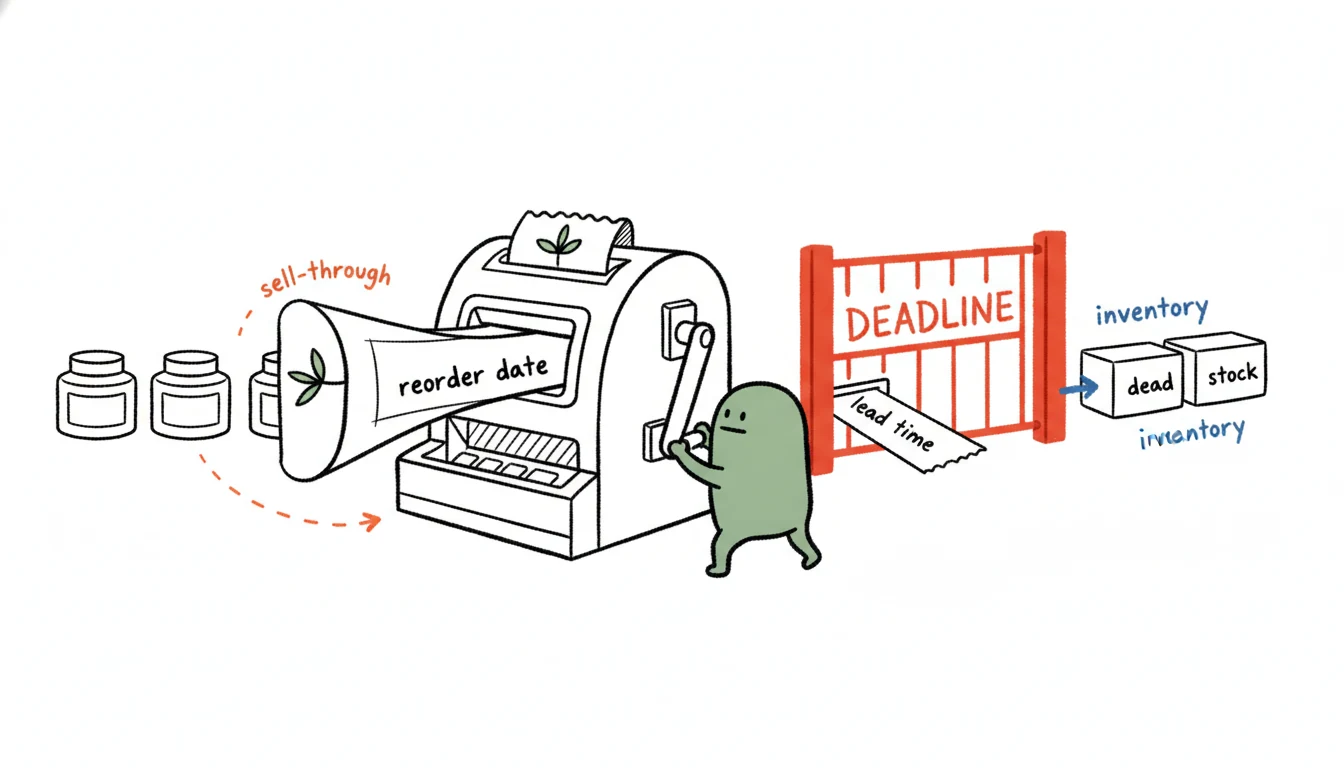
Consumer comments such as “I need a second bottle” are valuable because they expose the tension between scarcity and replenishment. The brand must decide in advance whether scarcity is part of the promise or whether a fast second run is desirable.
Put each product into one of these policies:
- One and done: no reorder; communicate the fixed quantity honestly.
- Conditional reorder: reserve components or production capacity if a sell-through threshold is reached by a decision date.
- Seasonal repeat: archive the approved formula, artwork and specifications for a future annual run.
For a conditional reorder, work backward from the last commercially useful delivery date. Subtract production, packaging replenishment, quality release and freight. The remaining date is the reorder decision deadline. A reorder rule written after the launch is usually too late.
Separate reusable assets from seasonal assets
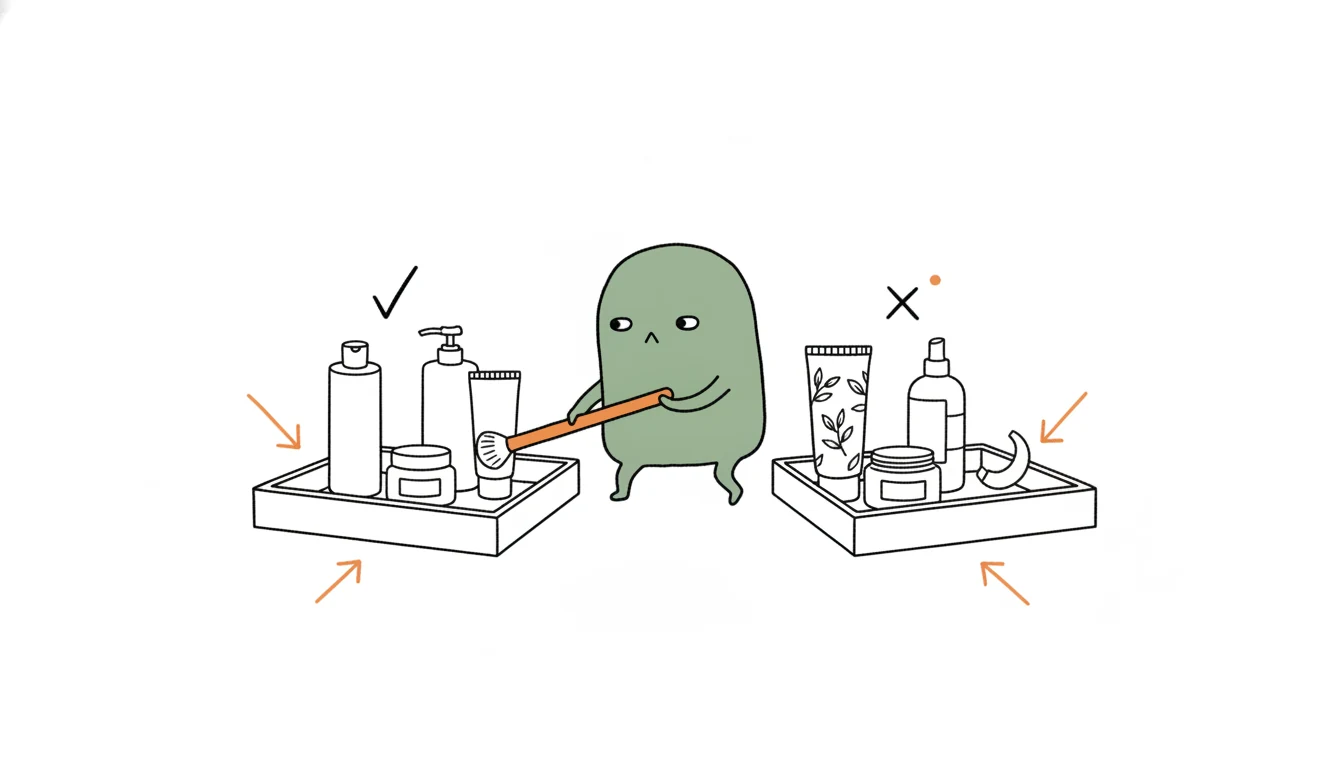
A strong limited-edition bill of materials contains a reusable core. Standard bottles, pumps, jars, tools and base formulas can support the permanent range or another campaign. Seasonal exposure should sit in labels, sleeves, cartons, inserts or small accessories whenever possible.
Classify every component:
- Reusable: can move into another SKU without misleading customers.
- Reworkable: can be relabeled or repacked at an acceptable cost.
- Dead stock if unused: dated cartons, named collaboration packaging or unique colors.
Negotiate ownership and storage terms for leftover components. Confirm who paid for them, how long the supplier will hold them, what storage conditions apply, and whether the balance can be shipped to you. A low finished-product quote can conceal a large commitment to unused printed material.
A realistic launch timeline
The exact lead time depends on the product and customization level, but the sequence is consistent. Treat the following as planning gates rather than a universal promise:
- Commercial brief: target customer, channel, launch date, target landed cost and quantity.
- Feasibility: formula route, packaging availability, MOQ and claim review.
- Sample approval: product performance, color, scent, application and compatibility.
- Artwork approval: dielines, required label information, barcodes and case marks.
- Production: bulk manufacture, component arrival, filling and assembly.
- Quality release: agreed inspections and document pack.
- Freight and receiving: buffer for customs, warehouse booking and account allocation.
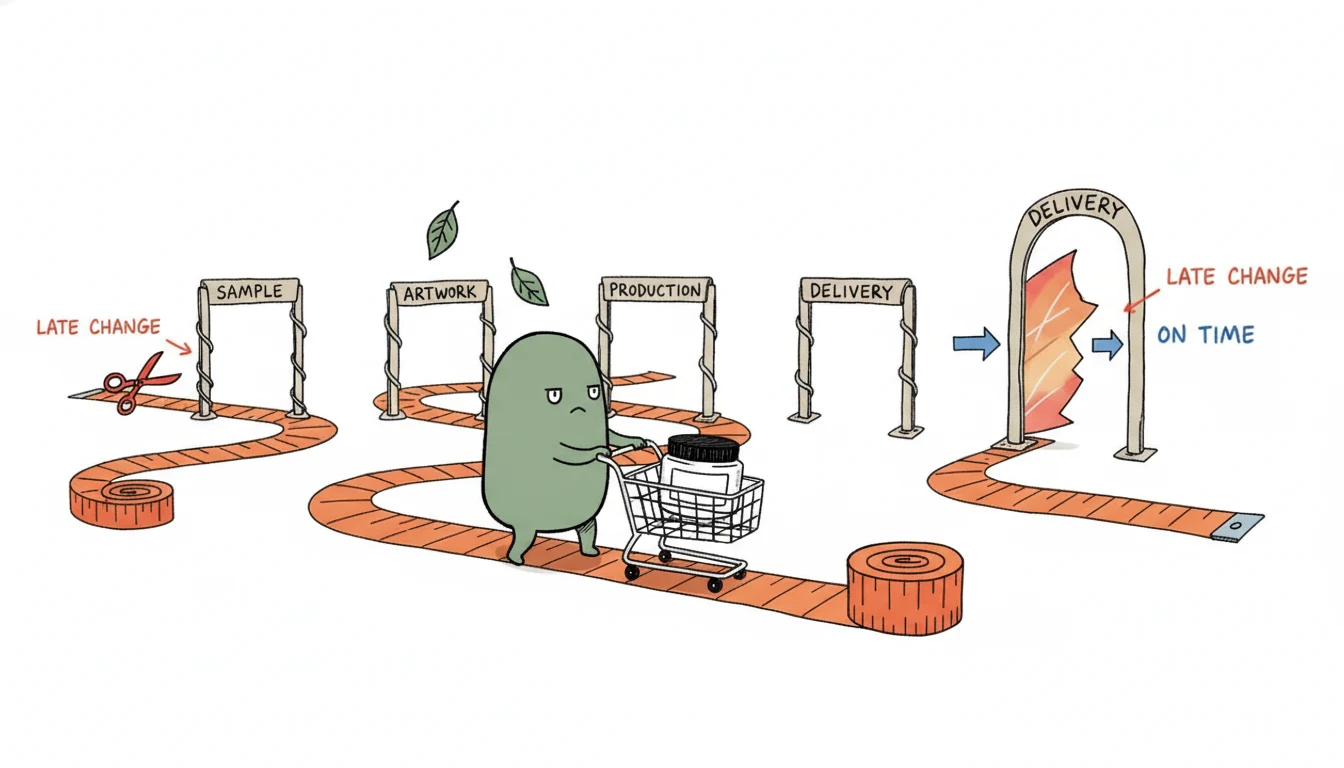
Do not advertise a launch date based only on the filling lead time. Packaging and approvals are frequent critical-path items. Ask the supplier to identify which approval freezes the schedule and what happens if artwork changes afterward.
Use sell-through triggers instead of optimism
Before placing the purchase order, define the decisions the data will drive. A simple weekly dashboard can track wholesale orders, units shipped, units held by distributors, consumer sell-through where available, returns, samples and wait-list demand.
Useful triggers include:
- reserve a second production slot when a defined share is committed;
- release safety stock when priority accounts have received allocation;
- stop paid replenishment when the reorder would arrive after the selling window;
- promote the best-performing scent or format into the permanent range only after margin and repeat demand are validated.
Do not confuse a fast sell-out with proven scale. A tiny quantity can sell quickly while still being too small to support a larger custom run. Compare the next MOQ with realistic reorder demand, not launch excitement.
What to include in the supplier brief
A quote-ready limited-edition brief should include product format, target quantity, acceptable quantity range, target market, required delivery date, formula change, fragrance/color direction, primary package, decoration, secondary packaging, case pack, required documents, sample quantity and shipping destination.
Also state what can change if MOQ or timing is not feasible. For example: “stock jar acceptable; custom label required; carton optional.” This lets the supplier return a workable alternative instead of a simple rejection.
Nail Legend supports OEM and private-label planning across professional nail, spa and body-care formats. Review our OEM capabilities or browse the product range, then send a commercial brief to request a quote. We will confirm MOQ, packaging options, customization scope and lead time for the specific project rather than treating one catalog number as universal.
Frequently Asked Questions
What is a practical MOQ for a limited-edition beauty product?
It depends on the highest component minimum. A standard formula and stock package with a custom label usually supports a lower trial quantity than a custom formula, coated bottle and printed carton. Request the MOQ for each component before selecting the design.
Can several scents or colors share one MOQ?
Sometimes, but formula batching and filling changeovers may create a minimum for each variant. Packaging may be shared even when the bulk product cannot. Ask for both the total order minimum and the per-variant minimum.
Should a successful limited edition become permanent?
Only when repeat demand, margin, component availability and channel fit support it. A launch sell-out is a useful signal, but it is not enough by itself to justify a permanent SKU.
How can a brand keep a fast reorder option?
Use standard components, approve specifications early, reserve critical packaging, agree a reorder decision date, and clarify whether the supplier can hold bulk or components. Any reservation should state quantity, cost and expiry.
When should IndexNow and search promotion begin?
Publish evergreen sourcing content before the commercial launch when possible, but submit product URLs only after they are public and complete. The content should remain useful after the seasonal selling window.


Leave A Comment