
A sugar scrub quotation is useful only when the buyer understands what one quoted unit includes. A jar, a filled jar with a seal, a labeled jar in a carton, and a complete gift-ready pack are different purchasing scopes. Sorting the totals without resolving those differences can make an incomplete offer appear more attractive than a complete one.
This guide helps brand owners and wholesale distributors compare quotations for an already defined scrub project. It focuses on building a common cost basis rather than predicting factory prices. Begin with the options on our sugar scrub manufacturing page, then ask each supplier to price the same specification and identify every exception.
Put every quote on the same product specification
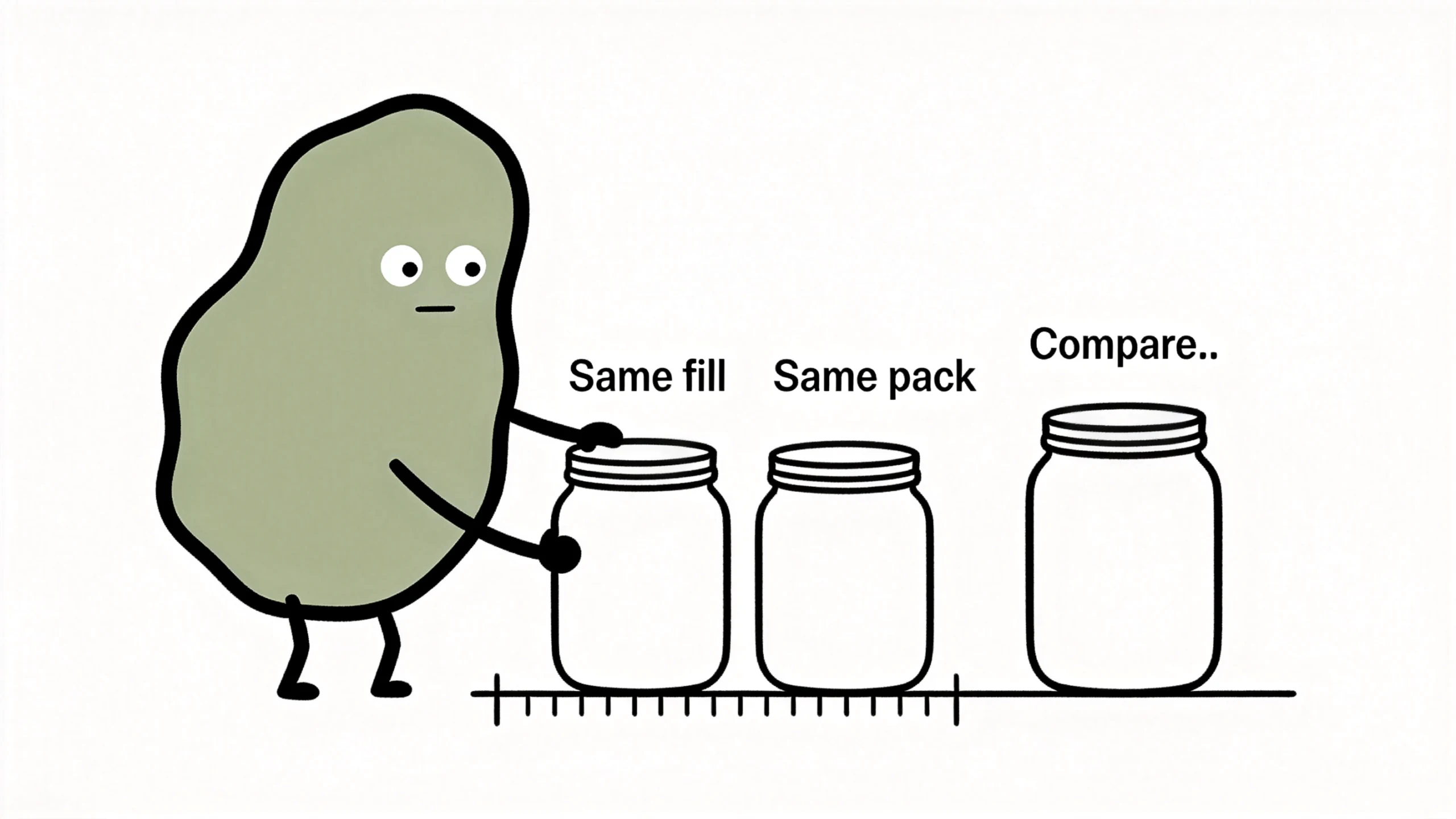
Create one request for quotation document with a revision date. Identify the proposed formula or approved sample reference, intended use, target market, fragrance, color, texture brief, and nominal net content. If the formula has not been selected, label that part of the project as provisional. Avoid comparing an available base against a custom development proposal as though both contain the same work.
Define the container just as carefully. Include the jar or other pack, closure, liner or seal requirements, label, decoration, individual carton, and outer shipping case. State whether you will provide artwork or need a separate service. If the project has several scents or label versions, provide the quantity breakdown rather than only an overall order total.
Ask each supplier to return the same specification with its proposed deviations marked. This is more useful than trying to reconcile inconsistent brochures after quotations arrive. Our sugar scrub product page is a starting point for discussing the product; the accepted project brief should identify the exact version being quoted.
Separate recurring unit costs from project costs
Build distinct rows for the quoted finished product, packaging components, development or sampling work, artwork support, tooling if applicable, and any other project charge. Ask whether a line is included, separately charged, refundable under stated conditions, or outside the offer. Do not assume a charge will disappear on a repeat order unless the supplier confirms that treatment.
For internal comparison, show both the initial-order total and the stated repeat-order basis. If you allocate a one-time charge across units, label that allocation as your planning calculation. Keep it separate from the supplier’s recurring unit quotation. Otherwise, colleagues may mistake an internal allocation for a future purchase price.
Check the quantity basis for every component. The finished-product quantity and the purchasing quantity of printed packaging may be different. Ask who owns unused components, where they will be stored, and how future artwork changes affect them. Record the answer as a commercial condition rather than inventing a universal packaging minimum.
Separate factory scope from destination costs
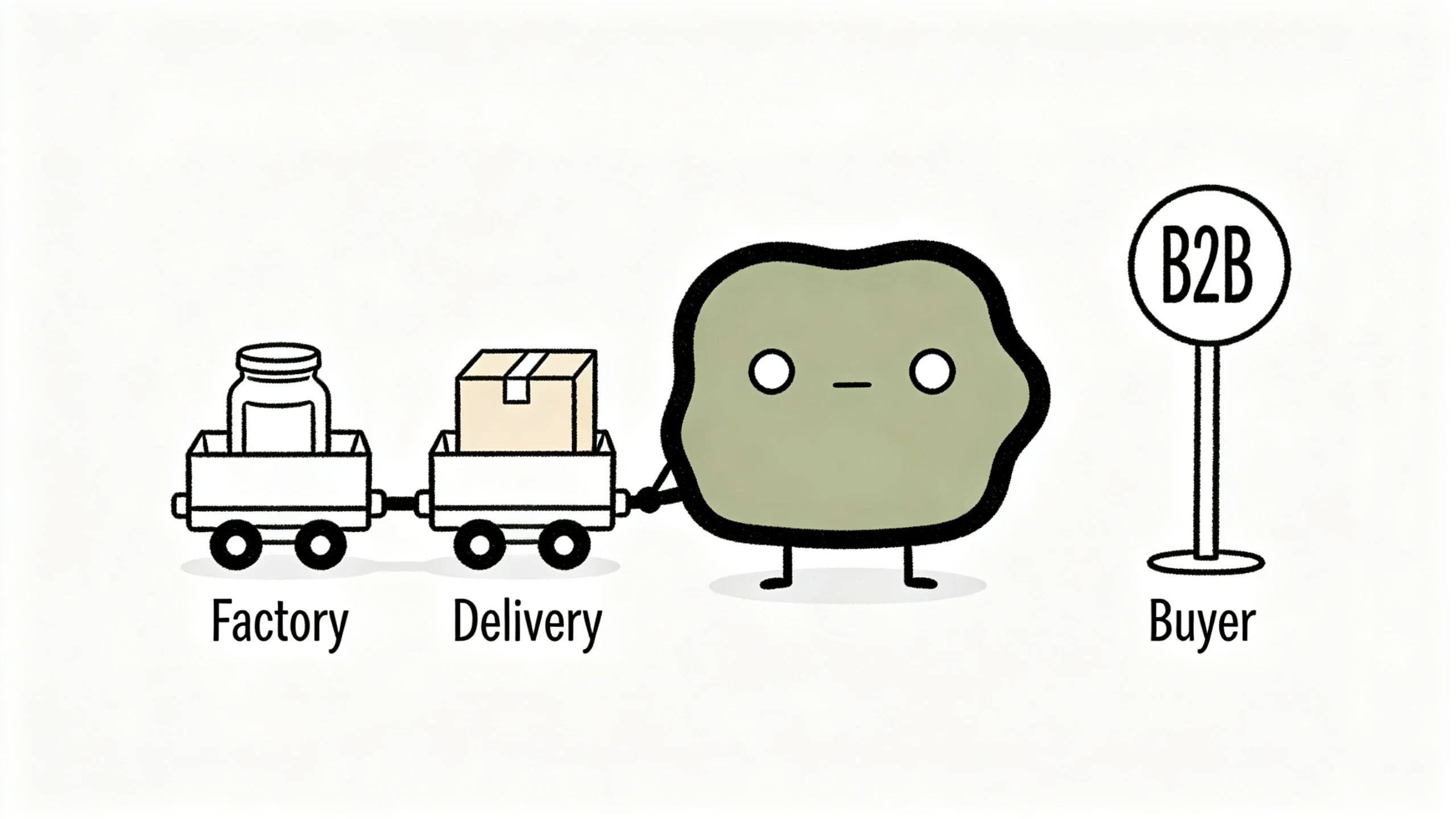
Request the delivery term, named place, currency, and quotation validity. The U.S. International Trade Administration explains that Incoterms clarify buyer and seller responsibilities for costs, tasks, and risk. They do not replace the complete sales contract or determine every commercial condition. See its Incoterms overview when preparing the logistics questions.
Keep factory scope and buyer-side estimates in separate columns. Ask a qualified logistics provider to identify the applicable freight, handling, customs-related charges, and destination costs for your shipment. Record the estimate date and its assumptions. Do not combine a confirmed manufacturing quote with an unmarked transport guess and present the result as a firm landed offer.
When two suppliers use different delivery terms, ask for a comparable basis or build a documented reconciliation. Identify who supplies each missing figure and who bears the corresponding responsibility. A lower quoted amount at one delivery point is not enough information to rank offers delivered to another point.
Choose a denominator that matches the buying decision
For an initial comparison, calculate cost per quoted finished unit using the same scope and quantity. If jar sizes differ, a second comparison per unit of net content can make the difference visible, but it does not make the two products equivalent. Keep the packaging and presentation differences beside the calculation.
For receipt planning, distinguish ordered units from accepted usable units. A transparent internal expression is: included order costs divided by the number of accepted units. Define which costs are included and avoid presenting a forecast acceptance rate as a proven supplier result. Update the calculation with actual receiving records once they exist.
Ask how shortages, damaged packs, or other agreed nonconformities will be documented and resolved. The answer belongs in the purchase agreement. Do not hide an assumed replacement allowance inside a unit-cost estimate. A visible uncertainty is easier to manage than an apparently precise figure built on an unstated assumption.
Choose with a written comparison and exception log
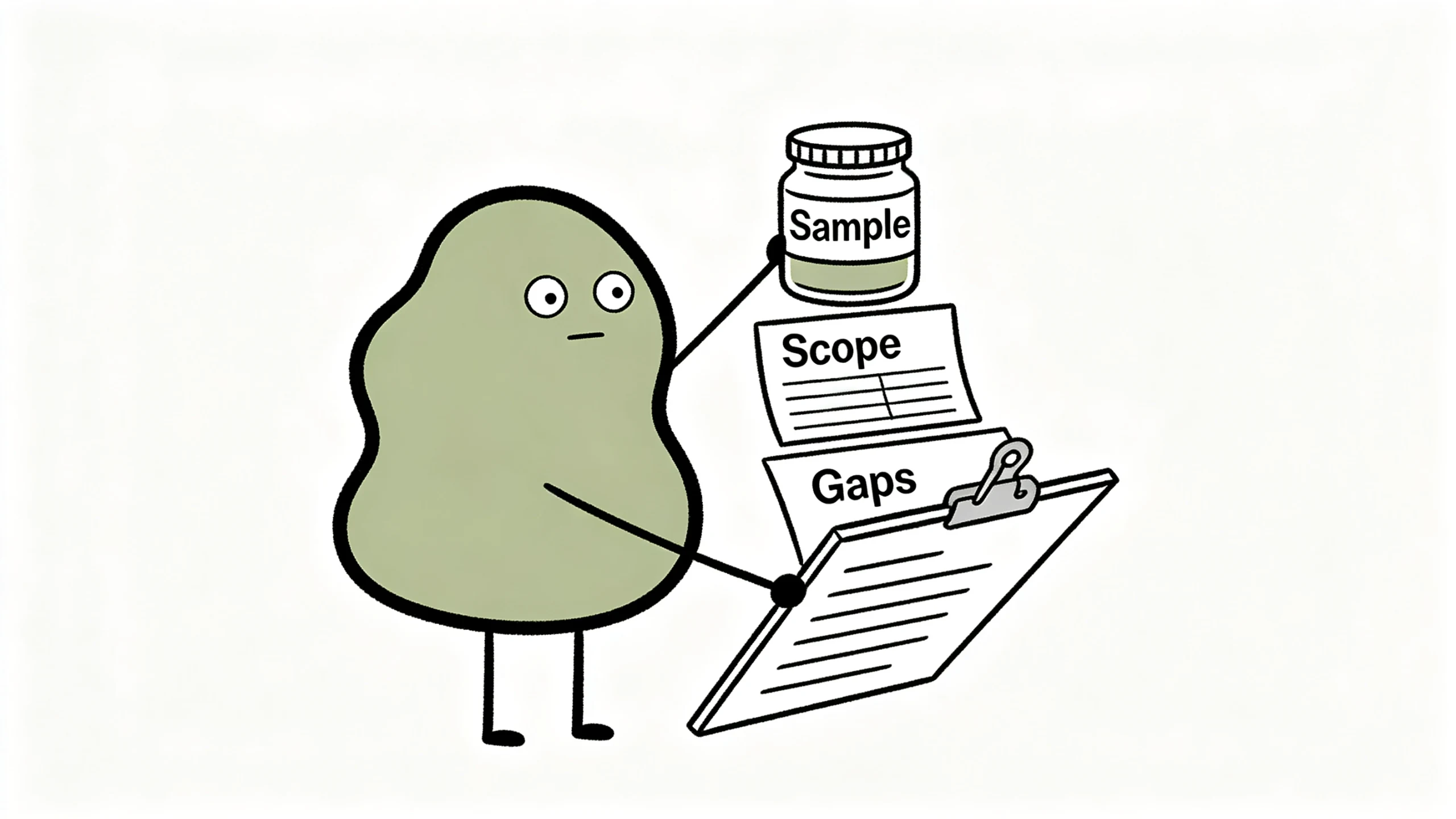
Your comparison sheet should connect each quote to its specification revision, sample reference, packaging scope, quantity breakdown, delivery basis, and exclusions. Give unresolved items an owner and a due date. Leave a proposal unranked if a material scope question prevents a fair comparison.
Keep commercial evaluation separate from sample acceptance. A quote can be complete while the proposed product remains unapproved. Likewise, an attractive sample does not resolve missing commercial conditions. Ask the team to close both sets of questions before issuing the bulk order.
Use NailLegend’s OEM capabilities overview to frame questions about customization and packaging. For supporting records, consult the compliance document overview and confirm what is available for the selected scrub. Neither page substitutes for a project-specific quotation or product review.
Send a brief that makes the next quote easier to compare
Provide the destination market, intended channel, product reference, net content, packaging, scent or variant breakdown, artwork status, and expected order quantities. Identify which choices are fixed and which can be proposed as alternatives. Ask the supplier to keep alternative configurations on separate quotation lines.
Request written confirmation of the minimum order for the actual formula and packaging combination. Ask for the expected sampling and production sequence, including the approvals required before each stage. Do not turn a general lead-time range into a guaranteed delivery date. The sequence should reflect the specification you are actually considering.
Once replies arrive, resolve the largest scope gaps first. It is usually more useful to clarify whether packaging or delivery is included than to debate small differences between totals that still represent different products. Keep the resulting answers with the quotation so future reorders use the same cost basis.
To start that discussion, Request a Quote with your scrub brief and preferred quotation format. Ask for a clear list of inclusions, exclusions, and assumptions. That gives your purchasing team a defensible comparison and gives the supplier a defined scope to confirm.



Leave A Comment