
This guide is written for brands and distributors briefing a private label foot mask manufacturer. Knowing the three formula families — moisturizing, exfoliating, and peeling — lets you judge a sample, set the right spec, and order with confidence (MOQ from 200kg / 52 gallons, with custom serum and packaging options).
The Three Mask Families
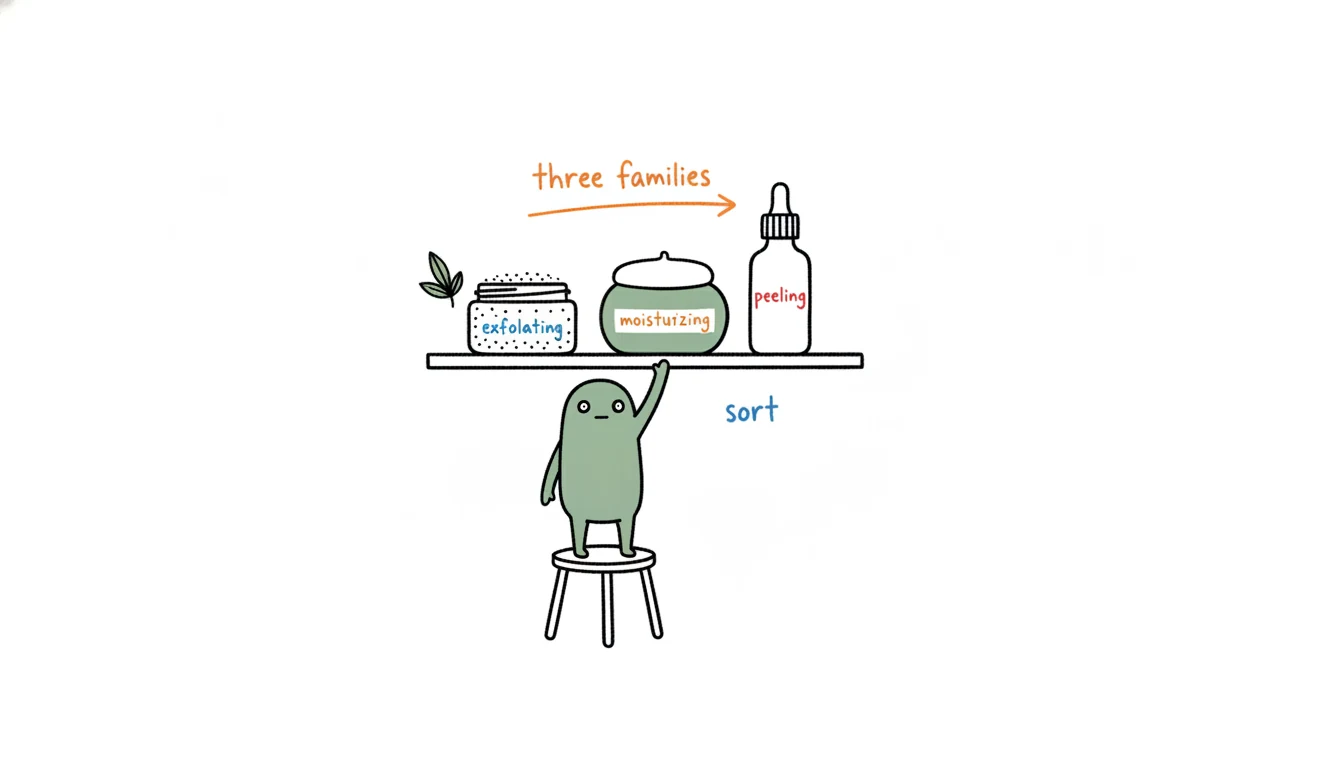
- Moisturizing masks: A rich serum of humectants, oils, and butters in a sock or glove that softens and hydrates over 15–20 minutes. The everyday, broadly-liked format with the lowest safety risk.
- Exfoliating masks: A serum with mild acids or enzymes that smooths rough skin during a single wear, without the dramatic shedding of a peel. A middle ground between moisturizing and peeling.
- Peeling masks (foot peels): A higher-strength AHA/BHA serum that triggers visible skin shedding over 5–14 days after a single use. The highest-demand, highest-margin, and most safety-sensitive type.
Key Actives in Foot Mask Formulation
The serum is where foot mask formulation lives:
- Humectants: Glycerin, hyaluronic acid, and urea draw and hold moisture — the backbone of moisturizing masks.
- Emollients: Carrier oils and butters (shea, cocoa) soften and seal; they define after-feel.
- Exfoliating acids: Glycolic, lactic, and salicylic acids drive peeling and smoothing — concentration and pH set the strength.
- Enzymes: Fruit enzymes offer gentler exfoliation for a milder peel positioning.
- Soothing agents: Aloe, allantoin, and botanical extracts calm skin, important alongside acids.
Moisturizing vs Exfoliating vs Peeling: Choosing for Your Brand
Each family suits a different buyer and price point:
- Moisturizing is the safe, broad-appeal launch product — easy to use, gift-friendly, low risk.
- Exfoliating serves the “smooth, soft feet fast” promise without the commitment of a multi-day peel.
- Peeling drives the strongest social and repeat demand but needs the most careful formulation, instructions, and labelling.
Many brands launch a moisturizing mask first and add a peel once the line is established.
Serum, Material & Fit
Beyond the serum, two physical factors make or break a sock-or-glove mask. Serum saturation — the volume per pair and how evenly the bootie is soaked — determines the result; under-saturated masks disappoint. Material and fit matter for comfort and reviews: the bootie should stretch to a range of sizes, stay sealed during wear, and not leak. Specify serum volume, material, and size range when you brief your manufacturer.
Safety & Labelling for Peeling Masks
Peeling masks use exfoliating acids, so safety and labelling are part of the formulation, not an afterthought. The formula must balance efficacy against irritation, and the pack must carry clear usage instructions, wear time, frequency limits, and contraindications. Confirm your manufacturer provides an accurate full INCI ingredient list and the documentation your destination market requires, and keep marketing claims aligned with what the formula actually does.
Common Formulation Pitfalls
- Under-saturated socks: Too little serum per pair leaves a weak, disappointing result.
- Harsh peels: Acid strength or pH set too aggressively causes irritation instead of clean shedding.
- Greasy or tacky after-feel: An unbalanced emollient system in moisturizing masks.
- Leaking sachets or booties: A sealing and material failure that ruins the unboxing.
The Science of pH & Acid Strength in Peels
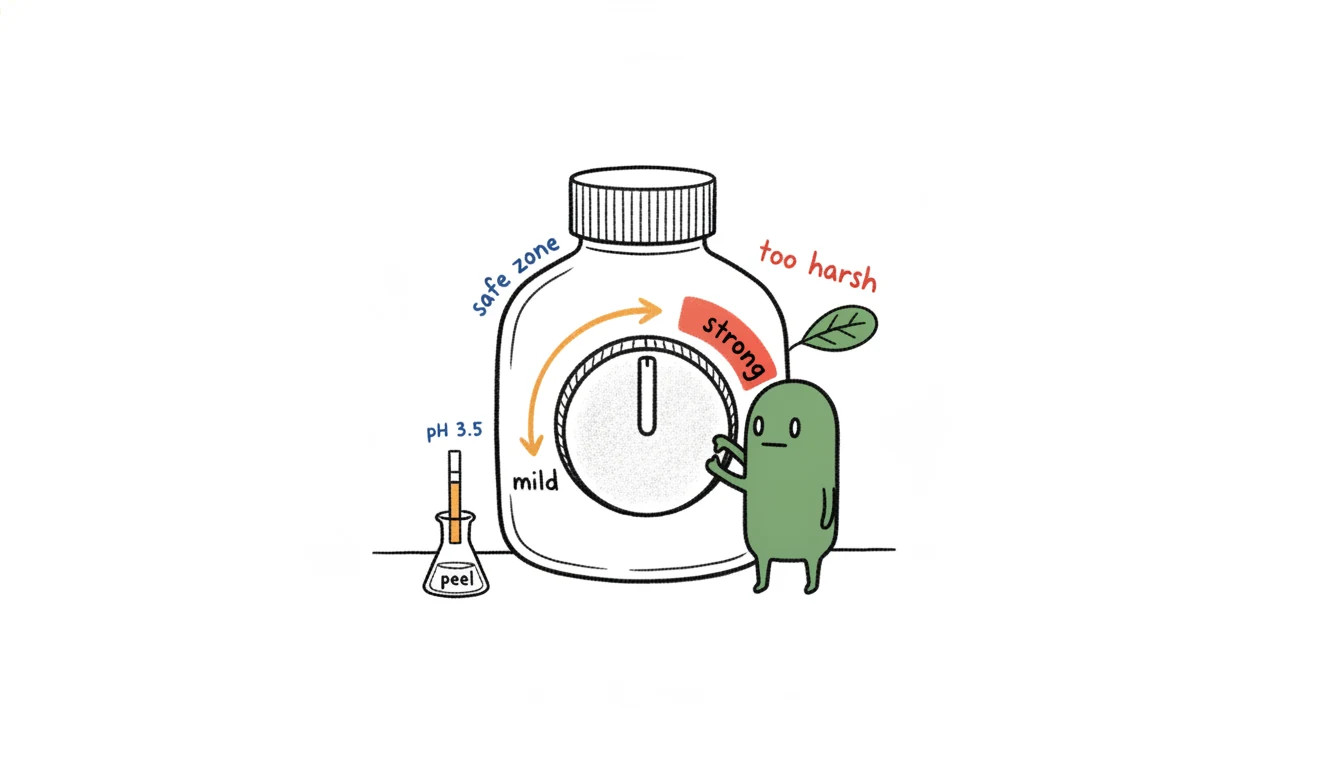
Peeling masks live or die on acid chemistry. The exfoliation comes from AHAs (glycolic, lactic) and BHAs (salicylic) loosening the bonds between dead skin cells, and two variables control how aggressive that is: the concentration of acid and the pH of the serum. A lower pH makes the same concentration more active — and more irritating. Good foot mask formulation finds the window where the peel reliably triggers shedding over several days without causing burning, stinging, or excessive redness. This is why a peel is not simply “more acid is better”: an over-aggressive formula generates returns and complaints, while an under-active one fails to peel and disappoints. When you brief a manufacturer, describe the result and comfort level you want and let them set concentration and pH, then judge against the sample.
Material & Fabric Science
For sock and glove masks, the bootie material is part of the formulation, not just packaging. The fabric must hold and slowly release the serum against the skin for the full wear time, stretch to fit a wide range of foot and hand sizes, and seal at the ankle or wrist so it does not leak or slide off. Materials range from non-woven fabrics to more comfortable spunlace blends; the choice affects comfort, serum retention, and cost. A mask that fits poorly or leaks ruins the experience regardless of how good the serum is, so confirm material, size range, and seal design alongside the formula.
Stability & Preservation
A mask serum is a water-rich cosmetic, which means it needs a preservation system to stay safe over its shelf life — without it, a sealed sachet is a breeding ground for microbes. The preservative must be effective, skin-safe, and compatible with the actives (some preservatives are unstable at the low pH peels require). A capable manufacturer runs stability and preservative-efficacy testing and can state a shelf life. Ask how the serum is preserved, what shelf life they guarantee, and how the sachet seal protects the product in transit and on the shelf.
Regulatory by Market
Where you sell shapes what your foot mask formulation must document. In the United States, the Modernization of Cosmetics Regulation Act (MoCRA) has raised expectations around facility registration, ingredient listing, and safety substantiation — relevant for any acid-based peel. The EU requires a Cosmetic Product Safety Report and Responsible Person, with strict labelling rules. Australia and other markets have their own ingredient and labelling requirements. You do not need to master each regime, but your manufacturer must be able to supply an accurate full INCI list and the safety documentation your destination market expects. Keep marketing claims aligned with what the formula actually does — over-claiming on a peel invites both regulatory and reputational risk.
Testing Protocols Before You Scale
- Patch & wear testing: Confirm the mask performs and is tolerated over the intended wear time and, for peels, the full shedding period.
- Stability testing: Verify the serum holds up over shelf life under normal and elevated-temperature conditions.
- Preservative-efficacy (challenge) testing: Confirms the preservation system actually protects the product.
- Seal & transit testing: Make sure sachets survive your real shipping lane without leaking.
A manufacturer who runs these as standard is a different risk profile from one who ships on a handshake.
Hand Mask vs Foot Mask: Formulation Differences
Hand and foot masks share a serum logic but are not identical. Foot skin — especially the heel — is far thicker and more callused, so foot peels run higher acid strength and longer shedding timelines than anything you would put on hands. Hand skin is thinner, more visible, and ages faster, so hand masks lean toward intensive hydration, brightening, and anti-aging actives rather than aggressive exfoliation. Glove and bootie sizing differs too. The practical upshot for a private-label buyer is that you can usually run a shared moisturizing serum across hand and foot formats to launch a bundle efficiently, but a hand “peel” should be markedly gentler than a foot peel — a manufacturer who proposes the identical high-strength acid serum for both is cutting a corner. Brief each application separately even when you bundle them.
How to Evaluate a Sample
Judge a foot mask formulation sample the way a customer will: serum feel and absorption, scent at use, bootie fit and seal, comfort during wear, and — for peels — the shedding result over the following days. A sample that performs across all of these is the clearest early signal a production run will hold up. For supplier selection and quality signals, see the foot mask manufacturer guide.
Browse the wholesale hand & foot mask range or a representative private label hand mask to see formats and formulas in practice, then request a quote.
Frequently Asked Questions
What is the difference between moisturizing, exfoliating and peeling foot masks?
Moisturizing masks hydrate and soften with humectants and oils, exfoliating masks smooth rough skin with mild acids or enzymes in a single wear, and peeling masks use stronger AHA/BHA serums that trigger visible skin shedding over several days.
What actives are used in foot mask formulation?
Common actives include glycerin, hyaluronic acid and urea for moisture, glycolic, lactic and salicylic acids for exfoliation and peeling, fruit enzymes for gentle exfoliation, and aloe or allantoin to soothe.
Are foot peel masks safe?
Yes when formulated and labelled correctly. The formula must balance efficacy against irritation, and the pack must carry clear usage, wear-time, and frequency guidance plus accurate ingredient documentation for your market.
Why do some foot masks underperform?
The most common cause is under-saturation — too little serum per pair — followed by poorly balanced actives or a bootie that does not fit or seal well. Serum volume and material are as important as the formula.
Should I launch with a moisturizing or peeling mask?
Many brands launch a moisturizing mask first because it is low-risk and broadly liked, then add a peeling mask once the line is established and the demand is proven.



Leave A Comment