
Understanding how foot cream and mud mask formulation works helps you brief a manufacturer accurately, judge a sample, and make honest, sellable claims. A treatment mask lives and dies on its formula — the right clays, emollients, and actives deliver a result a customer can feel, while a thin scented base delivers complaints. This guide breaks down the ingredients, the difference between cream and mud, the actives that back a claim, the texture that signals quality, and how to evaluate what a supplier sends you.
Cream Mask vs Mud Mask: Two Different Formulations
The starting point of any mud mask formulation decision is whether you are building a cream mask or a mud mask, because they are genuinely different products. A cream mask is an emulsion built around emollient oils, butters, and humectants to hydrate and soften the skin — it is occlusive and conditioning, ideal for dry, rough feet. A mud mask is built around purifying clays suspended in a base, designed to draw oil and impurities as it sets — it is the detox-and-purify product. Some lines run a hybrid (a clay-rich cream), but most pick a lane based on the benefit they want to sell.
Key Ingredients in Mud Mask Formulation
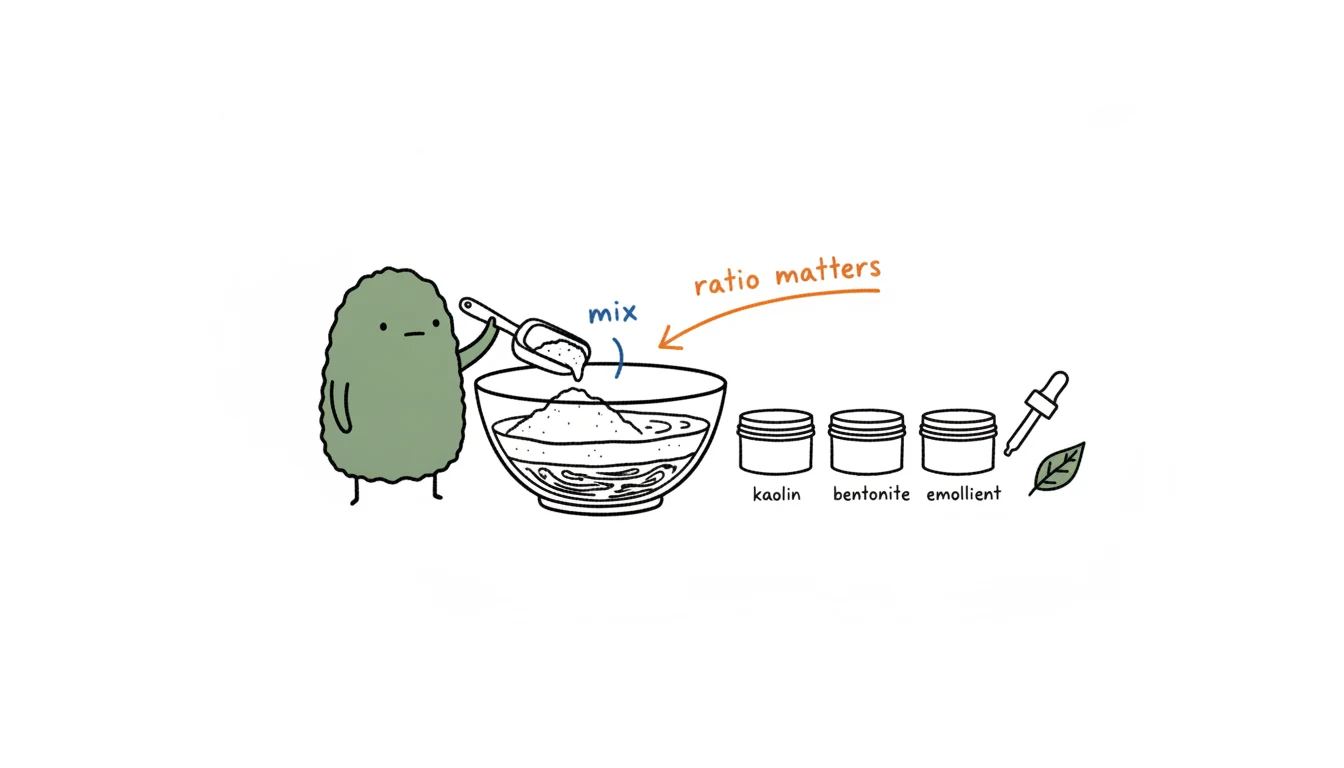
- Clays (kaolin, bentonite): The functional core of a mud mask — they absorb oil and impurities and give the draw-and-purify result.
- Base & thickeners: The matrix that holds the clay and controls spreadability and set time.
- Humectants & emollients: Glycerin and light oils that keep the mask from over-drying and stripping the skin.
- Actives & extracts: Detoxifying or soothing botanicals (tea tree, charcoal, green tea) that support the positioning.
- Fragrance & color: Scents and natural-look tints chosen to stay stable in a clay base.
Key Ingredients in Cream Mask Formulation
- Emollient oils & butters: Shea, cocoa, or carrier oils that soften and condition rough skin.
- Humectants: Glycerin and similar agents that pull and hold moisture for a hydrating result.
- Emulsion system: The water-and-oil base that gives a smooth, rich, spreadable cream.
- Soothing actives: Aloe, allantoin, urea, or panthenol for a repair-and-comfort story.
- Fragrance: Stable scents that perform in a rich emulsion.
The Actives That Back a Claim
This is where a treatment mask earns its price. A “detoxifying” mud mask should actually contain meaningful clay; a “hydrating” cream mask should contain real humectants and emollients; an “exfoliating” mask should contain a genuine exfoliant. The most common shortcut in mud mask formulation is to scent and color a cheap base and label it with a benefit it cannot deliver — which produces a product that fails in the field and erodes trust. When you brief a manufacturer, specify the claim you want to make and ask them to formulate the actives that genuinely support it, then verify against the sample. Honest, deliverable claims are both a compliance requirement and a brand asset.
Texture & Set Behavior
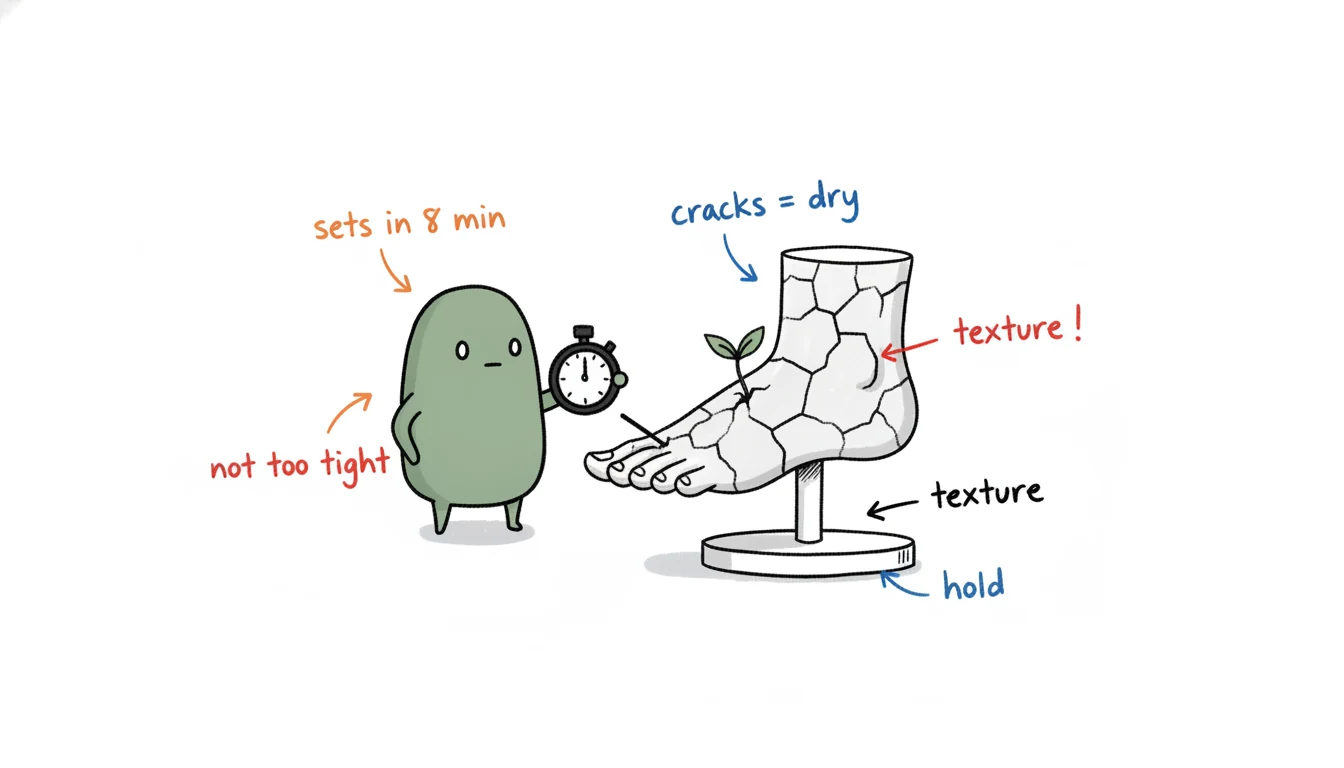
Texture is the most immediate quality signal in a mask. A good cream mask spreads smoothly, stays put, and feels rich without being greasy. A good mud mask spreads evenly and sets to a controlled degree — enough to feel the draw, not so much that it cracks painfully or is impossible to rinse. In mud mask formulation, the set time and rinse-off are tuned deliberately: too fast and it cracks before the service is done, too slow and it never delivers the sensory result. When you judge a sample, watch how it spreads, how it sets over the service window, and how cleanly it rinses — these tell you more about formulation quality than the ingredient list alone.
Foot-Specific Considerations
A foot cream or mud mask has particular demands. Feet have thick, often dry or calloused skin, so a foot mask runs richer and more occlusive than a facial mask, and a foot mud mask leans harder on softening as well as purifying. The mask is usually applied after a soak and exfoliation, when the skin is primed to absorb, and is often left under a sock or wrap to boost penetration. This means a foot mud mask formulation should be comfortable to leave on, easy to rinse from textured skin, and rich enough to address dryness that a thin facial formula would not touch. Tell your manufacturer the mask is for feet so the richness and actives are tuned for that skin.
Claims, Labelling & Compliance
Treatment masks invite benefit claims, and those claims carry responsibility. Keep “detoxifying,” “purifying,” “hydrating,” and “exfoliating” language aligned with what the formula actually does, provide an accurate full INCI list, and meet the labelling requirements of your destination market. Cosmetic claims are increasingly scrutinised by retailers and regulators, so a claim your formula cannot support is both a compliance and a brand risk. A capable manufacturer supplies the documentation that backs your claims and helps you word them defensibly.
Common Formulation Pitfalls
- All scent, no actives: A perfumed base labelled with a benefit it cannot deliver — the most common failure.
- Over-drying mud: Too much clay with no humectant leaves skin tight and irritated instead of refreshed.
- Cracking or impossible rinse-off: Poorly tuned set behavior frustrates therapists and clients.
- Separation in the tub: A mask that separates or dries at the surface signals an unstable formula.
How to Evaluate a Sample
Judge a mask sample the way it will be used in a service. For a cream mask: how smoothly it spreads, how the skin feels during and after (soft, conditioned), and whether dryness is visibly improved. For a mud mask: how evenly it applies, whether it sets to a satisfying draw without cracking, how cleanly it rinses from textured skin, and how the skin feels afterward — purified but not stripped. In both cases assess scent stability and texture consistency. A sample that performs across these — with actives that genuinely back its claim — is the clearest early signal a production run will hold up. For supplier selection and the wider sourcing picture, see the cream mask manufacturer guide.
Shelf Life, Preservation & Stability
A leave-on mask sits in a tub or jar and is dipped into repeatedly, so preservation and stability are part of the mud mask formulation brief, not an afterthought. A water-containing cream or clay mask needs an adequate preservative system to stay safe through repeated openings over its shelf life, and the texture must hold — no separation, surface drying, or hardening at the rim. Clay masks in particular can stiffen if the water balance is wrong, while cream masks can split if the emulsion is weak. Ask your manufacturer what shelf life they state, how they preserve the formula, and how they confirm the mask stays smooth and usable from the first scoop to the last. A mask that dries out or separates in the tub generates returns, which a private-label brand cannot absorb on a treatment product.
Scent & Sensory Experience
For a treatment mask, the sensory experience is part of the result the customer is paying for — a spa mask is meant to feel like a treat, not just work. Scent should be pleasant and on-brand, stable in a clay or rich-cream base (some fragrances drift or fade on clay), and aligned with the positioning: cooling mint for a refreshing foot mask, lavender for relaxation, citrus for an energizing detox story. Color and the feel on application matter too — a clean, even, spa-like texture reinforces the premium positioning that justifies the price. When you brief a mud mask formulation, treat scent and sensory feel as functional specs, not decoration, because they drive both the in-service experience and repeat purchase.
Building a Treatment Range Around the Mask
A mask is strongest as part of a treatment range, so formulate it to fit a sequence rather than stand alone. Pair a hydrating cream mask or detoxifying mud mask with a foot soak, an exfoliant, a foot mask, and a finishing massage lotion, and you have a complete, sellable pedicure or body treatment under one brand. Sourcing the whole sequence from one manufacturer keeps the scents coherent, simplifies your supply chain, and lets you sell the treatment as a set — which is worth more than the mask alone.
Browse the wholesale cream & mud mask range or a representative private label foot cream & mud mask to see textures, actives, and formats in practice, then request a quote.
Frequently Asked Questions
What is in a mud mask formulation?
A mud mask is built around purifying clays such as kaolin and bentonite that absorb oil and impurities, suspended in a base with thickeners, plus humectants and emollients to prevent over-drying, supporting actives or extracts, and stable fragrance and color.
What is the difference between a cream mask and a mud mask?
A cream mask is an emulsion of emollient oils, butters, and humectants that hydrates and softens skin, while a mud mask uses clays to draw oil and impurities for a detox-and-purify result. Cream is for dry skin, mud is for purifying.
How do you formulate a mask for feet specifically?
Foot masks run richer and more occlusive than facial masks because foot skin is thick and often dry or calloused. They are tuned to soften as well as purify, be comfortable to leave on under a sock, and rinse cleanly from textured skin.
What actives back a detox or hydration claim?
A detoxifying claim should be backed by meaningful clay content (kaolin, bentonite, charcoal), and a hydrating claim by real humectants and emollients like glycerin, shea, and aloe. Claims must align with what the formula actually delivers.
How do I judge a cream or mud mask sample?
Watch how smoothly it spreads, how the skin feels during and after use, and for a mud mask whether it sets to a satisfying draw without cracking and rinses cleanly. Scent stability and texture consistency matter too.



Leave A Comment