
If you are sourcing a cream mask manufacturer for a private-label or OEM program in 2026, you are adding a treatment-grade product to a spa, pedicure, or body-care line — one that earns a higher price point and reinforces a premium brand story. Cream and mud masks are the conditioning, detoxifying step of a professional foot or body treatment, used in salon back-bars and increasingly at home. Unlike a quick consumable, a cream mask is positioned as a results product, which makes choosing a capable, formulation-literate manufacturer especially important. This guide covers the product types, the formulation, what to look for in a supplier, the customization that matters, and the real numbers behind a private-label launch.
Cream and mud masks sell across two clear channels: professional salon and spa back-bar, where they headline a pedicure or body treatment; and at-home retail, where the results story and packaging win. A brand or distributor that owns a cream mask line captures a premium treatment product that lifts the value of the whole range.
What Is a Cream Mask and Who Buys It
A cream mask is a rich, leave-on treatment — typically a thick cream or mud-based formula — applied to the feet, legs, or body to hydrate, detoxify, or condition the skin during a spa service. In a pedicure it is the nourishing step after exfoliation and callus work; in a body treatment it is the detoxifying or purifying mask phase. Mud and clay masks add a draw-and-purify story, while cream masks lean into hydration and softening. The core buyers are spa and salon chains stocking treatment back-bar, nail and beauty distributors building a pedicure range, and body-care brands adding a results-driven mask. It pairs naturally with foot masks, foot soaks, and massage lotion in a complete treatment line.
Cream & Mud Mask Formats
A capable cream mask manufacturer typically offers several formats, and the right one depends on your channel:
- Cream masks: Rich, hydrating leave-on creams for softening and conditioning — the foot-care and dry-skin staple.
- Mud & clay masks: Draw-and-purify formulas with a detox positioning, popular for body and foot treatments.
- Pro back-bar tubs & gallons: Large formats for high-volume salon use — the steadiest reorder driver.
- Retail jars & tubes: Smaller branded formats with a clear results story for take-home sale.
Why Private-Label Cream Masks Sell in 2026
- Premium price point: A treatment mask earns more than a basic consumable and lifts the average order value.
- Results story: Hydrating, detoxifying, and purifying claims give marketing something concrete to say.
- Service anchor: It headlines a pedicure or body treatment, justifying the upsell to a fuller service.
- Simple differentiation: Scent, mask type (cream vs mud), actives, and packaging do the branding.
Cream vs Mud Masks — Which to Source
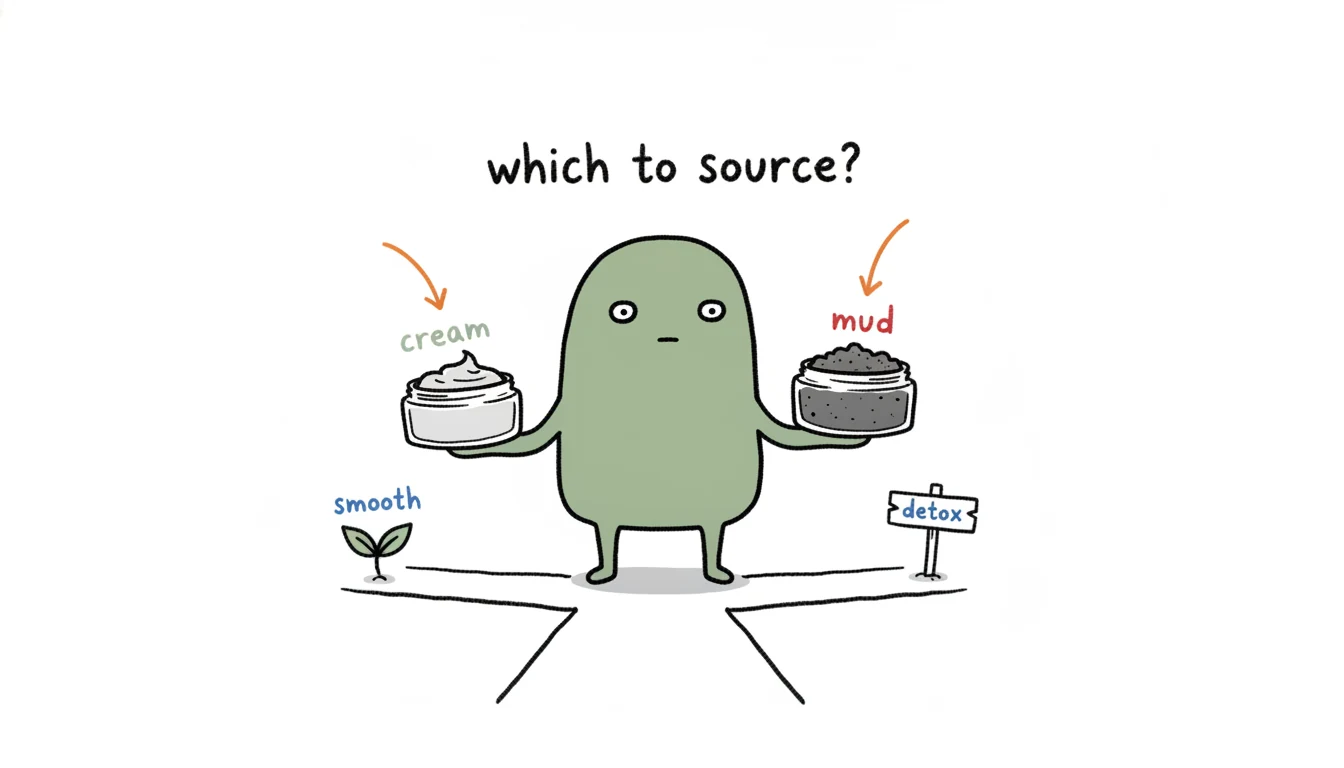
The first decision is cream or mud, and it is a real one. A cream mask is built around emollients and humectants for hydration and softening — best for dry, rough, or tired skin, and the natural choice for a foot-care finish. A mud or clay mask is built around purifying clays (kaolin, bentonite) for a draw-and-detox story — best for a body treatment or an oily-skin positioning. Many brands carry both, but they speak to different benefits and buyers. A serious cream mask manufacturer makes both and can advise which fits your channel; our cream and mud mask formulation guide covers the ingredients and trade-offs in depth.
What to Look for in a Cream Mask Manufacturer
- Both cream and mud capability: A supplier who makes hydrating creams and purifying muds lets you cover both benefit stories from one source.
- Stable, smooth texture: A mask that spreads evenly, stays consistent, and does not separate, crack, or dry out in the tub.
- Real actives: The ability to add functional ingredients (clays, butters, extracts) that back the results claim, not just scent a base.
- Real sampling: A physical sample in days, judged on spread, skin feel during and after, rinse-off, and scent.
- Honest MOQ tiers: Sample, pilot, and production tiers to validate before committing capital.
- Documentation discipline: Accurate ingredient lists and the market paperwork your destination requires.
- Responsive English communication: Clear, fast replies predict a smooth production run.
Customization Options That Matter
- Mask type: Hydrating cream, purifying mud/clay, or both as a range.
- Actives & positioning: Detoxifying, hydrating, purifying, exfoliating — matched to your claim and channel.
- Scent: Stock fragrances (lavender, mint, orange, cherry, jasmine) or a custom signature scent.
- Format: Tub, jar, tube, or gallon; pro back-bar vs retail.
- Packaging: Branded tubs and jars, retail tubes, or treatment-set components — to your label.
Quality Control & Compliance Basics
- Ingredient documentation: A full INCI list and the paperwork your destination market requires.
- Texture & stability: Confirm how the supplier keeps the mask smooth and prevents separation, cracking, or drying across shelf life.
- Batch consistency: Texture, scent, color, and active levels must stay uniform across a run.
- Packaging integrity: Tubs and jars must seal so a leave-on mask does not dry out or leak.
- Sample before scale: Always approve a production-representative sample before a full run.
Channel Strategy: Salon Back-Bar vs Retail
The same cream mask line monetizes differently by channel. Salon and spa back-bar buyers want large, value-focused tubs and gallons that headline a pedicure or body treatment, and they reorder steadily. Retail buyers want an attractive jar or tube with a clear results story — hydrating, detoxifying, purifying — and buy on benefit and brand. Distributors want both, in pro and retail formats. Tell your cream mask manufacturer the channel mix up front so MOQ, mask type, and packaging are quoted correctly.
MOQ, Lead Time & Cost
Custom cream and mud mask programs typically start in the low thousands of units per variant, with smaller pilot tiers often available to validate the market first; bulk tubs and gallons usually carry lower unit minimums. Production lead time runs roughly two to four weeks after deposit and artwork approval, scaling with volume and custom packaging. Per-unit cost at volume is low relative to the treatment-product price point, which is what makes a mask one of the better-margin items in a body-care range. Build retail price from landed cost: factory price plus freight and duties, then fulfillment and margin.
Sourcing Timeline: From Inquiry to Delivery
- Inquiry & quote (days 1–3): Share mask type, actives, scent, format, and volume. A responsive supplier returns clear MOQ tiers quickly.
- Sampling (days 3–10): Judge spread, skin feel, rinse-off, results, and scent.
- Proforma invoice & deposit: Lock formula, packaging, and timeline.
- Bulk production (2–4 weeks): Lead time scales with volume and custom packaging.
- QC & shipping: Confirm texture, batch checks, and seals, then choose freight terms (FOB, CIF, or DDP).
Stock, White Label, Private Label, or OEM?
- Stock / wholesale: Buy an existing mask as-is — fastest, no differentiation.
- White label: A ready formula under your brand and label.
- Private label: Your branding plus selective mask type, scent, or packaging choices.
- OEM / custom formulation: A mask built to your spec — actives, texture, scent, format — for full differentiation.
Where a Cream Mask Fits in the Treatment Sequence
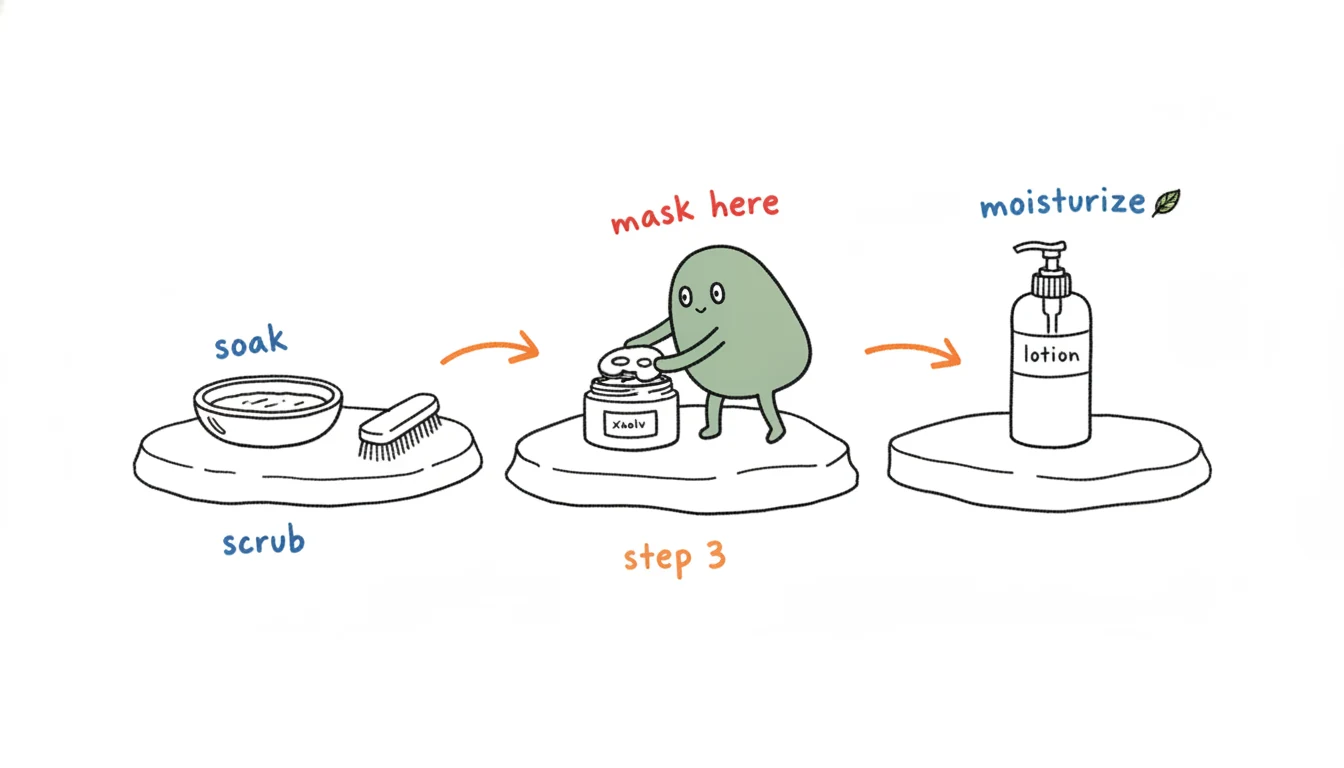
A cream or mud mask never works alone — it is one step in a pedicure or body treatment, and buyers building a line think in terms of the whole routine. In a pedicure the order is typically a warm foot soak, then exfoliation and callus work, then the cream or mud mask to hydrate or detoxify, and finally a massage lotion to finish. Understanding this sequence helps you position and bundle the mask intelligently: a mask sold alongside a soak, an exfoliant, and a finishing lotion is a more complete, higher-value offer than the mask alone. When you brief a cream mask manufacturer who also makes soaks, masks, and lotions, you can build the entire treatment range under one purchase order and one brand.
Mud, Clay & the Detox Story
Mud and clay masks carry a marketing advantage worth understanding: the draw-and-purify story. Clays such as kaolin and bentonite absorb oil and impurities as they dry, which gives a tangible, sensory result a customer can feel — exactly the kind of concrete benefit that sells a treatment product. For a foot or body line, a mud mask positioned around detoxifying tired or rough skin is an easy upsell and a strong retail story. The key is to keep the claim honest and aligned with what the formula does; a capable manufacturer can build a genuine clay base rather than a scented cream dressed up as a detox mask, which discerning buyers and regulators increasingly scrutinise.
Sustainability & Packaging Notes
Treatment buyers increasingly weigh packaging, and a cream mask is usually a plastic tub, jar, or tube. Conscious-retail-friendly options include recyclable mono-material containers, larger refill tubs and gallons for spas that cut per-use packaging, glass jars for premium retail lines, and avoiding unnecessary secondary packaging. Because the professional channel reorders in volume, a bulk format is both a sustainability story and a margin advantage. Raise packaging preferences with your cream mask manufacturer early so the format supports your positioning.
Nail Legend produces cream and mud masks alongside a full spa and pedicure range, in professional and retail formats with custom actives, scents, and private-label packaging. Browse the wholesale cream & mud mask range, see a representative private label foot cream & mud mask, or pair it with a spa gift set program, then request a quote.
Supplier comparison: After choosing cream, mud or treatment-mask positioning, review our cream mask manufacturer shortlist and confirm the exact formula, pack format, claims support and MOQ with each candidate.
Frequently Asked Questions
What does a cream mask manufacturer supply?
A cream mask manufacturer produces finished cream and mud masks on a stock, white-label, private-label, or OEM basis — covering the formula, actives, texture, scent, packaging, and your branded label, in professional back-bar and retail grades.
What is the difference between a cream mask and a mud mask?
A cream mask is built around emollients and humectants for hydration and softening, best for dry skin and foot-care finishing, while a mud or clay mask uses purifying clays like kaolin and bentonite for a draw-and-detox story, best for body and oily-skin treatments.
What is the typical MOQ for private-label cream masks?
Custom programs commonly start in the low thousands of units per variant, with smaller pilot tiers often available; bulk tubs and gallons usually carry lower unit minimums so you can validate before scaling.
Can I get both cream and mud masks from one supplier?
Yes. A capable manufacturer makes both hydrating cream masks and purifying mud or clay masks from the same line, so you can cover both benefit stories under one brand and one purchase order.
How long does production take?
Physical samples typically arrive within days to about a week, and bulk production runs roughly two to four weeks after deposit and artwork approval, scaling with volume and custom packaging.
Is a cream mask a good product to private label?
Yes. As a treatment product it earns a higher price point than a basic consumable, gives marketing a concrete results story, and anchors a fuller pedicure or body service, making it one of the better-margin items in a body-care range.



Leave A Comment