
If you are sourcing a foot mask manufacturer for a private-label or OEM program in 2026, you are buying into one of the fastest-growing corners of self-care. Hand and foot masks turn a basic moisturizer into a ritual product with strong gift and subscription appeal — and most retailers still buy them generic. This guide covers the product formats, what to look for in a supplier, the customization that matters, and the real numbers behind a private-label launch.
Hand and foot masks sell across retail, gifting, subscription boxes, and spa back-bar. A brand or distributor that owns a mask line captures a repeat-purchase consumable with high perceived value and simple branding through scent, format, and packaging.
Hand & Foot Mask Formats
A capable foot mask manufacturer typically offers several formats, and the right one depends on your channel:
- Sock & glove masks: Pre-soaked booties and gloves saturated with serum — the most giftable, retail-friendly format for moisturizing and exfoliating (peeling) masks.
- Cream & gel masks: Tub or tube masks applied and rinsed, suited to spa back-bar and at-home jars; overlaps with our spa kit range.
- Exfoliating / peeling masks: AHA/BHA-based foot peels that shed rough skin over days — a high-demand, high-margin sub-category.
- Hand masks: The same formats scaled for hands, an easy line extension and bundle component.
Why Private-Label Hand & Foot Masks Sell in 2026
- Repeat consumable: Masks are used up and rebought, driving reorders in a way hardware never does.
- Strong gift & subscription fit: Single-use sachets package beautifully for gifting and sampler boxes.
- Simple differentiation: Scent, serum focus (moisturizing vs exfoliating), and packaging do the branding.
- Natural range extension: Masks pair with foot soaks, scrubs, and callus products under one brand for an easy cross-sell.
What to Look for in a Foot Mask Manufacturer
Across every supplier tier, the same quality signals apply:
- Serum quality & saturation: The serum and how well the sock or glove is saturated define the result. Ask about serum volume per pair and skin-feel after use.
- Formulation expertise: Moisturizing, exfoliating, and peeling masks are different formulas with different actives — covered in our foot mask formulation guide.
- Material & fit: Booties and gloves should fit a range of sizes and not leak; material comfort affects reviews.
- Real sampling: A physical sample within days — judged on serum feel, scent, fit, and result — predicts production quality better than any brochure.
- Honest MOQ tiers: Sample, pilot, and production tiers let you validate before committing capital.
- Responsive English communication: Clear, fast replies are a leading indicator of how the production run will go.
Customization Options That Matter
- Mask type: Moisturizing, exfoliating/peeling, or soothing — for hands, feet, or both.
- Format: Sock/glove sachets, cream tubs, or gel tubes.
- Scent & actives: Stock fragrances (rose, jasmine, honey, lavender) plus actives such as urea, AHA, hyaluronic acid, or botanical extracts.
- Packaging: Single-use sachets, retail cartons, sampler sets, or gift boxes branded to your label.
Quality Control & Compliance Basics
- Ingredient documentation: A full INCI ingredient list and the paperwork your destination market needs for cosmetic labelling, which matters most for exfoliating acids.
- Batch consistency: Confirm how serum load, scent, and active concentration stay uniform across a run.
- Patch-test & safety guidance: Peeling masks need clear usage and safety instructions on pack.
- Packaging integrity: Sachets must seal reliably so serum does not leak in transit.
- Sample before scale: Always approve a production-representative sample before a full run.
MOQ, Lead Time & Cost
Custom hand and foot mask programs typically start in the low thousands of pairs or units per variant, with smaller pilot tiers often available to validate the market first. Production lead time runs roughly two to four weeks after deposit and artwork approval, scaling with volume and custom packaging. Per-unit cost at scale is low relative to the gift-able retail price, which is what makes the category attractive.
Sourcing Timeline: From Inquiry to Delivery
- Inquiry & quote (days 1–3): Share mask type, format, scent, actives, and volume. A responsive supplier returns clear MOQ tiers quickly.
- Sampling (days 3–10): Judge serum feel, scent, fit, and the result over the intended use period.
- Proforma invoice & deposit: Lock formula, packaging, and timeline.
- Bulk production (2–4 weeks): Lead time scales with volume and custom packaging.
- QC & shipping: Confirm seal integrity and batch checks, then choose freight terms (FOB, CIF, or DDP).
Stock, White Label, Private Label, or OEM?
- Stock / wholesale: Buy an existing mask as-is — fastest, no differentiation.
- White label: A ready formula under your brand and label.
- Private label: Your branding plus selective scent, active, or packaging choices.
- OEM / custom formulation: A mask built to your spec — serum, actives, format, scent — for full differentiation.
The Foot & Hand Mask Market in 2026
Few body-care sub-categories have grown as fast as foot masks, driven largely by social video: foot peels in particular became a recurring viral format because the dramatic shedding result is inherently shareable. That visibility pulled the whole category — moisturizing socks, hand masks, peels — into mainstream retail and subscription boxes. For a private-label buyer this is a rare combination: proven consumer demand, a strong repeat-purchase pattern, and a shelf still split between premium boutique brands and unbranded generics. A capable foot mask manufacturer lets you launch into that gap with your own scent, serum focus, and packaging without owning the formulation lab.
Channel Strategy: Retail, Gifting, Subscription & Spa
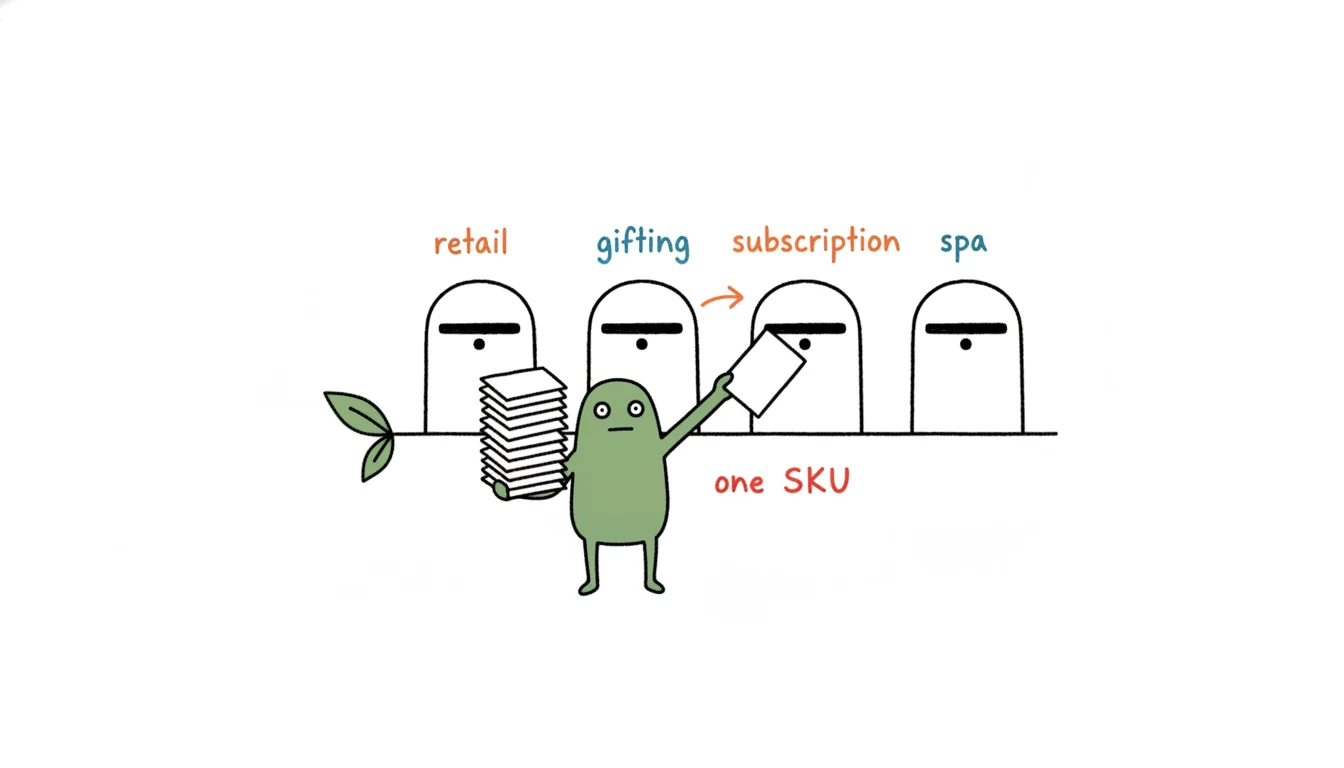
Masks monetize across four channels, and the format should follow the channel:
- Retail / e-commerce: Single or multi-pack sachets with a clear “what it does” promise (hydrate vs peel); the dramatic before/after sells peels especially well online.
- Gifting: Mixed-format sets (hand + foot, or moisturizing + peel) packaged as a self-care gift — high perceived value, easy to bundle with a spa gift set.
- Subscription / sampler: Single-use sachets are tailor-made for recurring boxes and trial.
- Spa & salon: Cream and gel masks for in-treatment use, plus retail sachets sold at the desk.
Tell your supplier the channel mix up front so MOQ and packaging are quoted to match.
Format Deep-Dive: Sock/Glove vs Cream vs Gel
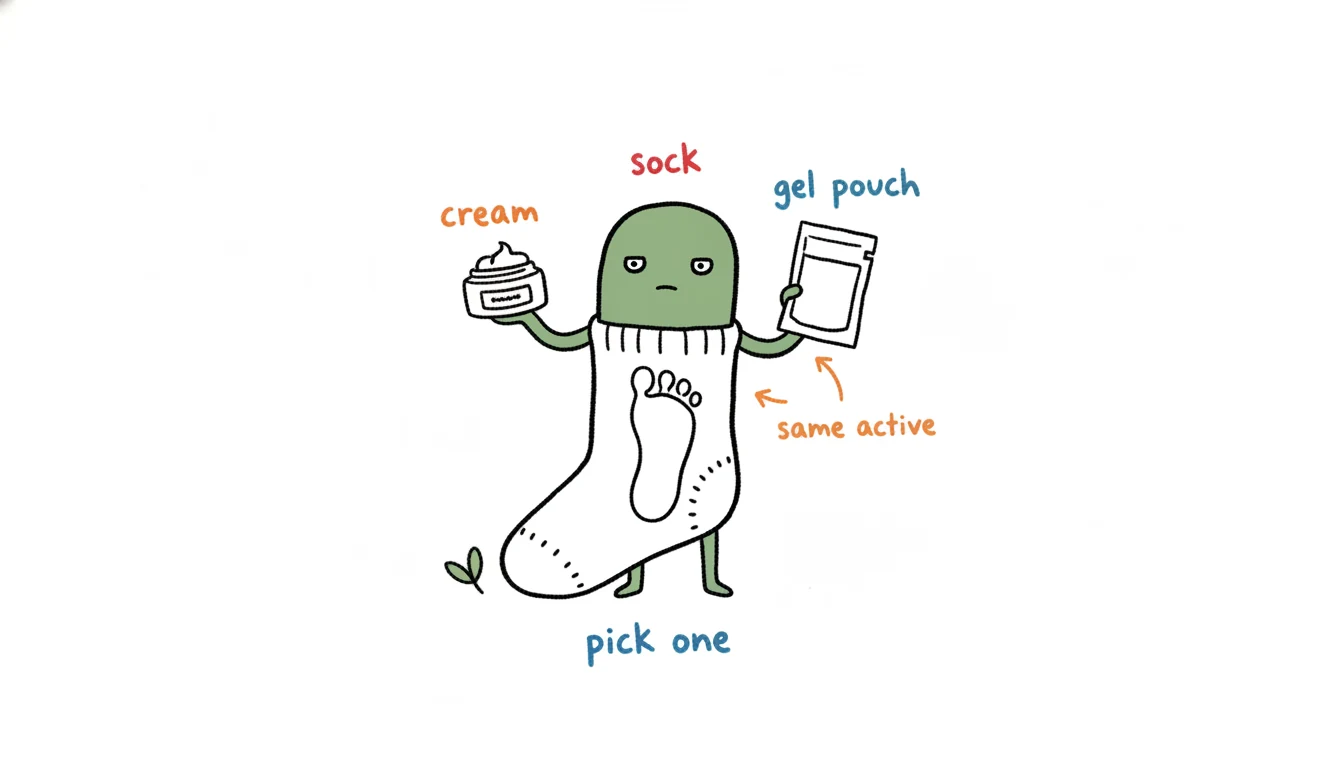
- Sock & glove sachets: The most retail- and gift-friendly format; the result depends heavily on serum saturation and bootie fit. Best for moisturizing and peeling masks.
- Cream masks (tubs/tubes): Apply-and-rinse; flexible dosing, strong for spa back-bar and at-home jars, but less giftable than a sealed sachet.
- Gel masks: Lighter feel and fast absorption, often positioned as soothing or cooling.
Many brands launch with sachet socks for the retail and gift appeal, then add a cream tub for the spa channel once the line is established.
Cost Modeling: Factory Price to Shelf
Masks are light, so freight is a small share of landed cost — the bigger variables are the serum formula and the packaging. Build retail price from landed cost: per-unit factory price plus freight and duties, then fulfillment and target margin. Peels and active-rich formulas cost more per unit than basic moisturizing masks but command a higher shelf price and stronger repeat demand, so model the margin per mask type rather than assuming one number across the line. Because a sealed sachet carries high perceived value against a low unit cost, masks support healthy markups when the formula delivers.
Private-Label Launch Roadmap
- Pick one hero mask: Usually a moisturizing sock (low risk) or a peel (high demand) — not both at once.
- Sample and validate: Approve serum feel, fit, scent, and result before scaling.
- Lock packaging and claims: Decide sachet vs tub, and confirm the documentation your market needs — critical for peels.
- Pilot run: A smaller first order to test the channel before full production.
- Extend the line: Add hand masks, a second format, or a peel/moisturizer companion once the hero proves out.
Red Flags When Vetting a Foot Mask Manufacturer
- No serum-volume spec: If they cannot tell you serum grams per pair, the result will be inconsistent.
- Vague on acids: For peels, a supplier who cannot discuss acid type, concentration, and pH is a safety risk.
- No documentation: Missing INCI lists and market paperwork is a hard stop, especially for exfoliating formulas.
- Leaking or poorly sealed samples: A seal failure in the sample predicts ruined inventory in transit.
- No track record or references: A supplier who cannot point to existing private-label clients, a verifiable factory, or a real platform presence is a bigger gamble than the price saving is worth.
Sustainability & Packaging Considerations
Single-use sachet masks face a real and growing objection from Western retail buyers: packaging waste. A foot peel that delivers one dramatic use also leaves a multi-material sachet and two plastic booties in the bin, and conscious-consumer brands increasingly get asked about it. You do not have to solve this perfectly, but you should have an answer — options include recyclable mono-material sachets, thinner or bio-based films, bulk cream masks that avoid single-use booties entirely, and honest messaging rather than greenwashing. Raising this with your foot mask manufacturer early signals you are building a serious brand and lets you choose packaging that will not become a liability as retailer sustainability requirements tighten. It is also a genuine differentiator in a category where almost everyone ships the same generic sachet.
Nail Legend produces hand and foot masks alongside a full spa and body-care range, with moisturizing, exfoliating, and peeling formulas and private-label packaging. Browse the wholesale hand & foot mask range, see a representative private label hand mask, or pair masks with a spa gift set program, then request a quote.
Frequently Asked Questions
What does a foot mask manufacturer supply?
A foot mask manufacturer produces finished hand and foot masks — sock/glove, cream, gel, and peeling formats — on a stock, white-label, private-label, or OEM basis, covering the serum, actives, format, scent, packaging, and your branded label.
What is the typical MOQ for private-label foot masks?
Custom programs commonly start in the low thousands of pairs or units per variant, and many suppliers offer smaller pilot tiers so you can validate the market before a full production run.
What types of hand and foot masks can be made?
The main types are moisturizing masks, exfoliating or peeling masks (AHA/BHA based), and soothing masks, available as sock and glove sachets, cream tubs, or gel tubes for hands, feet, or both.
How long does production take?
Physical samples typically arrive within days to about a week, and bulk production runs roughly two to four weeks after deposit and artwork approval, scaling with volume and custom packaging.
Are exfoliating foot peel masks safe to private label?
Yes, when formulated and labelled correctly. Peeling masks use exfoliating acids, so accurate ingredient documentation and clear on-pack usage and safety guidance are essential for your market.
Can hand masks and foot masks share one program?
Yes. The same serum and format usually scale across hand and foot masks, which lets a brand launch both with one purchase order and bundle them for gifting.



Leave A Comment