
If you are sourcing top massage oil manufacturers for a wholesale, private-label, or OEM program in 2026, the hardest part is not finding a factory — it is matching the right factory to your order size, margin target, and brand ambition. A US contract lab that fills in small natural runs is a poor fit for a 30,000-unit retail launch; a high-volume Asia OEM line is overkill for a 500-unit boutique aromatherapy test.
Quick answer: RainShadow Labs, HBNO and Bulk Apothecary suit buyers prioritizing US supply and stock-to-custom routes; Zicail and Nail Legend fit export OEM programs. Choose by carrier-oil specification, oxidation control, sensory target and finished-pack stability—not by fragrance list alone.
Methodology and evidence standard (reviewed 2026-08-07): Public evidence from manufacturer and product pages is used to establish category relevance. A public claim is a shortlist signal, not an audit. Legal manufacturer, facility, formula ownership, MOQ, lead time, capacity, certification scope and destination-market documents must be confirmed for the exact SKU in the RFQ.
Official pages checked: RainShadow Labs; HBNO; Bulk Apothecary.
Massage oil looks simple — a blend of carrier oils, a little essential oil, a touch of vitamin E — but the sourcing decision is anything but. Because massage oil is an anhydrous (water-free) oil base, the real risks are not microbial; they are oxidation and rancidity, fragrance compliance, and whether the factory actually understands carrier-oil behavior. The supplier who can explain why fractionated coconut and jojoba give a long shelf life while grapeseed oxidizes faster is a very different partner from one who only repeats “low MOQ, fast delivery.”
This guide profiles the top massage oil manufacturers across three sourcing tiers — established US producers, boutique and small-batch specialists, and Asia-based OEM powerhouses — so you can shortlist by what actually matters: minimum order quantity (MOQ), carrier-oil and formulation depth, lead time, compliance documentation, and the kind of brand you are building. Picking the wrong tier is the most common and most expensive sourcing mistake brands make.
How to Read This List: Three Sourcing Tiers
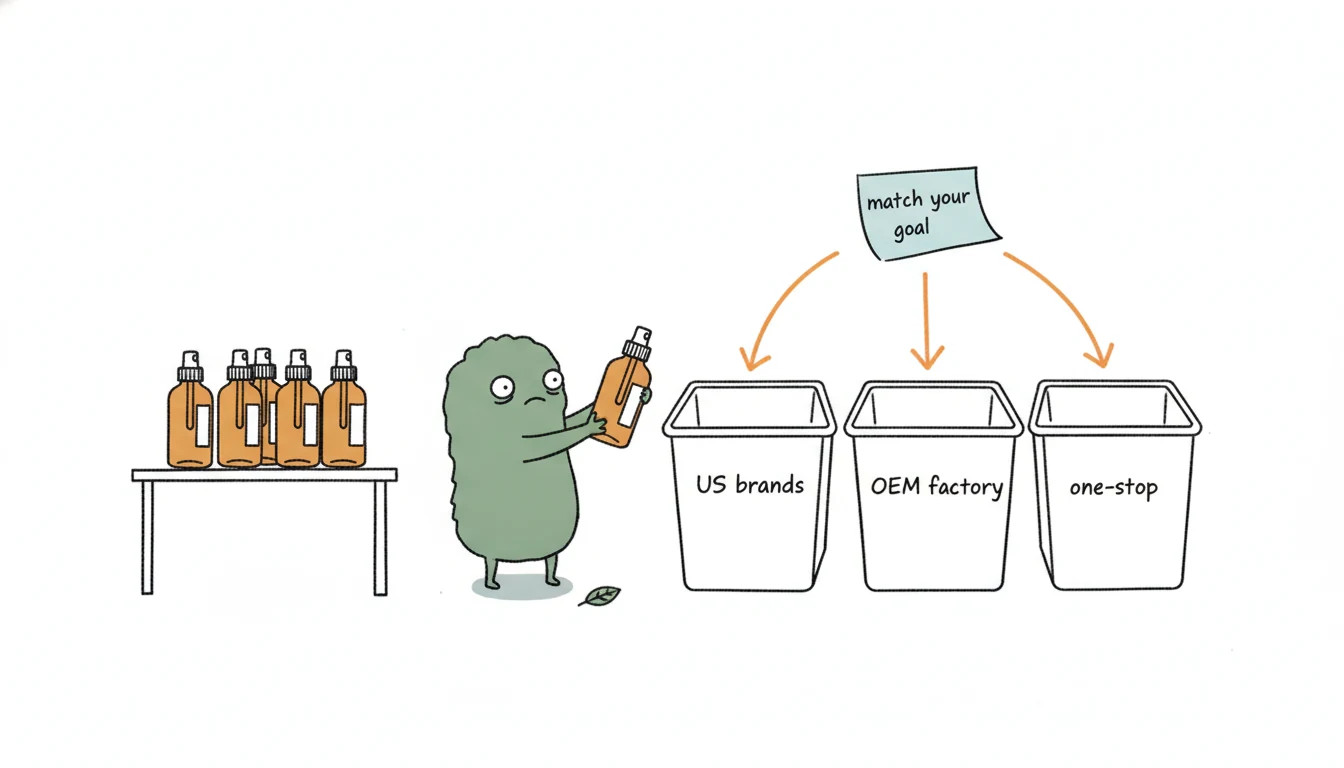
Massage oil suppliers cluster into three groups, and the right pick depends on where your brand sits today:
- Established US Manufacturers — full contract-manufacturing capacity, domestic shipping, and documented compliance support. Best when you sell mainly in North America and value speed, short logistics, and a US-made story over the lowest unit cost.
- Boutique & Small-Batch Specialists — natural-ingredient character, low MOQs, and flexible carrier-oil and essential-oil blends. Best for early-stage brands, clean / plant-based positioning, and scaling from a single SKU.
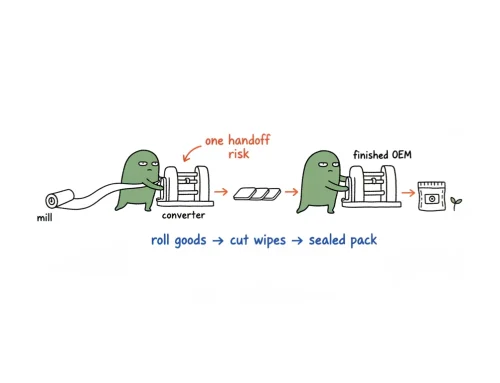
- Asia-Based OEM Powerhouses — lowest unit cost at volume, deep custom-formulation capability, fast sampling, and the option to source massage oil alongside spa and nail SKUs from one partner. Best for brands optimizing margin or building a full personal-care assortment.
What Separates a Reliable Massage Oil Manufacturer
Before the list, it helps to know what “good” looks like. Massage oil has its own technical fingerprint, and the top massage oil manufacturers worth your time share these traits:
- Real carrier-oil knowledge: A capable maker can explain how sweet almond, fractionated coconut / MCT, grapeseed, and jojoba differ in slip, absorption, and oxidation stability — and why MCT and jojoba give the longest shelf life. This is the single clearest test of whether a factory actually understands the product.
- An anti-oxidation strategy, not a preservative one: Because massage oil is water-free, the goal is preventing rancidity, not microbial spoilage. Serious makers use vitamin E (tocopherol) or rosemary extract and choose stable oils. If a supplier talks about “preservatives” for a pure oil blend, they have the chemistry backwards.
- Fragrance and allergen compliance: Essential oils carry real obligations — IFRA usage limits for leave-on products, EU’s 26 declarable allergens (linalool, limonene, citral, geraniol, and others), and phototoxicity risk from citrus oils such as bergamot. A reliable factory can supply an INCI list, SDS, an IFRA statement, and an allergen declaration on request.
- Light-protective packaging: Amber glass or opaque containers — and ideally nitrogen flushing — are not optional extras for oil; they are how shelf life is protected. Ask how the factory packs to slow oxidation.
- Real sampling, not photos: A capable factory sends a physical sample in days so you can judge slip, absorption, and scent. Sampling speed is one of the best early predictors of how a production run will go.
- Honest MOQ tiers and responsive English communication: Good suppliers offer a sample tier, a pilot tier, and a production tier, and reply quickly in clear English — a leading indicator of a smooth production run.
Quick Comparison Table
The table below summarizes the top massage oil manufacturers in this guide by base location, ideal use case, typical MOQ, and custom-formulation depth, so you can shortlist at a glance.
| Manufacturer | Base | Best For | Typical MOQ | Custom Formulation |
|---|---|---|---|---|
| RainShadow Labs | Oregon, USA | Natural / organic US private label | Medium | Yes |
| HBNO | California, USA | Bulk oil bases & spa volume | Medium–High | Yes |
| Bulk Apothecary | Ohio, USA | Fast ready-to-label launch | Flexible | Limited |
| Wholesale Botanics | USA | Small-batch custom blends | Low–Medium | Yes |
| Mountain Rose Herbs | Oregon, USA | Organic carrier & bulk oils | Flexible | Partial |
| CWI Alpha | USA | Slip-tuned custom private label | Low–Medium | Yes |
| Zicail | Jiangsu, China | High-volume OEM at margin | 1,000+ | Yes |
| Nail Legend | Shenzhen, China | Low-MOQ custom + spa/nail one-stop | Low (pilot tier) | Yes |
Part 1 — Established US Manufacturers
1. RainShadow Labs (St. Helens, Oregon, USA)
Profile: A long-running US contract manufacturer and private-label house (operating since 1983) on the Columbia River in Oregon, producing massage oils, scrubs, lotions, and total body-care products from natural ingredients.
- Strengths: Deep natural / organic and vegan formulation experience, custom manufacturing for massage therapists and brands, and end-to-end support across development, filling, packaging, and logistics. A strong fit when a US-made, ingredient-led story matters.
- Best for: North American brands wanting natural or organic positioning with a domestic supply chain.
- Watch-outs: US production economics mean higher unit costs than Asia at comparable volume.
2. HBNO (Chico, California, USA)
Profile: A California-based manufacturer and bulk supplier of essential oils and carrier oils, offering massage oil bases, spa-quality body oils, and pre-formulated blends ready for private-label packaging.
- Strengths: Strong carrier-oil and essential-oil sourcing, organic-compliant options, and documentation — each shipment can include a Certificate of Analysis and SDS. Useful when you want a reliable bulk oil base or spa volume with paperwork in order.
- Best for: Brands and spa operators needing bulk massage oil bases or large-volume private label with compliance docs.
- Watch-outs: Their core strength is oils and bases; very intricate bespoke retail programs may need more back-and-forth.
3. Bulk Apothecary (Ohio, USA)
Profile: A well-known US bath, body, and essential-oil supplier that grew from a single Ohio store into one of the country’s larger natural-ingredient suppliers, with a strong ready-to-label offering.
- Strengths: Broad ingredient and base inventory, short lead times, and a ready-to-label path that gets a brand to market quickly without a long development cycle.
- Best for: Brands prioritizing speed and a fast ready-to-label launch in North America.
- Watch-outs: Deep bespoke formulation (custom carrier-oil ratios, custom fragrance) is more limited than with dedicated contract labs.
Part 2 — Boutique & Small-Batch Specialists
4. Wholesale Botanics (USA)
Profile: A small, family-run US bottler and private-label maker of essential oils, carrier oils, and pre-formulated and custom-formulated oil blends, including massage oil blends.
- Strengths: Genuine custom-blend flexibility at small volume, decades of combined fragrance and essential-oil experience, and US bottling and shipping. A good fit for testing a differentiated aromatherapy blend without a large commitment.
- Best for: Early-stage and clean-positioned brands wanting custom oil blends at low-to-mid volume.
- Watch-outs: Small-batch scale means very large production runs are better placed with a high-volume line.
5. Mountain Rose Herbs (Eugene, Oregon, USA)
Profile: A well-established Oregon supplier of organic carrier oils, essential oils, and botanicals, widely used by clean-beauty brands and DIY formulators for high-quality, non-GMO oils.
- Strengths: An excellent organic carrier-oil and essential-oil catalog (sweet almond, jojoba, grapeseed, and more), strong sustainability credentials, and ingredient transparency that suits a natural, plant-based massage oil story.
- Best for: Natural / plant-based brands sourcing premium carrier and essential oils, or building blends in-house.
- Watch-outs: Positioned more as an ingredient supplier than a turnkey filling-and-labeling contract manufacturer, so finished-goods programs may need a separate filler.
6. CWI Alpha (USA)
Profile: A private-label manufacturer offering custom massage oils built on selected natural base oils and therapeutic essential oils, tuned for the balance between slip and skin absorption.
- Strengths: Formulation focus on the slip-versus-absorption trade-off that defines massage-oil feel, plus body lotions and body oils, cruelty-free positioning, and regulatory and quality-assurance guidance.
- Best for: Brands that want a custom-formulated, feel-tuned massage oil with private-label flexibility.
- Watch-outs: As a boutique private-label operation, very high-volume runs may carry higher unit costs than a large OEM line.
Part 3 — Asia-Based OEM Powerhouses
7. Zicail (Jiangsu, China)
Profile: A long-established Chinese OEM / ODM and private-label cosmetics manufacturer (founded 1994) producing massage oils in several textures — from fast-absorbing to richer-glide — alongside a broad body-care range.
- Strengths: Custom formulation across textures and actives, GMP-operated production, and compliance experience across US, EU, Middle East, and Asian markets at competitive volume pricing. A strong fit when unit cost and texture customization are the priority.
- Best for: Brands scaling volume with custom textures and tight margins.
- Watch-outs: Higher MOQs and cross-border logistics and lead times require planning around production windows and freight.
8. Nail Legend (Shenzhen, China)
Profile: A Shenzhen-based spa, body care, and nail OEM manufacturer with 10+ years of OEM experience, running a large facility that produces massage oils alongside sugar scrubs, body butters, soak salts, bath products, and a full nail-care line.
- Strengths: Low-MOQ pilot runs and in-house custom formulation, with real carrier-oil depth — blending fractionated coconut / MCT and jojoba for shelf stability, sweet almond for richness, and tuning slip and absorption to a brand’s positioning. Vitamin E / rosemary-extract anti-oxidation, amber / light-protective packaging, and compliance documentation (INCI list, SDS, allergen support) are handled in-house. Brands can source massage oil, spa, and nail SKUs from a single partner, with worldwide shipping and English-language support within 24 hours.
- Best for: Brands that want to test the market at low MOQ, develop a custom carrier-oil and essential-oil blend, or consolidate spa + body + nail sourcing under one OEM/ODM partner.
- Watch-outs: Cross-border shipping applies, though documentation, sampling, and freight guidance are handled end-to-end.
You can review Nail Legend’s massage oil program on its massage oil private-label manufacturing guide, browse the wholesale massage oil range or the full product catalog, and see its OEM capabilities before requesting a quote.
Stock, White Label, Private Label, or OEM: Which Model Fits?
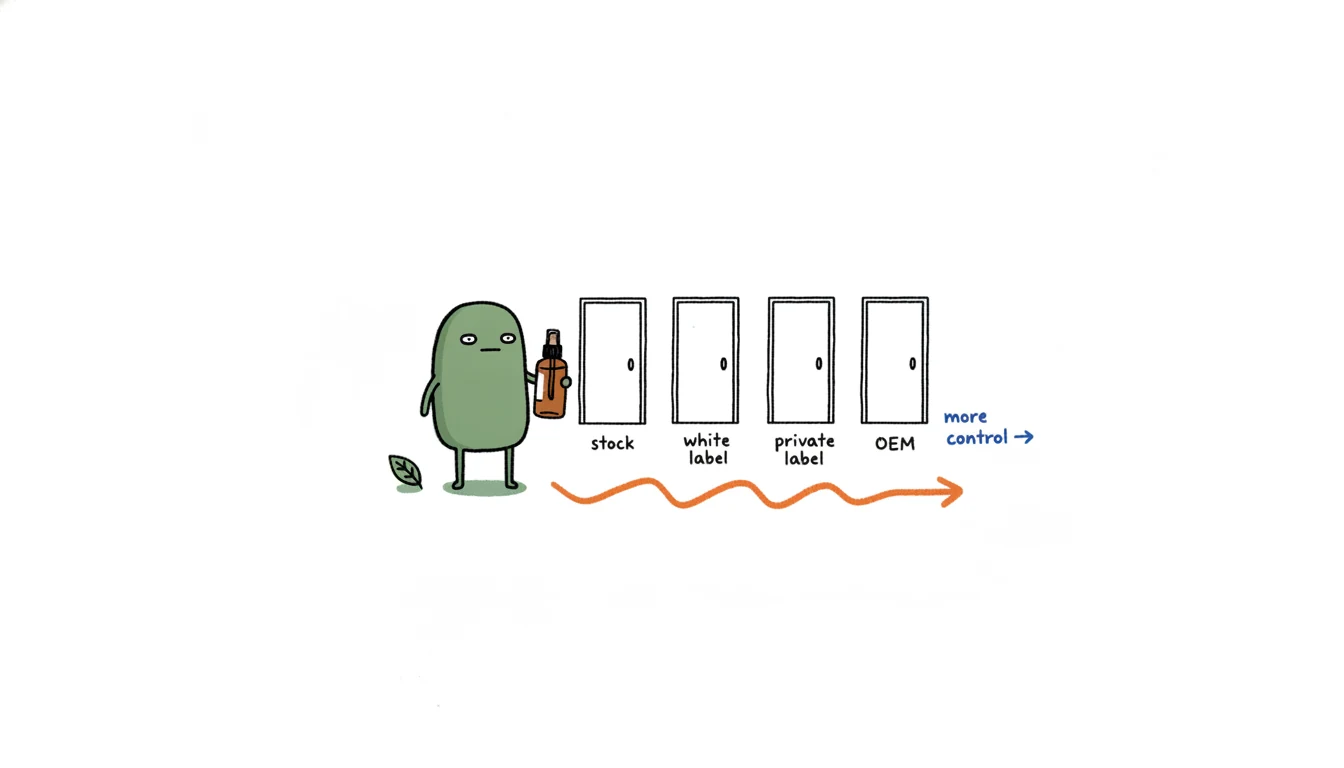
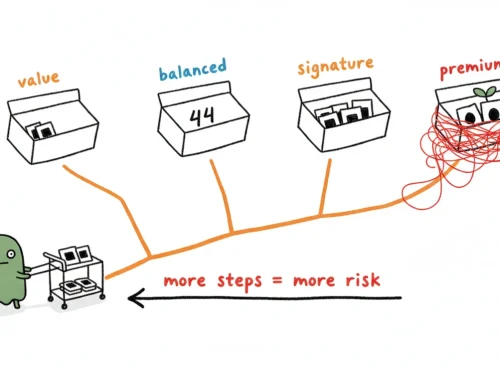
- Stock / wholesale: Buy the maker’s existing massage oil as-is. Fastest and cheapest, but no brand differentiation.
- White label: A ready oil blend sold under your brand and packaging. Quick to launch with light customization.
- Private label: Your branding plus selective tweaks — a different essential-oil scent, a lighter or richer feel, or your own bottle — on an established carrier-oil base.
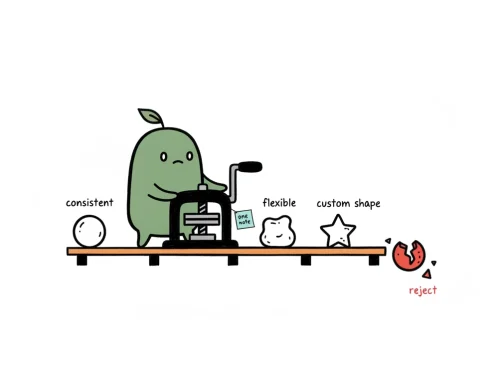
- OEM / custom formulation: A massage oil built to your spec — chosen carrier oils, essential-oil blend, viscosity and slip, anti-oxidation system, and packaging. Highest differentiation and the route most serious brands take once they scale.
Sourcing Timeline: From Inquiry to Delivery
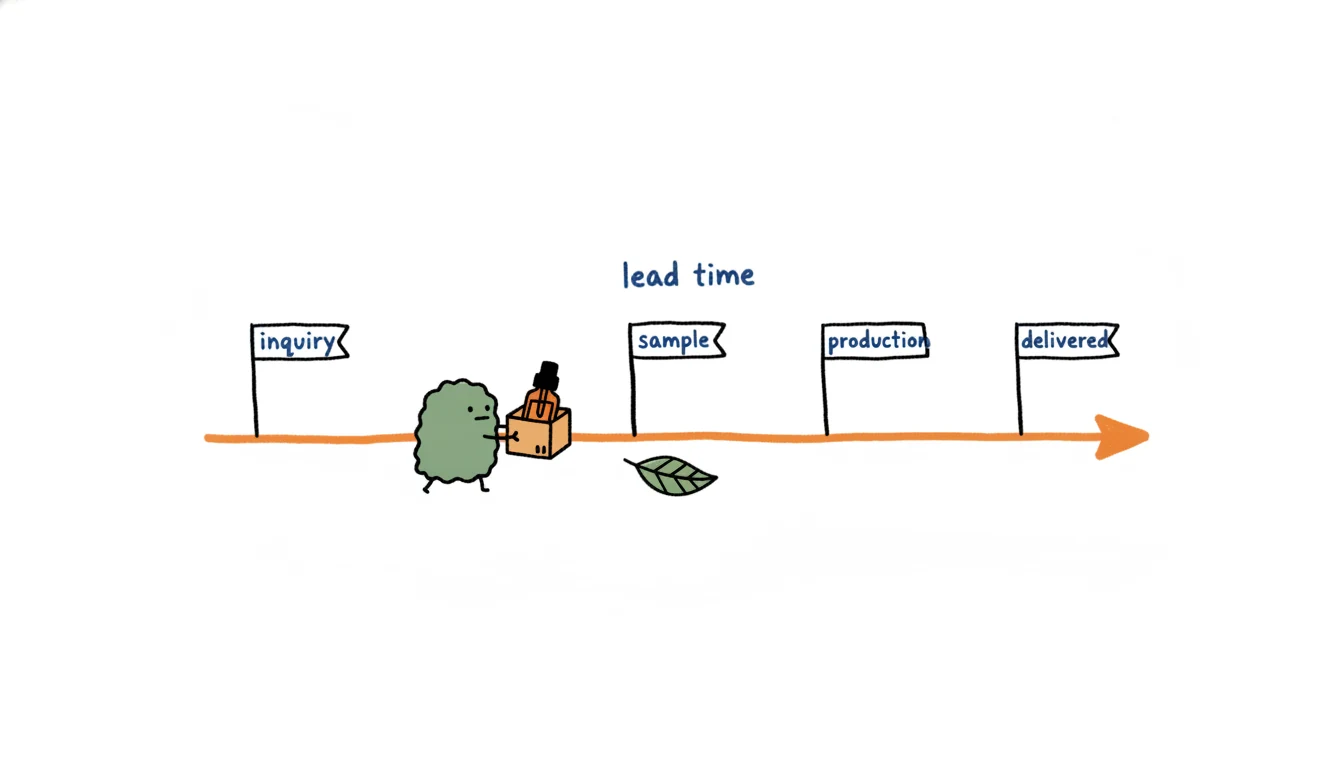
Knowing the typical sequence helps you plan a launch and spot a slow supplier early:
- Inquiry & quote (days 1–3): Share your target oil, volume, scent, and customization. A responsive factory returns a clear quote and MOQ tiers quickly.
- Sampling (days 3–10): Approve a physical sample for slip, absorption, scent, and skin feel. Iterate the carrier-oil ratio or essential-oil load if needed.
- Proforma invoice & deposit: Lock formula, packaging, compliance documents, and timeline before production starts.
- Bulk production (typically 25–45 days): Lead time scales with volume and how custom the blend and packaging are.
- QC & shipping: Confirm quality control and light-protective packing, then choose freight terms (FOB, CIF, or DDP) based on how much logistics you want to manage.
How to Choose Your Massage Oil Manufacturer — 6 Decision Criteria
- Carrier-oil and formulation depth: The most diagnostic test — can they explain oil choices and shelf-life trade-offs, or only quote a price? This separates real OEM partners from relabelers.
- Compliance documentation: For leave-on oils with essential oils, confirm they can supply INCI list, SDS, IFRA statement, and allergen declaration — especially if you sell into the EU.
- MOQ vs your cash flow: Match minimums to a volume you can sell through in one season; a low-MOQ pilot tier lets you validate before committing capital.
- Lead time & sampling: Ask for sample turnaround (good factories sample in days) and bulk lead times before you commit.
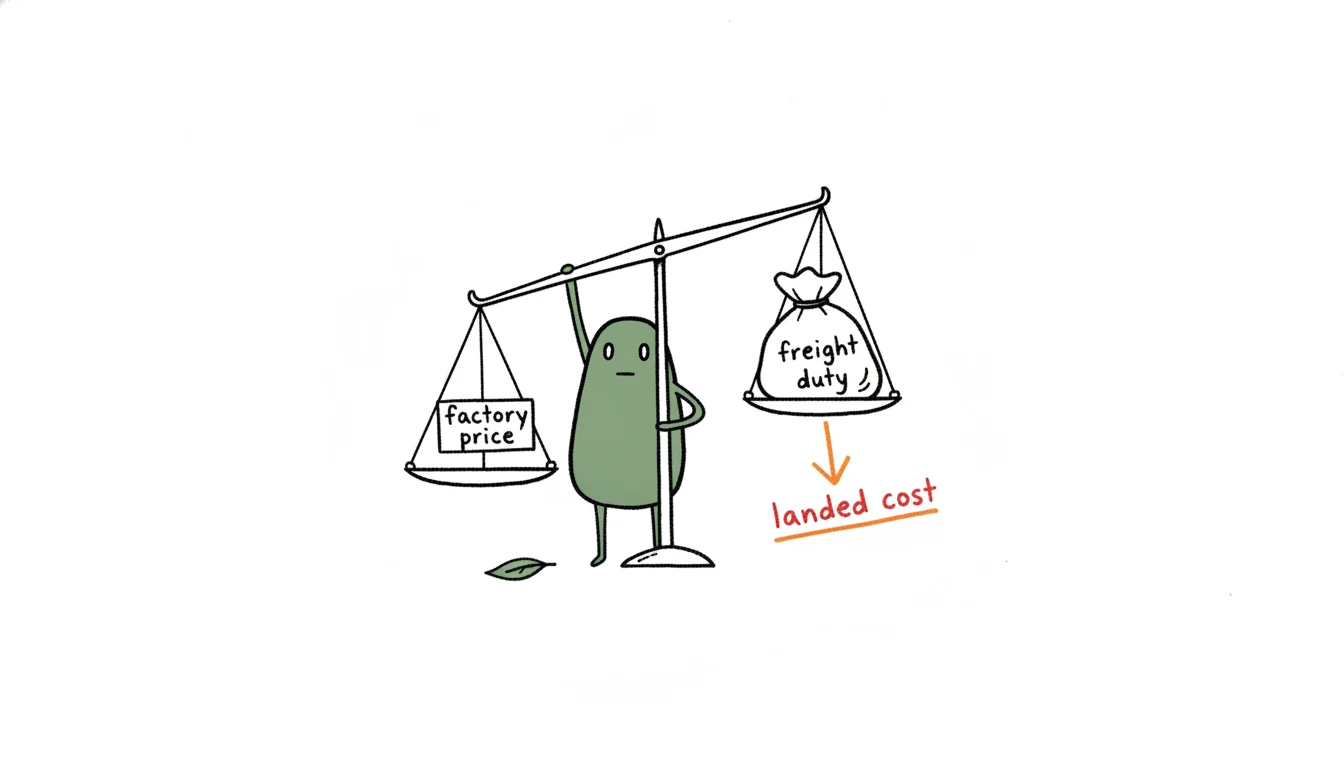
- Logistics & landed cost: A low unit price can be erased by freight and duties — always compare landed cost, not factory price.
- Assortment breadth & responsiveness: If you plan to sell massage oil, spa, and nail together, a one-stop OEM saves coordination overhead; fast, clear English support is a leading indicator of a smooth run.
Editor’s Take
For North American brands that sell domestically and want a natural, US-made story, an established maker like RainShadow Labs or HBNO is the safe default, with Bulk Apothecary the fastest path to a ready-to-label launch. For early-stage and clean-positioned brands, the boutique specialists — Wholesale Botanics for custom blends, Mountain Rose Herbs for organic oils, CWI Alpha for feel-tuned formulation — offer low risk and character. And for brands optimizing margin or building a full spa-body-nail assortment, an Asia OEM partner — Zicail for pure volume, or Nail Legend for low-MOQ custom formulation across personal-care categories — typically delivers the best mix of cost, customization, and one-stop convenience. Among the top massage oil manufacturers, the best shortlist usually spans at least two tiers, so you can compare a domestic and an overseas quote side by side before committing.
Frequently Asked Questions
What is a typical MOQ for private-label massage oil?
It varies widely. Among the top massage oil manufacturers, boutique US makers and bulk oil suppliers can start small, while high-volume Asia OEM lines commonly set MOQs around 1,000 units per formula. Suppliers offering low-MOQ pilot tiers let you validate the market before committing to a full production run.
Are US or Asia massage oil manufacturers better?
Neither is universally better — they optimize for different things. US makers win on domestic speed, logistics, and a US-made narrative; Asia OEM factories win on unit cost at volume, custom formulation, and fast sampling. The right choice depends on where you sell and your margin target.
What carrier oils are used in massage oil, and why does it matter?
Common bases include sweet almond (classic, nourishing), fractionated coconut / MCT (light, odorless, very stable), grapeseed (light and fast-absorbing but more prone to oxidation), and jojoba (skin-friendly and stable). The blend decides slip, absorption, and shelf life — which is why a manufacturer’s carrier-oil knowledge is the clearest sign they understand the product.
Does massage oil need a preservative?
Usually not. Because massage oil is an anhydrous (water-free) base, microbes cannot easily grow, so the focus is anti-oxidation — vitamin E (tocopherol) or rosemary extract plus stable oils — to prevent rancidity rather than microbial preservation. If a product may contact water in use, re-evaluate with the factory.
What is the difference between private label and OEM massage oil?
Private label puts your brand on an existing oil blend with light tweaks. OEM (custom formulation) builds the oil to your specification — carrier oils, essential-oil blend, viscosity and slip, anti-oxidation system, and packaging — giving full differentiation at the cost of a longer development cycle.
What compliance documents should a massage oil supplier provide?
For a leave-on oil with essential oils, ask for an INCI ingredient list, an SDS / MSDS, an IFRA statement for fragrance usage limits, and an allergen declaration (for EU-declarable allergens such as linalool, limonene, and geraniol). Citrus oils like bergamot also raise phototoxicity considerations. A supplier who provides these readily is a stronger OEM partner.
How long does massage oil production usually take?
Sampling typically takes a few days to about ten days, and bulk production commonly runs 25–45 days depending on volume and how custom the formula and packaging are. Always request a physical sample and confirm bulk lead times before placing a production order.
Last reviewed: 2026-08-07. Supplier capabilities and commercial terms can change; reconfirm them for the exact SKU.



Leave A Comment