Every few months, spa and esthetics communities see the same worried question: “Does anyone know what’s going on with this brand?” Orders stop shipping, a website goes quiet, distributors run out, and a product built into the treatment menu suddenly has no clear supply. Sometimes the problem is temporary; sometimes the line is discontinued. Either way, the spa that relied on a single source finds out at the worst possible moment.
At the same time, many studios are trying to keep backbar costs under control and ask peers which affordable products they actually use. Those two conversations belong together. A backbar plan that balances cost and continuity is a purchasing decision, not a treatment-room improvisation. This guide shows spa owners, multi-site operators and distributors how to plan a backup before a brand disappears, including when a private label product makes sense.
Map single-source risk across your backbar
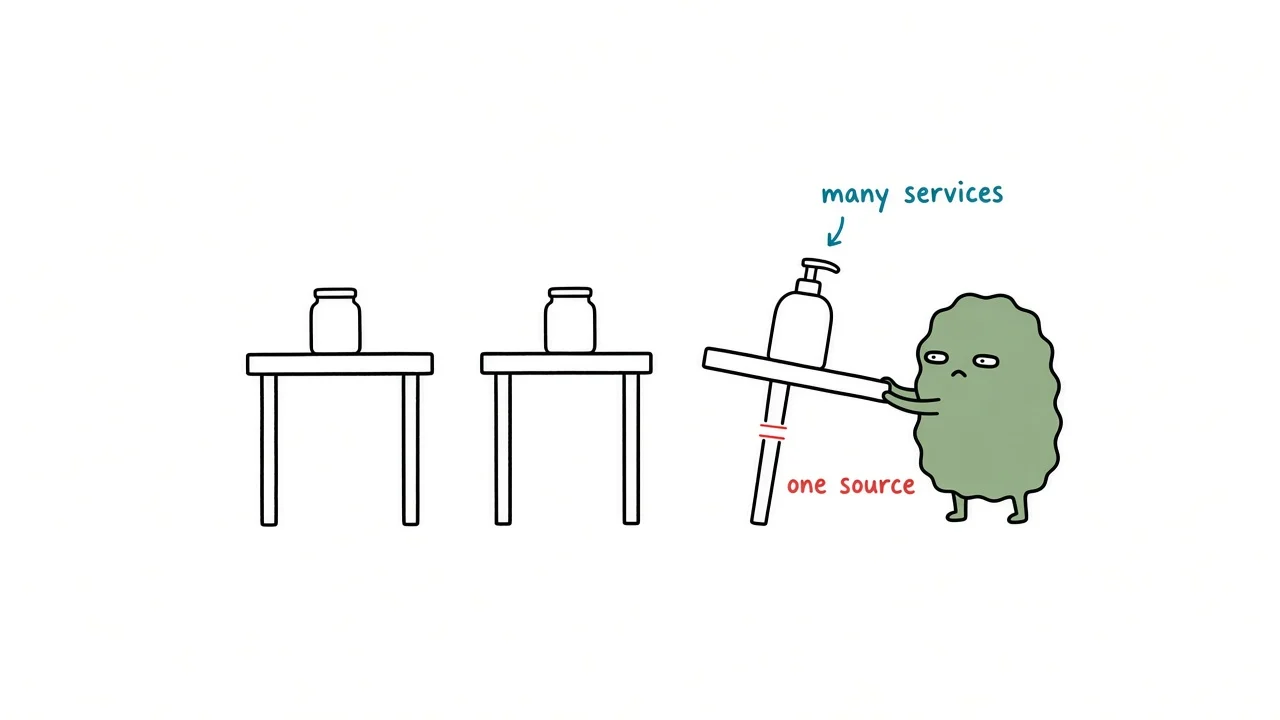
Start with a simple list of every backbar product and answer three questions for each:
- How many services depend on it? A massage lotion used in every body treatment matters more than a seasonal add-on.
- How many ways can you buy it? One brand through one distributor is a single point of failure, even if the product is excellent.
- How hard is it to replace? A plain carrier-oil massage blend is easier to match than a signature fragrance clients ask for by name.
Products that score high on dependence and low on alternatives are your priority. In body care backbars, these are often the high-volume basics: massage lotion and oil, body scrub, soak salts for pedicures and a signature mask. Our guide to massage lotion vs oil vs cream can help you decide which formats your menu truly needs.
Set safety stock around service continuity, not habit
Safety stock buys time to react when a supplier slips. The right level depends on your usage per week and how long it would take to qualify and receive a replacement, not on how much shelf space is free. For each priority product, estimate:
- average and peak weekly usage, in usable units rather than bottles;
- normal replenishment time from your current supplier;
- the realistic time to sample, approve and receive an alternative;
- shelf life and storage conditions, so buffer stock does not expire.
If bookings vary a lot by season, combine this with a reorder plan built on usage, as described in our spa backbar reorder plan for variable bookings. Reorder points handle normal variation; safety stock and a qualified backup handle supplier failure.
Qualify a backup product before you need it
A backup is only useful if it has been tested in your services before a crisis. Qualification does not need to be complex, but it should be written down:
- Define what must stay the same. Glide and working time for massage products, grain size and rinse-off for scrubs, dissolve behaviour and fragrance for soak salts, skin feel for lotions.
- Request samples in backbar sizes. Test with the pumps, jars or dispensers your team actually uses.
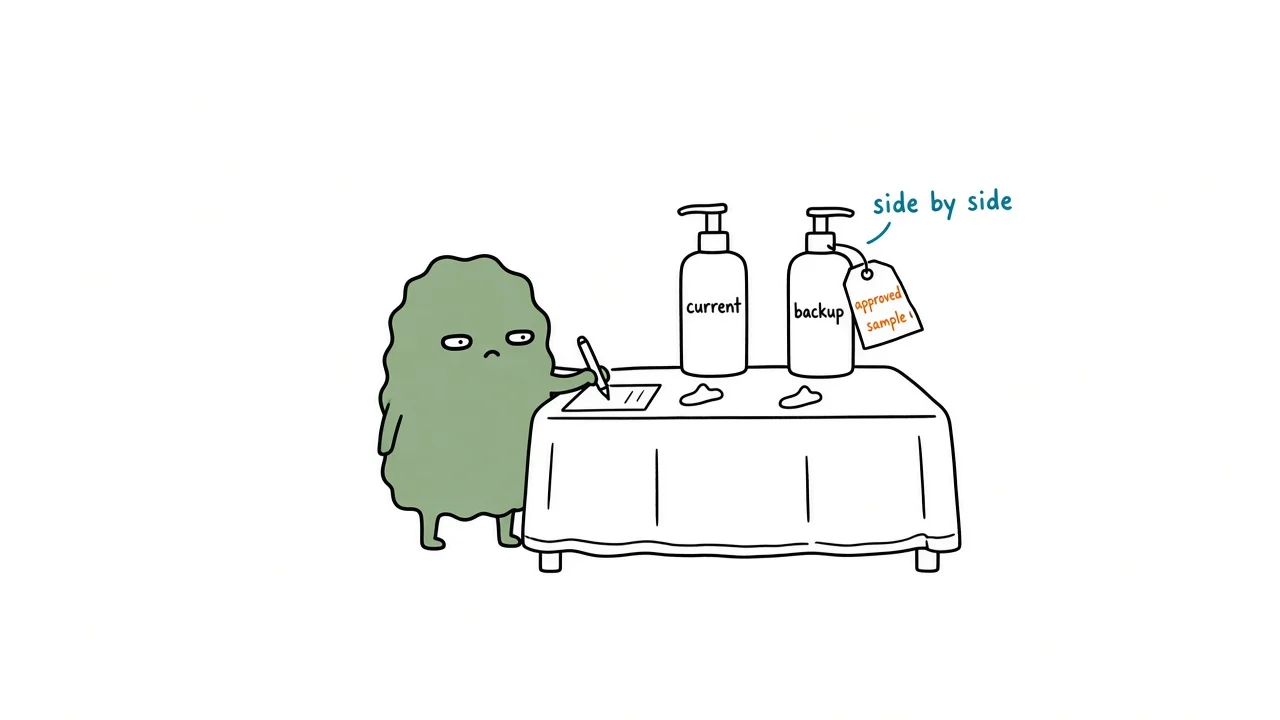
- Run side-by-side treatments. Have two or three therapists use both products on the same service and record observations on a short form.
- Check documents. Ingredient list, safe-handling information and labelling for professional use should be in place before approval.
- Retain an approved sample. Keep it as the reference for future deliveries.
Many spas qualify a second branded product. Others choose a private label or OEM version for the highest-volume basics, which gives more control over formula continuity and packaging. If you go that way, read our guide to starting a private label spa brand first.
When a private label backbar product makes sense
Private label is not the answer for every product. It tends to fit when:
- the product is used in high volume across many services;
- the formula is a well-understood type, such as a carrier-oil massage blend, sugar scrub, soak salt or simple emulsion;
- you want a consistent fragrance or texture across locations;
- you can plan orders ahead and hold buffer stock;
- you also want to retail the same product under your own brand.
It fits less well for specialist active products with demanding regulatory or testing requirements, or when your volumes are too low to reach a sensible order quantity. MOQ depends on product, formula, packaging, fragrance and quantity per SKU, so ask for quotes at your real forecast. Our article on MOQ for private label beauty products explains the variables.
Balance budget backbar and retail sizes
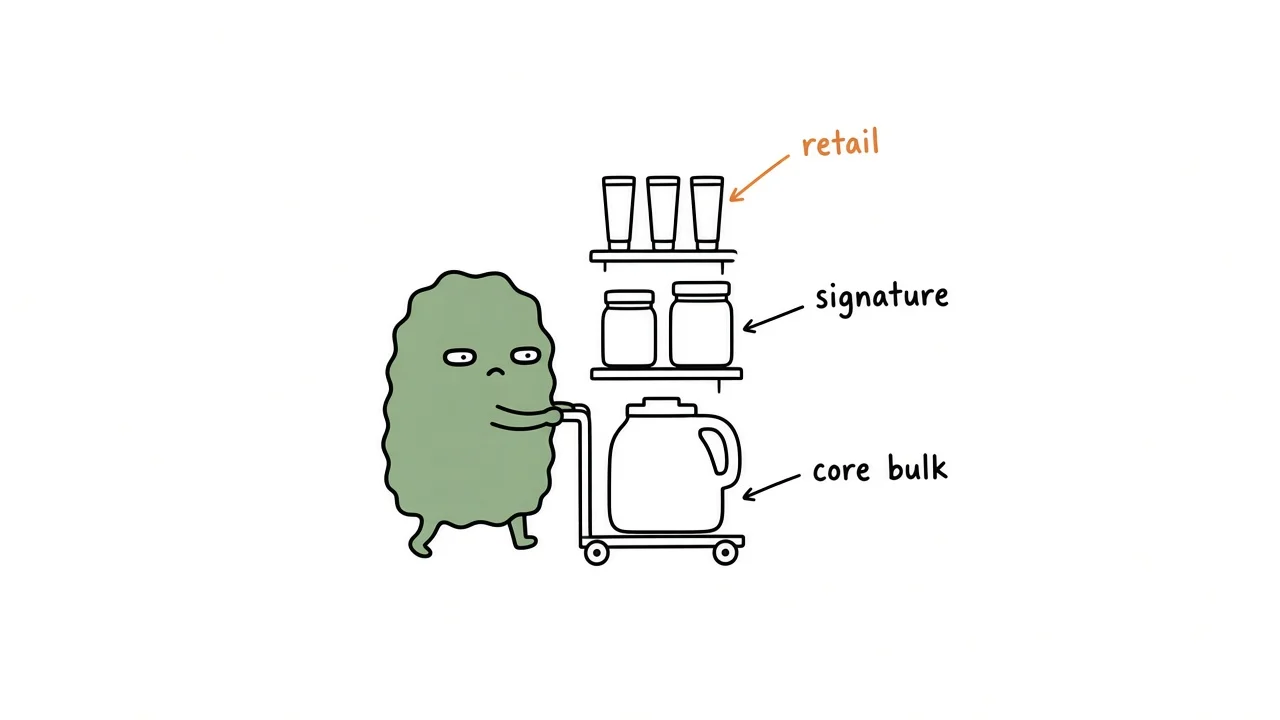
Continuity and cost are linked. Larger backbar formats usually reduce packaging cost per use, but only if staff dispense them hygienically and the product stays stable once opened. A practical tiering approach:
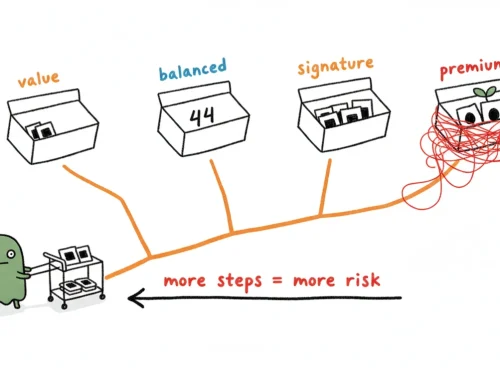
- Core backbar basics in bulk professional sizes with pumps or controlled dispensing, ideally with a qualified backup.
- Signature or seasonal products in smaller formats, so a discontinued item does not leave you with expired stock.
- Retail products in consumer sizes that match what clients experienced in the treatment room, which supports retail sales.
When comparing suppliers, compare cost per service rather than cost per bottle, and include waste, breakage and the cost of an emergency replacement. A slightly higher unit price from a supplier with clear change notification and stable lead times can be cheaper over a year than a bargain that disappears.
Switch products without disrupting the treatment menu
When you do need to change, plan the switch like a small project:
- brief therapists on any differences in quantity, working time or rinse-off;
- update treatment protocols and any client-facing ingredient or allergen information;
- keep labelled stock of the old and new product separate during the overlap;
- collect therapist and client feedback for the first few weeks;
- confirm with your supplier, in writing, how future formula or packaging changes will be notified.
Distributors can turn this into a service: offering salons a documented backup option for each key backbar product is a strong reason for them to consolidate purchasing with you.
Building a resilient backbar with NailLegend
NailLegend supplies spa and body care products for B2B wholesale, white label, private label and OEM programmes, with more than 10 years of manufacturing experience and customers in over 40 countries. Our spa product line covers massage oils and lotions, sugar scrubs, soak salts, foot soak tablets, masks and multi-step spa kits in professional and retail formats. Explore our massage oil manufacturing options for one of the most common backbar basics. We confirm formula, packaging, documentation and MOQ during quotation; regular production usually takes 25–35 days after samples, design, order and payment terms are confirmed, with custom development and shipping additional.
Plan your backup now. Request a Quote for the backbar products you rely on most, Contact Us to arrange backbar-size samples, or ask to Download Catalog details for our spa range.

Leave A Comment