
The spa and body care market is having a moment. Global wellness spending hit a record high in 2025, and a growing slice of that money flows through independent brands — founders who’d rather build their own label than resell someone else’s. If you’ve been thinking about launching a private label spa brand, 2026 is a good time. Manufacturing access has improved, minimum order quantities have dropped, and consumers are actively looking for new names on the shelf.
But “start a spa brand” is a deceptively simple phrase. Between idea and first sale, there are formulation decisions, packaging choices, compliance requirements, and a supply chain that behaves nothing like the Shopify tutorials suggest. This guide walks through every step — specifically for spa and body care products (bath bombs, body butters, sugar scrubs, massage oils, cuticle oils, soak salts, and the like), not skincare or color cosmetics.
Step 1: Pick Your Hero Products (Not a Full Catalog)
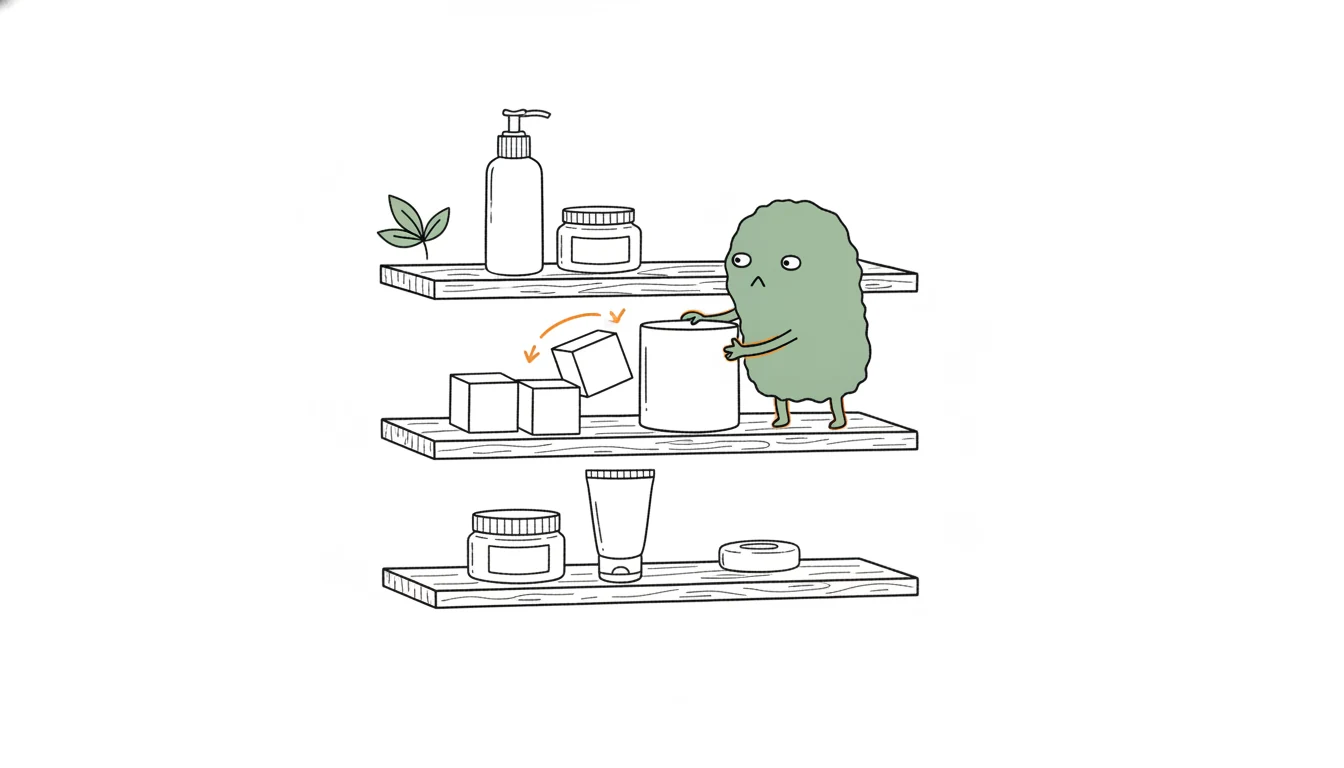
The most common mistake first-time founders make is trying to launch with 15 SKUs. You don’t need a full line. You need two or three products that tell a coherent story and give you room to grow.
Here are proven starter combinations for spa and body care brands:
| Combo | Products | Why It Works | Est. First Order (500 pcs each) |
|---|---|---|---|
| Bath & Body | Bath bombs + Body butter | High-margin, visual, easy to ship | $2,500–$4,000 |
| Nail Care | Cuticle oil + Hand cream | Low MOQ, compact, repeat purchase | $1,200–$2,500 |
| Spa Ritual | Sugar scrub + Massage oil + Bath salt | Gift-set potential, higher AOV | $3,500–$6,000 |
| Salon Pro | Callus remover + Cuticle softener | B2B angle (sell to salons + consumers) | $1,800–$3,000 |
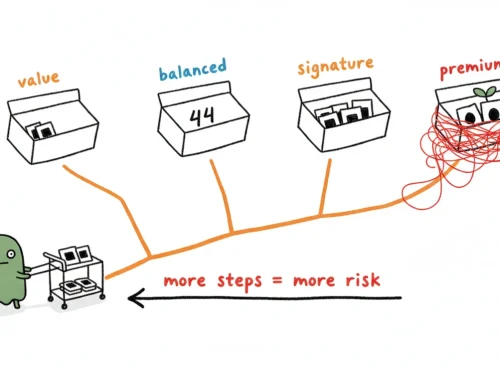
Pick one combo. Resist the urge to add more. Every additional SKU means a separate formula, a separate packaging spec, a separate compliance check, and a separate inventory line that can expire before it sells.
Step 2: Choose Your Manufacturing Model
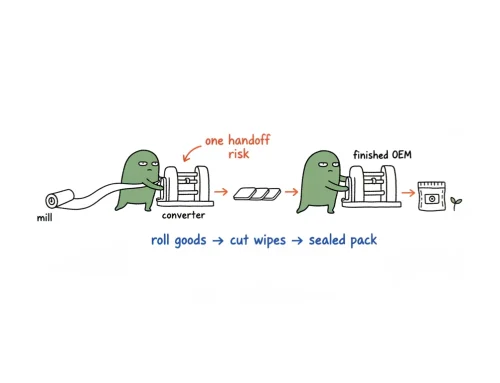
This is where most founders get confused — and where manufacturers’ marketing copy tends to blur the lines. There are three distinct models, and the one you choose determines your cost, your timeline, and how much control you have over the finished product.
White Label (Stock Formula, Your Label)
The manufacturer has a pre-developed formula. You pick a scent, choose a bottle or jar from their standard options, and apply your logo. This is the fastest and cheapest path — think of it as “off-the-rack with your name on it.”
- MOQ: 200–500 units (sometimes lower)
- Lead time: 15–25 days after artwork approval
- Per-unit cost: Lowest of the three
- Customization: Scent, label design, packaging color. Formula itself is fixed.
- Best for: First-time founders testing market demand
Private Label (Modified Formula, Your Brand)
You start with the manufacturer’s base formula but request specific changes — swap an oil, adjust the fragrance load, change the texture. The manufacturer reformulates within their existing capability. Think of it as “made-to-measure.”
- MOQ: 500–1,000 units
- Lead time: 25–35 days (includes lab time for modification)
- Per-unit cost: 10–20% above white label
- Customization: Formula modifications, custom scent blends, packaging selection, label design
- Best for: Brands that want differentiation without R&D investment
OEM / ODM (Custom Formula, Built From Scratch)
You bring a brief — target texture, key ingredients, performance claims, price point. The manufacturer’s lab develops a formula from scratch, provides samples for your approval, and produces it exclusively for you. Think of it as “bespoke.”
- MOQ: 1,000–5,000 units (higher because the manufacturer invests lab time)
- Lead time: 35–60 days (includes R&D, stability testing, pilot batch)
- Per-unit cost: 20–40% above white label, but drops at scale
- Customization: Full control — formula, ingredients, texture, viscosity, color, scent, packaging
- Best for: Brands with a clear product vision and enough volume to justify R&D
Step 3: Find and Vet the Right Manufacturer
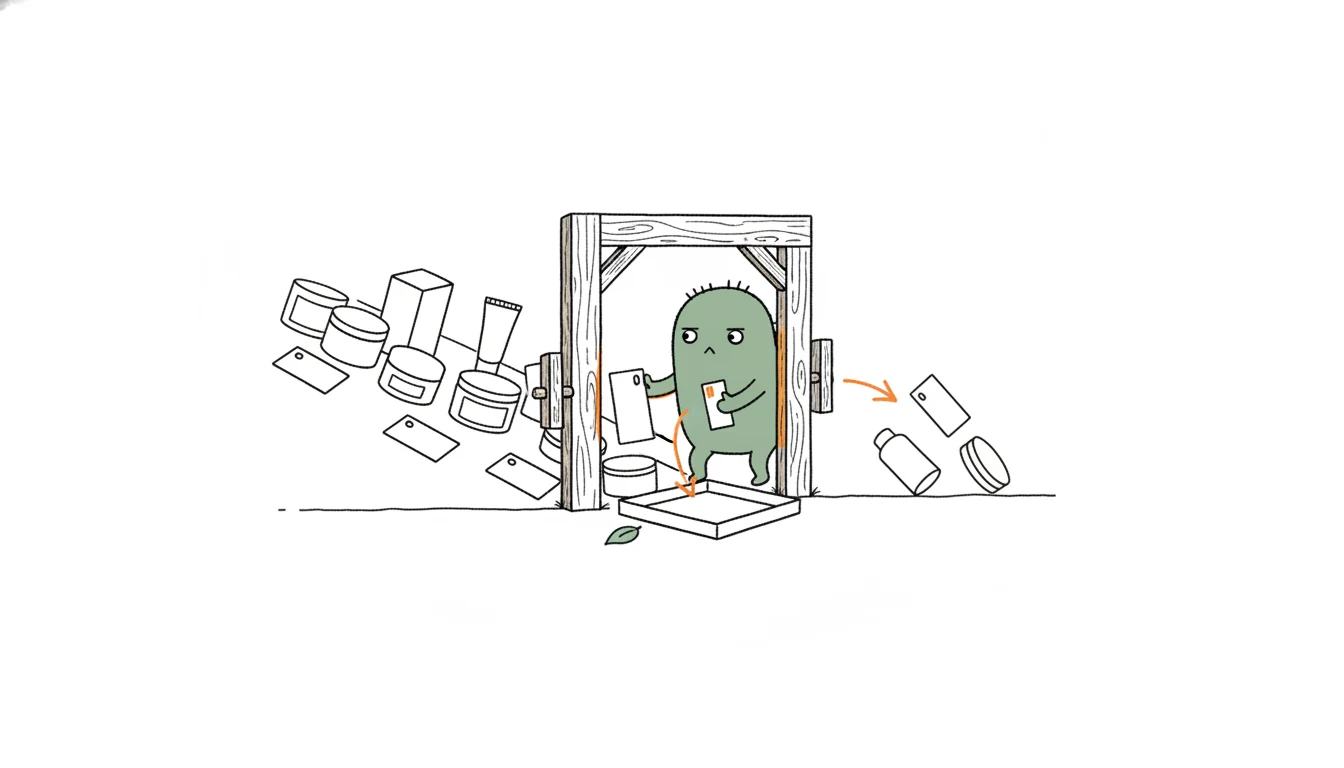
Google “private label body butter manufacturer” and you’ll get a mix of real factories, trading companies, and lead-generation sites. Here’s how to separate manufacturers from middlemen:
7 Vetting Signals
- They publish MOQ and lead times publicly. Real manufacturers aren’t afraid of transparency. If a supplier won’t give you a number until you “book a call,” they’re likely a trading company marking up someone else’s factory.
- They have a physical address and factory photos. Not stock images. Look for consistent signage, real production lines, and dated content.
- They respond to inquiries within 24 hours. Response time tells you what working with them will feel like for the next two years. If they take four days to answer a first inquiry, they’ll take four days to answer a quality complaint.
- They offer samples before you commit. A manufacturer who won’t send samples is a manufacturer who isn’t confident in their product. Expect to pay $30–$80 per sample (shipping included) — this is normal and not a red flag.
- They can provide a COA (Certificate of Analysis). This is the document that proves what’s in the bottle matches what’s on the label. If they can’t produce it, walk away.
- They ask about your market. A good manufacturer wants to know where you’re selling, because regulations differ. A factory that asks about FDA vs. EU compliance is a factory that has shipped to both.
- They have a clear payment structure. Standard terms: 30% deposit on PO, 70% before shipment (or 30/30/40 for larger orders). If they want 100% upfront, that’s a red flag.
Red Flags
- Prices 40%+ below market average (you’ll get what you pay for)
- No website, only a WhatsApp number and an Alibaba storefront
- They claim to make everything — skincare, color cosmetics, supplements, food. No factory does all of those well.
- They refuse to name their ingredient suppliers
- They pressure you to pay a deposit before sending samples
Step 4: Understand Your Real Costs
The per-unit price your manufacturer quotes is not your landed cost. Here’s what a realistic cost breakdown looks like for a 500-unit first order of body butter (200ml jar):
| Cost Component | Per Unit | 500 Units Total | Notes |
|---|---|---|---|
| Product (FOB factory) | $3.20 | $1,600 | White label, standard shea base |
| Custom label printing | $0.40 | $200 | Full-color, waterproof |
| Custom box (optional) | $0.80 | $400 | Folded carton, branded |
| Freight (sea, door-to-port) | $0.55 | $275 | Consolidated LCL shipment |
| Customs duty (US, ~4.9%) | $0.22 | $110 | HTS code dependent |
| Inland freight + handling | $0.15 | $75 | Port to warehouse |
| Landed cost per unit | $5.32 | $2,660 |
If you retail this body butter at $24, your gross margin is roughly 78%. That sounds great — until you factor in marketing (30–40% of revenue for a new brand), platform fees (Amazon 15%, Shopify + payment processing 3%), and returns (5–8%). Your real operating margin on a $24 product is closer to 20–25%.
This is why unit economics matter before you pick a product. If your landed cost is above 35% of your retail price, you’ll struggle to achieve profitability without scaling significantly.
Step 5: Get Packaging and Labeling Right
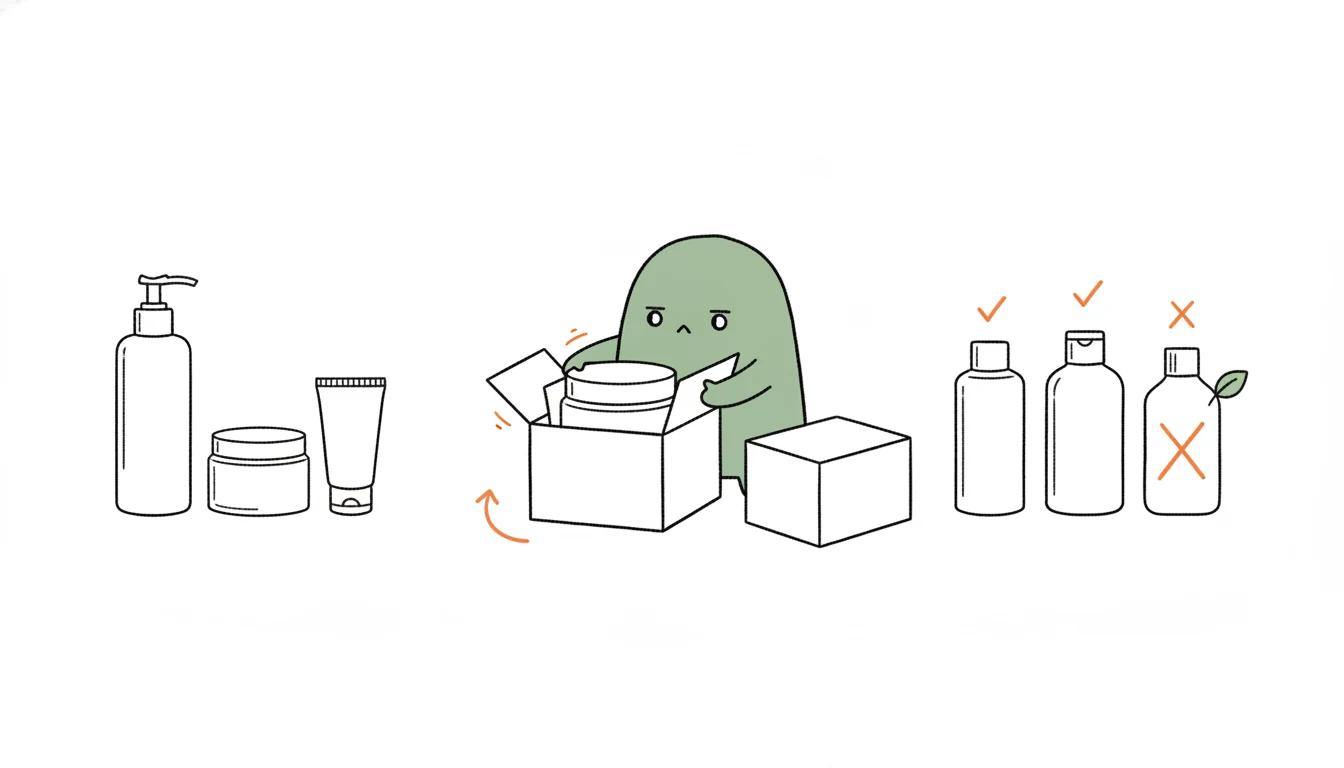
Packaging is where first-time brands overspend or underthink. Here’s the practical framework:
Bottle and Jar Selection
Most manufacturers offer 3–5 standard packaging options per product type at no extra tooling cost. Custom molds require a $3,000–$8,000 tooling fee and a 5,000+ MOQ. For your first order, always choose from the manufacturer’s standard options. You can customize later once you have sales data.
Label Compliance Basics
Depending on your market, your label must include specific information. Here’s the minimum for the US market:
- Product identity (“Body Butter,” “Cuticle Oil,” etc.)
- Net weight (in both metric and imperial for US)
- Ingredient list (INCI names, descending order by weight)
- Manufacturer or distributor name and address
- Country of origin (“Made in China” if applicable)
- Batch number and manufacture date
For the EU market, you also need a CPNP (Cosmetic Products Notification Portal) registration, a Responsible Person based in the EU, and allergen declarations. This is a meaningful cost — budget $500–$1,500 for EU compliance on top of your product cost.
Step 6: Place Your First Order — Timeline and Checkpoints
From the day you send a purchase order to the day product arrives at your warehouse, expect 6–10 weeks. Here’s what happens in that window:
| Week | Milestone | Your Action |
|---|---|---|
| Week 1 | PO confirmed, deposit paid | Send final artwork files, confirm packaging specs in writing |
| Week 2 | Pre-production sample (golden sample) | Approve in writing — this is your quality benchmark |
| Weeks 3–5 | Bulk production | Request mid-production photos or video. A good manufacturer offers this unprompted. |
| Week 5 | QC inspection + final photos | Review batch records. If possible, hire a third-party inspector ($200–$400). |
| Week 6 | Balance payment + shipment booking | Confirm shipping terms (FOB, CIF, or DDP), get tracking |
| Weeks 7–9 | Transit (sea freight) or Week 7 (air) | Sea: 14–25 days. Air: 5–7 days but 3–4x the cost. |
| Week 9–10 | Customs clearance + delivery | Have your importer of record and customs broker lined up before shipment. |
Payment Terms
The standard structure for a first order is 30% deposit + 70% before shipment. Once you’ve completed 2–3 orders with the same manufacturer, you can negotiate to 30/30/40 (30% deposit, 30% after production, 40% before shipment) or even NET 30 terms for repeat orders. Never pay 100% upfront on a first order — you lose all leverage if quality is off.
Step 7: Launch, Learn, and Scale
You have product. Now what?
First 100 Customers
Don’t open an Amazon listing on day one. Sell directly first — through your own website, local salons, pop-up markets, or a Faire.com wholesale storefront. Direct sales give you margin to absorb mistakes, feedback loops to improve the product, and proof of demand that makes Amazon and retail buyers take you seriously later.
When to Reorder
Reorder when you have 6–8 weeks of inventory left. Since lead time is 6–10 weeks, waiting until you’re at 4 weeks means you’ll stock out. Set a reorder trigger at 40% remaining inventory.
When to Expand
Add a new SKU when your first product is selling consistently (20+ units per week, sustained for 2 months). Don’t add a second product because you’re bored — add it because customers are asking for it or because it’s a natural cross-sell (body butter customers asking about body scrub, for example).
Common Mistakes (and How to Avoid Them)
Mistake 1: Over-customizing the first order. You want custom everything — custom formula, custom bottle, custom box, custom sleeve. Each customization adds lead time, cost, and risk. Start white label, earn the right to customize.
Mistake 2: Underestimating lead times. The manufacturer says “25 days.” That’s production time, not total time. Add 2 weeks for sample approval back-and-forth, 3 weeks for shipping, 1 week for customs. Plan for 10 weeks, celebrate if it’s 8.
Mistake 3: Skipping the golden sample. The pre-production sample is your contract. If bulk production doesn’t match the sample, you have grounds to reject. Without an approved sample, you have no recourse.
Mistake 4: Not budgeting for compliance. Labels, COAs, EU registration, third-party testing — these add $500–$2,000 per product. If you don’t budget for them, they become the reason your launch slips by a month.
Mistake 5: Choosing the cheapest manufacturer. A $0.80 body butter becomes a $2.40 body butter when you factor in rejects, customer complaints, and the cost of emergency reordering from a better supplier. Pay 15–20% more for a manufacturer with quality systems.
Supplier comparison: If the launch brief includes bundled foot-care steps, compare our private label pedicure spa kit manufacturer shortlist across 2-in-1, 4-in-1, 5-in-1 and 6-in-1 formats before sending the RFQ.
Frequently Asked Questions
Do I need an LLC before I can order from a manufacturer?
No. Most manufacturers will ship to an individual. But you should form a business entity before you start selling — for liability protection and to open a business bank account.
Can I start with less than $2,000?
Yes, but your options narrow. At $1,000–$2,000, you’re looking at white label cuticle oil or bath bombs at 200–300 units. Skip body butter and sugar scrubs at this budget — the packaging and shipping costs eat your margin.
Do I need insurance?
Yes. Product liability insurance for a small beauty brand costs $300–$600 per year. It’s not optional if you’re selling to consumers, and most retailers and marketplaces require it.
Can I sell on Amazon right away?
You can, but it’s harder than it looks. Amazon requires GS1-registered barcodes ($250/year minimum), product images that meet their standards, and a listing that can survive in a competitive search environment. Start with your own channel, then expand to Amazon once you have reviews and brand traction.
How do I know if a manufacturer is reliable?
Order samples. Check their response time. Ask for references from other brands they work with. Look at how long they’ve been in business. And read our guide on how to vet a manufacturer — it breaks down 7 specific signals to look for before you sign.
Ready to Start?
If you’re planning a spa or body care brand, we can help. NailLegend is a factory-direct OEM and private label manufacturer with 10+ years of experience producing bath bombs, body butters, sugar scrubs, cuticle oils, massage oils, and spa kits for brands in 40+ countries.
Here’s what we offer first-time founders:
- White label formulas with MOQ as low as 200 units
- Free initial sample evaluation on standard base formulas
- Full compliance documentation (COA, ingredient lists, MSDS)
- Custom packaging and label design support
- ≤24-hour inquiry response — real replies from a real person
Request a Quote — tell us what product you’re planning, your target MOQ, and your market. We’ll send a spec sheet and pricing within 24 hours. No commitment, no email gate.
Or learn more about our OEM capabilities — see our factory specs, production process, and the full range of spa and body care products we manufacture.
Have questions about starting your spa brand? Drop them in the comments or reach out directly — we talk to founders every day and we’re happy to share what we’ve learned.


Great content! Keep up the good work!