
“What is the difference between a cuticle softener, a remover, and an oil?” is one of the most common questions B2B buyers ask before building a nail-care line — because the three products look similar but do genuinely different jobs. Getting cuticle softener vs remover right (and where oil fits) decides what you stock, how you label it, and how you bundle it. This guide explains each product, when it is used, how they differ, and which to private label.
The Three Products at a Glance
All three target the cuticle, but at different stages and strengths. A softener prepares, a remover dissolves, and an oil nourishes. Understanding cuticle softener vs remover versus oil is the foundation of a coherent cuticle-care range — confuse them and you mislabel products or leave gaps in the line.
The good news for a private-label buyer is that the three are complementary, not competing: a customer who buys one is a natural customer for the others, which is why the category rewards building the full range rather than betting on a single product.
Cuticle Softener: What It Is and When to Use It
A cuticle softener is a mild, hydrating liquid or gel applied at the start of a manicure or pedicure. Its job is to soften and loosen the cuticle so it can be gently pushed back — not to dissolve it. Built around humectants and soothing ingredients, softeners are gentle enough for frequent use and are the everyday prep step in both salon and at-home routines. They are the easiest of the three to formulate and label safely, which makes a softener a low-risk anchor for a new nail-care line.
Cuticle Remover: What It Is and When to Use It
A cuticle remover is a stronger, alkaline product (typically based on potassium or sodium hydroxide) designed to actually break down and dissolve excess or overgrown cuticle tissue. It works faster and harder than a softener and is used more sparingly, with attention to contact time, because leaving it on too long can irritate the surrounding skin. In the cuticle softener vs remover decision, the remover is the “heavy-duty” option for clients with significant cuticle overgrowth, while the softener handles everyday prep. A remover needs the same careful labelling and safety guidance as any alkaline cosmetic.
Cuticle Oil: What It Is and When to Use It
A cuticle oil is a nourishing, protective blend — usually jojoba, almond, or vitamin-E-rich oils — applied after the manicure to condition the nail and cuticle and to maintain them between services. It does not soften or remove anything; it hydrates and protects. Oil is the “finish and maintain” step that completes the routine, and it is the highest-margin, most retail-friendly of the three. For the full picture on sourcing it, see our cuticle oil range and the cuticle oil labelling guide.
Cuticle Softener vs Remover vs Oil: Comparison
| Product | Job | Strength | When used | Frequency |
|---|---|---|---|---|
| Softener | Loosen cuticle for pushing back | Mild, conditioning | Start of service (prep) | Every manicure/pedicure |
| Remover | Dissolve excess cuticle tissue | Strong, alkaline | During service, as needed | Sparingly, with care |
| Oil | Nourish & protect nail/cuticle | Conditioning, no actives | After service & maintenance | Daily / between services |
Which to Stock and Private Label
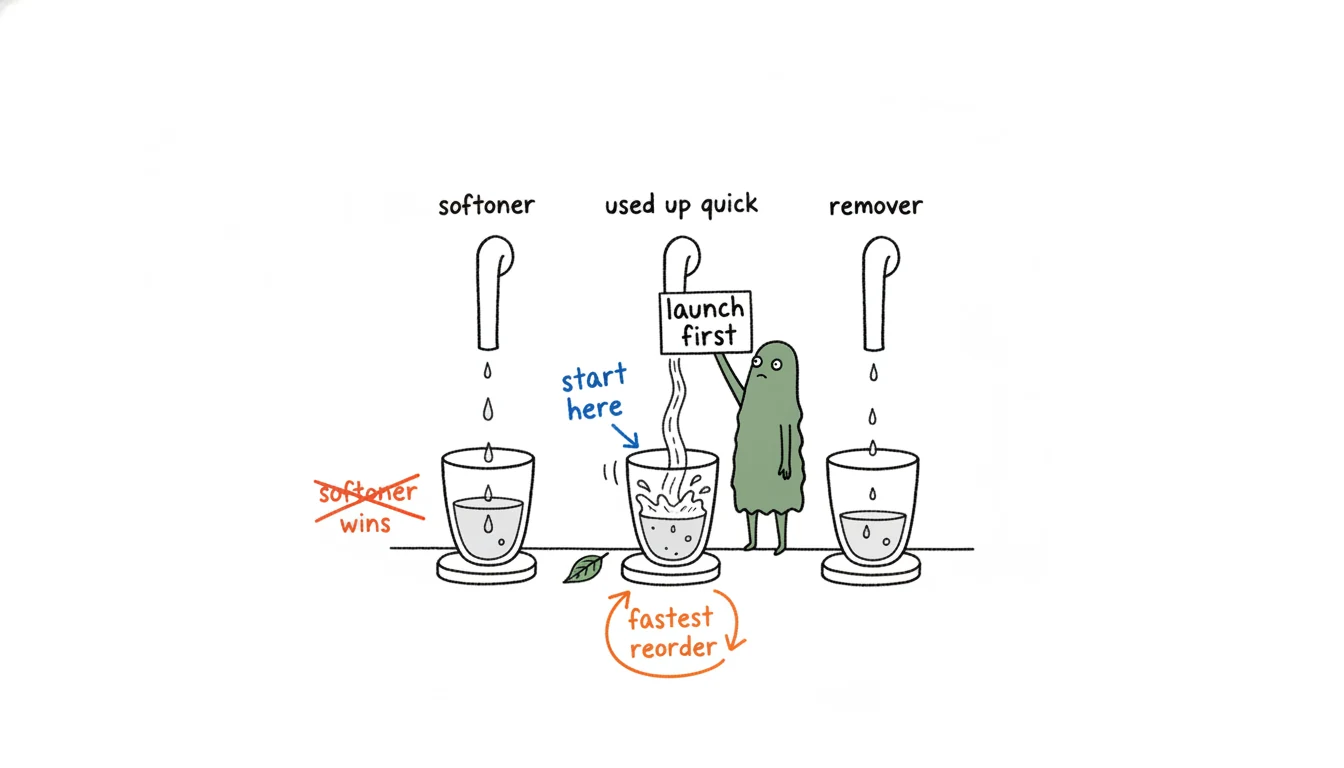
For most new nail-care lines, the smart sequence is softener and oil first — they are the everyday, low-risk, high-repeat products — then add a remover for clients and pros who need it. A softener covers universal daily prep, an oil covers maintenance and is the strongest retail seller, and the remover serves the narrower heavy-duty need with more labelling overhead. If you are targeting professional salons specifically, all three matter; if you are targeting at-home retail, lead with softener and oil and treat the remover as optional.
Bundling the Three as a Set
The strongest commercial play is often to sell the three as a cuticle-care set with a clear “prep, treat, nourish” story: softener to prep, remover for heavy-duty work, oil to finish and maintain. A set raises order value, simplifies the buyer’s decision, and differentiates you from suppliers selling single products. It also lets you source all three from one cuticle softener and oil manufacturer, simplifying your supply chain and your branding.
Why Buyers Confuse Softener vs Remover
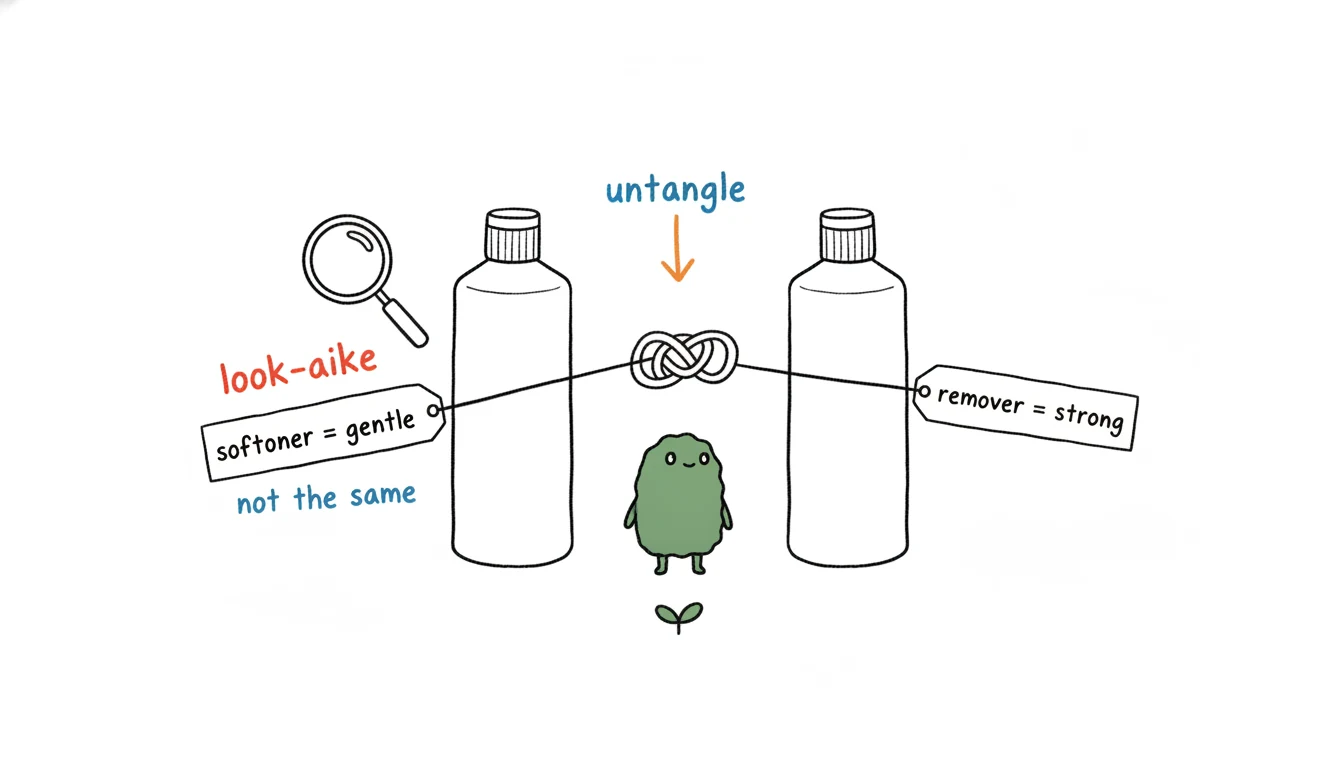
The cuticle softener vs remover confusion is so common because the two products are used at almost the same moment in a manicure and the names sound interchangeable. But the distinction is real and worth making clearly on your packaging: a softener is mild and used every time, while a remover is alkaline, stronger, and used sparingly. Mislabeling a remover as a “softener” — or selling an aggressive formula as an everyday product — is the single most common error in this category, and it creates both safety and trust problems. As a brand, being explicit about cuticle softener vs remover on the label and in your product copy is a small thing that signals you understand the category, which professional buyers notice.
This confusion also shows up in reverse word order — many buyers search it as cuticle remover vs softener or the fuller cuticle remover vs cuticle softener, rather than cuticle softener vs cuticle remover. Whichever order you search, the products and the distinction are identical: softener is the mild, everyday prep step and remover is the stronger, alkaline product used sparingly.
Pricing & Margin Across the Three
The three products carry different cost and margin profiles, which shapes how you build the range. Cuticle softener is inexpensive to formulate and a steady-volume seller; cuticle remover costs a little more given the active chemistry and labelling, and sells in lower volume; cuticle oil is the highest-margin and most retail-friendly, especially in premium dropper packaging. The set is where the economics get attractive — bundling a low-cost softener, a modest-volume remover, and a high-margin oil produces a blended margin and a higher order value than any single product. When you model your line, price the set as the hero offer rather than treating the three as unrelated SKUs.
Channel Notes: Salon vs Retail
The right mix in the cuticle softener vs remover versus oil lineup shifts by channel. Professional salon buyers want all three, in larger or back-bar formats, and value the remover more than retail does because pros handle overgrown cuticles daily. At-home retail buyers lean on softener and oil, with the remover an optional add-on, and care more about attractive packaging and clear instructions. Distributors want the full set to serve both. Match your format and bundle to the channel you are targeting, and tell your manufacturer up front so MOQ and packaging are quoted to fit.
Cuticle Remover vs Cuticle Oil: How They Differ
The cuticle remover vs cuticle oil comparison — sometimes searched as cuticle oil vs cuticle remover or the shorter cuticle oil vs remover — is really a comparison of opposites. A remover is an active, alkaline product that dissolves excess cuticle tissue during a service; an oil is a non-active, conditioning blend that hydrates and protects afterward. The core difference between cuticle oil and cuticle remover is timing and chemistry: remover acts on tissue that needs to come off, oil maintains the tissue that stays. They are not substitutes for each other, and a complete routine uses both at different steps.
Common Buyer Questions
Two questions come up repeatedly. First, “do I need both a softener and a remover?” — for at-home lines, usually a softener and oil are enough; for professional lines, the remover adds value for overgrown cuticles. Second, “can one product do all three jobs?” — no; the chemistry is genuinely different, and a product that tried to soften, dissolve, and nourish at once would do none well. Stock the right tool for each step. For supplier selection and the wider sourcing picture, see the cuticle softener manufacturer guide.
How to Brief Your Supplier on the Set
Once you have decided your position in the cuticle softener vs remover versus oil lineup, a precise brief gets an accurate quote and sample. Specify which products you want (softener only, softener plus oil, or the full three-piece set), the format for each (brush, dropper, or gel), target scents, any herbal or botanical positioning, the strength expectation for the remover if included, and packaging that ties the set together visually. Tell the supplier your channel — professional, retail, or both — so MOQ and formats fit. The more clearly you define the set up front, the closer the first sample comes and the faster you reach a production-ready line. For the wider sourcing picture, see the cuticle softener manufacturer guide.
Browse the wholesale cuticle softener range, a representative private label cuticle softener, or pair it with cuticle oil to build a complete set, then request a quote.
Frequently Asked Questions
What is the difference between cuticle softener and cuticle remover?
A cuticle softener is a mild, hydrating product that loosens the cuticle so it can be gently pushed back, while a cuticle remover is a stronger alkaline product that dissolves excess cuticle tissue and is used sparingly and with care.
Where does cuticle oil fit in?
Cuticle oil is the nourish-and-maintain step used after the manicure to condition and protect the nail and cuticle. It does not soften or remove anything, and it is the most retail-friendly, highest-margin of the three.
Do I need both a softener and a remover?
For at-home retail lines a softener and oil are usually enough; for professional salon lines a remover adds value for clients with overgrown cuticles. Many brands stock all three as a set.
Can one product soften, remove and nourish?
No. The three jobs require genuinely different chemistry, so a single all-in-one product would perform each poorly. Stock the right product for each step of the routine.
Which cuticle products should a new brand launch first?
Most new lines lead with a cuticle softener and oil because they are everyday, low-risk, high-repeat products, then add a remover for the heavier-duty professional need.
Is cuticle remover the same as cuticle oil?
No. Cuticle remover is a stronger, alkaline product that actively dissolves excess cuticle tissue, while cuticle oil is a non-active conditioning blend used to hydrate and protect afterward. They handle opposite jobs in the same routine.
Is cuticle oil the same as cuticle remover?
They are different products with different chemistry. Cuticle oil contains no active ingredients and simply nourishes the nail and cuticle, while cuticle remover contains an alkaline active that breaks down tissue and needs careful contact-time control.
Is cuticle oil and cuticle remover the same thing?
Not the same thing. Oil finishes and maintains; remover treats and dissolves. Using one in place of the other either under-treats overgrown cuticles or over-strips healthy skin, which is why most professional routines carry both.



Leave A Comment