
If you are sourcing a cuticle softener manufacturer for a private-label or OEM program in 2026, you are adding a high-frequency essential to a nail-care line. Cuticle softeners and removers are used at the start of nearly every manicure and pedicure — professional and at-home — to loosen the cuticle before it is pushed back or trimmed. That makes them a fast-reorder consumable with universal demand, simple branding, and a natural fit alongside cuticle oil and a wider nail-care range. This guide covers the product types, the difference between a softener and a remover, what to look for in a supplier, the customization that matters, and the real numbers behind a private-label launch.
Cuticle softeners sell across professional salon back-bar and at-home retail. A brand or distributor that owns a softener line captures a true repeat consumable and an easy cross-sell with cuticle oil, nail tools, and treatment products.
What Is a Cuticle Softener?
A cuticle softener is a liquid or gel applied to the cuticle and surrounding skin to hydrate and loosen it, making the cuticle easy to push back gently. Most softeners are mild, conditioning formulas built around humectants and skin-soothing ingredients, suitable for frequent use. They differ from cuticle removers, which are stronger alkaline products designed to actually dissolve excess cuticle tissue, and from cuticle oils, which focus on nourishing and protecting the nail and cuticle after the work is done. The distinction matters commercially, and we cover it in detail in our cuticle softener vs remover vs oil guide.
Softener, Remover & Oil: A Quick Map
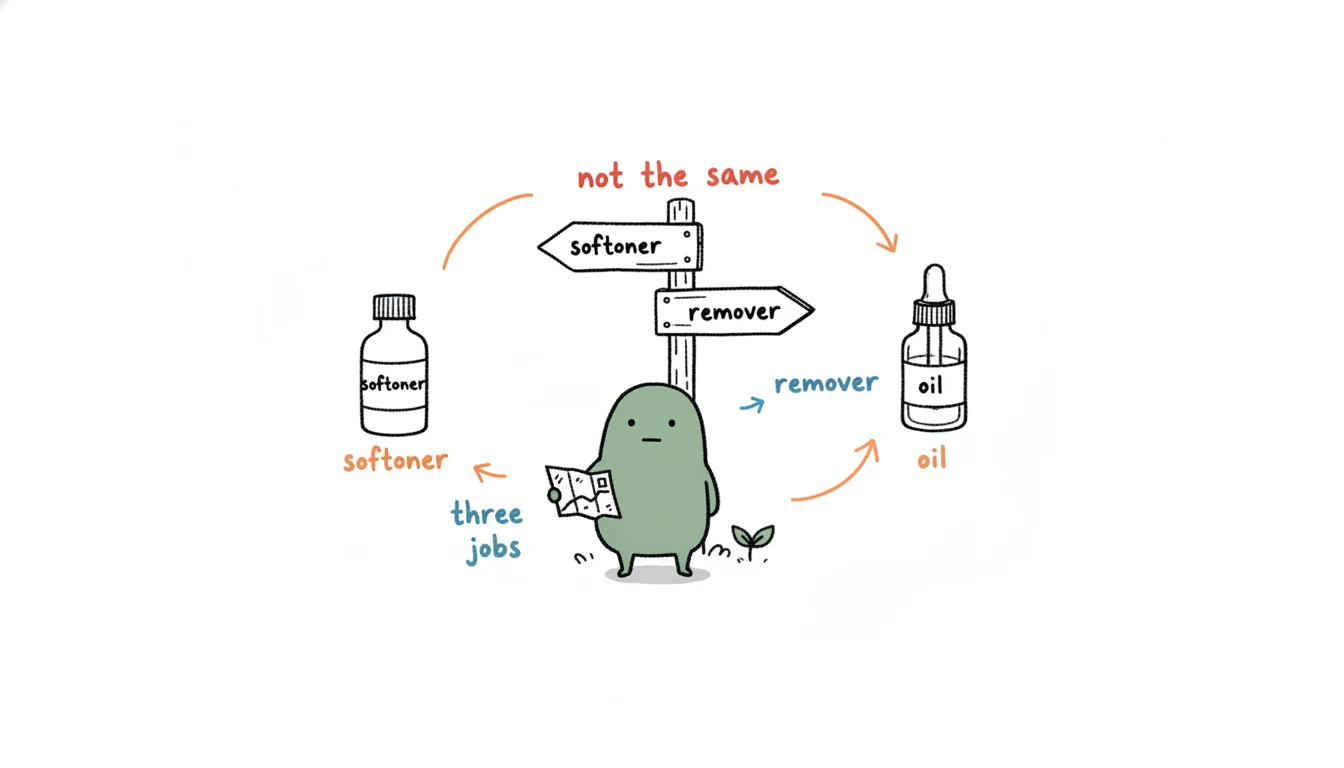
- Cuticle softener: Mild, hydrating, loosens the cuticle for pushing back — the everyday prep step.
- Cuticle remover: Stronger, alkaline, dissolves excess cuticle tissue — used more sparingly and with care.
- Cuticle oil: Nourishing, protective, used after the manicure to condition the nail and cuticle — see our cuticle oil range.
Many brands carry all three as a complete cuticle-care set, which lifts the basket and gives a clear “prep, treat, nourish” story.
Cuticle Softener Formats
A capable cuticle softener manufacturer typically offers several formats, and the right one depends on your channel:
- Liquid softeners: Brush- or dropper-applied liquids for fast salon use.
- Gel softeners: Thicker gels that stay on the cuticle, good for precise at-home use.
- Pro back-bar bottles: Larger formats for high-volume salon use.
- Retail bottles: Smaller branded formats with applicator brushes for take-home sale.
Why Private-Label Cuticle Softeners Sell in 2026
- Used in every service: Manicures and pedicures both start with cuticle prep, so it is constantly consumed.
- Easy cross-sell: It bundles naturally with cuticle oil and nail tools for a complete cuticle-care set.
- Simple differentiation: Scent, format, and packaging do the branding.
- Low risk to launch: Mild softeners are far easier to formulate and label safely than alkaline removers.
What to Look for in a Cuticle Softener Manufacturer
- Both softener and remover capability: A supplier who makes the mild softener and the stronger remover lets you build the full set from one source.
- Conditioning formula quality: A good softener loosens the cuticle while leaving skin hydrated, not dry or irritated.
- Stable scent and clarity: Liquids should stay clear and consistent; fragrance should not drift between batches.
- Real sampling: A physical sample in days, judged on how well it loosens the cuticle, skin feel, and scent.
- Honest MOQ tiers: Sample, pilot, and production tiers to validate before committing capital.
- Documentation discipline: Accurate ingredient lists and market paperwork — more critical for the remover than the softener.
- Responsive English communication: Clear, fast replies predict a smooth production run.
Customization Options That Matter
- Type: Mild softener, stronger remover, or both as a set.
- Format: Liquid, gel, brush-on, or dropper.
- Scent: Stock fragrances (cherry, rose, honey, lavender) or a custom signature scent.
- Actives: Conditioning and soothing add-ins; herbal or botanical positioning.
- Packaging: Pro bottles, retail brush bottles, droppers, or cuticle-care set components — branded to your label.
Quality Control & Compliance Basics
- Ingredient documentation: A full INCI list and market paperwork — straightforward for a mild softener, stricter for an alkaline remover.
- Batch consistency: Confirm how scent, clarity, and active levels stay uniform across a run.
- Remover safety labelling: If you add a remover, it needs clear usage and contact-time guidance like any alkaline product.
- Packaging integrity: Brush and dropper closures must seal reliably so liquid does not leak.
- Sample before scale: Always approve a production-representative sample before a full run.
Channel Strategy: Salon vs Retail
Salon back-bar buyers want fast, value-focused liquids in larger formats and reorder steadily; retail buyers want attractive brush bottles with a clear use and a pleasant scent. Distributors want both, ideally as part of a cuticle-care set with oil. Because a softener pairs so naturally with cuticle oil and nail tools, the smartest play is often to sell the set rather than the single product — it raises order value and gives the buyer a complete solution. Tell your supplier the channel mix and whether you want a set, so MOQ and packaging are quoted correctly.
MOQ, Lead Time & Cost
Custom cuticle softener programs typically start in the low thousands of units per variant, with smaller pilot tiers often available to validate the market first. Production lead time runs roughly two to four weeks after deposit and artwork approval, scaling with volume and custom packaging. Per-unit cost at volume is low relative to the retail price, and the constant reorder cycle makes the category attractive. Build retail price from landed cost: factory price plus freight and duties, then fulfillment and margin.
Sourcing Timeline: From Inquiry to Delivery
- Inquiry & quote (days 1–3): Share type (softener/remover/set), format, scent, and volume. A responsive supplier returns clear MOQ tiers quickly.
- Sampling (days 3–10): Judge how well it loosens the cuticle, skin feel, clarity, and scent.
- Proforma invoice & deposit: Lock formula, packaging, and timeline.
- Bulk production (2–4 weeks): Lead time scales with volume and custom packaging.
- QC & shipping: Confirm batch checks and seals, then choose freight terms (FOB, CIF, or DDP).
Stock, White Label, Private Label, or OEM?
- Stock / wholesale: Buy an existing softener as-is — fastest, no differentiation.
- White label: A ready formula under your brand and label.
- Private label: Your branding plus selective scent, format, or packaging choices.
- OEM / custom formulation: A softener built to your spec — formula, actives, scent, format — for full differentiation.
The Cuticle-Care Market in 2026
Cuticle care sits inside the broader nail-care boom that has held strong as at-home manicures became routine and the professional nail sector kept growing. Cuticle softeners benefit from being a true essential rather than a trend product — every manicure and pedicure starts with cuticle prep, so demand is steady and recession-resistant rather than spiky. For a private-label buyer, the opportunity is that the cuticle-prep shelf is far less branded than cuticle oil, which has become crowded; a well-branded softener (and a softener-remover-oil set) can occupy that gap. A capable cuticle softener manufacturer lets you launch into it with a custom scent and packaging without building a formulation lab.
Bundling Softener, Remover & Oil
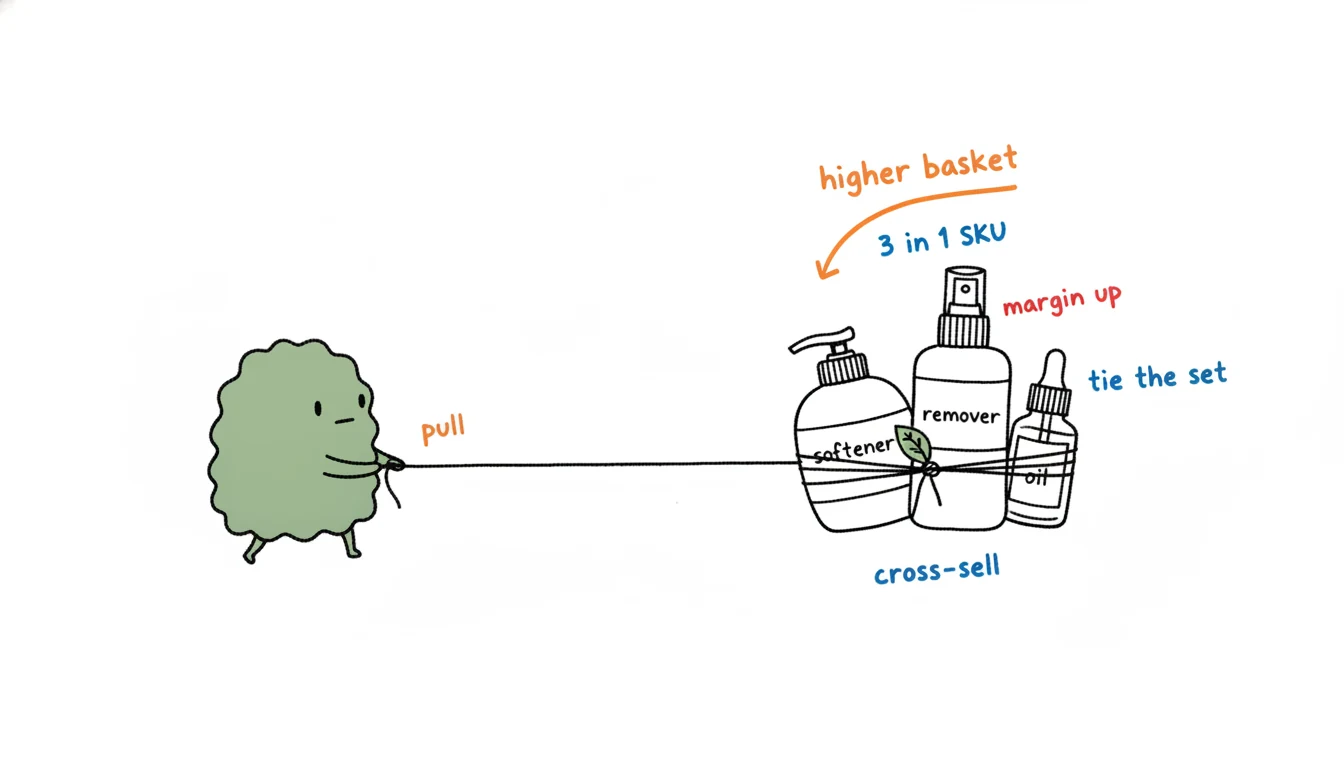
The most effective commercial move in cuticle care is rarely a single product — it is the set. Softener prepares the cuticle, remover handles heavy-duty overgrowth, and cuticle oil nourishes and maintains, giving a clean “prep, treat, nourish” story that makes the buyer’s decision easy and raises order value. Sourcing all three from one manufacturer simplifies your supply chain, keeps branding consistent, and lets you negotiate better combined volume. Even if you launch with just the softener, design the packaging so it visually belongs to a set you can extend later — see how the three relate in our softener vs remover vs oil guide.
Sustainability & Packaging Notes
Cuticle products are small-format bottles, often with brush or dropper applicators, and that small size is both an advantage and a waste concern at volume. Conscious-retail-friendly options include recyclable mono-material bottles, refillable formats for salons, and glass droppers over plastic for premium lines. Because cuticle softener and oil are frequently sold as a set, coordinated, minimal, recyclable packaging across the set is both a sustainability story and a stronger shelf presentation. Raise packaging preferences with your supplier early so the format supports your positioning.
Application & Everyday Use
A cuticle softener is one of the most-used products in any nail routine, so understanding the use pattern helps you spec it correctly. In a service, it is brushed or dropped onto the cuticle and surrounding skin at the start, left for a short time to hydrate and loosen, then the cuticle is gently pushed back with a tool — no aggressive scraping needed when the softener has done its job. At home, the same simple step lets users maintain neat cuticles between manicures. Because it is used so frequently and on delicate skin, a softener must be gentle enough for repeated daily use without drying or irritating, which is exactly where a quality formula separates from a cheap one. When you brief your manufacturer, specify that the softener is for frequent use so the formula is conditioning rather than harsh.
Nail Legend produces cuticle softeners and removers alongside a full nail-care range, including cuticle oil, with custom scents and private-label packaging. Browse the wholesale cuticle softener range, see a representative private label cuticle softener, or pair it with cuticle oil for a complete set, then request a quote.
Supplier comparison: Once the format and salon-use brief are fixed, compare the cuticle softener manufacturer shortlist and verify formula, packaging, MOQ and destination-market documents in the RFQ.
Frequently Asked Questions
What does a cuticle softener manufacturer supply?
A cuticle softener manufacturer produces finished cuticle softeners and removers on a stock, white-label, private-label, or OEM basis — covering the formula, scent, format, packaging, and your branded label, often as part of a cuticle-care set with oil.
What is the difference between a cuticle softener and a remover?
A softener is a mild, hydrating product that loosens the cuticle for gentle pushing back, while a remover is a stronger alkaline product that dissolves excess cuticle tissue and is used more sparingly and with care.
What is the typical MOQ for private-label cuticle softener?
Custom programs commonly start in the low thousands of units per variant, and many suppliers offer smaller pilot tiers so you can validate the market before committing to a full production run.
Can I sell cuticle softener, remover and oil as a set?
Yes, and many brands do. Selling the set tells a clear prep-treat-nourish story, raises order value, and gives the buyer a complete cuticle-care solution from one supplier.
How long does production take?
Physical samples typically arrive within days to about a week, and bulk production runs roughly two to four weeks after deposit and artwork approval, scaling with volume and custom packaging.
Is a cuticle softener easy to private label?
Yes. Mild softeners are among the easier nail-care products to formulate and label safely. The stronger alkaline remover needs more careful documentation and on-pack usage guidance.


Leave A Comment