
Quick B2B brief. Cuticle oil base oils are the ingredient class that decides cost, viscosity, shelf life, and skin-feel of a private-label cuticle-oil line — not the fragrance, not the bottle. This guide compares the four base oils worth specifying (jojoba vs sweet almond vs argan vs squalane), the typical cuticle oil base oils blend ratios used in Western and Asian programs, viscosity-to-format matching (brush vs dropper vs pen), and a buyer's decision tree for picking cuticle oil base oils by positioning (luxe-spa vs clean-vegan vs price-fighter).
The base oil is 85–95% of every cuticle oil you’ve ever bought. It determines how the product feels on the nail, how fast it absorbs, how long it sits stable on a retail shelf, and how the brand can position itself — premium “Moroccan argan ritual” lives in a different ingredient stack from mass-market “everyday nourishment.” For B2B buyers launching a private-label cuticle oil, the base-oil decision is the first formulation lock and the one that constrains everything downstream: packaging format, claim language, retail price point, and shelf life. This guide compares the four base oils that actually move in private-label production — jojoba, sweet almond, argan, squalane — and what each one means for the launch.
It pairs with the full cuticle oil private label manufacturing guide as the formulation deep-dive, with the MOQ guide for order economics, and with how to vet a cuticle oil manufacturer for partner selection.
Sweet Almond — The Workhorse Volume Base
What it is: a light triglyceride oil pressed from sweet almonds (Prunus dulcis). INCI name: Prunus Amygdalus Dulcis (Sweet Almond) Oil. The dominant base oil in mass-market and most mid-tier private-label cuticle oils.
Strengths:
- Cost. The cheapest of the four serious options. The supply chain is well-established (California, Mediterranean) and the price is stable.
- Absorption. Moderate viscosity, absorbs in 2–3 minutes, leaves a soft moisturizing feel — what consumers expect from a cuticle oil.
- Scent neutrality. A mild, slightly sweet aroma that works under almost any fragrance overlay.
- Shelf life. 12–18 months in proper storage; longer with vitamin E (tocopherol) added as an antioxidant.
- Skin tolerance. Long history of cosmetic use, well-tolerated across skin types.
Trade-offs:
- Nut-allergen labeling. Sweet almond is botanically a drupe, but it’s labeled as a tree-nut in cosmetic regulation in the EU, US, and most major markets. The label must declare it, and brands marketing to nut-allergic segments need to flag it clearly. Most cosmetic-grade reactions are mild, but the labeling discipline is non-negotiable.
- Premium positioning ceiling. Sweet almond doesn’t carry a luxury brand story by itself. Volume retail and mid-tier work; “$28 luxury cuticle ritual” needs more.
When to pick it: volume retail launches, mass-market private-label, salon take-home retail at $8–14 SRP. It’s also the right base for “value blend” SKUs where the manufacturer uses sweet almond as 60–80% of the base with a smaller percentage of jojoba or argan layered in for marketing.
Jojoba — The Mid-Premium Volume Base
What it is: technically a liquid wax ester, not a true triglyceride, pressed from the seed of Simmondsia chinensis (the jojoba shrub native to the Sonoran Desert). INCI: Simmondsia Chinensis (Jojoba) Seed Oil.
Strengths:
- Skin-mimicking chemistry. Jojoba’s wax-ester structure is closer to human sebum than any other commonly-used cosmetic oil. This is real chemistry, not marketing — it translates to clean absorption and minimal post-application greasiness, and supports premium claim language.
- Exceptional shelf stability. Resists oxidation far better than triglyceride oils. 24–36 months in proper storage; some sources claim longer. This matters for retail SKUs that may sit on shelf for 12+ months before sale.
- Lighter feel. Faster absorption than sweet almond (1–2 minutes), thinner viscosity, less residual film.
- Premium credibility. Recognizable to consumers as a “high-quality” oil; supports $14–24 SRP positioning without exotic ingredients elsewhere.
Trade-offs:
- Cost. 2–3× sweet almond. Significant per-unit-cost impact in volume runs.
- Thinner viscosity. May be too thin as a 100% base for brush-cap formats — usually blended with a small percentage of a richer oil (sweet almond, jojoba esters, or a butter-derived liquid) for brush flow.
When to pick it: mid-premium retail SKUs, “natural” or “clean beauty” positioning, brands that want a credible base-oil ingredient story without the cost of argan or squalane. Often used as the dominant component in a sweet-almond-jojoba blend (60% jojoba / 40% sweet almond is a common volume-premium ratio).
Argan — The Premium Brand-Story Base
What it is: oil pressed from the kernels of the argan tree (Argania spinosa), endemic to a UNESCO-protected biosphere in southwestern Morocco and a small adjacent region of Algeria. INCI: Argania Spinosa Kernel Oil. The “liquid gold” of the cosmetic oil category.
Strengths:
- Brand story. Geographically restricted, traditionally produced by Berber women’s cooperatives, decades of premium-positioning success in haircare and skincare. The story does heavy marketing lifting.
- Fatty-acid profile. Rich in oleic and linoleic acids plus a meaningful tocopherol (vitamin E) content. Real moisturizing performance.
- Retail recognition. Consumers know “argan oil” and associate it with premium quality. Lower marketing friction for brand introduction.
Trade-offs:
- Cost. 3–6× sweet almond depending on grade and certification (organic, fair-trade, cosmetic-grade vs. food-grade). The most expensive of the four mainstream cuticle-oil bases.
- Aroma. Argan has a distinct nutty / slightly toasted scent that’s harder to mask under a fragrance overlay than sweet almond or jojoba. Either embrace it as part of the product personality or budget for higher fragrance load to cover it.
- Supply chain transparency. “Argan oil” without certification can be diluted or adulterated. Reputable manufacturers source from certified cooperatives and provide the chain-of-custody documentation.
When to pick it: premium retail SKUs at $16–30 SRP where the Moroccan heritage story can do real marketing work, gift-set SKUs, and luxury-positioned private-label brands. Frequently used as the hero ingredient at 15–35% of the base composition, with sweet almond or jojoba as the volume carrier.
Squalane — The 2026-Trend Premium Base
What it is: the saturated (hydrogenated) form of squalene, a compound human skin naturally produces. Sourced from olive oil (more affordable, well-established) or from fermented sugarcane (premium “sustainable” sourcing). INCI: Squalane.
Strengths:
- Bio-identical claim. Squalene is already in human sebum; squalane is the stabilized version of it. Supports “mimics skin” claim language with real chemistry behind it.
- Stability. Doesn’t oxidize the way triglyceride oils do; effectively unlimited shelf life under normal storage conditions.
- Absorption. The fastest-absorbing of the four bases discussed here. Clean, near-instant absorption with no residual oily film.
- Trend tailwind. Strong consumer awareness in 2025–2026 thanks to skincare-brand marketing (The Ordinary, Biossance, etc.). Familiar to the same consumer base buying premium cuticle oil.
Trade-offs:
- Cost. 4–8× sweet almond. Olive-derived squalane is the cheaper end; sugarcane-derived is the premium ‘sustainable’ positioning at the higher end.
- Thin viscosity. Best used in a blend — at 100% it can feel “not substantial enough” to consumers used to richer cuticle oils. 15–35% squalane in a sweet almond or jojoba carrier is the typical premium formulation.
- Sourcing claim diligence. “Plant-derived squalane” is the credible cosmetic-grade material. Shark-liver-derived squalane (the original source, now phased out by responsible suppliers) is an animal-welfare issue. Confirm plant-derived sourcing on the CoA.
When to pick it: premium and luxury retail launches, “clean beauty” and “skinified” cuticle oil positioning, 2026-trend-aware brand identities. Frequently the hero ingredient in a blend with jojoba (squalane 25–30% / jojoba 70–75%) for a premium-positioned SKU at $20–32 SRP.
Side-by-Side: The Base-Oil Decision Table

| Dimension | Sweet Almond | Jojoba | Argan | Squalane |
|---|---|---|---|---|
| Relative cost | 1× | 2–3× | 3–6× | 4–8× |
| Viscosity | Moderate | Thin-moderate | Moderate | Very thin |
| Absorption time | 2–3 min | 1–2 min | 2–3 min | <1 min |
| Shelf life (with tocopherol) | 12–18 mo | 24–36 mo | 12–18 mo | ~unlimited |
| Scent profile | Soft / sweet | Neutral | Nutty / toasted | Near-odorless |
| Brand story strength | Modest | Strong (skin-mimic) | Strongest (Moroccan) | Strong (2026 trend) |
| SRP positioning | $8–14 | $12–22 | $16–30 | $20–32 |
| Allergen flag | Tree nut declared | None notable | None notable | None |
| Common blend role | Volume carrier | Mid-premium carrier or accent | Hero accent (15–35%) | Hero accent (15–35%) |
Blends — How Most Real Private-Label Cuticle Oils Are Built
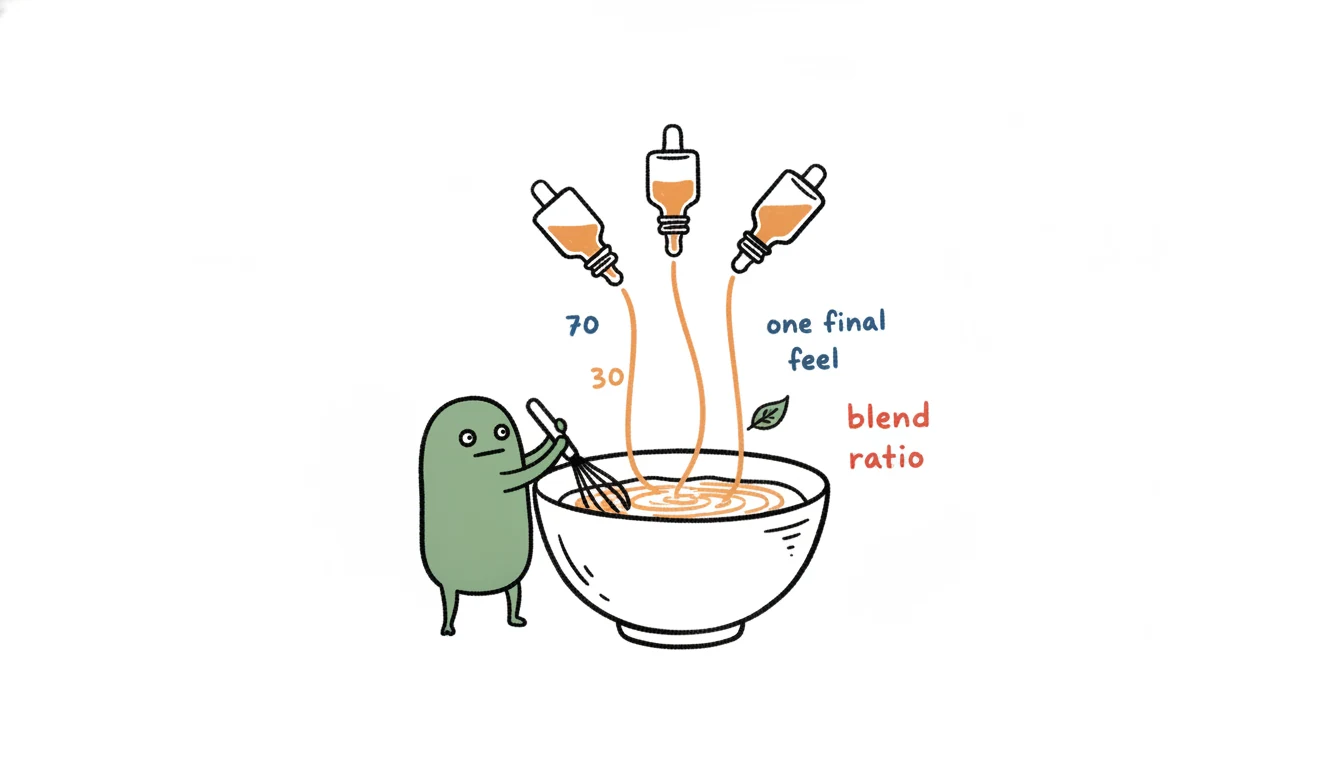
Single-oil 100% formulations exist (especially for ingredient-story marketing — “100% jojoba”), but most commercial private-label cuticle oils are blends. Three common blend architectures:
- Volume blend (mass-market SRP $8–14): 80% sweet almond / 15% jojoba / 5% accent (vitamin E + light fragrance). Inexpensive, stable, broad consumer acceptance.
- Mid-premium blend (SRP $14–22): 50% sweet almond / 35% jojoba / 10% argan or squalane as a marketing-ingredient accent / 5% actives (vitamin E, botanical extract, fragrance). Hits the “natural + premium” positioning sweet spot.
- Premium blend (SRP $20–32): 40% jojoba / 30% argan or squalane / 20% sweet almond / 10% premium actives (rosehip, marula, botanical extracts, premium essential-oil scent panel). Argan and squalane as marketable hero ingredients with sweet almond/jojoba doing the volume carrying.
The accent layer (vitamin E, fragrance, botanicals) typically sits at 5–10% of the total formulation. Higher than that pushes the formulation toward a serum positioning rather than an oil, and the brush-flow characteristics change. See the broader cuticle-oil formulation context in the private label manufacturing guide.
Packaging Format Interaction
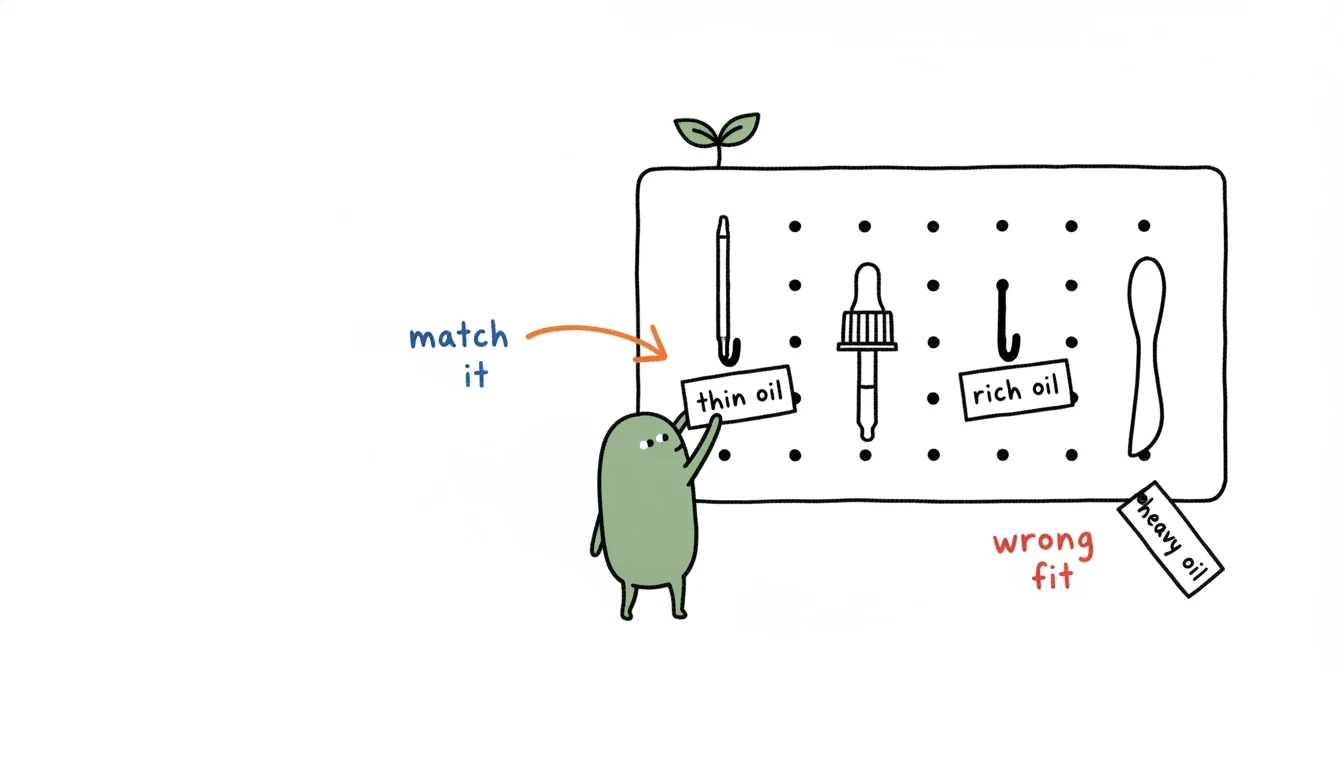
The base-oil composition has to match the dispensing format:
- Brush cap (the volume retail format). Needs medium viscosity for clean brush loading and even distribution. Sweet almond / jojoba blends are the natural fit. Pure squalane is too thin; pure argan can be acceptable but most brands blend it. Castor oil at 3–8% is sometimes used as a viscosity modifier where the base is too thin.
- Dropper bottle (premium retail). Can carry thinner blends — squalane-forward formulations work well here, and the dispensing pace matches the higher absorption rate.
- Roll-on / pen format. Needs higher viscosity to deliver enough oil per stroke. Sweet almond is the standard base; argan or castor oil at 5–10% adds the body the roll-on needs.
- Pump or airless bottle (premium). Most viscosity-flexible. Any of the four bases works; this format is increasingly used for “skinified” premium positioning where a 30ml airless replaces a 15ml brush bottle.
Lock the format before final formulation if possible — switching late is expensive because the viscosity-test stability work has to be re-run.
How Base-Oil Choice Affects MOQ, Lead Time, and Margin
Three considerations beyond per-unit cost:
- Stock blend vs custom blend. Stock blends in the factory library ship fastest at the lowest MOQ. Custom blends require formulation fees and 2–4 extra weeks of sample turnaround. Most launches start with a stock blend and customize on the second SKU.
- Premium-oil MOQ impact. A 100kg run using primarily argan or squalane requires materially more capital outlay than the equivalent sweet-almond run. Some manufacturers tier their MOQ by base-oil cost band — premium-base runs have higher MOQ floors.
- Margin math. The base-oil cost-of-goods is only one variable. A $4 cost-of-goods premium SKU at $28 SRP can carry better margin than a $1.50 cost-of-goods volume SKU at $9 SRP if the brand can drive the volume. Run the unit economics across all four base-oil tiers before locking the lineup.
The full order-economics frame is in our cuticle oil MOQ guide; the sourcing-model question (stock vs private label vs OEM) is in OEM vs Private Label vs Stock for cuticle oil and the broader private label vs OEM vs ODM comparison.
Buyer Frameworks: Picking Your Base by Brand Type
- Nail salon chain building take-home retail. Volume blend (sweet almond + jojoba). Mass-market price point matches the salon retail channel; consistency across reorders matters more than ingredient drama.
- Amazon brand operator adding a high-repeat SKU. Mid-premium blend with argan or squalane as a marketing accent. The ingredient deck has to compete on the PDP; “with argan oil” earns shelf space in Amazon’s algorithmic search results.
- Spa-supply distributor bundling into pro kits. Volume blend, often unscented or lightly scented. Practical performance matters; brand-ingredient marketing is less important in pro channels.
- Established beauty brand extending into nail care. Match the base-oil tier to the brand’s existing positioning. A “clean luxury” brand should lead with squalane or argan; a “fun-and-affordable” brand should lead with sweet almond.
- Travel-retail or amenity sourcing. Volume blend in a roll-on or mini-pen format; durability and consistency over ingredient story.
If you’re scoping a private-label cuticle oil launch — pilot or full retail — send your spec to our team with target retail price, base-oil preference, claim posture (organic, vegan, palm-free), packaging format, and target market. We’ll come back with a quote that maps your spec to one of our pre-validated blends (or a custom formulation path if needed) plus MOQ, sample timeline, and lead time. The full cuticle oil category and our flagship cuticle oil program show the formulation framework in production.
Five Base-Oil Mistakes B2B Buyers Make
- Picking on cost alone without modeling SRP. A $0.60 cost savings per bottle on the base oil only matters if the brand can hold its retail price; if dropping the base tier forces a $4 SRP cut, the math goes the wrong way.
- Putting argan in a $9 SRP volume SKU. The marketing premium argan earns lives at $16+ SRP. Below that, the consumer doesn’t see the value and you’re paying for an ingredient story you can’t monetize.
- Ignoring viscosity-format match. Pure squalane in a brush-cap format leaks and dispenses unevenly. Pure argan in a roll-on flows fine but the brand story sometimes calls for a thinner ingredient list. Match the chemistry to the dispenser.
- Skipping the allergen-label review on sweet almond. Tree-nut declaration is required in most markets. Brands marketing to allergic segments need clear front-of-pack flagging; brands marketing through Amazon may face automated PDP enforcement on the allergen warning.
- Going custom-blend on the first SKU. Custom formulations carry formulation fees, longer sample rounds, and higher MOQ. Validate the channel and the brand with a stock blend; customize on the second SKU once you have data.
Frequently Asked Questions
Which base oil is the most common in private-label cuticle oil production?
Sweet almond is the workhorse — it’s used as the volume base oil in mass-market and most mid-tier private-label cuticle oils because it absorbs well, has a soft scent that works with most fragrance overlays, has a stable shelf life (12–18 months when properly stored), and costs significantly less than the premium options. Jojoba sits a tier above as the mid-premium volume base. Argan and squalane are typically used as accent oils in blends (5–25% of the base composition) or as the hero oil in premium-priced retail lines.
Is jojoba ‘better’ than sweet almond for cuticles?
Different, not strictly better. Jojoba is technically a liquid wax ester, which means it mimics human sebum more closely than triglyceride oils — it absorbs cleanly without an oily after-feel and stores remarkably well (often 24–36 months). Sweet almond is a triglyceride that’s been used safely on skin and nails for centuries; it absorbs slower than jojoba but delivers a slightly richer feel. For premium retail positioning where ‘mimics skin’s natural oils’ or ‘long shelf life’ matters, jojoba is the stronger pick. For volume retail where cost-per-bottle drives margin, sweet almond is the right answer. Many credible private-label products blend the two.
Why is argan oil so much more expensive — is the markup worth it?
Argan oil costs 3–6× sweet almond because the supply chain is geographically limited (the argan tree only grows in Morocco and a small zone of southwestern Algeria) and the production is labor-intensive. The actual skin-benefit difference vs. jojoba or a good triglyceride blend is real but modest — what argan really sells is the brand story (Moroccan heritage, fair-trade women’s cooperatives, the ‘liquid gold’ positioning). For a premium retail SKU where the marketing leverages that story, the markup pays. For a volume SKU where the consumer doesn’t see the origin story, it doesn’t.
What about squalane — isn’t that the trendiest option?
Squalane is the most-recent premium addition to the cuticle-oil base-oil library and has earned its trend status with real chemistry: it’s the saturated, stable version of squalene (a compound human skin already produces), so it’s exceptionally well-tolerated, doesn’t oxidize the way other oils do, and absorbs extremely cleanly. The trade-offs: cost (4–8× sweet almond depending on source — olive-derived is cheaper, sugarcane-derived is the premium ‘sustainable’ positioning), and it’s a relatively thin oil that benefits from being blended rather than used solo at 100%. For a premium-positioned 2026 launch, squalane in a blend (15–30%) hits the right combination of trend credibility and formulation stability.
How do these base oils affect viscosity, absorption, and brush flow?
Materially. Sweet almond is moderate viscosity — flows well from a brush, absorbs in 2–3 minutes. Jojoba is slightly thinner and absorbs faster (often 1–2 minutes). Argan is moderate viscosity, similar to sweet almond. Squalane is the thinnest — absorbs almost instantly. Castor oil (sometimes used as a viscosity modifier at 5–10%) is much thicker and slows absorption noticeably. Brush format generally calls for medium-viscosity blends (sweet almond + jojoba is the classic); dropper formats can carry thinner blends; roll-on formats need higher viscosity to deliver enough oil per stroke. Match the base-oil composition to the packaging format you’re launching.
What’s the typical base-oil blend percentage in a finished cuticle oil?
Base oils typically make up 85–95% of a finished cuticle oil by weight. The remaining 5–15% is the active and accent layer: vitamin E (tocopherol, 0.5–1% as both an antioxidant for the oil and a marketing-claim ingredient), fragrance or essential oil (0.3–1%), botanical extracts or plant esters for storytelling, and occasionally a small amount of a faster-spreading silicone derivative for finish (mostly in premium retail SKUs). Some ‘all-natural’ positions skip the silicone entirely. The base oils carry the formulation; the actives carry the marketing.
Can the manufacturer customize the base-oil blend, and what does that cost?
Yes. Stock formulations use the factory’s standard library blends (typically 5–10 pre-developed blends covering price tiers from volume to premium). Custom blends are available with a formulation fee and longer sample turnaround. As a rule: stock blends ship fastest at the lowest MOQ; custom blends add 2–4 weeks to the sample phase and a meaningful MOQ commitment because run economics shift. Most brands launch with a stock blend (the factory has already validated stability, scent compatibility, and shelf life) and graduate to custom only after the first SKU validates. See our cuticle oil MOQ guide for how this affects order economics.
Does base-oil choice affect regulatory complexity by market?
Slightly. All four base oils discussed here (sweet almond, jojoba, argan, squalane) are well-established cosmetic ingredients with INCI listings and existing safety data — they don’t trigger novel-ingredient assessments in major markets. The complications come from sourcing claims (organic certification, fair-trade, RSPO, etc.), nut-allergen labeling (sweet almond is technically a nut-derived oil and must be declared on labels for EU and several other markets even though most allergic reactions to nut oils are rare in cosmetic concentrations), and shelf-life claims (longer shelf-life claims need stability test data). Confirm with the manufacturer which claims they can substantiate before locking the label.
Ready to source? Read the full cuticle oil private label manufacturing guide and the top cuticle oil manufacturers comparison, browse our cuticle oil category and flagship cuticle oil program, or contact our team for a formulation-locked private-label quote.



Leave A Comment