
If you are sourcing a callus remover manufacturer for a private-label or OEM program in 2026, you are entering a high-margin, high-repeat corner of professional foot care. Callus remover gels and liquids are a back-bar staple in every nail salon and a growing at-home category, used up quickly and rebought on schedule. But unlike a soak salt or a body butter, a callus remover is an active, alkaline product — which makes choosing a capable, safety-literate manufacturer more important than in almost any other body-care category. This guide covers the product types, the active chemistry, what to look for in a supplier, the customization that matters, and the real numbers behind a private-label launch.
Callus removers sell across two clear channels: professional salon and spa back-bar, where speed and strength matter; and at-home retail, where milder formulas and clear instructions win. A brand or distributor that owns a callus remover line captures a consumable with strong reorder economics and simple branding through scent, format, and packaging.
What Is a Callus Remover and Who Buys It
A callus remover is a topical gel or liquid that softens and loosens thick, hardened skin — typically on heels and the balls of the feet — so it can be scrubbed or filed away. In a salon pedicure it is applied, left to work for a few minutes, then removed with a foot file; at home it is used the same way at lower strength. The core buyers are nail and beauty distributors stocking salon supplies, spa and salon chains buying back-bar product, and beauty brands building an at-home foot-care range. It pairs naturally with foot files, foot masks, and foot soak products in a complete pedicure line.
Callus Remover Formats
A capable callus remover manufacturer typically offers several formats, and the right one depends on your channel:
- Professional gels: Thicker, higher-strength gels that cling to the skin and work fast — the salon back-bar standard, often sold in larger bottles.
- Liquid removers: Thinner, brush- or spray-applied liquids for quick coverage.
- Retail gels: Milder, clearly-labelled formats for at-home use, where safety and instructions carry the product.
- Bulk / refill: Large-format gels for high-volume salon accounts, the strongest reorder driver.
Why Private-Label Callus Removers Sell in 2026
- Consumable with fast reorder: Salons use it on every callus-heavy pedicure, so it is rebought constantly.
- Professional credibility: A branded callus remover signals a serious foot-care line to salon buyers.
- Simple differentiation: Scent, strength tier, and packaging do the branding without complex reformulation.
- Range anchor: It headlines a pedicure range alongside foot soaks, masks, and a spa kit, lifting the whole basket.
The Active Chemistry — and Why It Matters
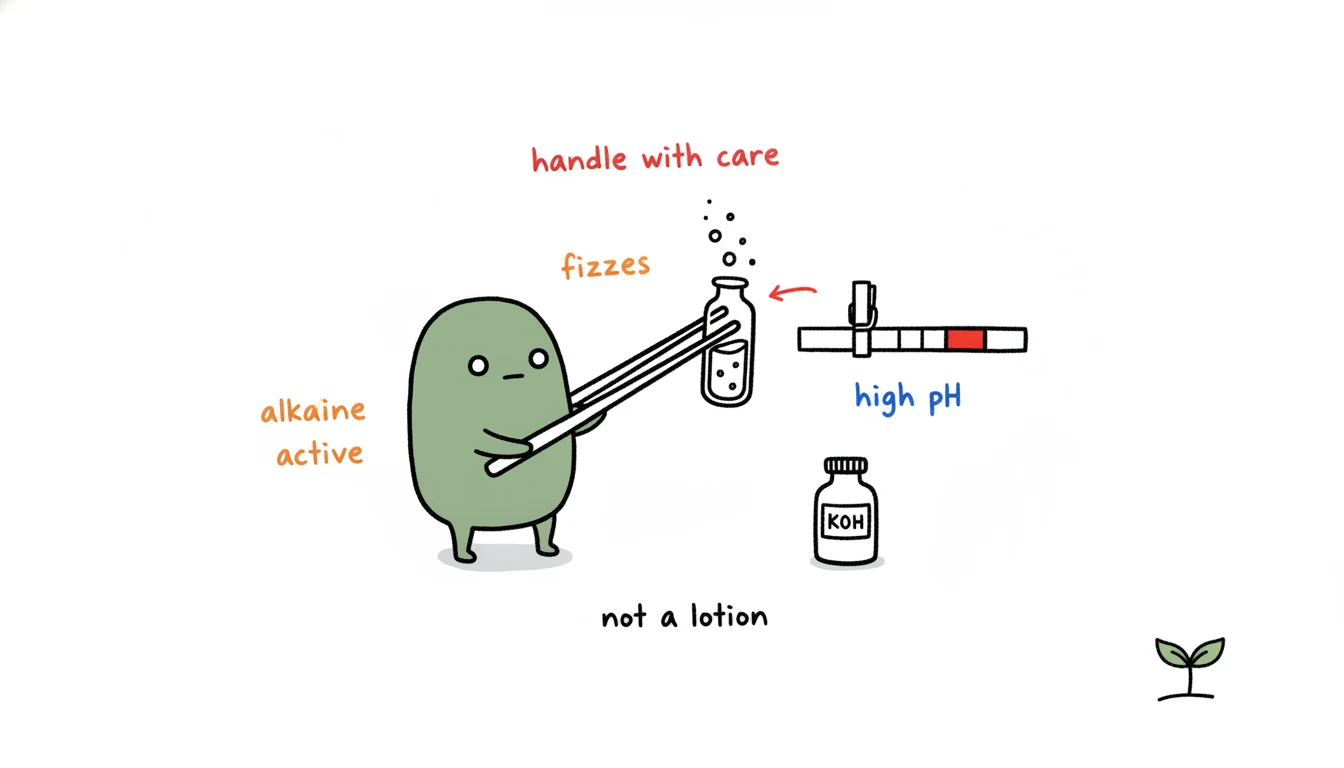
This is the single most important thing to understand before you source. Callus removers work through alkaline chemistry: a base such as potassium hydroxide (KOH) or sodium hydroxide (NaOH) raises the pH enough to break down the keratin bonds in hardened skin. That is what makes the product effective — and also what makes it potentially caustic if formulated or used carelessly. The concentration and pH define the strength: professional formulas run stronger for speed, retail formulas run milder for safety. A serious callus remover manufacturer controls this chemistry precisely, balances efficacy against skin safety, and documents it; a commodity supplier who cannot discuss their alkali concentration and pH is a genuine risk. Our callus remover gel formulation and safe-use guide covers this in depth.
Two formulation decisions flow directly from that chemistry — which strength lane to launch, and how contact time is engineered:
Professional vs Retail Formulas: Which to Launch
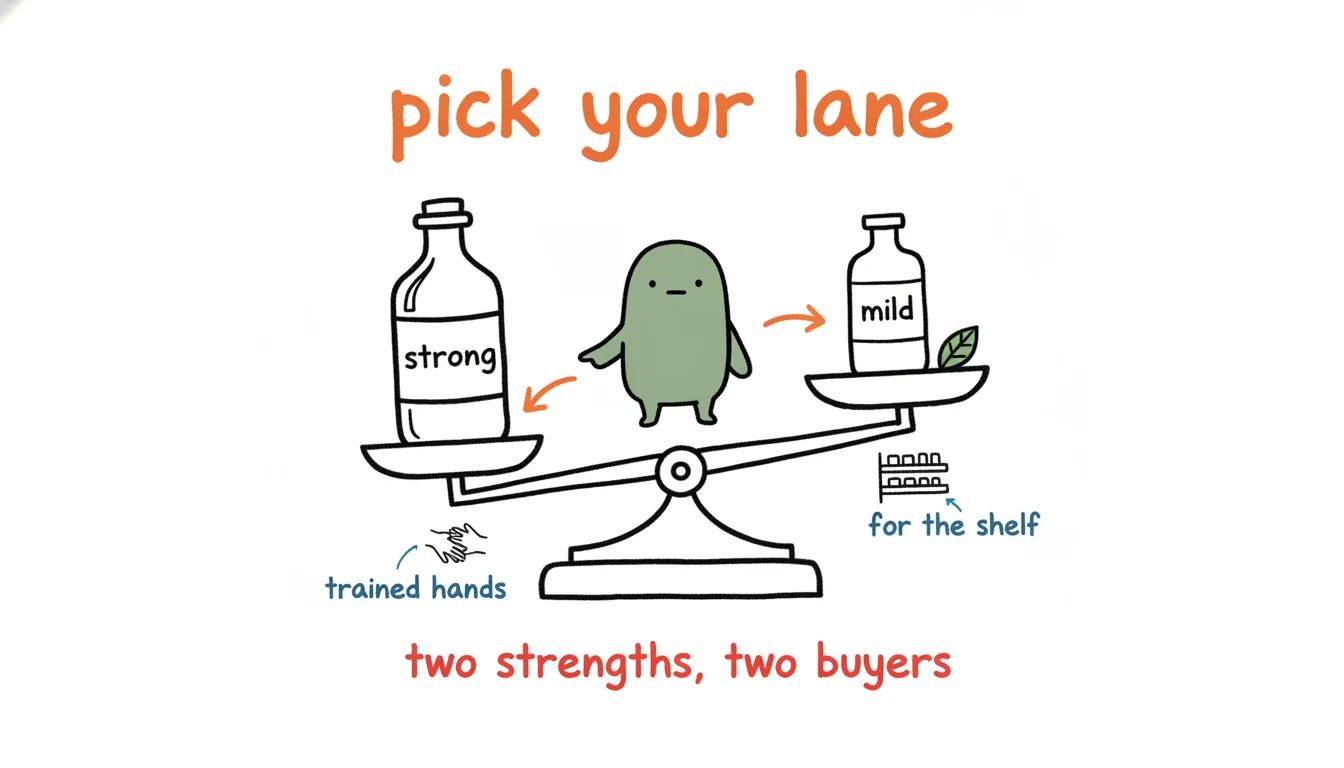
Most brands serving salons launch the professional grade first because that is where the steady reorder volume sits, then add a milder retail grade to reach at-home customers. Brands targeting consumers do the reverse, leading with a safe, well-labelled retail gel. The key is not to sell a professional-strength gel into the retail channel without the milder reformulation and the full safety labelling — that is the most common and most dangerous shortcut in this category.
Contact Time: Why It Is the Critical Variable
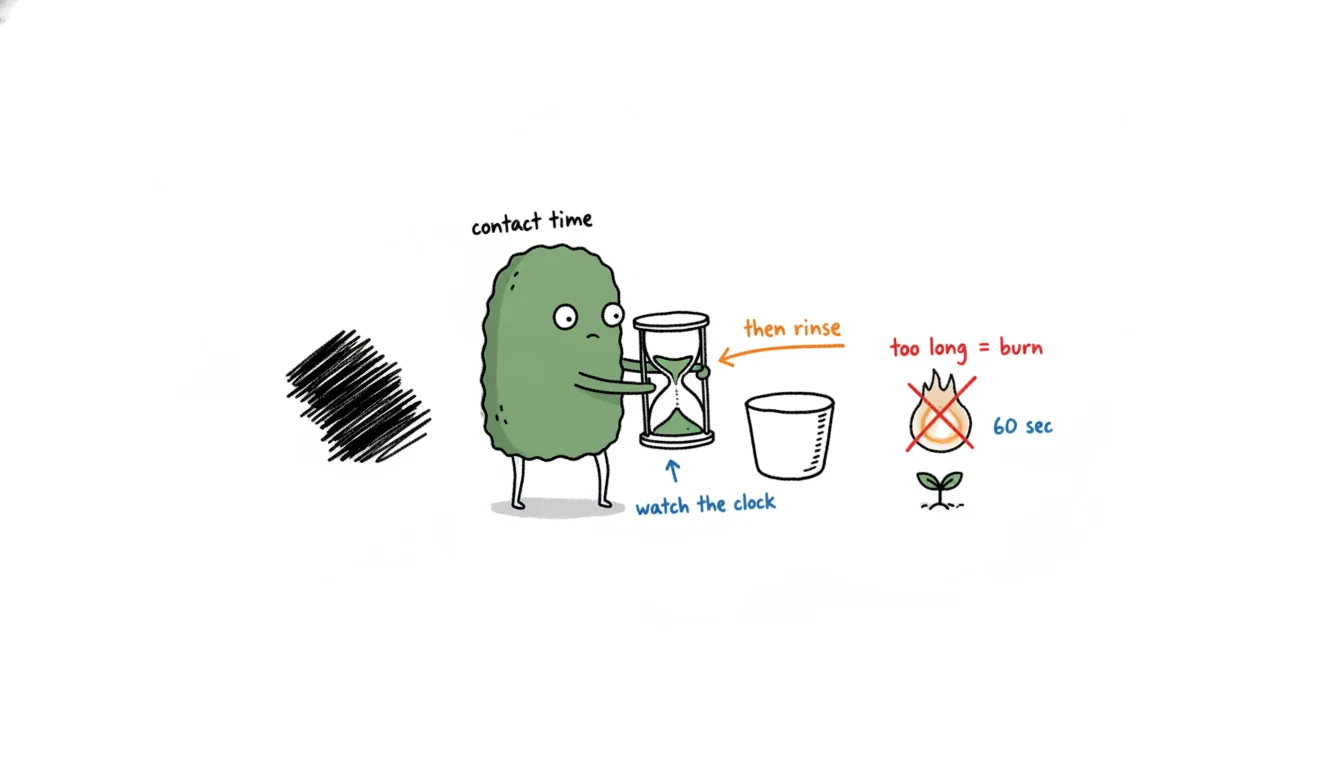
If there is one thing that separates a safe, effective callus remover gel from a problem product in the field, it is contact time. The alkaline base keeps working for as long as it is on the skin, so the formula is designed around a specific window — typically a few minutes — within which it softens the callus without harming surrounding healthy skin. The most common real-world misuse is “leaving it on longer for better results,” which instead causes irritation. This is why the formula strength and the on-pack contact-time instruction must be designed together: a stronger professional gel assumes a shorter window and a trained user, while a retail gel uses a milder formula and a more forgiving window. When evaluating a manufacturer, ask how they set and test the recommended contact time, not just the strength.
What to Look for in a Callus Remover Manufacturer
- Chemistry transparency: They should be able to state the active base, concentration, and target pH, and explain the safety margin built in.
- Two-tier capability: The ability to make both a fast professional strength and a safer retail strength from the same line.
- Stable, even gel: A gel that holds consistency and clings evenly — runny or separating gel signals poor formulation.
- Real sampling: A physical sample in days, judged on speed, skin feel after use, scent, and gel texture.
- Honest MOQ tiers: Sample, pilot, and production tiers to validate before committing capital.
- Documentation discipline: Accurate ingredient lists, safety data, and on-pack warnings — non-negotiable for an alkaline product.
- Responsive English communication: Clear, fast replies predict a smooth production run.
Customization Options That Matter
- Strength tier: Professional (fast, stronger) vs retail (milder, safer) from one supplier.
- Format: Gel, liquid, brush-on, or spray.
- Scent: Stock fragrances (mint, green tea, honey, jasmine) or a custom signature scent; mint and cooling notes are popular for foot care.
- Add-ins: Soothing agents and skin conditioners to offset the alkaline base and improve after-feel.
- Packaging: Pro pump bottles, retail tubes, bulk refills, or gift-set components — branded to your label.
Quality Control & Compliance Basics
Compliance matters more here than for a passive product, because an alkaline remover carries real safety obligations:
- Ingredient & safety documentation: A full INCI list plus safety data, essential for an alkaline formula entering retail.
- On-pack warnings: Clear usage, contact-time limits, rinse instructions, and contraindications must appear on retail packs.
- pH & batch consistency: Confirm how the supplier keeps pH, strength, scent, and gel texture uniform across a run.
- Packaging integrity: Caps and seals must contain an active gel reliably through shipping.
- Sample before scale: Always approve a production-representative sample before a full run.
Channel Strategy: Salon Back-Bar vs Retail
The same callus remover line monetizes differently by channel. Salon and spa back-bar buyers want speed and value in larger formats and reorder predictably — the steadiest revenue. Retail buyers want a milder, clearly-labelled, attractively-packaged product where safety messaging and instructions build trust. Distributors want both, in pro and retail tiers, to serve their whole customer base. Tell your supplier the channel mix up front so MOQ, strength tiers, and packaging are quoted correctly.
MOQ, Lead Time & Cost
Custom callus remover programs typically start in the low thousands of units per variant, with smaller pilot tiers often available to validate the market first. Production lead time runs roughly two to four weeks after deposit and artwork approval, scaling with volume and custom packaging. Per-unit cost at volume is low relative to the professional price point, which — combined with the fast reorder cycle — is what makes the category attractive. Build retail price from landed cost: factory price plus freight and duties, then fulfillment and margin.
Sourcing Timeline: From Inquiry to Delivery
- Inquiry & quote (days 1–3): Share strength tier, format, scent, and volume. A responsive supplier returns clear MOQ tiers quickly.
- Sampling (days 3–10): Judge speed, skin feel, scent, gel texture, and safety margin.
- Proforma invoice & deposit: Lock formula, packaging, and timeline.
- Bulk production (2–4 weeks): Lead time scales with volume and custom packaging.
- QC & shipping: Confirm pH, batch checks, and seals, then choose freight terms (FOB, CIF, or DDP).
Stock, White Label, Private Label, or OEM?
- Stock / wholesale: Buy an existing remover as-is — fastest, no differentiation.
- White label: A ready formula under your brand and label.
- Private label: Your branding plus selective strength, scent, or packaging choices.
- OEM / custom formulation: A remover built to your spec — strength, actives, scent, format — for full differentiation.
Red Flags When Vetting a Callus Remover Manufacturer
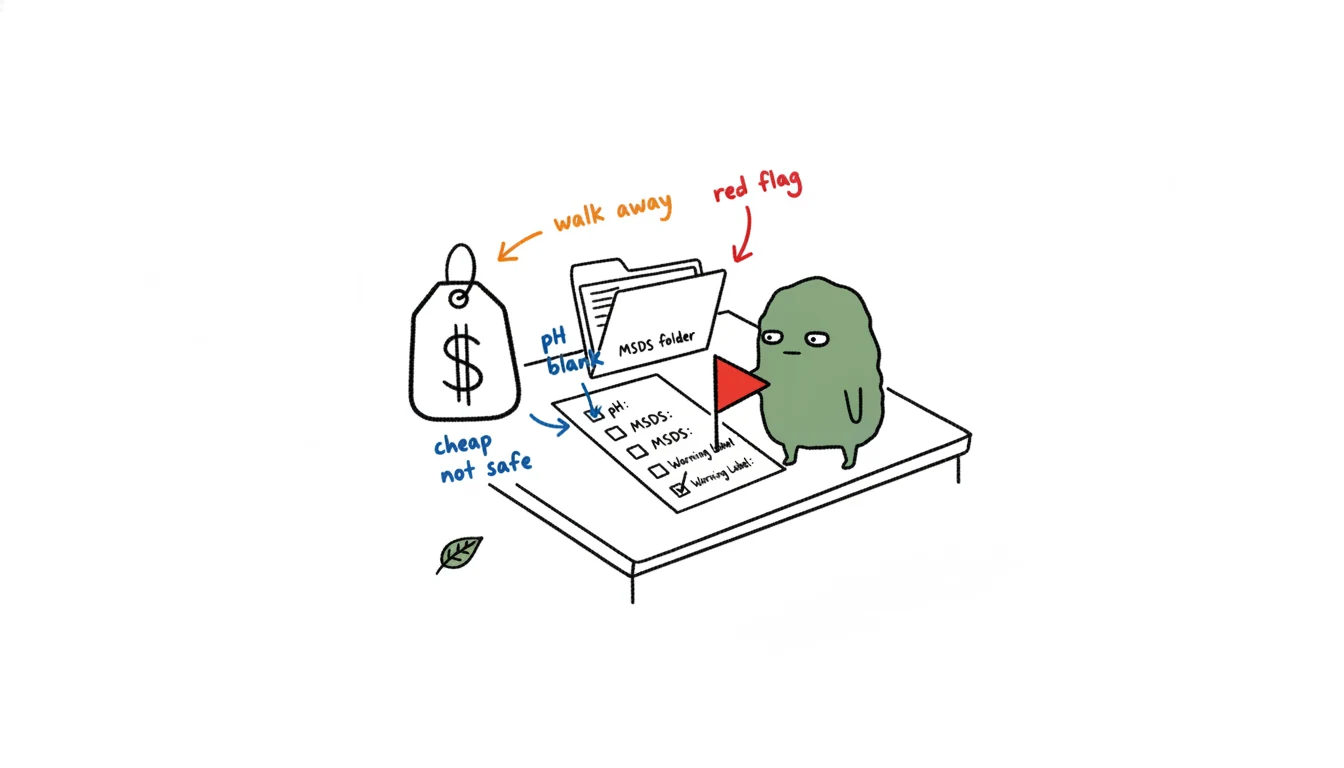
- Cannot discuss alkali concentration or pH: For an active alkaline product, this is a hard stop.
- No retail-grade option: A supplier who only makes one aggressive strength cannot serve the at-home channel safely.
- No warnings or documentation: Missing on-pack safety language and ingredient lists is a legal and brand risk.
- Separating or runny sample gel: A texture failure in the sample predicts inconsistent inventory.
- No buffering or soothing system: A gel built on a bare alkaline base with no conditioners leaves skin raw and generates complaints, even when the softening works.
- No track record or references: A supplier who cannot point to existing private-label clients, a verifiable factory, or a real platform presence is a bigger gamble than the price saving is worth.
The Pedicure Step: Where Callus Remover Fits
A callus remover never works alone — it is one step in a pedicure sequence, and buyers building a foot-care line think in terms of the whole routine. The typical order is a warm foot soak to start softening the skin, then the callus remover gel to break down the hardened areas, then mechanical removal with a foot file or pumice, and finally a foot mask or moisturizer to recondition the skin. Understanding this sequence helps you position your product and bundle it intelligently: a callus remover sold alongside a foot file and a finishing balm is a more complete, higher-value offer than the gel alone. When you brief a manufacturer who also makes soaks and masks, you can build the entire pedicure range under one purchase order and one brand.
Sustainability & Packaging Notes
Foot-care buyers increasingly weigh packaging as part of their purchasing decision, and a callus remover is usually a plastic bottle with a pump or flip cap. Options that play well with conscious retail include recyclable mono-material bottles, larger refill formats for salons that cut per-use packaging, and avoiding unnecessary secondary packaging. Because the professional channel reorders in volume, a bulk-refill option is both a sustainability story and a margin advantage. Raise packaging preferences with your callus remover manufacturer early so the format supports your brand positioning rather than working against it.
Nail Legend produces callus remover gels alongside a full foot-care and spa range, in professional and retail strengths with custom scents and private-label packaging. Browse the wholesale callus remover range, see a representative private label mint callus remover gel, or pair it with a spa gift set program, then request a quote.
Supplier comparison: After defining acid system, contact time, packaging and target market, use our callus remover manufacturer shortlist to build an RFQ list and verify exact-SKU documentation.
Frequently Asked Questions
What does a callus remover manufacturer supply?
A callus remover manufacturer produces finished callus remover gels and liquids on a stock, white-label, private-label, or OEM basis — covering the active formula, strength tier, scent, packaging, and your branded label, in professional and retail grades.
How does a callus remover gel work?
It uses alkaline chemistry — a base such as potassium or sodium hydroxide raises the pH enough to break down the keratin in hardened skin so it can be filed or scrubbed away. Concentration and pH set the strength.
What is the typical MOQ for private-label callus remover?
Custom programs commonly start in the low thousands of units per variant, and many suppliers offer smaller pilot tiers so you can validate the market before committing to a full production run.
Is a callus remover safe to private label?
Yes, when formulated and labelled correctly. Because it is an alkaline active, it needs accurate ingredient and safety documentation plus clear on-pack usage, contact-time, and rinse warnings for your market.
Can I get both professional and retail strengths?
Yes. A capable manufacturer makes a faster, stronger professional grade for salon back-bar and a milder, clearly-labelled retail grade from the same line, so you can serve both channels.
How long does production take?
Physical samples typically arrive within days to about a week, and bulk production runs roughly two to four weeks after deposit and artwork approval, scaling with volume and custom packaging.


Leave A Comment