
Note: We’ve folded this into our complete guide — see the full, up-to-date picture here: Callus Remover Private Label Manufacturer Guide.
Understanding how a callus remover gel is formulated and used safely helps you brief a manufacturer accurately, judge a sample, and label your product responsibly. This is an active, alkaline cosmetic, so the formulation and the safety guidance are inseparable — getting either wrong creates both a product failure and a liability. This guide breaks down the chemistry, the ingredients, the strength and pH that define performance, the application protocol, and the warnings your pack must carry.
How a Callus Remover Gel Works
A callus remover gel softens thick, hardened skin through alkaline hydrolysis. A base — usually potassium hydroxide (KOH) or sodium hydroxide (NaOH) — raises the pH high enough to break the keratin bonds that hold dead, calloused skin together. Once the skin is softened, it is physically removed with a foot file, pumice, or scrub. The gel form matters: a thickened gel clings to the heel and ball of the foot and stays where it is applied, working evenly, rather than running off as a thin liquid would. The whole mechanism is a controlled, time-limited chemical softening followed by mechanical removal.
Key Ingredients
- Alkaline base (KOH / NaOH): The active that softens keratin; concentration sets the strength.
- Gelling agents: Thickeners that give the gel its cling and even coverage.
- Humectants & conditioners: Glycerin and skin-soothing agents that offset the harshness of the base and improve after-feel.
- Soothing actives: Aloe, allantoin, or botanical extracts to calm the skin during and after use.
- Fragrance & color: Mint and cooling notes are popular; both must be stable on a high-pH base.
Strength & pH: Professional vs Retail
Strength is the central formulation decision, and it is set by alkali concentration and pH. Professional salon formulas run higher — faster softening for a quick pedicure turnaround in trained hands. Retail formulas run milder and lower-pH for a wider safety margin in untrained hands at home. The same callus remover gel line can be made in both grades, but they are genuinely different formulas, not just different labels. When you brief a manufacturer, specify the channel (professional vs retail) and let them set concentration and pH for the right balance of speed and safety, then verify against the sample.
Safe Use & Application Protocol
A well-formulated gel still depends on correct use. The standard protocol: apply an even layer to the calloused area only, avoid broken or sensitive skin, leave it for the specified contact time (typically a few minutes — not “longer is better”), then file or scrub and rinse thoroughly. Contact time is the critical variable: leaving an alkaline gel on too long is the main cause of irritation. This is exactly why retail packs need clear, prominent instructions and why professional training assumes the user knows the limits. Your formula and your on-pack guidance have to work together.
Safety, Labelling & Warnings
For an alkaline active, labelling is part of the product, not an afterthought. Retail packs should carry clear usage instructions, a stated contact time, a rinse-thoroughly step, “avoid broken skin / eyes,” and appropriate contraindications (for example, diabetics and those with circulation issues should consult a professional before using foot products). Confirm your manufacturer provides an accurate full INCI list and the safety documentation your destination market requires, and keep claims aligned with what the formula actually does. Responsible labelling protects your customers and your brand, and it is increasingly scrutinised by retailers and regulators alike.
Common Formulation Pitfalls
- Over-strength formulas: Too much alkali or too low a pH causes irritation and complaints instead of clean softening.
- Runny or separating gel: Poor gelling means the product runs off the callus and onto healthy skin.
- No soothing system: An unbuffered base leaves skin tight and irritated; conditioners matter.
- Unstable scent or color on high pH: Fragrance and dye not chosen for an alkaline base will drift or fade.
Professional vs Retail Formulas: Which to Launch
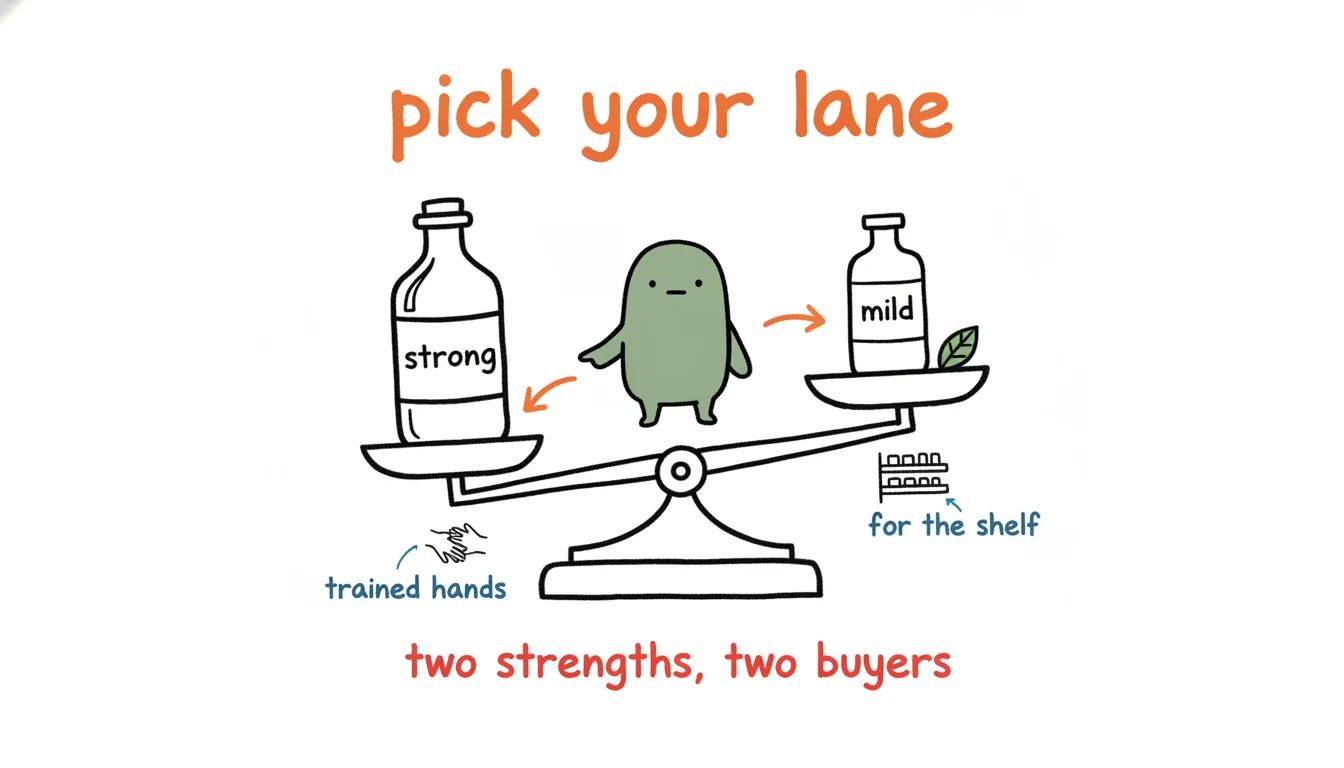
Most brands serving salons launch the professional grade first because that is where the steady reorder volume sits, then add a milder retail grade to reach at-home customers. Brands targeting consumers do the reverse, leading with a safe, well-labelled retail gel. The key is not to sell a professional-strength gel into the retail channel without the milder reformulation and the full safety labelling — that is the most common and most dangerous shortcut in this category.
Contact Time: Why It Is the Critical Variable
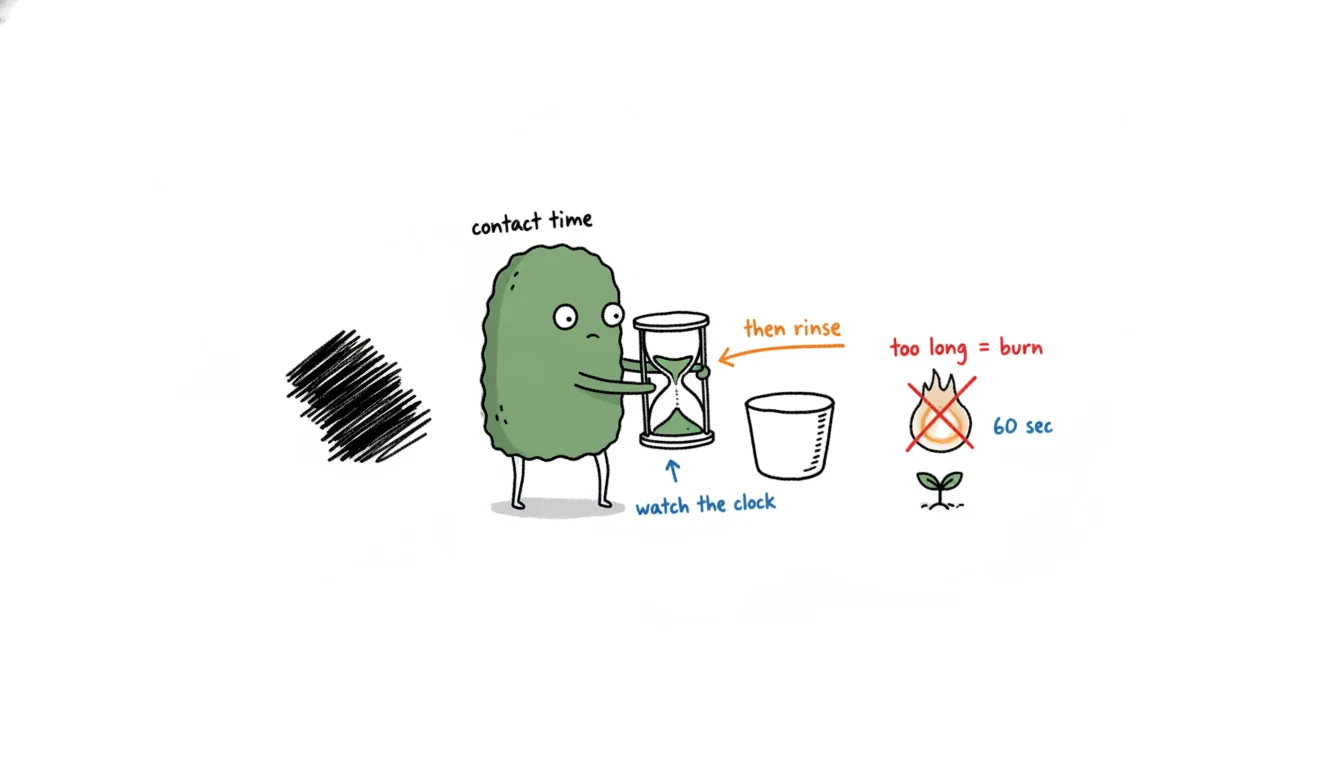
If there is one thing that separates a safe, effective callus remover gel from a problem product in the field, it is contact time. The alkaline base keeps working for as long as it is on the skin, so the formula is designed around a specific window — typically a few minutes — within which it softens the callus without harming surrounding healthy skin. The most common real-world misuse is “leaving it on longer for better results,” which instead causes irritation. This is why the formula strength and the on-pack contact-time instruction must be designed together: a stronger professional gel assumes a shorter window and a trained user, while a retail gel uses a milder formula and a more forgiving window. When evaluating a manufacturer, ask how they set and test the recommended contact time, not just the strength.
Buffering & Skin Recovery
A good callus remover gel does not just soften skin — it also limits and repairs the stress its own chemistry creates. Well-formulated products include humectants and soothing actives (glycerin, aloe, allantoin, botanical extracts) that keep the surrounding skin hydrated and calm during and after use, so the foot feels soft rather than tight or stripped. Cheaper formulas skip this buffering to cut cost, which is why a bargain gel can leave skin feeling raw even when the softening worked. When you judge a sample, the after-feel is as important as the softening speed: a quality remover leaves skin conditioned, which is also what drives repeat purchase.
Storage, Shelf Life & Stability
An alkaline gel is chemically active, so stability matters. The formula must hold its pH and viscosity across its shelf life, the fragrance and any color must stay stable on a high-pH base, and the packaging must resist the gel without degrading. Ask your manufacturer what shelf life they state and how they verify the gel stays consistent from the first unit to the last of a production run. A gel that thins, separates, or loses strength over time turns into returns and complaints — exactly what a private-label brand cannot afford.
Patch Testing & Contraindications
Because a callus remover gel is an active product, responsible use includes a patch test for first-time users and clear contraindications on the pack. People with diabetes, neuropathy, or poor circulation should be advised to consult a professional before using any foot product that softens skin, since reduced sensation can mask over-exposure. These are not optional niceties — they are part of what makes the product safe to sell at retail, and they signal a serious brand to discerning buyers. Make sure your manufacturer can supply the documentation that supports this guidance, and build the warnings into your label from day one rather than retrofitting them after a complaint.
How to Evaluate a Sample
Judge a callus remover gel sample the way a user will: how evenly the gel applies and clings, how quickly it softens a real callus within the stated contact time, how the skin feels afterward (soft, not raw), the scent at use, and whether the gel texture is consistent. A sample that performs across all of these — at a sensible, safe strength — is the clearest early signal a production run will hold up. For supplier selection and the wider sourcing picture, see the callus remover manufacturer guide.
Browse the wholesale callus remover range or a representative private label mint callus remover gel to see strengths, scents, and formats in practice, then request a quote.
Frequently Asked Questions
What is in a callus remover gel?
A callus remover gel combines an alkaline base (potassium or sodium hydroxide) that softens hardened skin, gelling agents for cling, humectants and soothing actives like glycerin and aloe to offset harshness, plus fragrance and color stable on a high-pH base.
How do you use a callus remover gel safely?
Apply an even layer to the calloused area only, avoid broken or sensitive skin, leave it for the stated contact time (usually a few minutes), then file or scrub and rinse thoroughly. Contact time is the key variable — longer is not better.
What is the difference between professional and retail callus remover gel?
Professional formulas run a higher alkali concentration and pH for fast softening in trained hands, while retail formulas are milder with a wider safety margin and prominent instructions for untrained at-home use.
What warnings should a callus remover gel carry?
Retail packs should state usage instructions, contact time, a rinse step, avoid broken skin and eyes, and contraindications such as advising diabetics or those with circulation issues to consult a professional.
Why does my callus remover gel irritate skin?
Usually because the alkali strength or pH is set too aggressively, the gel was left on past its contact time, or it lacks a soothing system. A well-balanced formula softens within the stated time without leaving skin raw.



Leave A Comment