
Body butter is one of the most forgiving B2B private-label categories — until you pick the wrong base butter for your market and watch the reviews complain about “feels greasy,” “melts on the shelf,” or “smells like nuts.” The base butter is 60–85% of every body butter product on a retail shelf, and the choice constrains everything else: melt point, scent compatibility, shelf stability in warm-climate shipping lanes, retail positioning, and the buyer perception of “premium” vs “mass-market.” This guide compares the five base butters that actually move in private-label production — shea, cocoa, mango, murumuru, and kokum (plus cupuaçu as an honorable mention) — and what each one means for the launch.
It pairs with the full body butter private label manufacturing guide as the formulation deep-dive, with the MOQ guide for order economics, and with how to vet a body butter manufacturer for partner selection. The formulation-mechanics companion (whipped vs unwhipped, anhydrous vs water-containing, preservation, packaging) is in the body butter formulation guide.
Shea Butter — The Workhorse Volume Base
What it is: a creamy, off-white plant butter extracted from the nut of the shea tree (Vitellaria paradoxa, formerly Butyrospermum parkii), native to the West African savanna belt. INCI: Butyrospermum Parkii (Shea) Butter. The default base in 70%+ of private-label body butter production.
Strengths:
- Cost. Affordable at scale; mature supply chain across West Africa with established cosmetic-grade refinement. Most cost-effective of the five.
- Melt profile. Melts at ~32°C — just below body temperature. That’s why shea butter “melts on contact” with skin; consumers feel the transformation.
- Skin tolerance. Decades of cosmetic use, well-tolerated across skin types, supports broad claim language including barrier-support and dryness-relief.
- Story strength. West African heritage, fair-trade women’s cooperative supply chain options, regenerative-agriculture certification paths. Real positioning material for “ethically sourced” branding.
- Refinement options. Unrefined (yellow-to-cream color, nutty scent, traditional positioning), refined (white, near-neutral scent, modern positioning), and ultra-refined (white, odorless, blank-canvas for fragrance). Choose by claim posture.
Trade-offs:
- Unrefined scent. The traditional unrefined version has a strong nutty / smoky aroma that fights fragrance overlays. Most modern private-label uses refined shea as the volume base and reserves unrefined for natural-positioning specialty SKUs.
- Color variance batch-to-batch (unrefined). Seasonal and regional shea color varies meaningfully; retail buyers complain about jar-to-jar visual inconsistency in unrefined. Refined eliminates this.
- Premium ceiling. Shea alone doesn’t carry a luxury price point past the “natural / ethical” angle. For $40+ SRP positioning, layer in a premium accent butter.
When to pick it: volume retail launches, mid-tier private-label, “natural / ethically sourced” positioning at $14–24 SRP, and almost any blend as the volume carrier. Most mid-premium body butters use shea at 50–70% of the base composition with one or two accent butters layered in.
Cocoa Butter — The Rich Sensory Base
What it is: the fat pressed from cocoa beans (Theobroma cacao), the same plant that produces chocolate. INCI: Theobroma Cacao (Cocoa) Seed Butter.
Strengths:
- Sensory story. The natural chocolatey aroma is instantly recognizable and provides ready-made fragrance synergy with vanilla, coffee, almond, and warm-spice scent profiles. Self-marketing ingredient.
- Higher melt point (~34°C). Produces a denser, firmer butter texture that consumers perceive as “richer.” Particularly good for whipped formats that hold their shape.
- Skin-conditioning. High oleic and stearic acid content delivers a substantive moisturizing payload. Strong in night-cream and “deep nourishment” positioning.
- Cost. 1.5–2× shea, but still in the affordable mid-tier — well-managed supply chain through West Africa and South America.
Trade-offs:
- Scent dominance. The chocolatey aroma fights light or fresh fragrance profiles. A cocoa-heavy butter with a “clean cotton” or “ocean breeze” fragrance reads as confused to consumers. Pair with complementary scents.
- Firmness. Pure cocoa butter at room temperature is hard and difficult to scoop. Always blended with a softer butter or oil for scoopability.
- Cacao-derived allergen note. Rare but worth flagging — some cocoa-sensitive consumers react. Mass-market relevance is minor; specialty channels marketing to allergic segments should consider.
When to pick it: mid-premium SKUs targeting “rich / nourishing” positioning, dessert-inspired scent panels (vanilla, coffee, caramel, cinnamon), holiday and gift-set lines, and as a 15–35% accent in a shea-dominant blend for added richness.
Mango Butter — The Lighter Premium Alternative
What it is: butter extracted from the kernel of the mango fruit (Mangifera indica). INCI: Mangifera Indica (Mango) Seed Butter. Increasingly common in premium private-label as a shea alternative.
Strengths:
- Light feel. The fastest-absorbing of the major butters; doesn’t leave the heavy after-feel some consumers dislike about shea or cocoa. Good for summer SKUs and warm-climate markets.
- Near-neutral scent. Very mild aroma that doesn’t fight fragrance overlays. Cleaner canvas than shea or cocoa.
- Higher melt point (~35°C). Slightly more thermally stable than shea — useful for warm-climate shipping lanes.
- Premium positioning. Less commodity than shea, supports “fruit-derived” and “tropical luxury” marketing.
Trade-offs:
- Cost. 2–3× shea. Per-unit-cost impact is meaningful in volume runs.
- Less established brand-story. Consumers don’t immediately associate mango butter with body care the way they do shea. Marketing has to do more work.
- Supply chain variability. India and Southeast Asia dominate supply; cosmetic-grade refinement quality varies by source. Vet the manufacturer’s source documentation.
When to pick it: premium retail launches at $20–32 SRP, summer / warm-climate / tropical-positioned SKUs, brands wanting a lighter feel than shea-cocoa, and blends targeting consumers who specifically dislike traditional shea texture.
Murumuru Butter — The Specialty Brazilian Premium
What it is: a creamy, ivory-colored butter from the seeds of the murumuru palm (Astrocaryum murumuru), native to the Amazon basin. INCI: Astrocaryum Murumuru Seed Butter.
Strengths:
- Fatty-acid profile. Exceptionally high in lauric acid (similar profile to coconut oil) plus myristic acid — produces a uniquely silky, almost dry-touch finish on skin. Distinctive feel different from shea, cocoa, or mango.
- Hair-care crossover. Murumuru is widely used in curl-care hair products; positioning as a “hair and body” butter opens dual-use marketing.
- Premium story. Amazonian sourcing, traditional Indigenous use, supports rich brand narrative — particularly when sourced through certified cooperatives.
- Melt point (~33°C). Balanced — slightly higher than shea, slightly lower than cocoa.
Trade-offs:
- Cost. 3–5× shea. Premium ingredient pricing.
- Supply chain concentration. Sourced almost entirely from the Amazon basin; supply is more variable than commodity butters. Build buffer stock or work with manufacturers who carry inventory.
- Distinctive feel. The dry-touch finish is loved by some consumers and disliked by others — different from the classic “creamy” expectation. Best in a blend rather than as the dominant base.
When to pick it: premium and luxury retail SKUs at $24–40 SRP, Brazilian or Amazonian-positioned brands, hair-and-body crossover lines, and as a 15–25% accent in a shea or mango-dominant blend for the distinctive silky finish.
Kokum Butter — The Vegan Cocoa Alternative
What it is: a hard, ivory-white butter from the seed of the kokum tree (Garcinia indica), native to western India. INCI: Garcinia Indica Seed Butter.
Strengths:
- Hardest of the five (melt point ~36–38°C). Useful as a “natural structuring agent” — adds firmness and stability to a blend without resorting to beeswax (relevant for vegan claims).
- Skin tolerance. Very gentle, low comedogenic rating, well-tolerated by sensitive-skin segments.
- Vegan-friendly hardener. The standard alternative to beeswax for vegan formulations that need structure (lip balms, balms, harder body butters).
- Cost. 2–3× shea — affordable specialty.
Trade-offs:
- Texture. Hard and brittle in unrefined form; difficult as a dominant base because consumers can’t scoop it.
- Limited brand-story leverage. Less consumer recognition than shea, cocoa, or argan. Marketing has to do meaningful work, but emerging “Ayurvedic / Indian” positioning is gaining traction.
When to pick it: as a 5–15% structuring component in vegan body butter blends where you don’t want beeswax, balm-style harder body butters, lip-balm crossover products, and brands building around Ayurvedic / Indian heritage positioning.
Honorable Mention — Cupuaçu Butter
Often called “the Brazilian cousin of cocoa,” cupuaçu butter (Theobroma grandiflorum — same genus as cocoa) is gaining share in premium positioning. Notable for exceptional water-binding capacity (some sources describe it as a vegan alternative to lanolin), a melt point similar to cocoa (~34°C), and a softer, silkier feel than cocoa butter. Cost runs 4–6× shea. Used at 10–25% as a premium accent in luxury launches; rarely as a dominant base because of the cost.
Buyers narrowing the shortlist often search this as a head-to-head — kokum vs shea butter, or shea butter vs mango butter (sometimes reversed as mango butter vs shea butter) — rather than reading each profile separately. The short version: shea is the affordable, well-recognized volume base; mango is lighter and less nutty for a premium feel at a similar cost tier; kokum is harder and vegan-friendly, used as a structuring accent rather than a dominant base. The full side-by-side below puts all three, plus cocoa and murumuru, on one table.
Side-by-Side: The Base Butter Decision Table
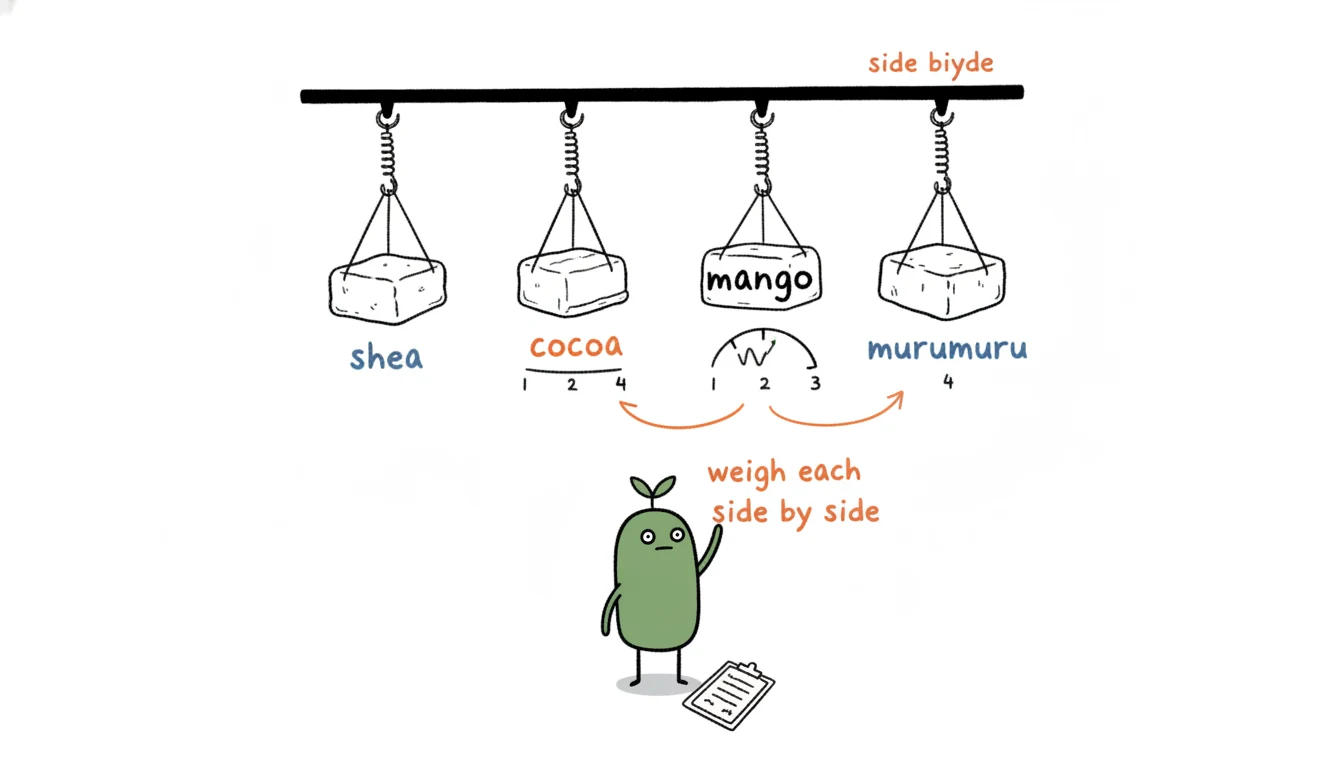
| Dimension | Shea | Cocoa | Mango | Murumuru | Kokum |
|---|---|---|---|---|---|
| Relative cost | 1× | 1.5–2× | 2–3× | 3–5× | 2–3× |
| Melt point | ~32°C | ~34°C | ~35°C | ~33°C | ~36–38°C |
| Feel | Creamy / rich | Dense / firm | Light / fast | Silky / dry-touch | Hard / structuring |
| Scent | Refined neutral; unrefined nutty | Chocolatey | Near-neutral | Mild | Mild |
| Shelf stability | 18–24 mo | 24–36 mo | 18–24 mo | 18–24 mo | 24–36 mo |
| Brand story | West African ethical | Sensory / chocolate | Tropical premium | Amazonian luxury | Vegan / Ayurvedic |
| SRP fit | $14–24 | $18–28 | $20–32 | $24–40 | $18–30 (as accent) |
| Common blend role | Volume carrier (40–70%) | Richness accent (15–35%) | Light hero or accent (30–60%) | Premium accent (15–25%) | Structuring (5–15%) |
Blends — How Most Commercial Body Butters Are Built
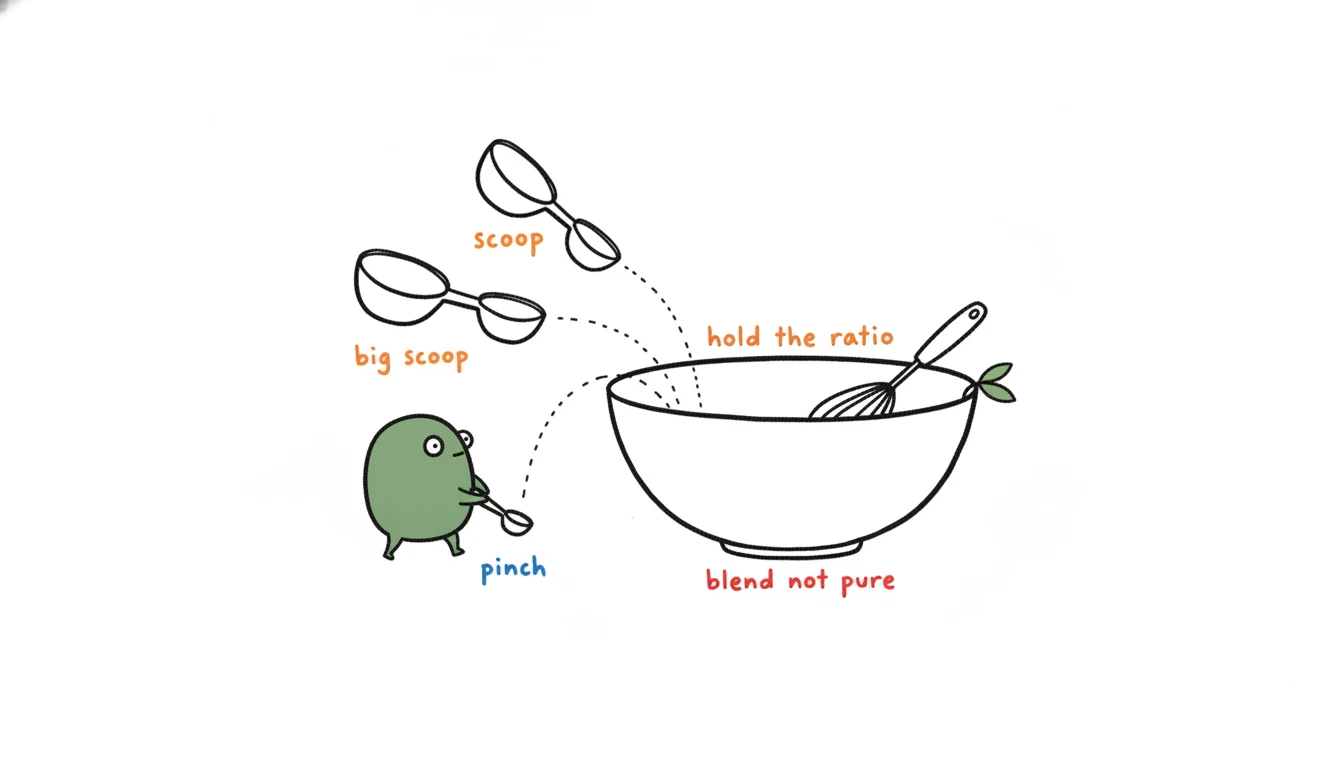
Single-butter formulations exist for natural-products positioning (“100% shea body butter”) but most retail private-label body butters are blends. Three common architectures:
- Volume blend (mass-market SRP $14–20): 70% shea / 20% cocoa / 8% liquid oil (sweet almond, jojoba) / 2% actives and fragrance. Affordable, stable, broad consumer acceptance.
- Mid-premium blend (SRP $20–30): 50% shea / 25% mango / 15% cocoa or murumuru / 8% liquid oil / 2% actives. Hits the “premium feel but accessible price” sweet spot.
- Premium / luxury blend (SRP $28–45): 40% mango or shea / 25% murumuru or cupuaçu / 15% cocoa / 10% liquid oil (jojoba or squalane) / 5% kokum as structuring / 5% premium actives (peptides, hyaluronic acid sodium salt, botanical extracts). Multi-butter complexity becomes the marketing material.
The liquid-oil layer (sweet almond, jojoba, squalane) at 5–12% softens the blend, adjusts the melt profile, and adds another layer of formulation differentiation. The accent layer (vitamin E, botanical extracts, fragrance) typically sits at 2–8%. See our cuticle oil base oils comparison for the analogous decision framework on liquid oils.
Whipped vs Unwhipped — How the Butter Choice Affects the Format
The base butter blend determines how well the formulation whips. Higher-melt butters (cocoa, mango, kokum-stabilized blends) hold whipped texture better than soft shea-dominant blends. Pure shea whipped formulations can collapse during shipping in warm lanes — the fluffy texture deflates into a flat layer.
If your launch SKU is whipped:
- Build the blend with cocoa or mango at 25–35% to provide structural support.
- Consider a small percentage of kokum (5–10%) for additional structuring without the chocolate scent of cocoa.
- Test through warm-climate shipping simulation before signing the PO. A whipped texture that fails in transit is the most common reorder-killer in this category.
The full whipped-vs-unwhipped mechanics, anhydrous vs water-containing decision, and preservation requirements are in our body butter formulation guide.
Buyer Frameworks: Picking Your Base by Brand Type
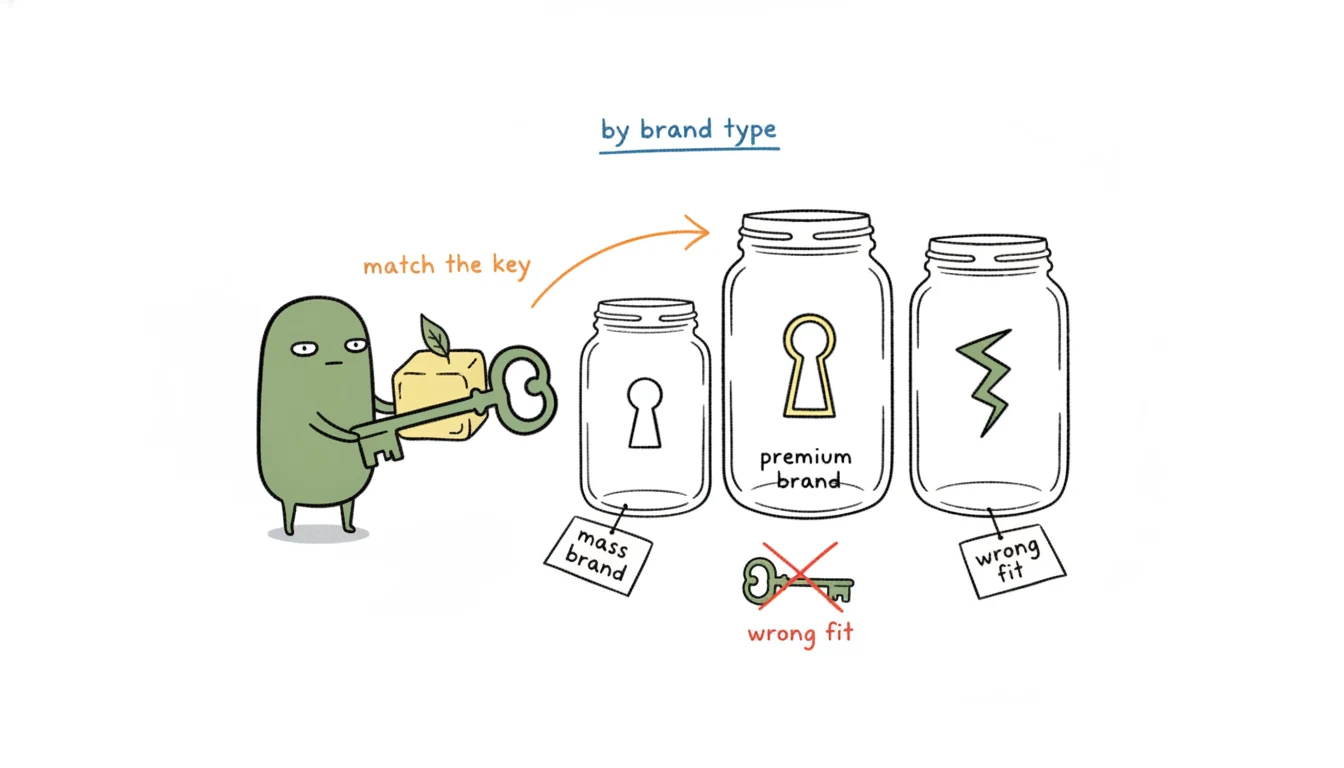
- Mass-market retail or chain take-home. Shea-dominant volume blend (70/20/8/2). Affordable, stable, broad acceptance. Volume drives margin.
- Amazon brand operator. Mid-premium shea-mango-cocoa blend with named “ingredient deck” benefits (vitamin E + botanical accent). The PDP rewards ingredient transparency.
- Natural / clean-beauty brand. Shea-mango blend, no synthetic fragrance (use essential oils), explicit vegan + palm-oil-free claims. Skip kokum if not declaring vegan as the hero claim.
- Luxury / spa brand. Multi-butter premium blend with murumuru or cupuaçu as the hero accent. Brand story takes precedence over per-unit margin.
- Hair-and-body crossover line. Lead with murumuru or shea/murumuru blend. The lauric acid profile of murumuru works in curl-care applications.
- Spa-supply distributor bundling pro kits. Volume shea-cocoa blend in larger jar or tub format. Practical performance over brand-ingredient marketing.
If you’re scoping a private-label body butter launch — pilot or full retail — send your spec to our team with target retail price, base-butter preference, claim posture (vegan, palm-free, fair-trade), packaging format, and target market. We’ll come back with a quote that maps your spec to a pre-validated blend (or a custom formulation path) plus MOQ, sample timeline, and lead time.
How This Fits Adjacent B2B Categories
Body butter rarely launches as a solo SKU. Most brand operators bundle it with adjacent categories — cuticle oil for nail-care crossover, sugar scrubs for body-care kits, soap and lotion for full-body lineups. Our cuticle oil private label guide covers the closest crossover; the broader contract-manufacturing context is in our skincare contract manufacturing playbook. The full OEM / private-label / ODM decision is in our private label vs OEM vs ODM comparison.
Five Base-Butter Mistakes B2B Buyers Make
- Picking unrefined shea for a fragrance-heavy SKU. Unrefined shea’s nutty aroma fights most fragrance overlays. Use refined shea unless the unrefined scent is part of the brand story.
- Using cocoa as 50%+ of the base with a “fresh / clean” fragrance. The chocolatey aroma will dominate; consumers read the product as confused.
- Going whipped with a soft shea-dominant blend for warm-climate shipping. The texture collapses. Test before scaling.
- Using murumuru or cupuaçu as the dominant base on a $18 SRP volume SKU. The cost won’t carry; margin will compress. Use them as 15–25% accents in volume tiers.
- Skipping the supply-chain documentation on premium specialty butters. Murumuru and cupuaçu come with varied cooperative-sourcing claims; verify the chain-of-custody at the quote stage if certification is part of your marketing.
Frequently Asked Questions
What’s the most common base butter in private-label body butter?
Shea butter (Butyrospermum parkii) is the workhorse — used as the dominant base in most mass-market and mid-tier private-label body butters because it’s affordable, well-tolerated, has a soft scent that works with fragrance overlays, melts at body temperature for that signature glide, and has decades of consumer recognition. Cocoa butter sits a tier above for richer feel and chocolatey aroma; mango butter is the lighter premium alternative; murumuru, kokum, and cupuaçu are specialty butters used as accents or in premium-positioned formulas.
How is whipped body butter different from regular body butter?
Mechanically. Whipped body butter is the same butter-and-oil base run through a whipping machine after the melt-and-blend phase, incorporating air to produce a lighter, fluffier texture. The change is physical (texture and apparent volume), not chemical — the actives, scent, and skin benefit are identical to the unwhipped version. Whipped butter scoops easier from a jar, melts on contact faster, feels lighter on application, but takes up more jar volume for the same weight (so the consumer perceives more product for the price). Whipping is now standard for premium retail SKUs; unwhipped survives in pro-channel and bulk-spa tubs.
Are all body butters vegan, and does that matter for the claim?
Most are vegan by default — shea, cocoa, mango, murumuru, kokum, and cupuaçu butters are all plant-derived. The non-vegan ingredients that sneak in are honey (rare), beeswax (used as a viscosity modifier in some formulations), lanolin (rare in body butter, common in lip balm), and tallow (specialty traditional formulations). For B2B private-label production targeting the millennial and Gen-Z segments, declaring vegan + cruelty-free is now table stakes — and most factory stock formulas already meet that bar. Confirm at sample stage that no honey or beeswax has been added as a binder.
Which base butter is best for an ‘aging skin’ or ‘mature skin’ positioning?
Shea is the most-evidenced for skin-barrier support and is the default volume choice. Murumuru carries a strong ‘rich emollient’ positioning that pairs well with mature-skin marketing. Cupuaçu is sometimes positioned as a Brazilian alternative to lanolin for water-binding capacity — useful for products marketed for dehydrated mature skin. The honest answer is that the active layer (peptides, niacinamide, hyaluronic acid sodium salt, vitamin E) does most of the mature-skin marketing lifting; the base butter is the carrier. Pick the butter for feel and brand story, layer the actives for claim.
How do base butter choices affect MOQ and lead time?
Significantly. Stock formulations using the factory’s volume shea or shea/cocoa blends have the lowest MOQ and fastest turnaround because the bulk supply chain is already running. Specialty butters (murumuru, kokum, cupuaçu) come in smaller container drums and may require minimum bulk-buys from the butter supplier — which translates into MOQ floors at the manufacturer level. Custom blends with three or more specialty butters can add 2–4 weeks to the sample phase. Our body butter private label MOQ guide walks the cost mechanics that apply to each butter tier.
What’s the typical melt point I should target for my market?
Body butters live in a melt-point band of roughly 30–38°C (86–100°F) for the finished product. Below 30°C and the butter softens too much in warm climates and at room temperature in a non-air-conditioned shop; above 38°C and it feels waxy on application instead of melting into the skin. The blend determines the melt point: shea is ~32°C, cocoa is ~34°C, mango is ~35°C, murumuru is ~33°C. For tropical and warm-shipping markets, lean shea-heavy (lower melt point but more stable formula) or add a small percentage of higher-melt wax. For cool markets, the standard shea-cocoa blend works fine. Discuss the target shipping lanes at quote stage.
Is ‘pure 100% shea butter’ a viable product, or do I need a blend?
Pure single-butter products exist and have a small but loyal segment — they’re sold mostly to natural-product channels, raw-ingredient enthusiasts, and African heritage markets where unrefined shea is a tradition. The trade-offs vs blends: pure unrefined shea has a strong nutty / earthy scent that limits fragrance compatibility, a heavier feel that some consumers dislike, and seasonal color variation that retail buyers complain about. For most mid-market and premium private-label launches, a blend with shea at 40–70% plus a complementary butter or two delivers better retail performance. Pure shea is a specialty SKU, not a launch hero.
How do base butters affect packaging choice and shelf life?
Pretty directly. Anhydrous (water-free) butter formulations are remarkably stable — 18–36 months shelf life depending on antioxidant load — and tolerate a wide range of jar and tub formats including glass, PET, PP, and HDPE. The packaging variables that matter: the jar must seal tightly (oxygen exposure is the main shelf-life enemy), the headspace should be modest (less air contact), and the format should suit the texture (wide-mouth jars for thick unwhipped, deeper jars for whipped to show the fluffy texture). Tub-and-spatula formats work for spa and bulk pro-channel SKUs. Pump bottles don’t suit traditional butter consistencies but work for the lighter water-containing variants — see the body butter formulation guide for the anhydrous vs water-containing decision.
Ready to source? Read the full body butter private label manufacturing guide, the formulation guide for the whipped / preservation decisions, and MOQ guide for order economics, or contact our team for a formulation-locked private-label quote.



Leave A Comment