
TL;DR — Who We Are
Nail Legend is a Shenzhen, China–based B2B private label & OEM manufacturer specializing in nail care and spa care, serving customers in 40+ countries with full-service formulation, packaging, and logistics. Our body butter program offers shea / cocoa / mango base formulations, 2 oz–16 oz fill, with low-MOQ pilots and full-formulation customization.
10+ years · 40+ countries served · MOQ from 100 units (pilot tier) · 5 core product lines · 24-hour response
Body butter sits in a strange middle of the personal-care category: rich enough to feel premium, simple enough that almost any cosmetics factory will pitch you a quote, and forgiving enough that even mediocre formulations sell on smell and packaging. That softness is exactly what makes the sourcing decision dangerous. Buyers who treat body butter like a commodity end up with shea-base products that grain at room temperature, scent libraries that smell synthetic three months after fill, and packaging tubs that crack when shipped through Phoenix in July. This guide is the framework we wish every brand owner, distributor, and salon-product buyer had on their first body butter PO.
Whether you are launching a private-label spa line, expanding a cuticle and nail-care catalog into body care, or sourcing salon-pack body butter for a chain of pedicure studios, the underlying decisions are the same: which formulation base fits your positioning, what scent and ingredient story you can defend, what MOQ tiers actually work for your cash cycle, and how to vet the factory before you ship money. We will cover all of it. For a deep look at order economics, see our companion piece on Body Butter Private Label MOQ. For the supplier-vetting framework, jump to How to Vet a Body Butter Manufacturer.
Why Body Butter Is a Strategic B2B Category
Three structural forces make body butter an unusually attractive category for B2B operators in 2026:
- High perceived value, low ingredient cost. Quality body butter base ingredients (shea, cocoa, mango butter, jojoba, vitamin E) are cheap by weight, but consumers and salon clients perceive the finished product as luxury. Margin per gram is structurally generous compared with face creams, where active ingredients dominate cost.
- Repeat purchase by design. A 12oz tub of body butter used daily lasts a customer 6–10 weeks. For brands building subscription, salon retail, or beauty-box channels, the reorder cadence is predictable and the lifetime value compounds quickly.
- Format flexibility. The same base formulation can be sold in retail tubs, salon-pack pumps, hospitality amenity bottles, gallon refill containers, or sachets. A single SKU at the factory becomes 4–5 SKUs at the brand, multiplying the catalog without multiplying the formulation work.
Most buyers we see fall into four camps: private-label beauty brands launching a body line, spa & salon distributors adding body care to existing nail and hand-care catalogs, hospitality-amenity buyers sourcing tubs and bottles for hotels and cruise lines, and cross-border e-commerce brands bundling body butter into gift sets for marketplaces like Amazon and Tmall. Each optimizes differently — but all four come back to the same four decisions: formulation, scent & story, packaging, and supplier risk.
Body Butter Formulation Models
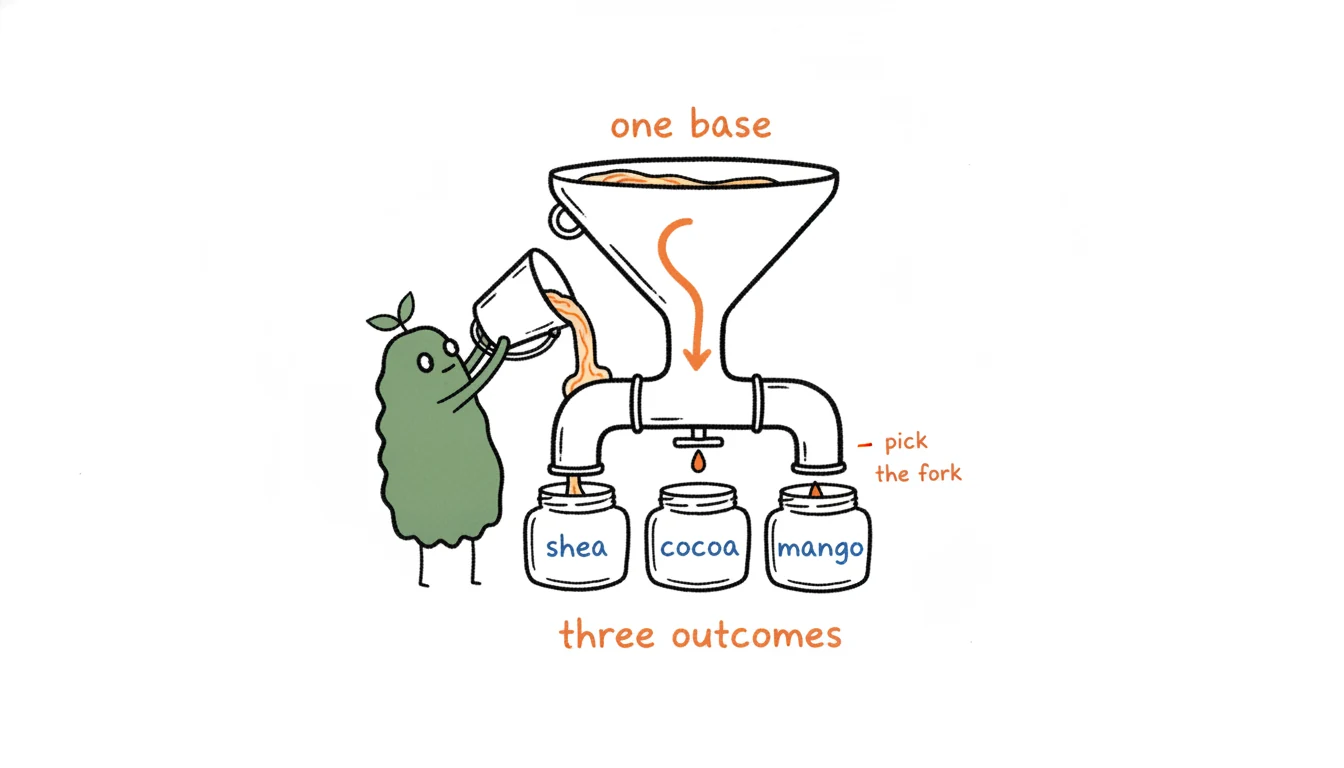
Before you talk MOQ or pricing, decide which formulation model you are buying. Three dominate the B2B market, and the difference matters more than most first-time buyers realize.
1. Stock formula, your scent
The factory holds a vetted base — typically a shea-cocoa-jojoba blend with established stability, viscosity, and feel — and you choose a scent profile from a library. This is the fastest path to market: 25–35 days from PO to packed inventory, no formulation risk, predictable cost. The trade-off is that competitors using the same factory get the same base. If your brand story rests on “our unique cream,” this model will not support it. If your story rests on scent, packaging, or positioning, the stock-formula model is correct and inexpensive.
2. Modified stock formula
You start from the factory’s vetted base and request modifications: swap one butter for another (mango for cocoa for a lighter feel), increase the active percentage (10% shea up to 18%), add a hero ingredient (hyaluronic acid, vitamin C, ceramide), or shift the scent vehicle (synthetic fragrance to essential oil). Lead time extends to 30–45 days because the factory has to re-test stability and viscosity after the swap. Cost per unit goes up 8–15% depending on what you change. This is the right model for brands that want a defendable formulation story without the expense of true custom development.
3. Full custom formulation
You provide a target sample (a competitor’s product, a sample from a previous supplier, or a written spec), and the factory builds a matching formulation from scratch. Lead time is 60–90 days for the formulation work plus the standard 25–40 day production cycle, and you pay a development fee (typically $1,500–$5,000) plus higher tooling cost. Custom is correct only when (a) the formulation is genuinely the differentiator, (b) you have the cash cycle to absorb a 90+ day pre-production wait, or (c) you intend to scale that formulation across multiple SKUs to amortize the development cost. Most first-time buyers do not need full custom; they think they do because they want control, but a modified stock formula gives 80% of the benefit at 30% of the cost.
Across the three models, our most-requested SKUs are our 12oz custom-scented body butter (retail/salon tub), the 1 Gallon salon-grade format (back-bar use), and the 5 Gallons bulk format (refill or repackaging programs).
Anhydrous vs Water-Containing: The First Formulation Lock
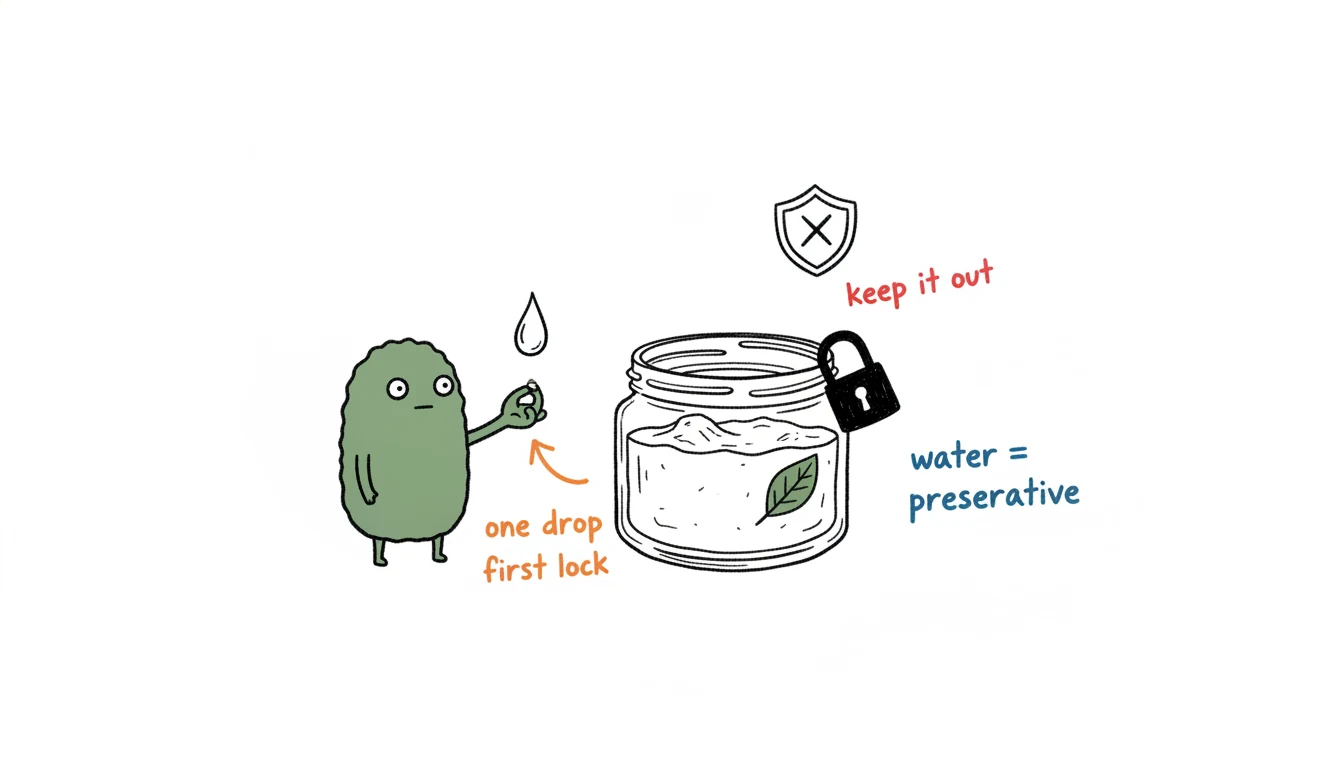
Almost every formulation decision downstream depends on this choice, so make it first.
Anhydrous (Water-Free) Body Butter
Built from base butters (shea, cocoa, mango, etc.), liquid oils (sweet almond, jojoba, squalane), oil-soluble actives (vitamin E, retinol esters, oil-soluble peptides), and fragrance — and nothing else. No water phase. The defining property: microbial growth requires water, so no water means no preservative system needed.
Strengths:
- No preservative required. An antioxidant (vitamin E, 0.1–1%) is all you need to slow oil oxidation. Simpler ingredient list, easier “clean beauty” claim language.
- Long shelf life. 18–36 months under proper storage — significantly longer than emulsions.
- Simpler regulatory file. No microbial challenge testing needed, simpler safety assessment (CPSR in EU is shorter for anhydrous), faster path to first PO.
- Lower MOQ floors. Most factories stock pre-validated anhydrous formulations as their volume tier.
Trade-offs:
- No water-soluble actives. Hyaluronic acid, niacinamide, glycerin (humectants), most peptide derivatives — they don’t work in an oil-only matrix. The label claim becomes weaker.
- Heavier feel. The full butter-and-oil load is sitting on skin until it absorbs. Some consumers prefer the lighter feel of an emulsion.
- Climate sensitivity. No water phase to buffer warm-climate softening — the formula softens or melts in the jar above the butter blend’s melt point.
Water-Containing Body Butter (Emulsion)
An emulsion — butters and oils dispersed in a water phase via emulsifier. Closer to a thicker body cream than a traditional body butter, but marketed as “body butter” for shelf-positioning reasons.
Strengths:
- Water-soluble actives work. Hyaluronic acid, niacinamide, glycerin, panthenol all function as intended. Strong support for “hydration” claim language.
- Lighter feel. The water phase softens the apparent richness; absorbs faster.
- Higher payload of marketing-active ingredients. Allows premium positioning around water-phase technology.
Trade-offs:
- Preservation required. Water = microbial growth risk. Need a broad-spectrum preservative system, microbial challenge testing, and stability validation.
- Shorter shelf life. 12–18 months typical, vs 18–36 for anhydrous.
- More complex regulatory file. EU CPSR is longer; some markets ask for additional stability data.
- Higher unit cost. Emulsifier + preservative + microbial testing all add to the cost-of-goods.
- Emulsion-stability risk. Bad batch can separate or destabilize during shelf life — a more nuanced manufacturing process.
When to pick which: default to anhydrous unless your hero claim requires a water-soluble active (and the marketing actually depends on it). For most launches at any tier, anhydrous wins on simplicity, shelf life, regulatory friction, and unit cost. Water-containing makes sense for premium “hyaluronic acid body butter” launches where the active is the marketing point.
Scent & Ingredient Story: The Real Differentiator
Body butter is a sensory product. Buyers who win in retail, on Amazon, or in spa retail lines are the ones whose scent story and ingredient narrative align with a defined customer wedge. We see four wedges work consistently in 2026:
- Single-note florals (rose, jasmine, lavender). Established appeal, broad demographic, and easy to position as “spa-grade.” See our Jasmine + Hyaluronic Acid SKU as a representative format. Works particularly well in hospitality amenities and gift sets.
- Edible-inspired (vanilla, honey, cherry, mint). The fastest-growing wedge in retail and DTC. Our Honey Flavor body butter sells particularly strong in subscription-box channels.
- Botanical & tea-house (green tea, matcha, chamomile, eucalyptus). Skews toward “wellness” positioning — pairs naturally with yoga studios, wellness apps, and clean-beauty retailers. See our Green Tea Flavor base.
- Citrus (orange, grapefruit, bergamot). Bright, awakening, and excellent for morning-positioned products. Our Orange Flavor base is a strong starting point.
Layered on the scent story, choose one to two hero ingredients to anchor the ingredient list. The 2026 hero ingredients we see brands choose most: hyaluronic acid (always defendable), vitamin C (skews wellness), vitamin E (clean-beauty positioning), niacinamide (active-skincare crossover), and ceramide (premium positioning). Avoid trying to load three or more heroes into a single SKU — buyers and consumers cannot remember a story that complex, and the ingredient list looks padded.
Packaging Decisions That Quietly Drive Margin
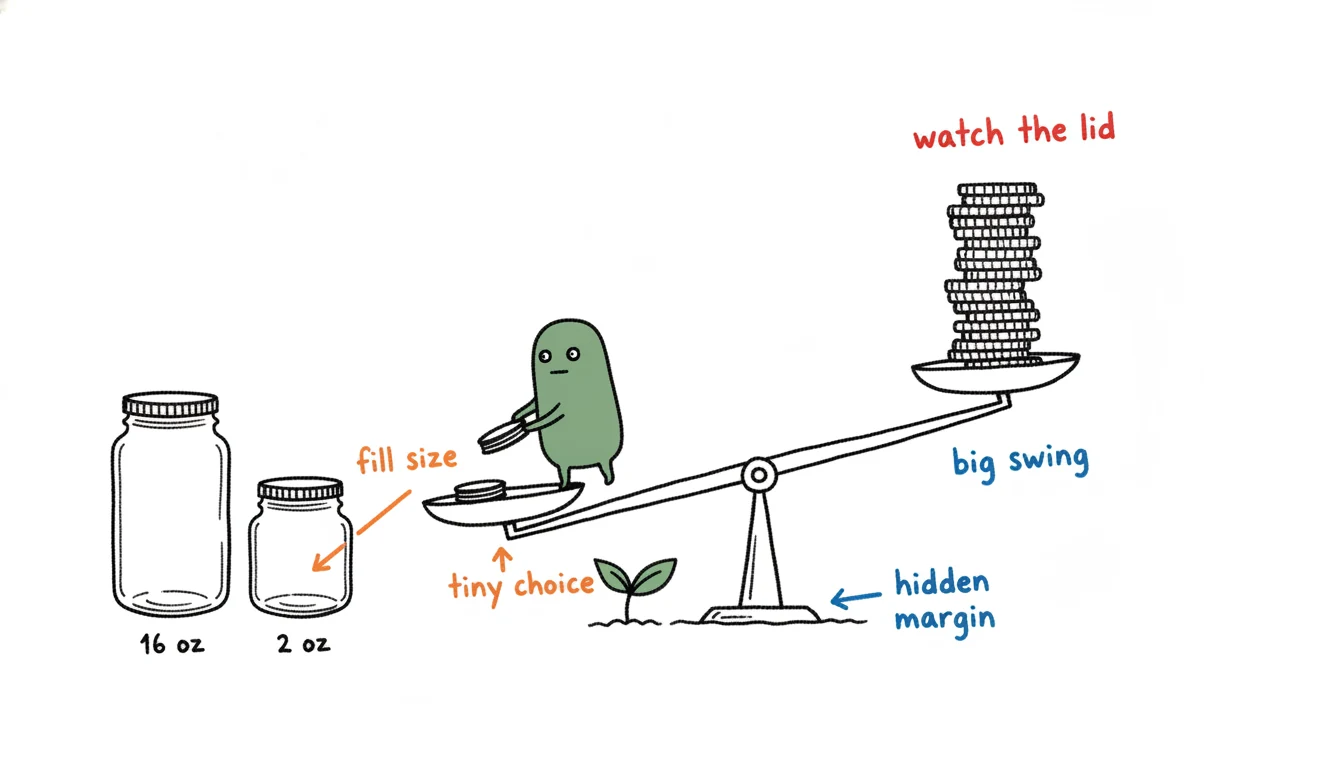
Packaging is where most first-time buyers leak margin without realizing it. Three formats dominate the body butter category, each with different tooling cost, MOQ implications, and shelf positioning:
- PET jars (8oz, 12oz, 16oz). The default retail format. Stock molds available, no tooling cost, MOQ as low as 300 units. Visually less premium than glass but ships safely and costs 60–80% less than glass.
- Glass jars (4oz, 6oz, 8oz). The premium format. Stock glass molds available for common sizes; custom glass molds run $4,000–$12,000 in tooling and 8–12 weeks of lead time. Shipping cost per unit is 2–3× PET because of weight.
- Aluminum tins (2oz, 4oz, 8oz). Travel-friendly, on-trend with clean beauty positioning, and excellent for sample programs. MOQ 500+ for stock tins. Be aware that aluminum reacts with some essential oils — confirm formulation compatibility before tooling.
- Pump bottles (8oz, 16oz, salon back-bar). Required for salon and hospitality formats. Critical detail: pump compatibility with viscous body butter is non-trivial — some pumps clog above 50,000 cP viscosity. Validate with samples before bulk ordering.
- Gallon & bulk (1 gal, 5 gal). For salon back-bar use, hotel amenity refill programs, and brands that repackage in-house. Our 5 Gallons format is a representative bulk SKU; gallon bulk programs typically have MOQ 50–100 units versus retail tub MOQ in the 300–1000 range.
One packaging decision that quietly costs new brands money: choosing a non-standard tub size to “stand out.” The economics rarely work. A 14oz custom tub will cost you $3,000–$8,000 in mold tooling and add 6–10 weeks to your first order, all to deliver 2oz more product than a stock 12oz tub. Save the custom tooling for your second or third SKU after you have validated demand.
MOQ & Order Economics — At a Glance
MOQ is the question every first-time buyer asks first. The honest answer is “it depends,” and the dependencies are: which formulation model (stock vs custom), which packaging (stock molds vs custom tooling), how many scent variants in one PO (each variant is its own production run), and what’s your relationship history with the factory. A useful baseline:
- Trial / first-PO range: 300 units per scent in stock packaging
- Standard production range: 500–1,000 units per scent
- Bulk / scaling range: 3,000–10,000 units per scent (best per-unit pricing)
- Bulk gallon programs: 50–100 gallons MOQ for refill or repackaging operations
For the full pricing breakdown by tier — and the negotiation levers that move per-unit cost without raising your MOQ commitment — see our companion guide on Body Butter Private Label MOQ.
Practical Numbers: Three Common Order Scenarios
To make those tiers concrete, here is how the per-unit math works out in three typical private label body butter scenarios:
To make this concrete, three real scenarios with indicative numbers (US-bound, EXW factory pricing, FY 2026):
- DTC brand launch, 1 SKU, validating demand. 500 units × 8oz PET, custom label, single-note scent, hyaluronic acid. Per-unit landed: $3.10–$3.60. Total invoice: $1,550–$1,800. Lead time: 28–32 days. Best path: Tier 1, modified-stock formula with HA addition.
- Salon distributor, 4 SKUs, retail line. 1,000 units each × 4 scents × 12oz PET, branded label, library scents. Per-unit landed: $2.20–$2.70. Total invoice: $8,800–$10,800. Lead time: 35–40 days. Best path: Tier 2, stock formula with bundle discount.
- Hospitality amenity buyer, 1 SKU, single hotel chain. 5,000 units × 2oz aluminum tin, simple label, signature scent (custom). Per-unit landed: $1.50–$1.80. Total invoice: $7,500–$9,000. Lead time: 50–60 days (custom scent + tooling). Best path: Tier 3 with custom scent development.
If you are at the planning stage and want a tailored quote for your spec, you can request a quote here — we typically respond inside 24 hours with MOQ scenarios, indicative per-unit pricing, and lead time for your specific PO shape. Representative SKUs we ship at the three tiers above include our 12oz custom-scented base, the 1 Gallon salon format, and the 5 Gallons bulk refill format.
Lead Time & Production Process
For a stock-formula PO with stock packaging and pre-approved artwork, expect 25–35 days from PO confirmation to packed inventory. The breakdown:
- Days 1–5: Formulation lock and scent matching (skipped if the SKU is a repeat order)
- Days 5–10: Component procurement (jars, lids, labels, cartons)
- Days 10–18: Bulk production batch — mixing, cooling, viscosity QC
- Days 18–25: Filling, labeling, packing, in-house QC
- Days 25–30: Pre-shipment inspection (third-party if requested), documentation, ready-to-ship handoff
Three things commonly extend this timeline. First, artwork iteration — buyers who request 4+ rounds of label revision typically add 7–15 days. Lock artwork before signing the PO. Second, custom packaging tooling adds 4–8 weeks for first orders, but is amortized in repeat orders. Third, regional regulatory documentation (Cruelty-Free declaration, Vegan certification, IFRA scent compliance documentation) — usually 5–10 extra days if requested late, and free if requested upfront. Add another 18–35 days of ocean freight to your destination port if shipping internationally; air freight is 7–10 days at 4–8× the cost.
How to Vet a Body Butter Manufacturer: Seven Questions That Expose Real Capability
Before you commit an MOQ to any factory, put these seven questions to them. The answers separate manufacturers with genuine body butter capability from traders reselling someone else’s production:
Question 1 — Show me 90-day accelerated stability data on the formulation you’d run for me
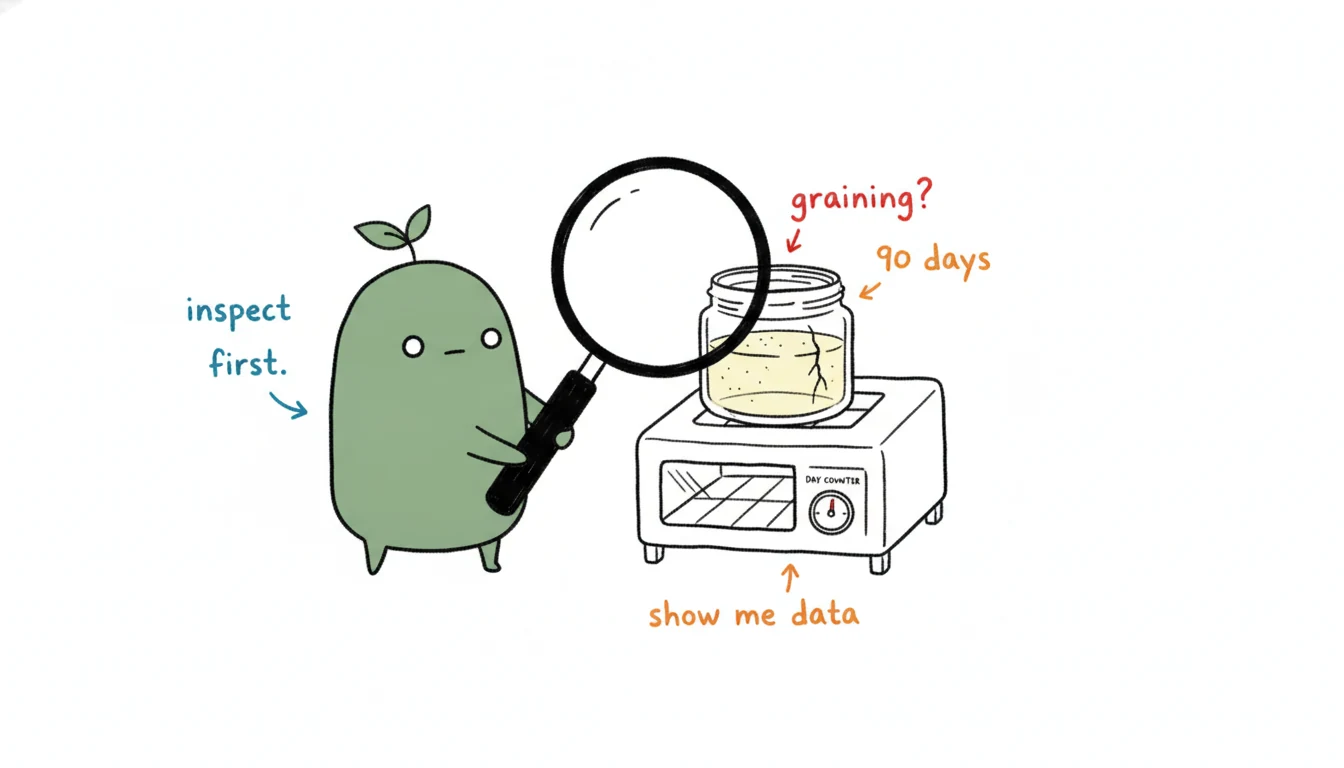
This is the single most diagnostic question in the entire vetting process. A factory with a real, vetted formulation will produce stability data in under 24 hours, typically a 1–2 page summary covering color, scent, viscosity, and microbial counts at 4°C, 25°C, and 45°C across the test window. A factory that hesitates, asks why you need it, or offers to “send a sample first and you can test yourself” is signaling that the formulation is undocumented — which means you would be paying to be the test subject.
What good looks like: a stability report on factory letterhead, dated within the last 24 months, showing no significant color shift (delta E < 3), no scent dropout, viscosity within ±10% across temperature points, and microbial counts well below pharmacopoeia thresholds. What concerning looks like: hand-typed numbers, no temperature gradient, microbial line that just says “passed,” or report dates older than 36 months for an active formulation.
Question 2 — How many distinct scent variants do you have on file, and how was the scent library built?
Body butter is a sensory product, and a factory’s scent library is one of the strongest signals of how seriously they take the category. A factory with 30+ vetted scent profiles built in partnership with a recognized fragrance house (IFF, Givaudan, Firmenich, Symrise, Mane, Robertet) is operating at a different level from one with five generic profiles bought from a regional fragrance compound supplier.
What to ask: “Who supplies your fragrance compounds, and can I see scent samples of your top 10 SKUs in this category?” A confident factory will send a physical sample box within 5–10 business days. The samples themselves tell you a lot — scents that smell muddy, fade fast on skin, or smell synthetic in a way that competitors don’t are telling you the fragrance procurement is the cost-floor option.
Question 3 — What is your real MOQ for this exact spec, and what changes if I shift any one variable?
The MOQ question is a confidence test, not a numerical one. A factory that quotes “MOQ from 100 units” without asking about packaging, scent count, label complexity, or payment terms is not actually building a quote — they are anchoring you with the lowest possible number, which will drift upward through the negotiation. A confident factory will ask 4–6 clarifying questions before quoting, then return a tiered quote showing how MOQ shifts with each variable.
The diagnostic version: “What’s MOQ for 12oz PET, single-note rose scent, hyaluronic acid base? And what changes if I switch packaging to glass, or add a second scent variant in the same PO?” The factory’s answer should be specific to each variable, not a flat number. Vague answers signal that the factory is winging it. For the full MOQ framework that pairs with this question, see our companion MOQ guide.
Question 4 — Walk me through your packaging compatibility testing process
Body butter packaging failures are quiet and expensive. PET tubs that work for low-viscosity lotions can fail with thicker body butter formulations — the lid threads strip, the tub deforms in heat, or the seal fails in transit. Aluminum tins that work for clean-beauty positioning can react with essential oils, leaving an off-note in the scent within 60 days. Glass jars are inert chemically but ship-fragile, and the wrong cushioning spec leads to 1–4% breakage in transit.
A serious factory will describe their packaging compatibility testing protocol in detail: viscosity-temperature sweep, scent migration test (especially for aluminum), mechanical drop and stack test, and shelf-life observation in the proposed packaging. A factory that says “we use the standard tub for this category, no problem” is telling you they have not actually tested your specific formulation in your specific packaging.
Question 5 — Can I have references from 2-3 buyers in my market and category?
References are a more reliable signal than certifications, audit reports, or factory tour videos. A factory with a real B2B body care book of business will offer references within 48 hours — typically buyers from a similar customer profile to yours (similar volume, similar geography, similar end-market). A factory that delays, deflects (“our customers prefer privacy”), or offers references only outside your category should be deprioritized.
When you call references, the diagnostic questions are: “How long have you sourced from this factory? How many POs? What was the first quality issue you experienced, and how did the factory handle it?” The handling-an-issue question is the most informative — every supplier eventually has a quality issue, and the difference between a factory you can grow with and one you cannot is entirely how they handle the first failure.
Question 6 — Will you accept a third-party pre-shipment inspection before B/L release?
Third-party pre-shipment inspection (PSI) is the standard B2B safeguard. SGS, Bureau Veritas, Intertek, and TUV all offer inspection services for cosmetics: quantity verification, packaging integrity check, label compliance check, and AQL-based defect inspection on a statistical sample. A confident factory will accept PSI as standard practice, often suggesting it themselves on first-time orders. A factory that resists, charges a high “inspection facilitation fee,” or wants to control which inspector you use is signaling something they do not want a third party to see.
Industry-standard AQL levels for body butter: 2.5 for cosmetic defects (label misalignment, minor packaging blemishes), 1.0 for functional defects (missing components, mis-labeled SKUs), and 0.65 or tighter for safety-critical defects (microbial contamination, ingredient mismatch). Cost is typically $300–$500 per inspection day — a tiny fraction of the cost of a contaminated container.
Question 7 — What’s your average inquiry response time, and who handles my account?
The boring, unglamorous signal that predicts most relationship outcomes. A factory that returns your initial inquiry inside 24 hours, with a real person whose name you know, is operating at a level of organization that translates into every downstream interaction — sample lead time, artwork iteration, production updates, post-shipment follow-up. A factory that takes 4–7 days to respond to your first email, then routes you through a generic info@ inbox, is forecasting how the relationship will feel for the next 12 months.
The diagnostic question to ask explicitly: “Who would be my dedicated account contact if I become a customer? How many other accounts do they handle? What’s the typical email response time?” A factory whose account managers handle 50+ accounts will struggle to give you the responsiveness a launch needs. 10–20 active accounts per manager is a reasonable benchmark.
Scoring the Seven Signals
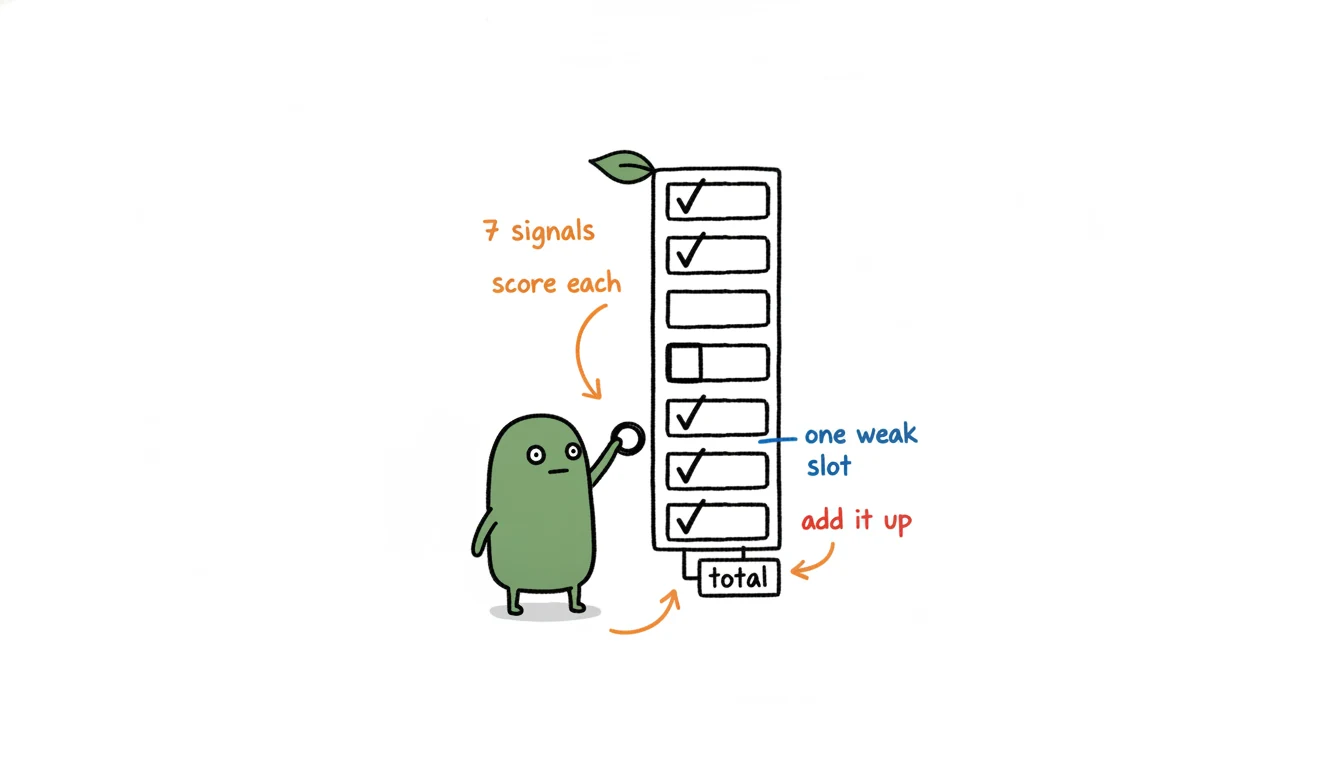
For each shortlisted factory, score each of the seven signals on a simple scale: strong (3) / acceptable (2) / weak (1) / fail (0). A factory scoring 18+ across the seven is one you can place a first PO with confidence. A factory scoring 13–17 is workable but needs targeted follow-up on the weak signals before scaling. Anything below 13 is below bar — the cost of switching factories two POs in is much higher than the cost of vetting a fourth option now.
Failing any single signal does not automatically disqualify a supplier — context matters. A new factory with strong stability data and packaging testing but a thin reference list might be scored down on Question 5, but worth a small trial PO if the other signals are strong. Conversely, a factory with deep references but no stability data is high-risk in a way that references cannot rescue.
Compliance & Documentation: What B2B Buyers Should Ask For
Body butter is regulated as a leave-on cosmetic product across most major jurisdictions, which means certain documentation is universally expected even though specific labeling and registration rules vary by region. As a buyer, your factory should be able to provide on request:
- Full ingredient list in INCI nomenclature for label compliance and any required pre-market notification (such as the FDA cosmetic product listing in the US, the CPNP notification in the EU, or NMPA filing in China)
- Stability test data — typically 90-day accelerated stability covering color, scent, viscosity, and microbial counts at 4°C, 25°C, and 45°C
- Microbiological safety summary — total aerobic count, yeast/mold count, absence of pathogens (S. aureus, P. aeruginosa, E. coli, C. albicans)
- Allergen declaration for any of the 26 fragrance allergens regulated under EU Cosmetic Regulation 1223/2009 (relevant if any EU shipment, or if you plan EU expansion later)
- Heavy metal & impurity test — particularly relevant for natural/botanical lines
Suppliers who hesitate to provide any of the above on request should be removed from your shortlist. The cost of producing this documentation for an established formulation is essentially zero — refusal signals either disorganization or that the formulation has not been properly tested. For the broader factory-vetting framework — eight signals we use to score body care suppliers — see How to Vet a Body Butter Manufacturer.
How Body Butter Sits Alongside Cuticle Care & Spa Retail
If you already source cuticle oil, hand cream, or sugar scrub for a private-label beauty line, body butter is one of the easiest catalog extensions you can make. The buyer overlap is high — the salon distributor buying your cuticle oil program is the same buyer ordering body butter for retail shelves. The factory overlap is also high: a supplier already running your cuticle oil PO can typically run a body butter PO without re-vetting. For a deeper read on the cuticle-care side of this same buyer relationship, see our Cuticle Oil Private Label Manufacturing Guide.
Three companion frameworks worth reading if this is your first private-label venture: Private Label vs OEM vs ODM for terminology, MOQ for Private Label Beauty Products for cross-category benchmarks, and How to Start a Private Label Skincare Brand for the end-to-end launch playbook.
How to Start: Practical First-Order Path
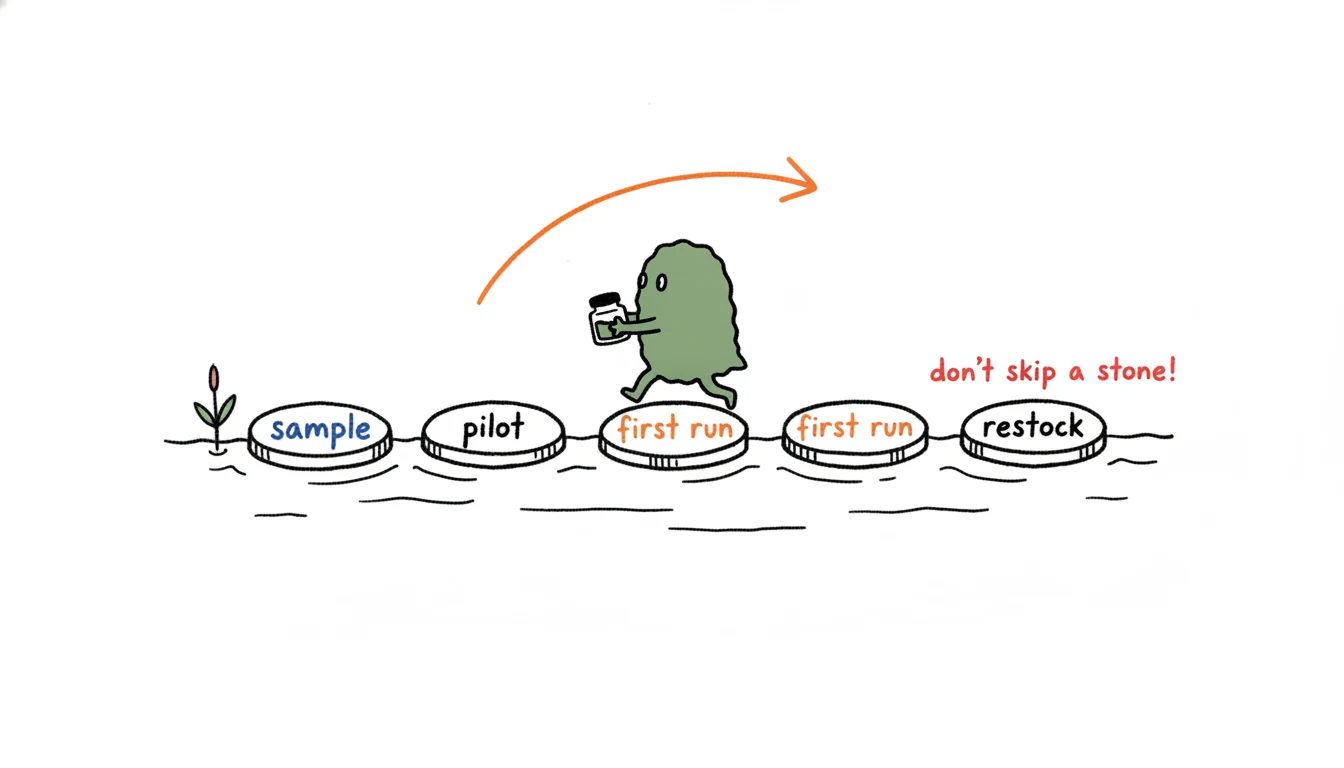
If you have read this far and are ready to source, the practical first-order path is:
- Define one wedge clearly — pick one customer (DTC, retail, salon, hospitality), one positioning (luxury, clean, edible-inspired, wellness), and one packaging format. Resist the urge to launch with three SKUs.
- Pick one scent + one hero ingredient from the framework above. You can expand to 3–5 scent variants on the second PO once you see which moves.
- Request samples from 2–3 shortlisted factories — same scent brief, same packaging spec, same MOQ scenario. Compare on feel, scent persistence after 30 days, and supplier responsiveness.
- Place a 300–500 unit trial PO with the winning factory. Use this run to validate label artwork, test the freight path, and get real customer feedback.
- Reorder on validated demand — your second PO should jump to the 1,000+ unit tier where per-unit cost drops 15–25%.
If you would like a quote, scent samples, or a full body-butter catalog walkthrough, request a quote at our contact page. We typically respond inside 24 hours with MOQ, lead time, and indicative pricing for your specific spec.
Related B2B ranges
Putting together a multi-SKU order? Two ranges our distributors and private-label clients pair most often:
- Pedicure kits & spa sets — retail-ready 5-in-1 / 6-in-1 / 7-in-1 kits, private label and OEM.
- Wholesale gold handle nail brush sets — Kolinsky and nylon brushes with custom-color handles.
Pedicure kit wholesale buyer guide · Request a quote →
Frequently Asked Questions
What is the minimum order quantity for private label body butter?
Trial PO MOQ is typically 300 units per scent in stock packaging. Standard production runs land in the 500–1,000 unit range per scent, and bulk pricing tiers begin at 3,000+ units. Bulk gallon refill programs have a separate MOQ of 50–100 gallons for spa/salon B2B refill systems.
How long does it take to manufacture a body butter PO from order to ship-ready?
For stock-formula orders with stock packaging and pre-approved artwork: 25–35 days from PO confirmation to packed inventory. Modified stock formulas extend to 30–45 days. Full custom formulations add 60–90 days of pre-production for formulation development before the standard production cycle begins.
Can I bring my own scent or ingredient brief to the factory?
Yes. Two paths: (1) you provide a target sample (a competitor product or sample from a previous supplier) and we reverse-engineer toward it, or (2) you provide a written brief specifying base butters, scent profile, and hero ingredients, and we build to spec. Both fall under the modified-stock or full-custom formulation models. Custom formulation fees typically $1,500–$5,000.
What documentation should the factory provide for body butter compliance?
Standard expected documentation includes: full INCI ingredient list, 90-day accelerated stability test data, microbiological safety summary, EU 26-allergen declaration (relevant for EU shipments), and heavy metal/impurity test results for natural and botanical formulations. A factory that hesitates to provide any of these on request should be removed from your shortlist.
Can I bundle body butter with cuticle oil or sugar scrub in one PO?
Yes, and it’s a common B2B pattern. A factory already running your cuticle oil or sugar scrub line can typically run a body butter line in the same PO without re-vetting, provided MOQ minimums are met for each SKU separately. Combined POs reduce per-SKU freight and customs handling cost.
Best private label body butter manufacturer for indie skincare brands in 2026?
Indie brands work best with boutique specialists offering 200–500 unit pilots, stock-formula rebrand options, and full custom formulation paths. Top options: Nail Legend (Shenzhen, 300-unit trial PO), Beauty Private Labels (NC, natural positioning), DLAB Custom Cosmetics (US+EU dual-site, 200-unit MOQ). Compare full options in our 2026 body butter listicle.
Where can I find a low-MOQ body butter OEM supplier?
Boutique body butter manufacturers start at 200–300 units per scent. Nail Legend offers 300-unit trial PO with stock packaging; production runs scale to 500–1,000 unit tiers. Bulk gallon refill programs have separate MOQ of 50–100 gallons for spa/salon B2B refill applications.
Who are the best body butter manufacturers for Amazon FBA sellers?
FBA sellers need natural-positioning formulations, FBA-compliant packaging (no glass containers), and 8oz fill (most popular Amazon SKU size). Top options: Beauty Private Labels (natural cuticle/body line), Bulk Apothecary (FDA-registered with public tier pricing), Nail Legend (8oz HDPE jars with custom labels). Compare full B2B options in our listicle.
Can I get a whipped body butter formulation with shea, cocoa, or mango bases?
Yes. Standard base butters: shea (highest moisture, neutral scent), cocoa (chocolate notes, harder texture), mango (light scent, smoother feel). Whipped formulations use mechanical aeration to create the soft texture; the base butter ratios determine spreadability and shelf stability. Custom blends combining 2–3 butters are common in mid-market private label.
What’s the typical fill size for B2B private label body butter (2oz, 8oz, 16oz)?
Most popular B2B fills: 2oz (sample/travel), 4oz (standard retail), 8oz (Amazon FBA standard), 16oz (luxury/spa). Bulk gallon refills (1 gallon, 5 gallon) for salon refill programs. Fill size affects per-unit cost via packaging and labor; 8oz is typically the cost-optimal SKU for retail-focused brands.
Are Chinese body butter manufacturers cheaper than US suppliers?
Per-unit cost at China-based manufacturers is typically 25–45% lower than US equivalents at comparable formulation depth (driven by butter ingredient cost and labor). The gap narrows above 3,000 units. Freight, customs, and 18–25 day Pacific shipping should factor into total landed cost calculations for US-distributed brands.
What’s the difference between body butter, body cream, and body lotion in private label?
Body butter = high butter content (shea/cocoa/mango), thick texture, 8–15% water. Body cream = medium butter and oil content, smoother texture, 30–50% water. Body lotion = low butter, high water content (60–80%), pourable consistency. Manufacturing cost: butter > cream > lotion. Most private-label body butter SKUs sell at premium prices versus creams and lotions in the same brand line.
Companion Reading: Formulation Deep-Dive
For the ingredient and formulation-mechanics decisions, see two new spokes: body butter base butters compared (shea vs cocoa vs mango vs murumuru vs kokum — cost, melt point, feel, brand-story, blends, SRP positioning) and body butter formulation guide (anhydrous vs water-containing, whipped vs unwhipped, preservation, melt-point targeting by shipping lane, packaging compatibility).
Wholesale Body Butter Pricing & Bulk Tier Options
Brand buyers searching wholesale body butter typically compare three quote tiers: a 1K–2K pilot run, a 5K–10K standard run, and a 25K+ scale run. The body butter wholesale per-unit price curve compresses sharply across these tiers — shea-only premium runs sit about 25–35% above shea/mango/cocoa blended formulas, and whipped variants add 8–12% over straight cold-pour body butter because of the extra mixer cycle.
A whipped body butter wholesale RFQ adds three sourcing line items absent from straight body butter: aeration time at the mixer, lower-density jar fill ratio (the same 8oz jar holds ~20% less product by weight), and dome-cap selection that survives transit without collapse. For brands cost-modelling against a body butter supplier short-list, the whipped vs. straight cost delta is usually the most overlooked line item in the first quote round.
White Label vs. Private Label Body Butter: When Each Wins
White label body butter uses a stock formula, stock fragrance, and stock jar with only the brand label, sleeve, or carton changing. Turnaround is 10–20 days at 1K–3K MOQ — well-suited to brands validating a body-care line for the first time. Private label body butter, in contrast, means buyer-defined fragrance, butter blend ratio, jar shape, or pump system, with 30–50 day lead time and a 2K–5K MOQ floor depending on tooling complexity.
Most of our body butter private label RFQs in the first call ask two things: minimum quantity at the first run, and how quickly the supplier can replicate a competitor SKU buyers have already shelf-tested. The standard answer is 4–6 weeks from a reference sample to production-ready golden sample. See the formulation guide for the base-butter selection logic and the base butters reference for the shea/mango/cocoa/kokum trade-offs we run in production.
Body Butter Supplier vs. Contract Manufacturer: Sourcing Distinctions
A body butter supplier — what we operate as — manufactures the butter base, fills it, labels it, and ships on your PO under a private-label master service agreement. A contract manufacturer typically takes a buyer-supplied formula and runs it on contract, with the brand owning the IP outright. For most brands launching a body-care line for the first time, a private label body butter arrangement is the lower-risk path because the formula, compliance, and stability testing are already on file with the supplier — only the scent, label, and jar configuration change per buyer.



Leave A Comment