
“Best” is the wrong question when you are sourcing a private label bath bomb manufacturer. The better question is “best for what my brand specifically needs” — because the factory that dominates pastel silk-screen retail carton runs will not be the factory that wins on 6kg bulk orders to a spa distributor. This guide lays out the decision framework that separates the shortlist from the noise, and gives you concrete vetting criteria you can run against any supplier quote in your inbox.
Quick answer: Choose a private-label bath bomb manufacturer by formula ownership, moisture control, repeatable weight, dissolution, packaging barrier, transit testing, documentation and scale path. This page is the buyer-evaluation framework; use the linked manufacturer comparison for the current supplier shortlist.
Methodology and evidence standard (reviewed 2026-08-07): Public evidence from manufacturer and product pages is used to establish category relevance. A public claim is a shortlist signal, not an audit. Legal manufacturer, facility, formula ownership, MOQ, lead time, capacity, certification scope and destination-market documents must be confirmed for the exact SKU in the RFQ.
Official pages checked: Made Natural; Bulk Apothecary; Poleview/Boymay.
Whether you are launching a DTC self-care brand, extending a retail beauty line, or building a regional spa-supply catalog, the sourcing math is the same: you are trading capital against lead time, customization depth against MOQ, and brand control against unit cost. The sections below break down what each tradeoff actually looks like when you write the PO. For the broader sourcing fundamentals, see our companion guides on private label vs OEM vs ODM models and MOQ for private label beauty products.
Private Label Bath Bomb Manufacturer Scorecard
| Criterion | What to compare | Evidence to request |
|---|---|---|
| Formula ownership | Stock, modified-stock or custom | Formula ID and exact INCI |
| Repeatability | Weight, color and dissolution tolerance | Pilot and batch QC records |
| Moisture control | Humidity protection | Finished-pack aging test |
| Packaging | Barrier, seal and transit fit | Production-equivalent pack sample |
| Documentation | Exact-SKU records | Specification, SDS where applicable, batch traceability |
| MOQ | Complete finished-unit minimum | Product, fragrance and printed-pack minimums |
| Scale path | Pilot to repeat order | Capacity and component reservation |
| Landed cost | Sellable delivered unit | Freight, duties, breakage and rework |
Private Label Bath Bombs at a Glance: What B2B Buyers Actually Need
Searching for private label bath bombs, wholesale bath bombs, or a bulk bath bomb manufacturer? The short version before the deep guide below: not every “bath bomb manufacturer” is built for B2B private label buyers. Here is what separates a real partner from a reseller flipping someone else’s stock.
1. Real lab + real factory. If they cannot show you their own production floor on a video call, they are likely a trading company. Real bath bomb manufacturers formulate, press, and box on-site — that is the only way to keep batch consistency tight enough for a brand to scale.
2. MOQ that matches your stage. Stock private label bath bombs typically start at lower MOQs than custom OEM. A B2B partner should quote both: white-label stock formula at lower minimums for first orders, and custom scent/color/shape bulk bath bomb production at higher minimums once you have demand signal. If they only sell one, walk.
3. Compliance documentation up front. EU CPNP, US FDA cosmetic registration, ingredient INCI lists, allergen disclosures — a credible wholesale bath bomb supplier shares the docs at the quote stage, not after you commit. If documentation is “available later,” that is a red flag.
4. Packaging beyond the bomb itself. Shrink wrap, gift box, kraft sleeve, retail-ready POP — the bath bomb is the easy part. Packaging is where most private label bath bomb programs fail at scale because suppliers do not have the in-house capability and rely on a third party.
The full 8-criteria shortlist process and our own B2B profile are below. Already at the quote stage? See our B2B catalog, the bath ball / bomb category, or our companion guides on private label vs OEM vs ODM models and MOQ negotiation. Request bath bomb pricing here.
Why “Best Manufacturer” Depends on Your Brand Shape
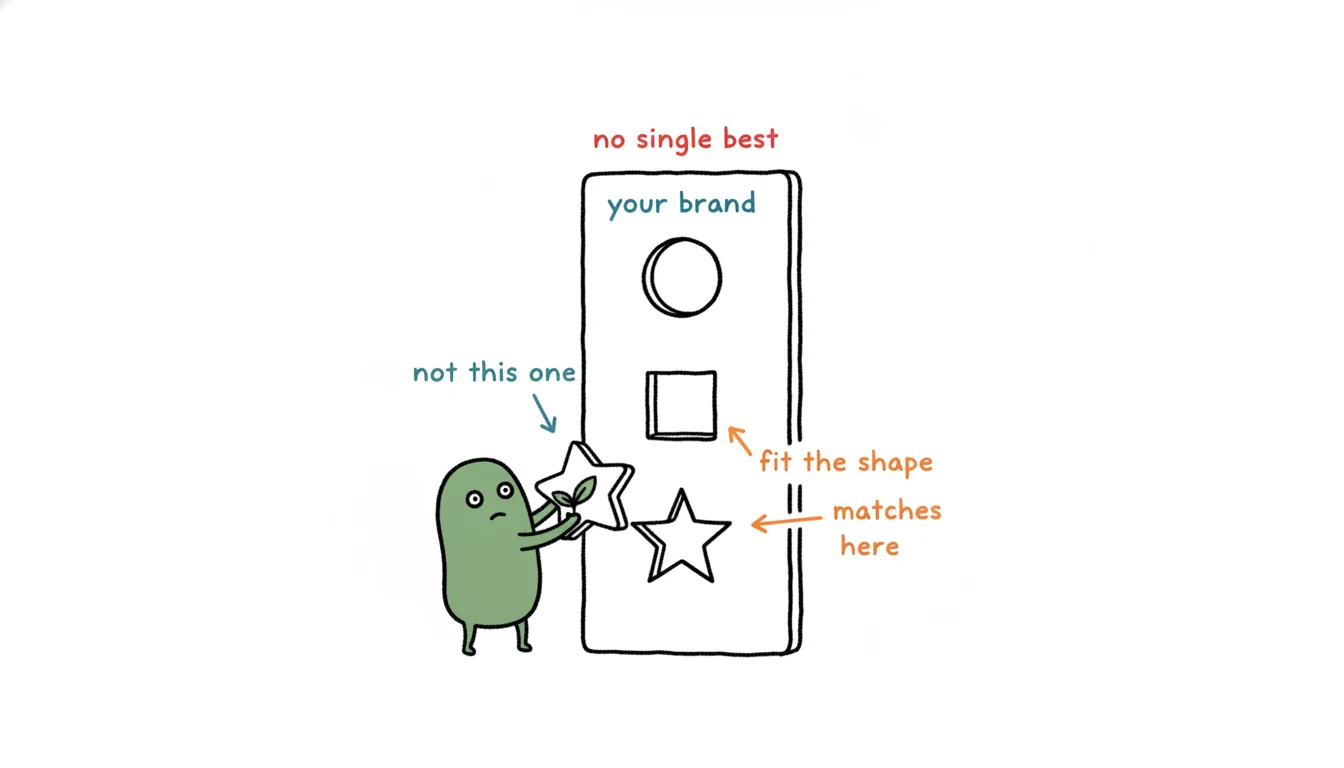
Bath bomb manufacturing is less uniform than it looks on Alibaba. Four archetypes of buyer show up at our door, and each wants a meaningfully different thing:
- Retail beauty brands (DTC, Shopify, Amazon). Need photogenic silk-screen printed bombs, 60 pcs/jar packaging, custom retail cartons, tight scent library (6-8 SKU), and consistent Instagram-ready aesthetics. MOQ tolerance: 100-300 jars per SKU. Lead time preference: 25-30 days. Packaging spend is front-loaded.
- Spa and salon distributors. Bulk functional SKUs — plain bath fizzies in 1kg / 5kg bags, low packaging cost, functional scent library (lavender / eucalyptus / peppermint). MOQ tolerance: 500kg+ per scent. Packaging spend near zero.
- Hotel and hospitality amenity buyers. Mini bombs (20-40g) in branded wrappers, high volume per SKU, multi-year supply contracts. MOQ tolerance: 10,000+ per order. Lead time commitment: 60-90 days per contract.
- Gift and subscription box operators. Small novelty formats (pastel colors, glitter, surprise inclusions), tight 4-week refresh cycles, MOQ 100-200 per SKU. Often require NDA protection on theme reveals.
The factory that optimizes for retail beauty SKU turnover usually runs a different packaging line, scent library, and minimum order economics than the factory that feeds a hotel chain. When you ask “who is the best bath bomb manufacturer,” what you actually need is “who is best at my archetype.”
The 8 Criteria for Shortlisting a Bath Bomb Manufacturer
Use these to build a supplier scorecard. Give each criterion a weight based on your archetype, then score 3-5 candidate factories side by side.
- 1. MOQ flexibility within your tier. For retail buyers, can the factory run 100 jars per SKU on the first order? For distributors, can they hit 1,000kg per scent without splitting across multiple production windows? Rigid “10,000 pieces MOQ” factories are hotel-contract factories — wrong fit for most brands.
- 2. Scent library depth and custom-scent capability. A factory with 8 stock scents that will blend custom on 500+ pcs is versatile; a factory with 3 stock scents and no custom path locks you into its recipe. Ask for the complete fragrance oil inventory list, not “we have many options.”
- 3. Packaging format range. Jar (clear PET / frosted / glass), pouch, single-wrap, multi-pack carton, paper sleeve, ribbon tie. The factory’s stocked format library determines what you can launch without tooling. If your line needs a format that requires custom mold, ask about tooling cost and amortization upfront.
- 4. Silk-screen / pad-print / transfer print capability. Printed bombs have visibly higher perceived value than plain ones. If your brand story lives on the bomb surface, the print capability directly constrains creative. Ask for sample prints before quoting.
- 5. Lead time realism. 20 days ex-works is the floor for first-order custom packaging; anything below that usually means the factory skipped QC or shipped from stock. 25-35 days is the honest operating range.
- 6. Formulation flexibility. Stock formula vs custom formula is the key private label / OEM split. A factory that offers 3 base formulas (moisturizing / soothing / effervescent) plus customization at 1,000+ pcs gives you room to grow. A factory with “one size fits all” formula is a private label shop only, no OEM path.
- 7. Quality control consistency. Bath bombs fail in predictable ways: crumbling on impact, uneven color distribution, scent fade within 3 months. Ask for the factory’s QC rejection rates on prior runs, and for the returns rate data from existing brand clients (anonymized is fine).
- 8. Communication cadence and English capability. Less glamorous but operationally critical. A factory that responds in 24 hours on weekdays and has a named account manager is worth a 3-5% per-unit premium over a factory that disappears for a week during sampling.
Red Flags That Should End the Conversation Early
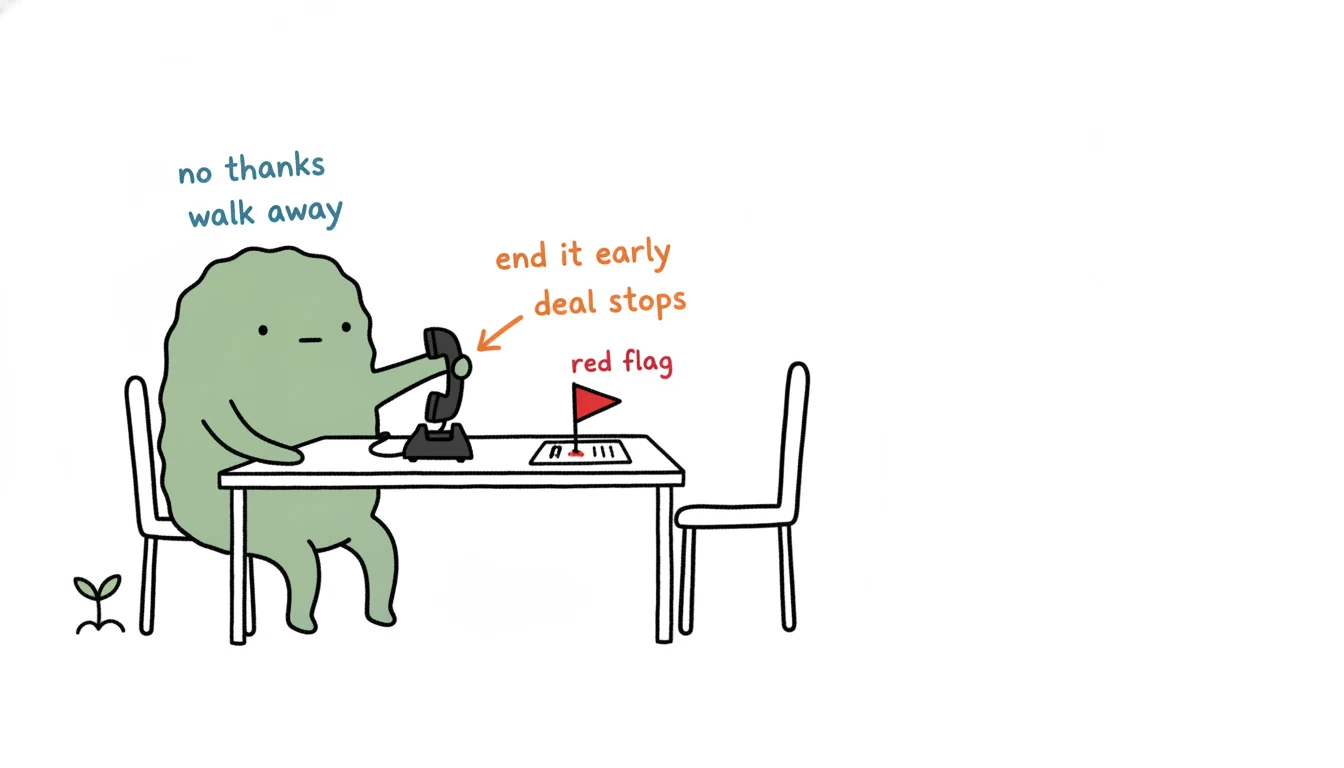
- Refusal to ship a paid sample before production. If they cannot produce 3 representative pieces, they cannot produce 300.
- MOQ quoted as “1 piece, no problem” — that is a retail-store rebrand, not manufacturing. You will get existing product with a sticker.
- Vague answers on fragrance oil sourcing (“we have many suppliers”). Fragrance quality drives return rate; this is not a detail to handwave.
- Pricing that undercuts market floor. Bath bomb raw material cost has a floor around $0.18-$0.25 per 100g bomb at commodity ingredient level; below-floor quotes mean corners cut somewhere.
- No portfolio of existing brand clients shown on the sales call. Even anonymized case summaries are standard; suppliers who cannot produce them usually do not have them.
What a Credible Bath Bomb Manufacturer Looks Like on Paper
The green signals — items you want to see on a supplier’s introduction deck or first-email quote:
- Named factory location (not just “Guangdong” — specific city + production line headcount).
- Years in business ≥ 5, with at least 3 years in bath/body specifically.
- Retail client portfolio with brand names (if contractually permitted) or at least SKU types (private label for X European DTC brand, Y US subscription box, etc.).
- Stock scent library listed explicitly — with notes on which are popular for which markets.
- Stock packaging library with photos, dimensions, unit cost per format.
- Written MOQ and lead time, tiered by quantity, not “negotiable.”
- A sample policy that names sample cost, shipping method, and credit-against-production terms.
- Regulatory documentation available on request — SDS and ingredient lists for customs clearance. The factory should have these even if you do not need them for your market; absence suggests immature operations.
Use a Separate Current Manufacturer Shortlist
This page is the evaluation framework. For named suppliers and the current comparison table, see 8 Private Label Bath Bomb Manufacturers Compared. Keeping selection criteria and the supplier ranking on separate URLs prevents two pages from answering the same search intent.
Our B2B Bath Bomb Profile
For the sake of benchmarking, here is how we sit on these criteria — not as a sales pitch but as a concrete data point for your comparison grid:
- MOQ: 100 boxes entry for private-label retail SKUs; 200kg for bulk functional SKUs
- Scent library: 8 stock scents (Lavender / Rose / Honey / Orange / Mint / Jasmine / Green Tea / Cherry) plus custom blend from 500 pcs
- Packaging: 60-pcs jar (clear / frosted), pouch, single-wrap, branded carton — all with your artwork at entry MOQ
- Lead time: 25-35 days ex-works for standard configurations
- Factory tenure: 10+ years spa and body care production, 40+ countries shipped
Our stocked bath bomb SKUs and their base specs sit on the bath bomb category page. Representative listings include Wholesale Bath Bombs — OEM Private Label, plus scented variants (Lavender, Jasmine, Honey, Cherry) with 60 pcs/jar packaging ready for brand customization.
The Shortlist Process, Concretely
- Week 1. Send identical RFQs to 5-7 candidate manufacturers. Include your archetype (retail beauty / distributor / hospitality / subscription box), target MOQ, target lead time, and packaging expectations. Filter on response quality within 72 hours.
- Week 2. Request paid samples from the 3-4 factories that responded substantively. Pay for them; free-sample suppliers are unreliable at scale. Test samples side by side for scent strength at week 1 and week 8, visible crumbling on drop test, color fade in sunlight.
- Week 3. Book video calls with the 2 strongest sample responses. Ask for factory tour on video. A factory that refuses to show you the production line in 2026 is hiding something.
- Week 4. Request quote-level pricing for your target MOQ tier. Lock decision with the vendor whose combined signals (sample quality + communication + pricing transparency) are strongest.
This 4-week sourcing cycle is the floor for a first private label bath bomb order. Compressing it usually means accepting sample quality issues or locking into a supplier whose communication will become a problem at production volume.
Next Steps
If you have an RFQ ready, send it our way — we respond in 24 hours and quote against your specific archetype rather than a generic rate card. Request a free quote with your target MOQ, scent preferences, packaging format, and destination market. If you are still scoping and want to see the stock range first, browse the bath bomb category and the Wholesale Bath Bombs listing for baseline specs.
Frequently Asked Questions
What is the smallest private-label bath bomb order that makes commercial sense?
For retail brands, 100-300 jars per SKU at 60 bombs/jar is the practical floor. Smaller orders push per-unit cost into retail-equivalent pricing, which defeats the point of wholesale sourcing. For distributors and hospitality buyers, 500kg per scent is the threshold that unlocks meaningful bulk pricing.
How long should a first private-label bath bomb order take?
25-35 days ex-works from artwork approval is realistic for standard packaging. Custom carton artwork, silk-screen printing, or custom-blend scents add 5-10 days. Any supplier quoting under 20 days has almost certainly shortcut QC or is shipping existing stock with relabeled packaging.
Can I blend my own custom scent instead of using a stock scent?
Yes, at volume. Most credible manufacturers (including ours) offer custom fragrance blending from 500-1,000 pieces per scent. Below that threshold, the fragrance-oil batch economics do not work, and the factory will either decline or quote retail pricing.
What documentation should I ask a bath bomb manufacturer for before ordering?
Standard documentation set: ingredient list per SKU, SDS (for shipping classification), certificate of origin, and — for regulated markets — market-specific compliance summaries your importer needs. A factory that cannot produce these quickly is operationally immature, regardless of price.
Sister cosmetic SKU: private-label brands launching bath bombs frequently expand into private label cuticle oil as the next category — same retail channel, similar MOQ tiers, complementary positioning in spa-and-self-care gift sets.
Sister cosmetic kit category: private-label brands launching bath bombs frequently expand into pedicure kits as the next SKU — same retail channels, similar packaging architecture. See Pedicure Kit Wholesale: 2026 B2B Buyer Guide for the parallel category framework.
Sourcing bath bombs at scale?
If you’re evaluating bath bomb wholesale and private label manufacturing for a retail line, gift set, or spa chain, our B2B Bath Bomb wholesale program covers 8 base scents, custom shapes and silk-screen printing, and MOQ from 100 jars at the quote stage. Request a Bath Bomb wholesale quote →
Next Step: Lock the Formulation
Once you’ve picked the manufacturer, the next lock is the formulation itself — baking soda / citric acid ratio, skin-conditioning payload, fragrance and color library, claim architecture. Our bath bomb formulation guide walks the ingredient-level decisions.
📚 Related pillar: see our full Bath Bomb private label & OEM sourcing guide for the broader sourcing frame, MOQ tiers, lead times, and decision framework.
Last reviewed: 2026-08-07. Supplier capabilities and commercial terms can change; reconfirm them for the exact SKU.


Leave A Comment