
UV sterilizer cabinets are everywhere in salon supply catalogs — and most buyer confusion comes from treating them as one product when they’re really three. A pocket-sized rechargeable box, a benchtop multi-tray cabinet, and a floor-standing commercial unit solve different problems at very different price points. This guide breaks down the formats, the lamp-versus-LED question, whether the drying function earns its keep, how to size capacity, and what to actually ask for when you’re sourcing in bulk or putting your own brand on the unit.
If you’re here because you’re building or auditing a salon hygiene process, start with our nail salon tool sterilization compliance guide — this page is the hardware companion to it.
What a UV Sterilizer Cabinet Actually Does (and Doesn’t)
A UV sterilizer cabinet uses UVC light — short-wavelength ultraviolet, around 254 nm for lamp units — to inactivate microorganisms on the surfaces the light reaches. That’s the whole mechanism, and it defines both the use case and the limits.
What it’s good for: a fast, dry, chemical-free treatment step for the tools and items a technician handles between clients — cuticle nippers and pushers, files and buffers (the reusable kind), tweezers, e-file bits, lash and brow tools, even phones and glasses at the station. Drop them in, run a short cycle, done.
What it isn’t: a replacement for heat sterilization. UVC doesn’t penetrate the way pressurized steam does — anything shadowed from the light isn’t treated, and porous or hinged items are unreliable. For critical instruments (anything that can draw blood or contact broken skin), an autoclave or equivalent heat process is the standard in most jurisdictions, and a UVC cabinet doesn’t change that. Buy it as the intermediate step, not the top of the pyramid.
Get this framing right before you compare models, because it changes what “good enough” means. A cabinet that’s perfect as a between-client surface step would be the wrong tool if you (incorrectly) expected it to terminally sterilize implements.
Box vs Cabinet vs Standing Unit — Which Format Fits Your Salon
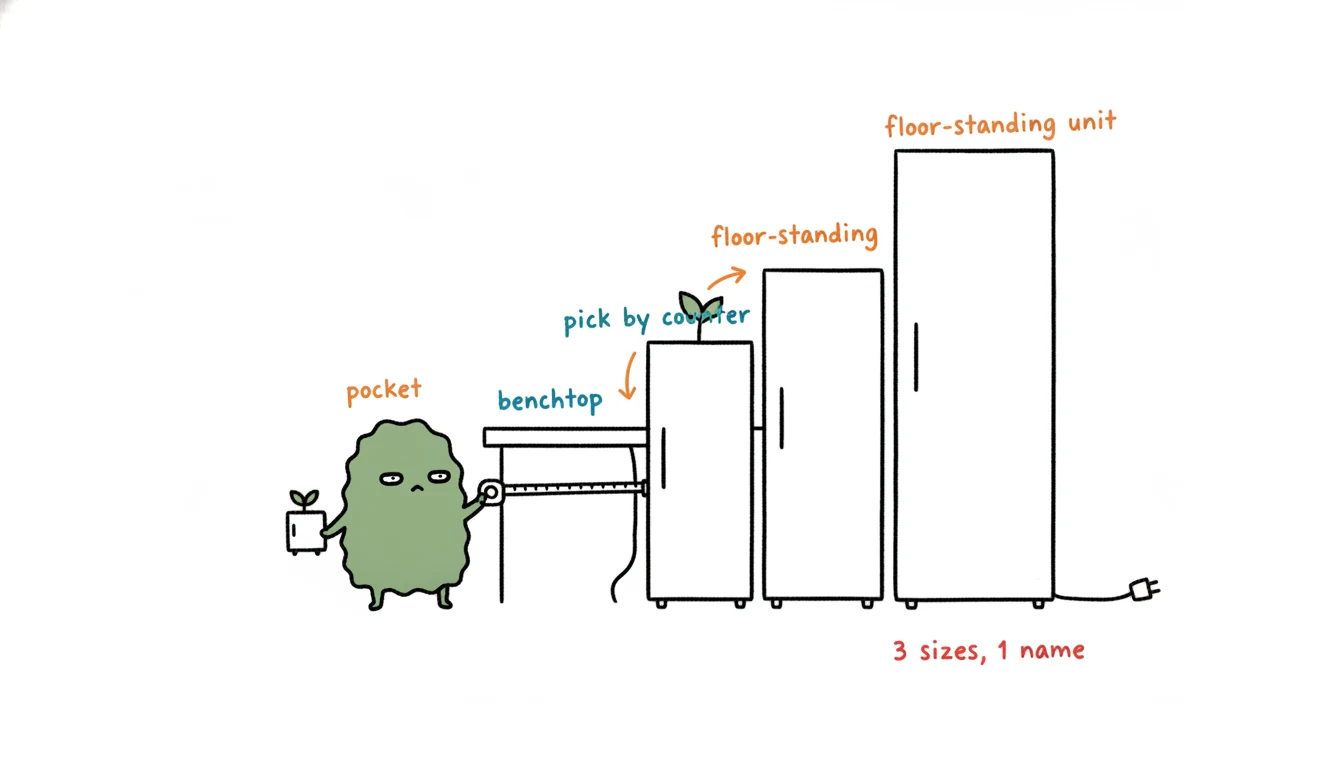
Three formats, three jobs:
Portable UV box (under ~2L). Rechargeable, cordless in use, sits on the station next to the technician. Sized for one person’s hand tools and small personal items. Great for nail bars, mobile technicians, brow/lash artists, and as a per-chair unit in a larger salon. This is the format our portable UV nail tool sterilizer box covers — UVC LEDs, timer presets, USB-C charging, and an optional aroma/wax pad slot.
Benchtop cabinet (8–15L). Plugged in, larger chamber, often with removable multi-layer trays and sometimes a warm-air drying cycle. This is the workhorse for a salon that sterilizes a full tool set, plus brushes and e-file bits, several times a day. Our UV tool sterilizer cabinet with drying function sits here — UVC lamp chamber plus a low-temperature dry cycle, mechanical timer dials, multi-tray layout, built to your market voltage.
Floor-standing commercial cabinet. Big chamber, used by hair salons and spas as much as nail studios, often pressed into service for towels, slippers, and linens as well as tools. Higher price, higher footprint; only worth it if you genuinely have the volume. For most nail-focused buyers, a benchtop cabinet plus per-chair boxes covers the same need with more flexibility — which is why we lead with those two and quote standing units case by case.
Browse the full range on our UV tool sterilizer category, or the broader salon equipment catalog for drills, wax heaters, and lamps.
UVC Lamp vs UVC LED — What Changes
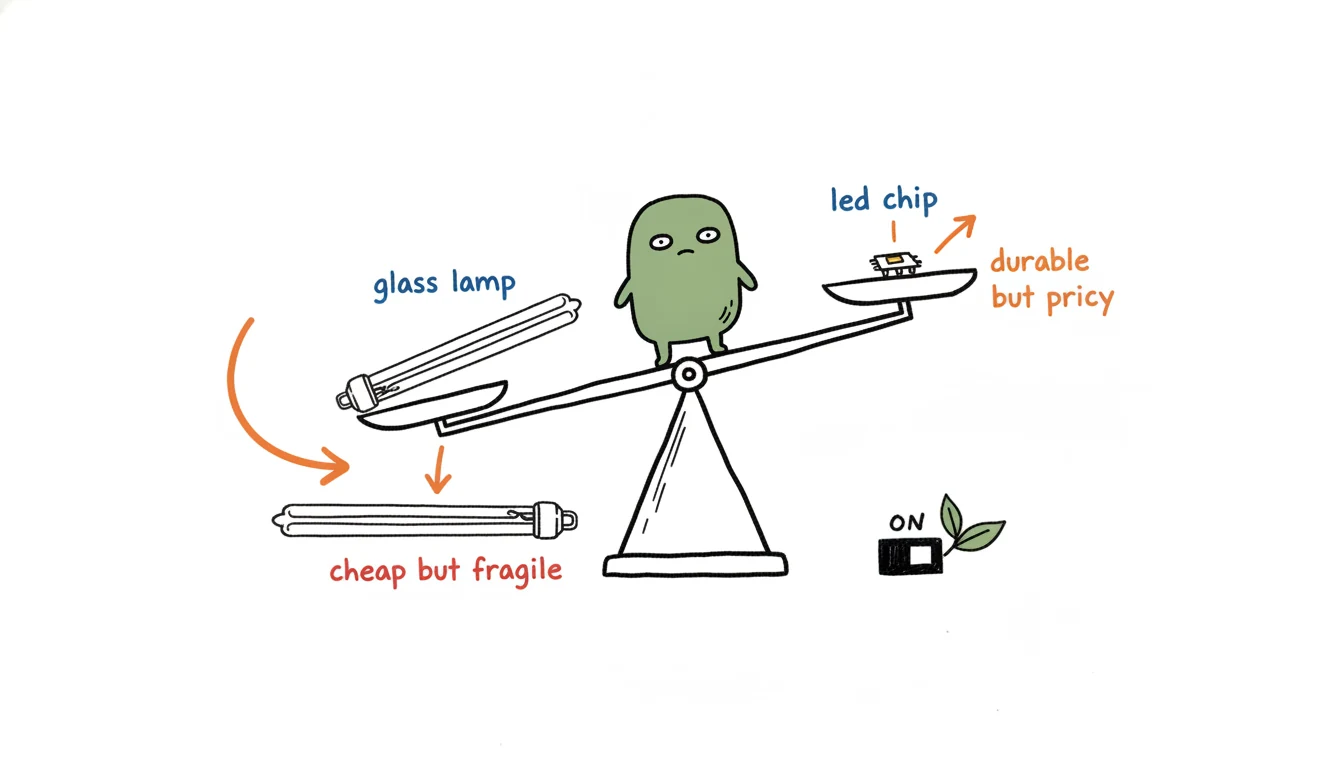
Both produce UVC; the engineering trade-offs differ.
- UVC lamp (tube). Lower cost, high output, mature technology. The tube is a consumable — output drops over time and it eventually needs replacing. Runs warm. Best value for high-throughput salons doing many short cycles a day.
- UVC LED. Higher cost, instant on/off, runs cool, long diode life, no tube to replace. Output per diode is lower, so the unit needs enough well-placed diodes and a good reflector — build quality matters more here. Best where instant-on and low heat are priorities, or where a sealed, lamp-free design is a selling point.
For most distributors, the honest answer is: stock a solid lamp cabinet as the volume product and an LED box as the premium per-chair option. That’s how the market is actually shaped, and it’s how we structure the OEM offering.
Drying Function: Worth It or Not?
The drying cycle is a low-temperature warm-air pass (roughly the 60–70°C class) that comes after — or alongside — the UV cycle. The question isn’t “is drying good?” It’s “do my tools arrive wet?”
If your between-client process includes a water rinse or a soak in a liquid disinfectant, tools come out wet and normally sit on a towel before they go back in the drawer. A cabinet with a dry cycle removes that step: in, cycle, store. For a busy salon that’s real time saved and a tidier station.
If your workflow already produces dry tools before they hit the cabinet — for example, you wipe and air-dry as part of cleaning — the dry cycle is a feature you’ll pay for and rarely use. And to be explicit: it’s a drying temperature, not a sterilizing one. Anyone selling it as heat sterilization is overselling, and we don’t.
Capacity & Sizing — 8L, 12L, 15L and Beyond
Size to your simultaneous load, not your total tool count:
- 8–12L: a single nail station’s hand tools, with room for a few extras. Comfortable for one-chair setups and mobile pros.
- 12–15L: a multi-chair salon, or a studio that also cycles brushes, e-file bits, and lash/brow tools. Multi-tray cabinets shine here.
- 15L+ / floor-standing: high-volume salons and spas, especially if the same unit also handles towels or slippers.
Oversizing is a quiet cost: a half-empty chamber wastes power, takes bench space, and tempts staff to over-load it on busy days (which creates shadowed surfaces the light never reaches). For most nail businesses, “a 12L cabinet plus a per-chair box” beats “one giant cabinet.”
Don’t forget the things that aren’t hand tools: e-file bits in particular get missed. If you carry nail drills, make sure your sterilizer recommendation covers the bits too — bits are small, easy to overlook, and exactly the kind of item a between-client UVC step is for.
Sourcing & OEM: MOQ, Lead Time, Private Label, Voltage
If you’re buying for resale or for a salon-chain rollout, here’s what shapes the quote:
- Branding level. Stock units (no branding) ship fastest. Private label puts your logo on the unit, control panel, and retail box. Full OEM adds housing color, timer presets, capacity, tray layout, and dry-cycle class changes. Each step adds lead time and minimum.
- MOQ. Set at the quote stage by configuration and branding level — there’s no single number, because a stock pilot order and a full-OEM color program are very different commitments. Pilot quantities are available for first orders.
- Lead time. Stock samples in days; private-label samples in one to two weeks; production typically 20–35 days after sign-off.
- Voltage & plug. 110V and 220V are pre-tooled; the plug is matched to your market. Unusual markets are quoted individually.
- Packaging. Standard export carton by default; custom retail box, insert card, multilingual manual, and barcode on request.
You can start a quote on either model directly — the portable box for per-chair and mobile, the drying cabinet for the salon workhorse — or send your spec to our OEM team with target market, branding level, and the SKUs you want mapped against stock / private label / full OEM. We reply within one business day.
6 Common Mistakes When Buying UV Sterilizer Cabinets in Bulk
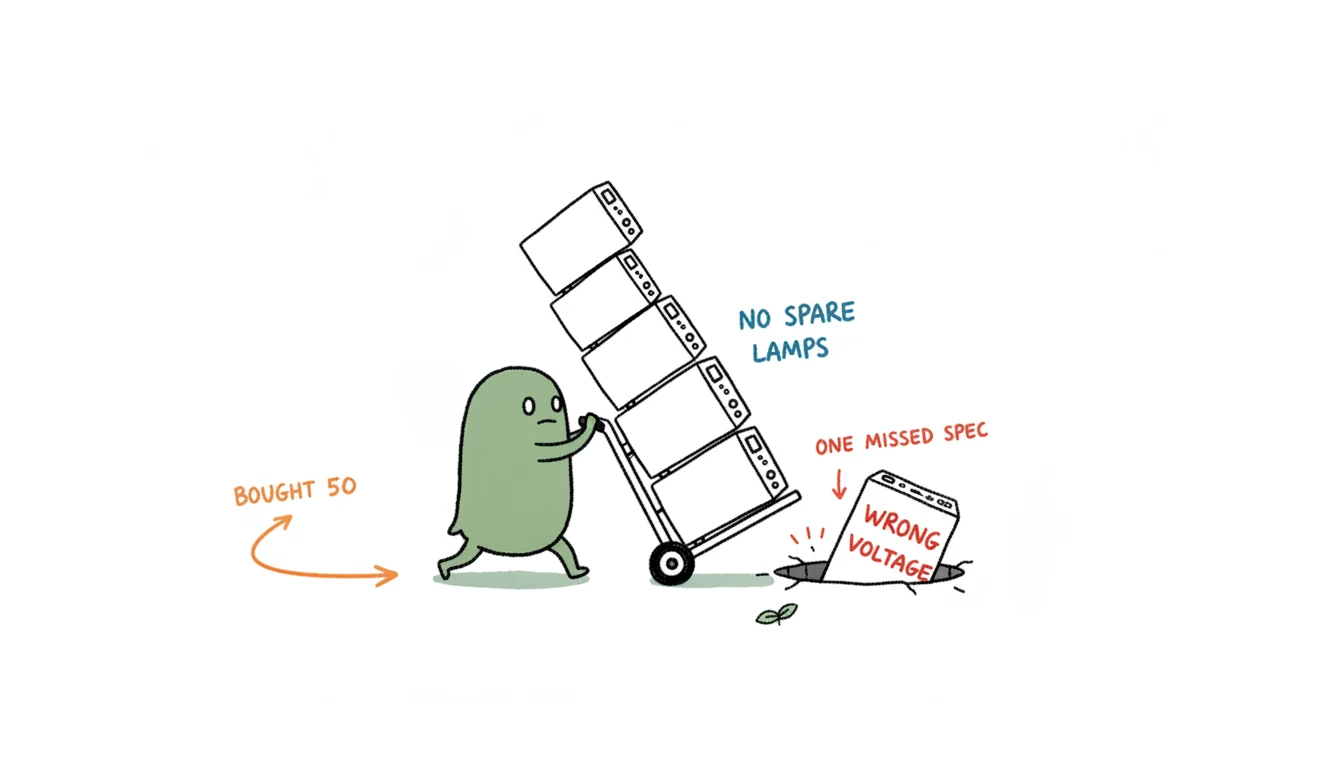
- Marketing it as a sterilizer for critical instruments. It’s a surface step. Position it that way to your customers — overclaiming creates liability and erodes trust when a salon’s inspector disagrees.
- Buying on chamber size alone. A bigger box that’s run half-full or over-stuffed performs worse than a right-sized one used properly.
- Ignoring lamp life / diode quality. The cheapest lamp unit with a fading tube, or an LED unit with too few diodes, treats less than the spec sheet implies. Ask about output and replacement.
- Paying for a dry cycle you won’t use. Match it to your workflow — wet tools in, dry cycle pays off; dry tools in, it’s dead weight.
- Skipping the voltage/plug check. Sounds obvious; still the most common reorder delay. Confirm 110V vs 220V and the plug type before you sign the PI.
- Forgetting the small stuff. E-file bits, lash tweezers, brush ferrules — the items most likely to need a between-client treatment are the ones easiest to leave out of the recommendation. Cover them.
How This Fits Your Salon Hygiene Workflow
A UV sterilizer cabinet is one layer, not the whole stack. The full picture for a compliant salon usually runs: single-use items where possible (files, buffers, orangewood, liners — see our disposable nail supplies range), clean-then-disinfect for reusable surface tools, a UVC cabinet as the fast between-client step for those reusable tools, and heat sterilization for anything critical. The state board or national rules set the bar; the hardware just helps you clear it.
If you’re assembling that process from scratch — or auditing an existing salon’s — our nail salon tool sterilization compliance guide walks through it step by step, including where UVC fits and where it explicitly doesn’t.
Frequently Asked Questions
Does a UV sterilizer cabinet replace an autoclave?
No. A UVC cabinet is a surface-treatment step for the items you handle between clients — it does not penetrate the way steam under pressure does, and it does not meet the bar set for critical instruments in most jurisdictions. Use it as a fast intermediate step, and keep heat sterilization for anything that draws blood or touches broken skin. See our salon tool sterilization compliance guide for the full workflow.
UVC lamp or UVC LED — which should I buy?
Lamp units are cheaper up front, deliver high output, and the tube is a replaceable consumable. LED units cost more, switch on instantly, run cooler, and the diodes last longer — but output per diode is lower, so build quality matters more. For a busy salon doing many short cycles a day, a good lamp cabinet is usually the better value; LED makes sense where instant-on and low heat are priorities.
What capacity do I need — 8L, 12L, or 15L?
Match it to how many tools you cycle at once. A single-chair nail station is comfortable with 8–12L. A multi-chair salon or a studio that also sterilizes brushes, e-file bits, and lash tools should look at 12–15L or a multi-tray cabinet. Bigger isn’t automatically better — an oversized chamber that’s run half-empty wastes power and bench space.
Is the drying function worth paying for?
If your tools come out of a rinse or a liquid disinfectant wet, yes — a warm-air dry cycle means they go straight to storage instead of sitting on a towel. If your workflow already produces dry tools before the cabinet, you can skip it. It’s a low-temperature dry cycle, not heat sterilization, so don’t buy it expecting the latter.
What MOQ and lead time should a distributor expect?
It’s set at the quote stage by configuration and branding level. As a rough guide: stock units ship fastest; private-label runs (your logo on the unit and box) sit in the middle; full OEM with housing, timer, and voltage changes needs the longest runway. Stock samples in days, private-label samples in one to two weeks, production typically 20–35 days after sign-off.
Can I get these with my brand and for my market’s voltage?
Yes. Private label covers your logo on the unit, control panel, and retail box. OEM covers housing color, timer presets, capacity, tray layout, and the dry-cycle class. 110V and 220V are pre-tooled and the plug is matched to your market; unusual markets are quoted individually.
Are UV sterilizer cabinets compliant for salons in the US / EU?
Compliance is about your process, not the device alone. In the US, state boards set what counts as acceptable sterilization and disinfection (and an EPA-registered hospital-grade disinfectant usually sits in the workflow); the EU works through national rules and the relevant disinfectant standards. A UVC cabinet supports that workflow but doesn’t satisfy it on its own. We don’t make compliance claims on the hardware — we point you to the standards and let you build the process.
Do you sell direct to salons or only wholesale?
Nail Legend is B2B only — we supply distributors, salon chains, and brands buying for resale or fleet rollout, on a wholesale or OEM basis. We don’t run a retail storefront. Single-salon owners are usually best served by one of our distributor customers.
Ready to source? Start a quote on the portable UV nail tool sterilizer box or the UV tool sterilizer cabinet with drying, browse the full UV tool sterilizer range, or send your spec to our OEM team.
Companion SOP: Daily Cleaning Protocol
For the wall-poster version of the four-step protocol — clean, disinfect, dry, store — plus tool-by-tool sub-protocols for nippers, files, brushes, e-file bits, and pedicure tubs, see our step-by-step salon SOP for cleaning and disinfecting nail tools.


Leave A Comment