
The pedicure kit — also marketed as a deluxe spa kit, multi-step foot care set, or spa pedicure kit — is one of the highest-margin recurring SKUs in B2B nail and spa distribution. Salons consume them per-client. Private-label brands bundle them as gift-ready boxes. Hotel amenity programs buy them by the pallet. Yet most first-time buyers under-spec the category, treating pedicure kit wholesale as a single SKU when it is actually a five-decision purchase: format, ingredient profile, scent library, packaging, and compliance scope.
This guide is the framework we walk B2B buyers through during their first quote conversation. For format-vs-channel decisions, see Salon Pedicure Kit: Multi-Step Format Guide. For factory vetting, see How to Vet a Pedicure Kit Manufacturer. The full live SKU range is on our deluxe spa kit category page.
Why Pedicure Kits Are a Strategic B2B Category in 2026
Three structural forces make pedicure kit wholesale attractive right now:
- Single-use sachets win on hygiene optics. Post-2024, salon clients ask whether the foot soak and scrub are opened fresh per service. Single-use sachet pedicure kits answer that question visibly. Salons that switch to single-use kits report better client retention and the ability to charge a $5–10 service premium.
- Retail gift-set crossover. The same multi-step kit that runs a salon pedicure service repackages cleanly into a retail gift box. Distributors who carry kits in two formats (salon pro packaging + retail gift packaging) capture both channels off one production batch.
- Recurring consumable economics. Unlike equipment, every kit is consumed in one service. A salon doing 80 pedicures a week reorders weekly. The repurchase cycle alone makes pedicure kits the recurring-revenue twin to cuticle oil private label programs.
The buyers we see fall into four camps: spa and nail-salon distributors building per-region catalogs, private-label retail brands launching pedicure gift kits on Shopify or Amazon, hotel and resort amenity programs sourcing branded mini-kits, and cross-border sellers importing for marketplace listings. Each optimizes for different things, but all return to the same five decisions below.
Decision 1: Format — 5-in-1 vs 6-in-1 vs 7-in-1
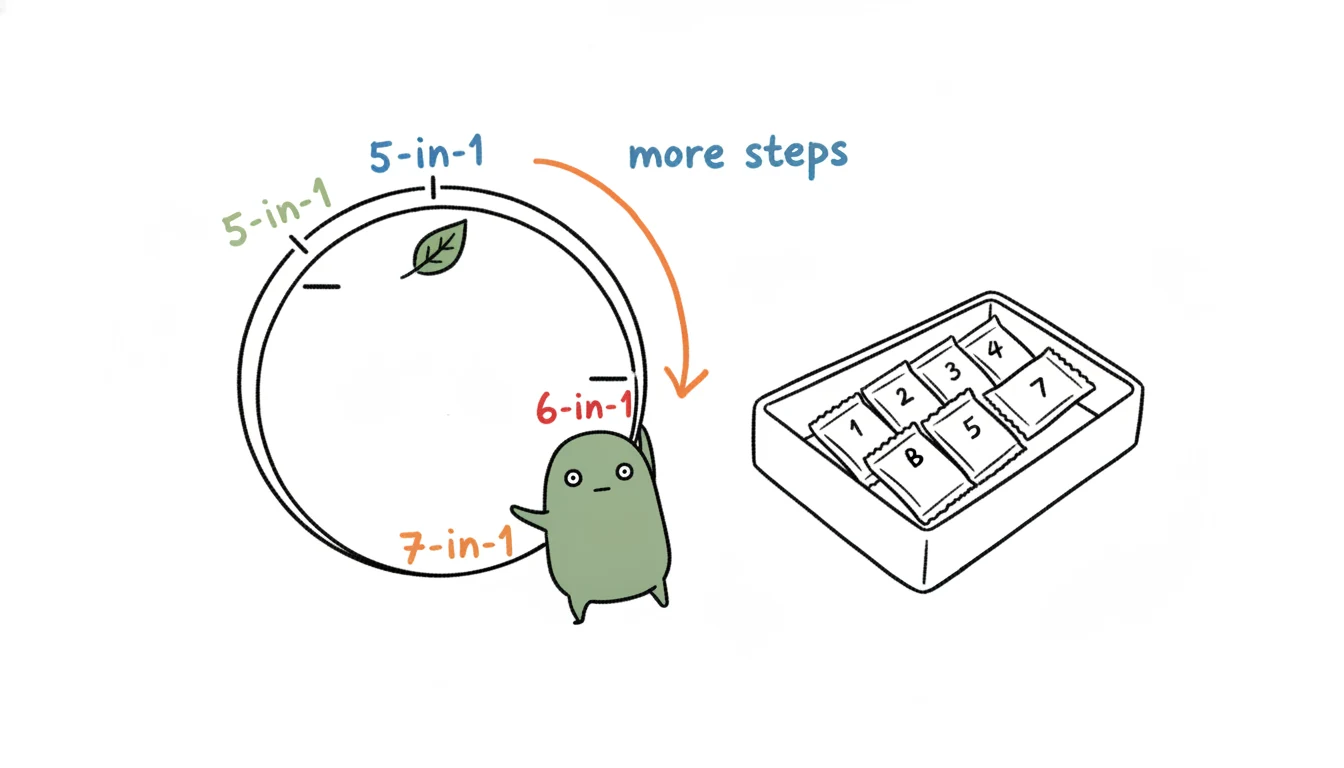
The “X-in-1” naming convention covers the number of treatment steps in the kit. The four standard configurations:
- 4-in-1 (entry). Salt Soak + Sugar Scrub + Callus Remover + Lotion. Lowest cost per kit, used in budget-tier salons and amenity programs. Skips the mask step, which is the visible upgrade signal clients notice.
- 5-in-1 (most common). Adds a Crystal Dissolution Salt or Foot Soak step before the standard four. The most balanced cost-vs-perception ratio and our highest-volume pedicure kit wholesale tier.
- 6-in-1 (premium salon). Adds a Foot Mask step (sheet, mud, or jelly format) for the premium salon tier. Adds 8–12 minutes to service time but enables a $15–25 service-tier upcharge.
- 7-in-1 (deluxe / spa). Adds a Cuticle Oil or finishing serum. Used for full-spa wellness experiences and resort amenity programs. The format crosses over with our cuticle oil private label production line, which lets clients order both under one PO.
For salon channel sales, our recommended starter assortment is 5-in-1 (volume) + 6-in-1 (premium) + an optional 7-in-1 spa SKU. For retail gift channels, 6-in-1 boxed kits with retail-ready packaging carry the highest perceived value-to-cost ratio.
Decision 2: Ingredient Profile — Organic, Vegan, Both, or Conventional
The B2B pedicure kit ingredient debate has stabilized around four positions:
- Organic certified. Plant-based actives meeting USDA Organic, COSMOS, or ECOCERT thresholds. 25–40% cost premium but unlocks Whole Foods, premium spa, and dermatology-adjacent channels.
- Vegan certified. No animal-derived ingredients (skips beeswax, honey, lanolin). Easier and cheaper to certify than organic. The fastest-growing claim on retail pedicure kits in 2025–2026.
- Organic + Vegan. The premium position. Most of our higher-tier deluxe spa kit SKUs sit here.
- Conventional. No certification claim, lowest cost. Still dominant in mass-channel and amenity programs where price beats positioning.
For private-label brands, the right play is usually to stock two tiers: a conventional or vegan-only volume SKU plus an organic+vegan premium SKU. Trying to certify a single SKU as everything raises cost without expanding the buyer pool.
Decision 3: Scent Library — How Many Variants Do You Actually Need?
Pedicure kits are highly scent-driven products — fragrance differentiates SKUs more than ingredient list does. Standard production scents include Lavender, Mint, Cherry, Honey, Jasmine, Green Tea, Orange, Rose, and Coconut. Our internal data on pedicure kit wholesale orders suggests:
For first-time buyers, we recommend starting with three high-velocity scents (Lavender, Mint, Cherry are the safest opening trio) and expanding once sell-through data is in.
Decision 4: Packaging — Salon Pro vs Retail Gift
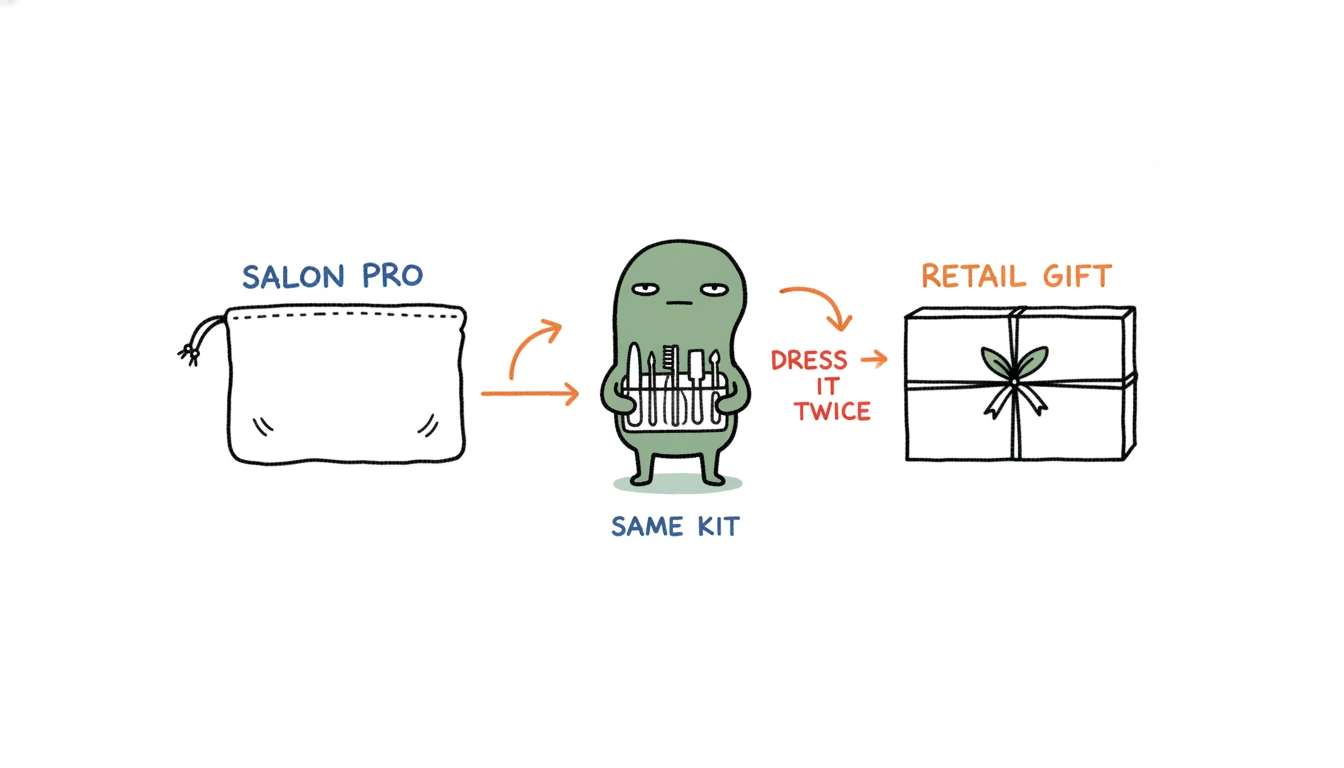
Same kit, two packaging architectures, very different unit costs:
- Salon pro (functional). Single-use sachets in a printed kraft sleeve or clear PET tray. Optimized for service workflow — easy to grab, dispose, restock. Lowest packaging cost. The bulk format for B2B salon distributors.
- Retail gift (presentation). Multi-step kit in a printed gift box with insert tray, optional ribbon or sleeve. 30–60% packaging cost premium but enables retail margin pricing ($25–45 retail vs $4–8 wholesale per kit).
- Hybrid (jelly cup format). Each step in a small PET cup with peelable lid. Single-use hygiene visible to client, photographs well for retail listings, used in salon and retail simultaneously.
For format-vs-channel deep dive including per-client service economics, see Salon Pedicure Kit: Multi-Step Format Guide.
Decision 5: Compliance Scope by Region
Pedicure kits are cosmetic products and regulated as such in every major market. The compliance vocabulary you need on a sourcing call:
- US (FDA). Cosmetic facility registration (MoCRA, since 2024) and product listing required. INCI ingredient disclosure required on label. Allergen-free claims need supporting test data.
- EU + UK (CPNP / SCPN). CPNP / SCPN portal notification required before placing on market. Responsible Person mandatory. CPSR (safety report) required and held on file. Allergen list mandatory on label.
- Canada (CNF). Cosmetic Notification Form filed with Health Canada within 10 days of first sale.
- Australia (AICIS). Industrial Chemicals registration covers cosmetic ingredients.
A capable pedicure kit manufacturer provides the technical documentation (INCI, CPSR support data, allergen disclosures, MoCRA registration evidence) at the quote stage, not after PO. If documentation is “available later,” walk. The companion guide Private Label vs OEM vs ODM covers how compliance ownership shifts depending on which manufacturing model you choose.
MOQ, Lead Time, and Customization Tiers
MOQ for pedicure kit wholesale orders depends on customization depth:
- Stock formula + your label only. Lowest MOQ tier. Existing scent library, your brand on the sleeve / box. Fastest path to first PO.
- Custom packaging, stock formula. Your gift box design with our existing 5-in-1 or 6-in-1 stock recipe. Mid-tier MOQ. 4–6 week lead time after artwork sign-off.
- Custom formula or custom scent. Your fragrance brief or formula spec. Higher MOQ, 8–12 week lead time including formulation, stability testing, and pilot batch sign-off.
Specific MOQs and pricing tiers are confirmed at quote stage based on format, packaging, and customization scope. Request a quote here with your target SKU configuration.
Choosing a Pedicure Kit Private Label Manufacturer
Once you’ve settled format, ingredients, scent, and packaging, the last decision is who actually makes it. A pedicure kit private label manufacturer is not the same as a single-product factory — you’re buying a coordinated kit, so the supplier has to manage four to seven components, one shared box, and consistent scent across the whole set.
Five things to confirm before you place a pedicure kit order:
1. Components made in-house, or tightly managed. Kits assembled from three different sub-suppliers drift on color, scent strength, and fill weight. Ask where each item in the kit is produced.
2. A real scent library — not “we can do any scent.” A capable pedicure kit manufacturer can send you 8–15 proven fragrance bases this week, with the bath soak, scrub, and lotion already matched to each.
3. Retail-ready packaging as a standard option. If shelf-ready gift boxes are a custom project rather than a catalog choice, lead times and minimums will balloon.
4. Compliance scope that matches your market. A pedicure kit private label manufacturer selling into the EU should already work with CPNP notification; one selling into California should know Prop 65 labeling. For a deeper walk-through, see our guide on how to vet a pedicure kit manufacturer.
5. A clear sample-to-production path. Stock samples in days, private-label samples in one to two weeks, full production in 20–35 days — if a supplier can’t give you that ladder, expect surprises.
Browse our pedicure kit & spa set range or request a pedicure kit quote to get started.
Frequently Asked Questions
Adjacent salon and retail SKUs: pedicure kits pair naturally with two adjacent categories. On the salon equipment side, brushless nail drills are the second consumable basket distributors run alongside multi-step kits. On the retail-gift side, private label bath bombs share the same gift-set channel and packaging architecture.
Sourcing bath bombs at scale?
If you’re evaluating bath bomb wholesale and private label manufacturing for a retail line, gift set, or spa chain, our B2B Bath Bomb wholesale program covers 8 base scents, custom shapes and silk-screen printing, and MOQ from 100 jars at the quote stage. Request a Bath Bomb wholesale quote →


Leave A Comment