
Quick B2B brief. This guide is written for distributors and salon chains evaluating nail drill wholesale programs. Inside: how to read RPM and torque specs across nail drill manufacturer data sheets, when to specify a brushless nail drill, MOQ ladders for a nail drill wholesale order, OEM private-label options (housing color, retail box artwork, bit-set bundling), and a checklist for validating a salon nail drill wholesale vendor before placing your first PO.
The nail drill is the second-most-used piece of equipment in any modern salon — the chair is first — and the wrong choice creates years of returns, complaints, and reorder friction. This guide is for distributors stocking salon chains, beauty supply businesses building a private-label line, and procurement teams sourcing for multi-location nail studios. It covers what actually matters when you buy at wholesale: brushless vs brushed motors, RPM bands, cordless vs corded, drill bits as a recurring SKU, dust collection, MOQ and lead-time realities, and what private label / full OEM actually changes about your unit cost and lead time.
If you also stock the consumables and hygiene side of the salon supply closet, pair this with our nail salon tool sterilization compliance guide and the cleaning & disinfection SOP — bits and handpieces are part of the between-client protocol, and customers ask about it together.
Nail Drill Market: What Distributors Are Actually Buying in 2026
Three structural shifts shape what sells now:
- Brushless is the default. Brushed motors are still on the shelf at entry price points but have lost the salon segment. Distributors who lead with brushed inventory are watching their reorders shift to the brushless catalog within 6–12 months of a salon’s first purchase.
- Cordless dominates new orders. Mobile pros, home-service salons, and even fixed-station studios prefer cordless lithium handpieces. A full salon day on one charge is now table stakes.
- Dust collection is becoming non-negotiable. Especially for salons doing heavy acrylic. Several US state boards and EU national rules are tightening on respirable particulates in the work area. Distributors who bundle a bench dust collector with the drill see higher reorder velocity.
The other quiet shift: drill bits are now a recurring revenue line, not a one-time accessory. A salon buying a single drill will reorder bit sets 2–4 times a year. Build the offer around the recurring SKU.
Brushless vs Brushed Motors — The Decision That Sets Everything Else
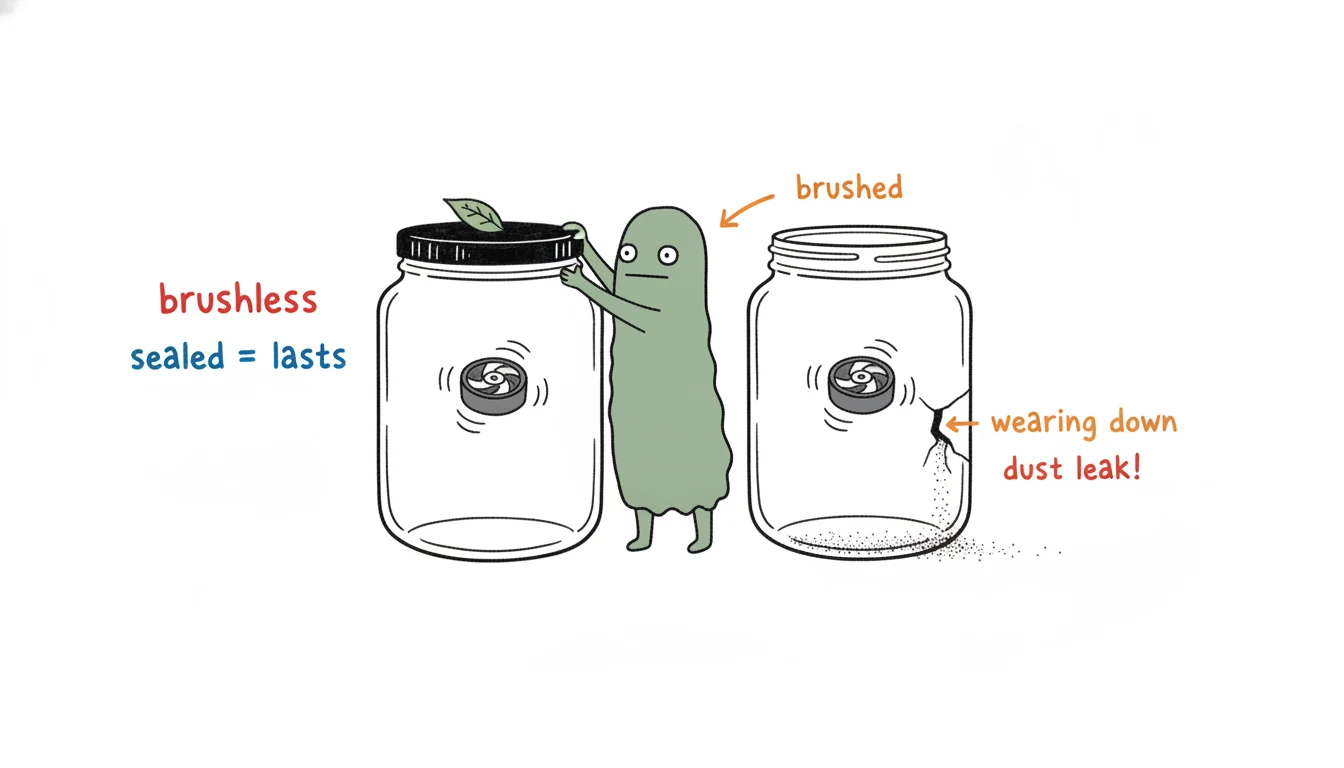
This is the first fork in the road, and it changes every spec downstream — price, RPM curve, noise, weight, battery life, warranty cost.
Brushed motors use carbon brushes that contact the spinning armature. They’re cheap to manufacture, mature technology, and run loud. The brushes wear and need replacement every 6–18 months of salon use. RPM drops noticeably under load — when a tech presses the bit into resistant acrylic, the motor slows. For occasional home use this is fine; in salon hours, the warranty calls start coming in within a year.
Brushless motors use electronic commutation — no physical contact, no carbon brushes, no wear part. The motor runs cooler, lasts 3–5× longer, holds RPM under load, and is significantly quieter. Cost per unit is ~30–60% higher than equivalent brushed. For salon-tier inventory, this is the only serious option.
Practical guidance: stock brushless as the volume product, position brushed as a budget tier only if your market explicitly asks for it. Most distributors who used to carry both have collapsed the lineup to brushless-only for the salon channel and a single low-price brushed SKU for the home/retail channel. Our flagship is the USB-charged 35,000 RPM brushless cordless drill; the higher-power studio version is the 85W professional 35,000 RPM rechargeable.
RPM Bands: 25k, 35k, 45k — What Salons Actually Use
The spec sheet number isn’t the whole story. RPM under load matters more than peak RPM, and the right RPM depends on what the tech is doing.
- 5,000–15,000 RPM: cuticle work, gentle smoothing, polishing. Beginner-friendly.
- 15,000–25,000 RPM: general gel and acrylic shaping. This is where most salon work lives.
- 25,000–35,000 RPM: fast gel removal, experienced acrylic work, callus removal on pedicure side. Sweet spot for the salon volume product.
- 35,000–45,000 RPM: advanced techniques, fast carbide grinding, e-file art. Premium SKU for advanced studios.
- 45,000+ RPM: niche. Most salons don’t need it.
For wholesale lineup planning: a single 25,000–35,000 RPM brushless cordless drill at a mid-premium price covers ~70% of the salon market. Add a 45,000 RPM premium SKU for advanced studios and a 25,000 RPM cordless mid-tier for general use, and you’ve got the lineup. Stock-keeping unit (SKU) sprawl past three RPM tiers usually creates more confusion than sales.
Cordless vs Corded — Why Lithium Has Won
Cordless has taken over for three reasons:
- Mobility. Mobile technicians and home-service salons literally cannot use corded.
- Weight and ergonomics. A cordless handpiece is lighter and balances better in the hand — technicians who use a drill 6+ hours a day notice it.
- Battery life is now adequate. Lithium batteries in the 2,000–3,000 mAh range deliver a full salon day on one charge for most use patterns. USB-C charging means the drill recharges between clients without a proprietary cable.
Corded still has a place in fixed-station shops doing continuous heavy carbide work where the technician wants zero downtime — but it’s a niche. The cordless-to-corded sales ratio at our distributor channel runs roughly 4:1 and is widening.
One nuance for distributors: lithium battery shipping rules. Cordless drills with built-in batteries above certain capacity thresholds need IATA-compliant packaging for air freight and may need surface freight in some lanes. Build that into your lead-time quote — it’s the most common surprise on a first order.
Drill Bits: The Reorder SKU You Plan Around
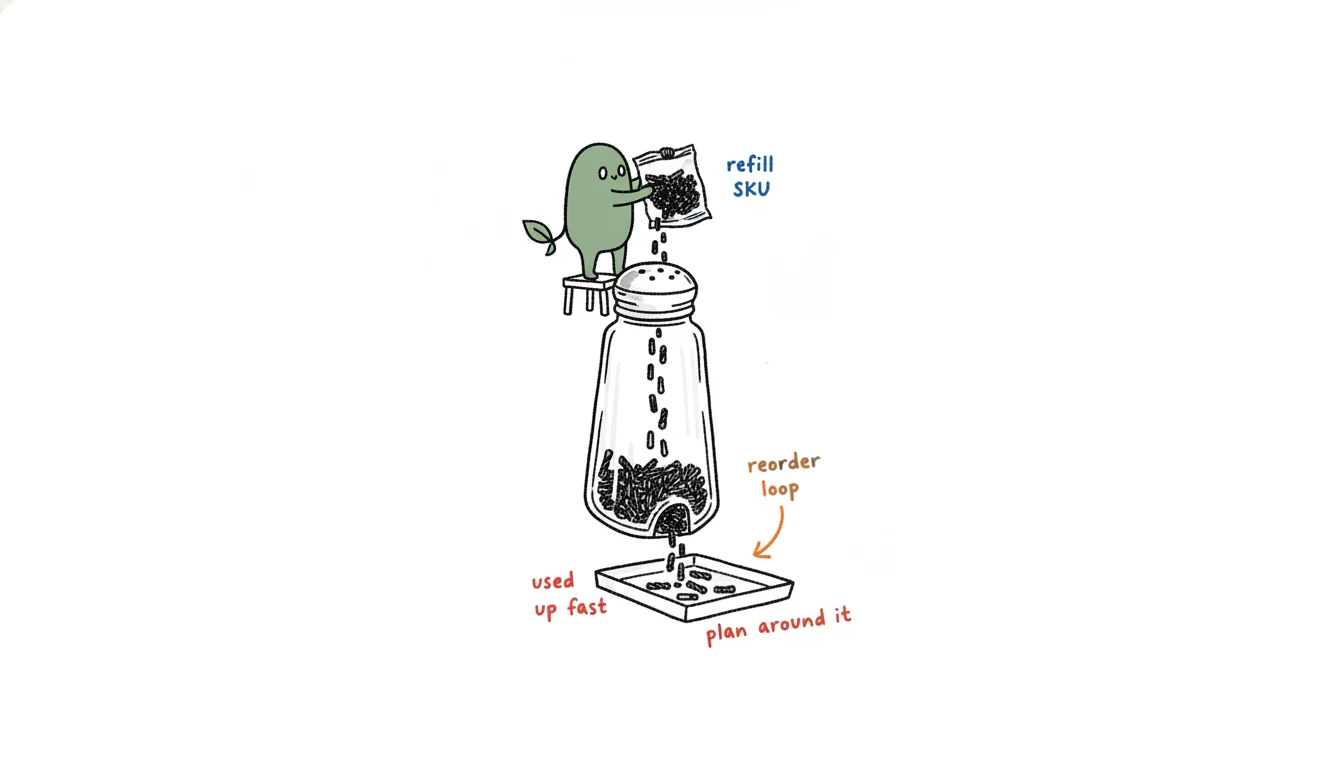
Drills are durable goods; bits are consumables. A busy salon will reorder bit sets 2–4 times a year, sometimes more if they do heavy acrylic. Three categories to stock:
- Diamond bits. Coated with industrial diamond grit. Best for cuticle work, gentle smoothing, finishing. Long service life if cleaned properly. Our 30-piece Russian-style diamond bit set is the top reorder SKU because it covers pre-treatment, cuticle, and finishing in one tray.
- Carbide bits. Solid carbide, sharper than diamond, faster cutting. Best for gel and acrylic removal, callus removal. Wear faster on hard surfaces but cut faster too — most pros prefer carbide for removal work.
- Ceramic bits. Newer category. Quieter, cooler-running, generates less dust than diamond or carbide. Premium price. Growing share, especially in markets focused on respirable dust.
Bit shank diameter matters too. The 3/32″ (2.35mm) shank is the global salon standard and what almost every salon drill takes. Stick with it unless your customer base specifically needs 1/4″ or 1/8″ — mixing shanks creates inventory confusion at salon level.
Stock at least 5 SKUs in your bit lineup: a diamond starter set, a carbide removal set, a Russian-style pre-treatment set (the one above), a fine-finishing set, and a ceramic premium set. Bundle the starter set with every new drill — it dramatically improves first-impression and feeds the reorder cycle.
Dust Collection: From Optional Add-On to Required Accessory
Acrylic dust at the work station is becoming a regulated issue. The US has long-standing ergonomic and respiratory complaint patterns at nail salons; the EU has tightened workplace air-quality enforcement; several jurisdictions are starting to require local exhaust ventilation at e-file stations for new salon licenses.
A bench-top dust collector at each station is the practical answer. The salon sweet spot is 60–80W with a HEPA-class filter and a removable, washable collection tray. A 60W brushless bench vacuum is exactly the right specification for a fixed nail station.
From the distributor perspective: bundle it. Drill + bit starter set + dust collector as a “salon station starter pack” sells dramatically better than three SKUs side by side. Reorder rates on bits and replacement filters follow. The whole nail drill range sits inside the broader salon equipment catalog where the matching dust collectors live.
Sourcing Mechanics: MOQ, Lead Time, Voltage, Branding
If you’re buying for resale or for a chain rollout, these are the variables that shape your quote and your timeline.
- Branding level. Stock units (no branding) ship fastest and at the lowest unit cost. Private label adds your logo to the handpiece, retail box, and manual — small tooling change, modest cost adder, 1–2 week sample turnaround. Full OEM adds housing color, button layout, RPM presets, motor and battery class, and packaging design — significant tooling, larger cost adder, 2–4 week sample turnaround. Our OEM vs private label vs ODM guide walks through which model fits which buyer type.
- MOQ. Set at the quote stage by configuration and branding level. Stock pilot orders start small; private label sits in the middle; full OEM with color and tooling changes is the largest. There’s no single number — it’s set per-quote because the variables matter that much.
- Lead time. Stock samples in days. Private label samples 1–2 weeks. OEM samples 2–4 weeks. Bulk production 20–35 days for stock/PL, 30–45 days for OEM, depending on order size and battery component availability.
- Voltage & charging. 110V and 220V chargers are pre-tooled with matched plugs (US, EU, UK, AU). USB-C is the current standard charging port; legacy DC barrel on request. Unusual market voltages are quoted individually.
- Battery and lithium freight. Lithium batteries built into the handpiece need IATA-compliant packaging for air freight. Surface freight is required in some lanes. Confirm the freight method up front — it’s the most common first-order surprise.
- Packaging. Standard export carton by default. Custom retail box, multilingual manual, insert card, barcode, and shrink-wrap on request — usually a 4–7 day sample step after the unit sample is approved.
Six Mistakes Distributors Make on Nail Drill Sourcing
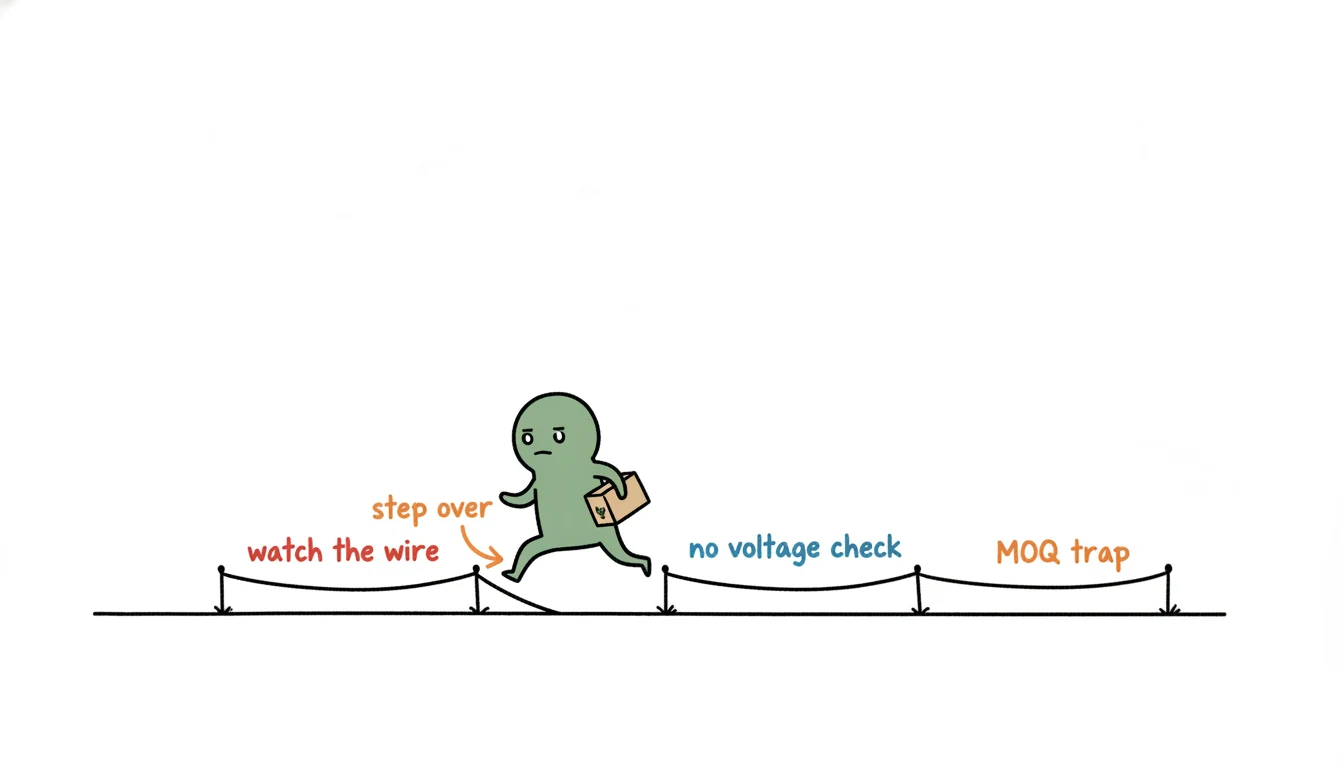
- Buying on peak RPM alone. A 45,000 RPM brushed motor that drops to 18,000 RPM under load is worse than a 30,000 RPM brushless that holds 28,000. Specify RPM under load if it matters to your customer.
- Skipping the bit lineup. Drills are one-time; bits recur. A drill-only catalog leaves the recurring revenue on the table for whoever sells the bits.
- Ignoring battery shipping rules. Air vs surface freight changes the lead time by weeks. Confirm method before signing the PI.
- Stocking too many RPM tiers. Three SKUs cover 90% of demand. A six-tier lineup just confuses salon buyers.
- Forgetting the dust collector bundle. Selling drills without the matching dust collector is leaving the upsell — and the recurring filter SKU — to a competitor.
- Treating the warranty as marketing copy. Brushless drills can carry a 2-year warranty without bleeding margin because failure rate is low. Brushed units offered with a 2-year warranty become returns. Calibrate the warranty to the motor class.
How This Fits the Broader Salon Equipment Sourcing
The nail drill rarely ships alone. Salons that buy a drill from you usually also need: a UV sterilizer cabinet for between-client treatment (covered in our UV sterilizer range), single-use consumables like files, buffers, and pedicure liners (disposable nail supplies), and the broader equipment package (lamps, dust collectors, foot baths) in the salon equipment catalog. A “salon station package” quote that bundles all of these is how multi-location chains and beauty supply distributors prefer to buy.
If you’re already buying drills from a competitor and want to switch suppliers — or you’re building a private-label line from scratch — send your target spec to our OEM team with target market, branding level, RPM tier, and approximate monthly volume. We reply within one business day with a quote that includes MOQ, unit cost at three volume tiers, sample timeline, and lead time.
Frequently Asked Questions
What MOQ should a distributor expect on a nail drill order?
MOQ is set at the quote stage and varies by configuration and branding level. As a rough guide: stock units (no branding) start at the lowest MOQ for pilot orders; private label (your logo on the handpiece and retail box) sits in the middle; full OEM (housing color, RPM, motor class, control panel, battery spec) needs the largest commitment. Pilot quantities are available on first orders so you can validate fit before scaling. Send your target market and branding level to our team and we’ll come back with concrete numbers.
Brushless vs brushed motor — which one should I stock?
Brushless is now the default for serious salon use. The motor runs cooler, lasts 3–5× longer than brushed equivalents, holds RPM under load (so the bit doesn’t slow down when you press), and runs quieter — important in a salon where multiple drills run all day. Brushed motors still exist at entry price points and home-user SKUs; they’re fine for occasional use but burn out fast in salon hours. Stock brushless as the volume product and only carry brushed as a budget tier if your market specifically asks for it. Our USB-charged brushless drill sits in this category.
What RPM do salons actually need — 25,000 or 45,000?
Most salon work happens between 8,000 and 25,000 RPM. The upper end (35,000–45,000) is for fast gel removal and acrylic shaping by experienced techs who can control it. Higher RPM isn’t automatically better — beginners overheat the nail plate and damage the client. Stock the 25,000–35,000 range as the volume product; carry 45,000 as a premium SKU for advanced studios. Cordless 30,000+ RPM models with brushless motors are the current sweet spot for both salon and mobile pros.
Cordless or corded — which sells better at distributor scale?
Cordless has won the salon segment over the last three years and is now the default. Lithium batteries last a full salon day on one charge; the handpiece is lighter without a cord; mobile technicians and home-service pros need it. Corded units still have a niche in fixed-station shops that run continuous heavy work (e-file nail-art studios doing 8+ hours of carbide grinding) and want zero downtime — but they’re a shrinking share. Lead with cordless brushless as the volume product and corded as the specialized SKU.
What’s the lead time from sample to bulk shipment?
Stock samples ship in days. Private-label samples (your logo on the handpiece and retail box) take one to two weeks for the first round, faster on revisions. Full OEM samples (custom housing color, RPM presets, voltage, battery, drill bit pre-pack) typically need two to four weeks. Bulk production after sign-off is 20–35 days for stock and private label, 30–45 days for full OEM, depending on order size and component availability. Air-freight expedite is available for time-critical launches.
Can I get the drill with my brand and for my market’s voltage?
Yes. Private label covers your logo on the handpiece, retail box, and operating manual. OEM covers housing color, button layout, RPM presets, motor class, battery capacity, and the charging port (USB-C is standard now; legacy DC barrel by request). 110V and 220V are pre-tooled with matched plugs; unusual markets are quoted individually. We supply rebranded drills to distributors and salon chains across North America, Europe, the Middle East, and Australia — and we can replicate the spec of a competitor model you’re already buying if you want to switch suppliers.
What about drill bits — should I source those separately?
You can, but in practice distributors do better with a paired offer: every drill ships with a starter bit set (5–10 commonly used bits, in a labeled tray), and the salon reorders bit sets every 3–6 months as bits wear or chip. The 30-piece Russian-style diamond bit set is one of our top-selling reorder SKUs because it covers pre-treatment, gel removal, and finishing in one tray. Carbide and ceramic bits are also available wholesale — match the bit grit and shape library to the techniques your customers actually use.
Do I need a dust collector or vacuum with the drill?
A dust collector is increasingly expected — especially for salons doing acrylic work, where particulates in the air are an ongoing health complaint and an inspection focus. A bench-top vacuum at each station (60–80W is the salon sweet spot) handles it. Some markets are starting to require it for new salon licenses. Stock a 60W bench dust collector alongside the drill as a paired upsell — distributors who bundle the two see higher reorder rates than those selling drills alone.
Ready to source? Browse the full nail drill wholesale range — cordless brushless, high-power studio, bit sets, and dust collectors — or contact our OEM team for a private-label or full-OEM quote sized to your market.



Leave A Comment